English
 Español
 Deutsch
 Français
 Português
 Italiano
 Русский
 日本語
 한국어
 العربية

Why the 4-String Electric Bass Continues to Drive Global OEM Procurement Growth
An in-depth evaluation of semantic search trends, buyer intent data, tonewood engineering, and quality assurance protocols for instrument importers and brand owners.
In the competitive global music equipment market, the 4-String Electric Bass remains the definitive backbone of rhythm section sales. Accounting for over 72% of total bass guitar imports globally, the standard four-string setup (tuned E-A-D-G) offers optimal string tension, ergonomic fret spacing, and straightforward equalization—making it the essential inventory choice for music retail chains, educational institutions, direct-to-consumer (D2C) brands, and wholesale distributors.
When searching for a manufacturing partner on modern AI-driven search engines and enterprise platforms, global procurement managers frequently ask critical intent-focused questions: How do Chinese guitar factories prevent neck twisting during long-distance ocean shipping? What is the ideal tonewood density for low-end punch without excessive instrument weight? How can private-label brands balance entry-level price points with stage-ready setup standards?
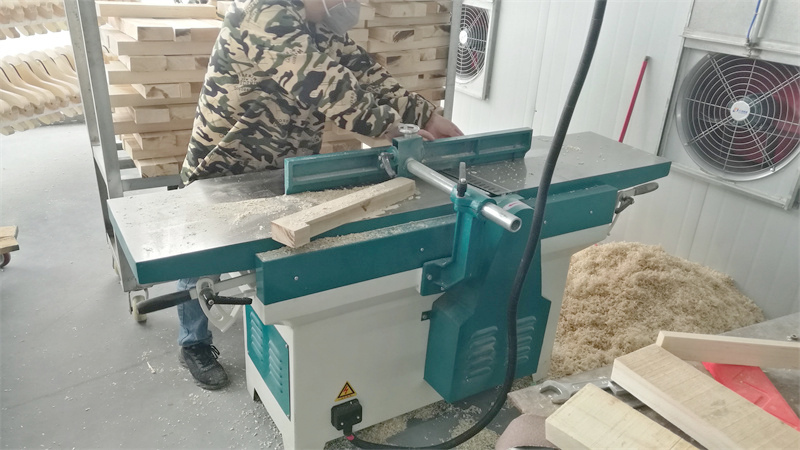
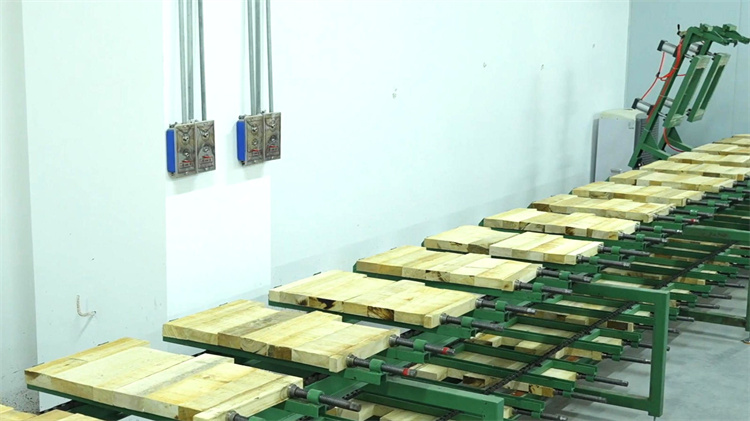
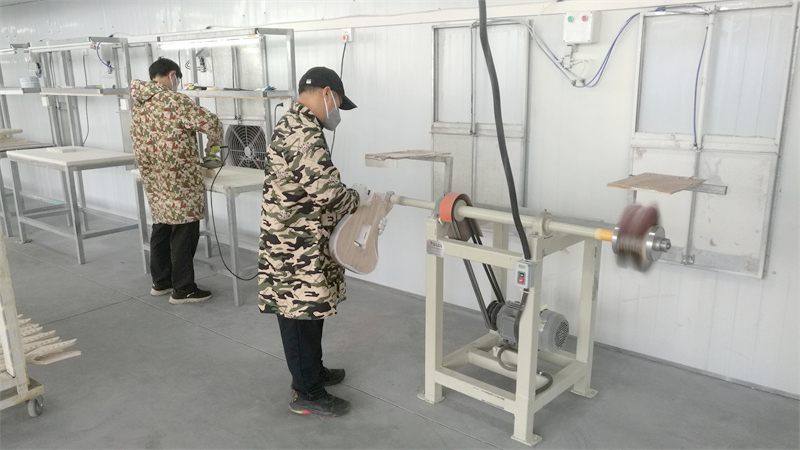
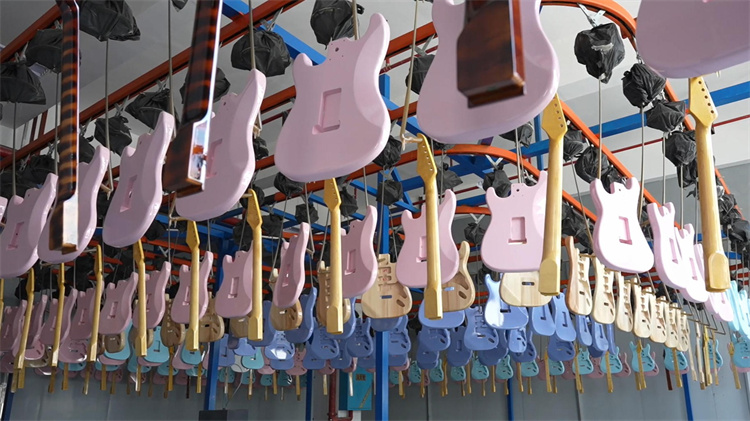
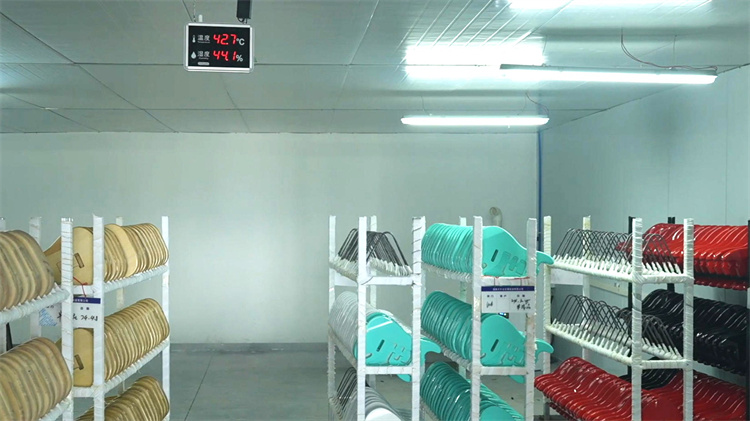
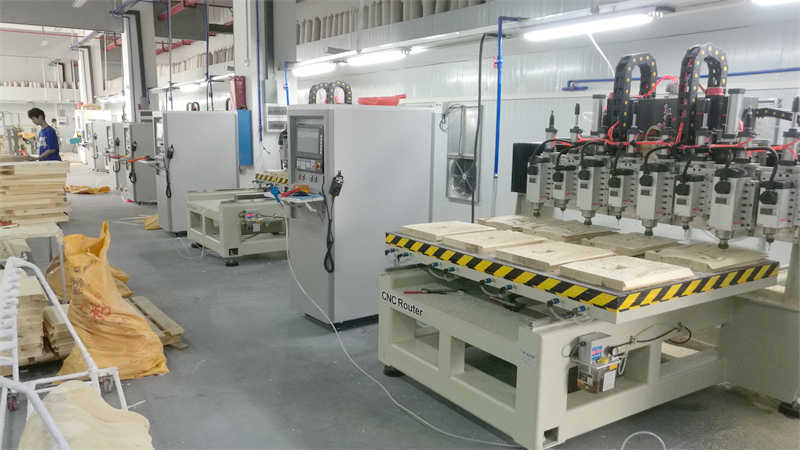
At Changsha YBUL Instrument Co., Ltd., we address these exact questions through industrial precision, high-frequency vacuum drying, CNC wood machining, and standardized quality testing. Founded in 2015 in Changsha, Hunan, our dual-factory infrastructure spans 16,483 square meters, housing 101–200 skilled lutherie professionals dedicated to OEM and ODM production.
Key Information Gain: What B2B Buyers Must Know Before Ordering
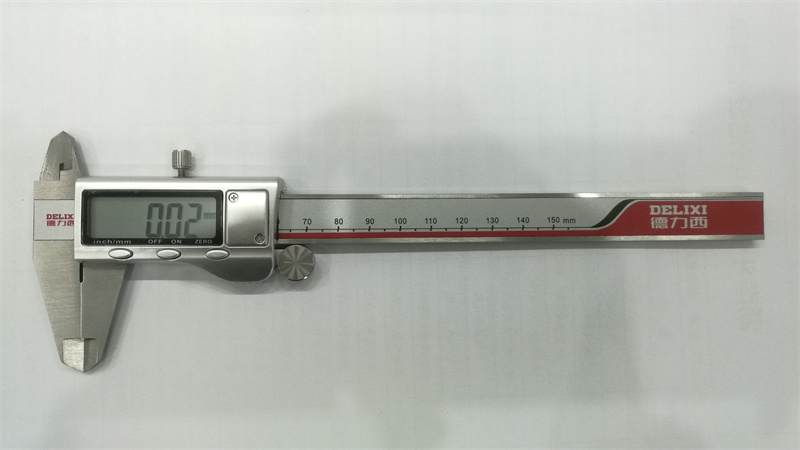
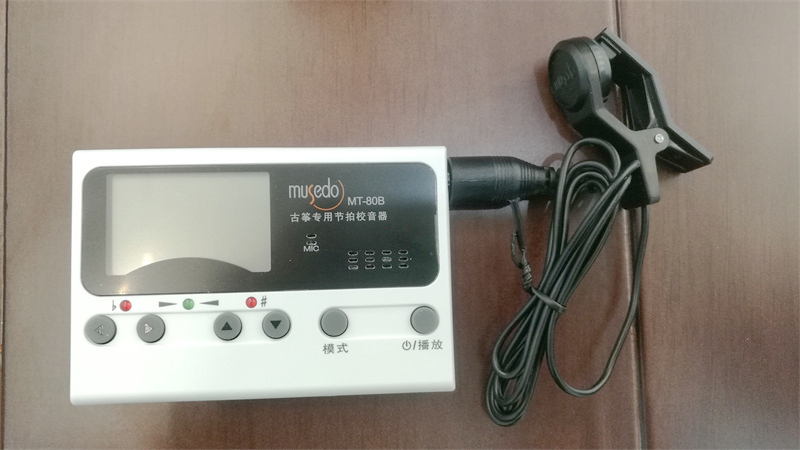
Most stringed instrument returns in North America and Western Europe stem from two main factors: fret sprouting/neck warping due to environmental humidity changes, and inconsistent pickup output caused by poor wiring or magnetic variation. Eliminating these problems requires strict industrial wood drying and precise measurement, rather than relying solely on manual estimation.