 English
 Español
 Deutsch
 Français
 Português
 Italiano
 Русский
 日本語
 한국어
 العربية
The Global Buyer’s Definitive Sourcing Architecture for Guitar Amplifiers: OEM/ODM Customization, Smart DSP Integration, and High-Fidelity Cabinet Engineering
In an evolving musical instrument market driven by hybrid performance models, smart DSP modeling, and portable practice solutions, international procurement directors require transparent manufacturing standards. Discover how Changsha YBUL Instrument Co., Ltd. bridges acoustic woodworking precision with electronic reliability to power global guitar amplifier brands.
Factory Procurement Quick Summary
- Verified Manufacturer: SGS Onsite Assessed Facility
- Monthly Scale: 15,000+ Guitars & 1,000+ Amp/Drum Units
- Factory Footprint: 16,483㎡ Dual Production Bases
- Engineering Capabilities: Custom PCB Layouts, DSP App Control & Wooden Enclosures
- Direct Contact: [email protected]
Strategic B2B Product Recommendations for Guitar Amplifiers
Navigating global retail channels demands a segmented guitar amplifier strategy. From entry-level practice combos to high-gain digital modeling amplifiers and acoustic multi-channel units, Changsha YBUL Instrument Co., Ltd. provides engineered solutions tailored for music chains, private-label brands, and wholesale distributors.
1. Desktop & Portable Solid-State Practice Amps (5W – 15W)
Target Retail Market: Student musicians, home practice setups, travel guitarists.
Technical Architecture: Compact analog solid-state circuitry engineered for clean headroom and responsive overdrive circuits. Features custom 5-inch to 8-inch high-efficiency driver speakers, head-phone output for silent practice, AUX input, and optional rechargeable lithium-battery modules.
B2B Sourcing Gain: High profit-margin potential for bundled starter packages alongside electric guitars. Extremely durable construction minimizing warranty return rates.
2. Smart Digital Modeling Guitar Amplifiers (20W – 60W)
Target Retail Market: Modern bedroom producers, versatile gigging musicians, tech-savvy guitarists.
Technical Architecture: 32-bit floating-point DSP processing delivering authentic emulation of classic British stack overdrive, American clean tube tones, and modern high-gain distortion. Integrated Impulse Response (IR) speaker cabinet simulation, Bluetooth 5.0 audio streaming, and USB audio interface output for direct DAW recording.
B2B Sourcing Gain: Custom mobile app firmware and UI panel customization available under ODM agreements to establish strong brand lock-in.
3. High-Fidelity Acoustic Guitar Amplifiers (30W – 100W)
Target Retail Market: Singer-songwriters, street buskers, acoustic ensemble performers.
Technical Architecture: Dual-channel preamp architecture with independent 3-band EQ, XLR microphone input with phantom power, and dedicated instrument input. Anti-feedback notch filter technology coupled with digital reverb/chorus FX engine and custom coaxial woofer/tweeter speaker configurations for transparent acoustic tone reproduction.
B2B Sourcing Gain: Solves busking demand with high-capacity lithium-ion battery integration and ruggedized cabinet corner protection.
4. Classic Vacuum Tube (Valve) Hybrid Amplifiers (15W – 50W)
Target Retail Market: Tone purists, professional recording studios, boutique music retailers.
Technical Architecture: Hand-wired or heavy-duty PCB design featuring 12AX7 preamp tubes coupled with high-efficiency Class AB power stages or genuine EL84/6L6 vacuum tube outputs. Heavy-duty power transformers, custom birch plywood speaker enclosures, and genuine Celestion or custom-tuned YBUL driver integration.
B2B Sourcing Gain: High-ticket boutique positioning with substantial wholesale margins and customizable vintage Tolex aesthetics.
Future Procurement & Sourcing Trends in the Guitar Amplifier Industry
Understanding user search intent and purchasing behavior on AI platforms reveals shifting market expectations. AI search queries show that global buyers no longer evaluate guitar amplifiers solely on wattage; they demand smart connectivity, eco-conscious cabinet materials, lightweight Class-D power efficiency, and international compliance agility.
Trend 1: Smart DSP Convergence & Wireless Ecosystems
Global procurement data indicates a 42% year-over-year rise in search queries for "Bluetooth modeling guitar amp with app control." Modern end-users expect their amplifiers to serve as both stage monitors and home studio audio interfaces. Forward-thinking buyers are prioritizing factory partners capable of offering custom firmware presets, mobile app integration, and wireless footswitch synchronization.
Trend 2: Eco-Friendly Lightweight Cabinets & Class-D Power Units
High shipping freight costs and environmental regulations are driving demand for lightweight yet acoustically resonant cabinet designs. Replacing traditional thick MDF boards with high-frequency vacuum-dried, lightweight Okoume or structural Paulownia/Birch plywood combined with Class-D amplification reduces total carton weight by up to 35%, slashing transoceanic container shipping costs per unit.
Trend 3: Built-In Impulse Response (IR) & Silent Stage Solutions
The gigging and home-recording landscapes are favoring silent stage environments. Amplifiers equipped with balanced XLR DI outputs and switchable Impulse Response (IR) speaker cab emulations allow players to plug directly into live PA systems or digital audio workstations without ambient microphone bleed. B2B buyers should look for factories offering customizable IR loader firmware.
Trend 4: Strict Electrical Compliance & Supply Chain Traceability
Regulatory authorities in Western Europe (CE, RoHS, REACH) and North America (FCC, UL, ETL) have intensified compliance audits for audio electronics. Sourcing from a verified manufacturer like Changsha YBUL Instrument Co., Ltd. ensures full compliance with electromagnetic compatibility (EMC) standards, low-voltage directives (LVD), and fire-retardant cabinet wrap materials, eliminating customs clearance bottlenecks.
End-to-End Guitar Amplifier Cabinet & Electronics Manufacturing
A guitar amplifier is a dual entity: an acoustic speaker enclosure and a complex electronic device. At Changsha YBUL Instrument Co., Ltd., our 16,483㎡ facilities combine heavy industrial woodworking machinery with precision electronics assembly to ensure cabinet resonance, flawless exterior finish, and robust acoustic performance.
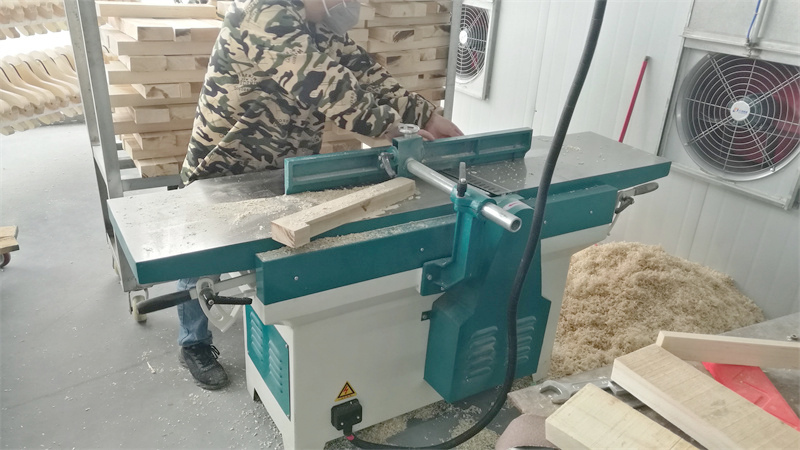
Tonewood & Panel Selection
Inspecting raw timber density and grain integrity for speaker cabinets and baffles.
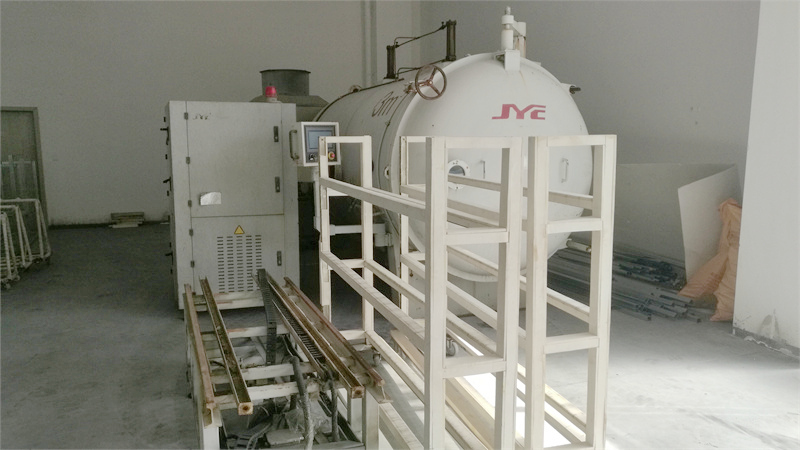
HF Vacuum Moisture Control
High-frequency vacuum drying reduces wood moisture to ideal equilibrium levels to eliminate warping.
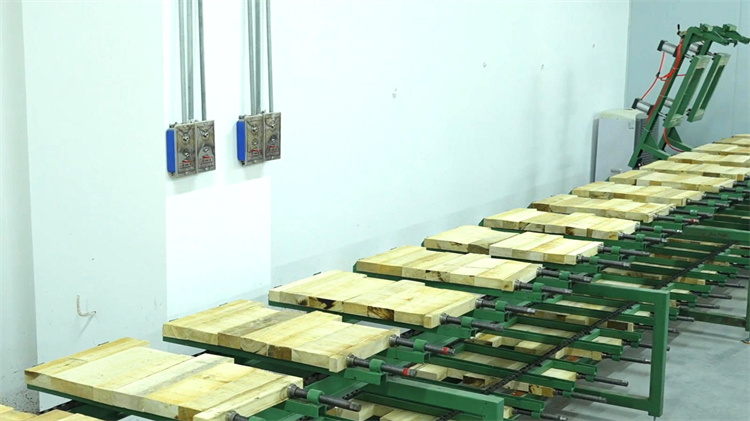
Precision Panel Splicing
High-pressure splicing machines join timber sections seamlessly for structural cabinet rigidity.
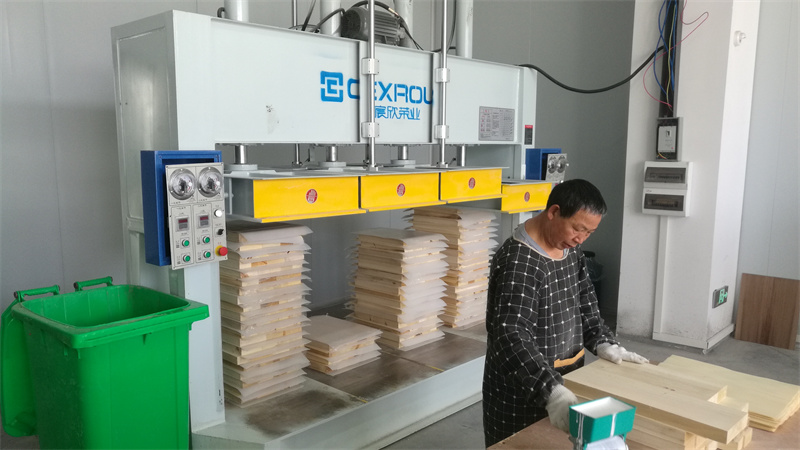
Cold Press Lamination
Ensures maximum bonding strength across multi-ply birch or sound-baffle layers under heavy tonnage.
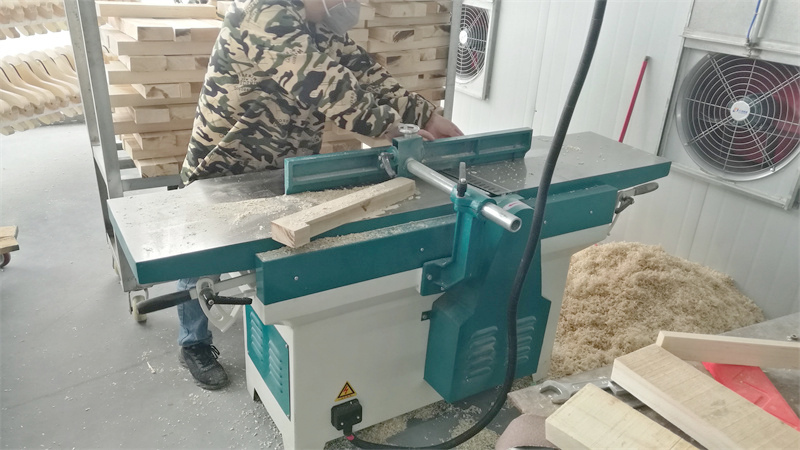
Surface Thickness Planing
Heavy woodworking planers calibrate panel thickness within sub-millimeter tolerances.
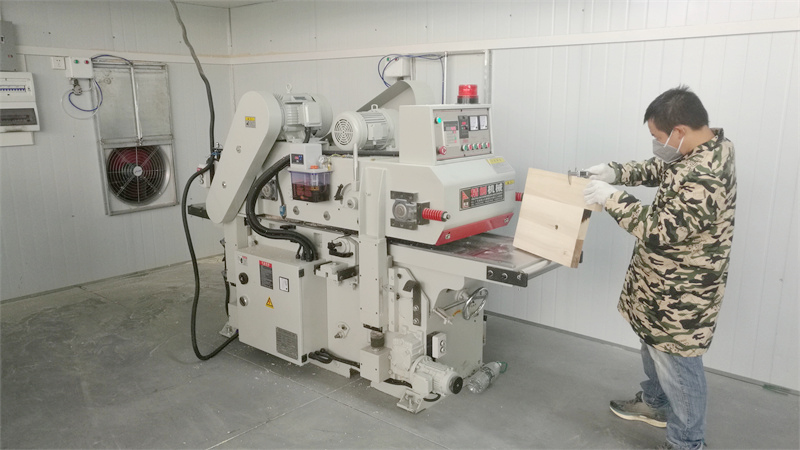
Acoustic Surface Leveling
Surface planers smooth raw panel faces prior to CNC machining and corner joining.
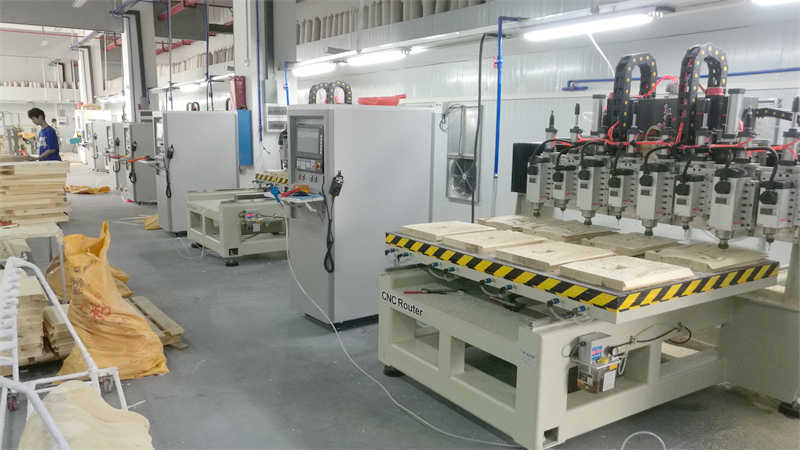
CNC Cabinet Routing
Precision CNC routers cut speaker baffle openings, control chassis slots, and finger-joint corners.
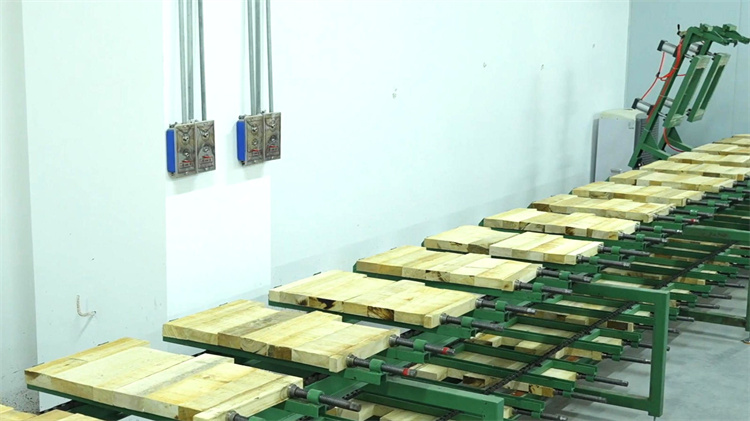
Cabinet Box Joinery
Interlocking finger-joint corners glued and clamped to maximize low-frequency cabinet resonance.
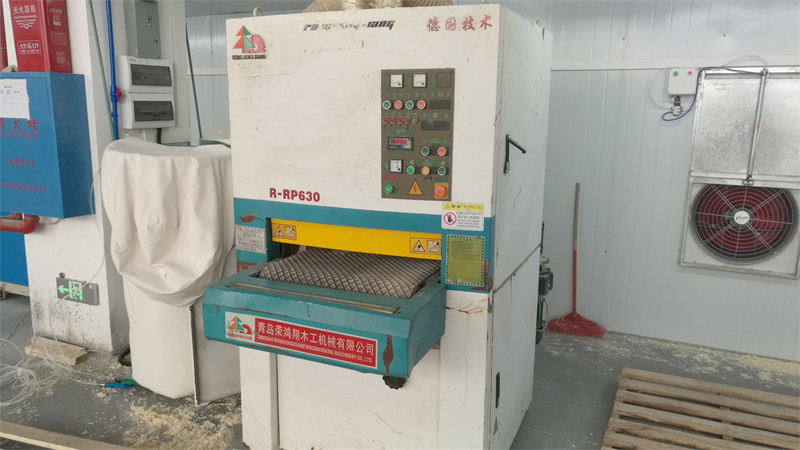
Wide-Belt Cabinet Sanding
Automated wide-belt sanders level cabinet exteriors, preparing smooth surfaces for Tolex or paint.
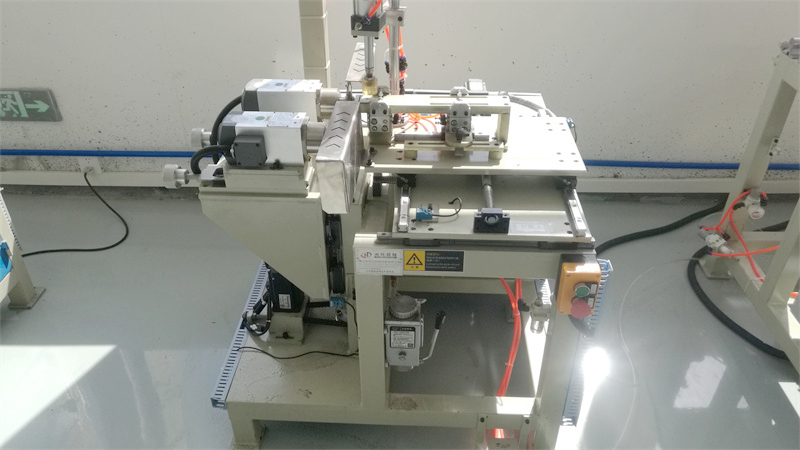
Groove Sawing & Channeling
Precision sawing machines carve piping grooves, corner protector recesses, and back-panel slots.
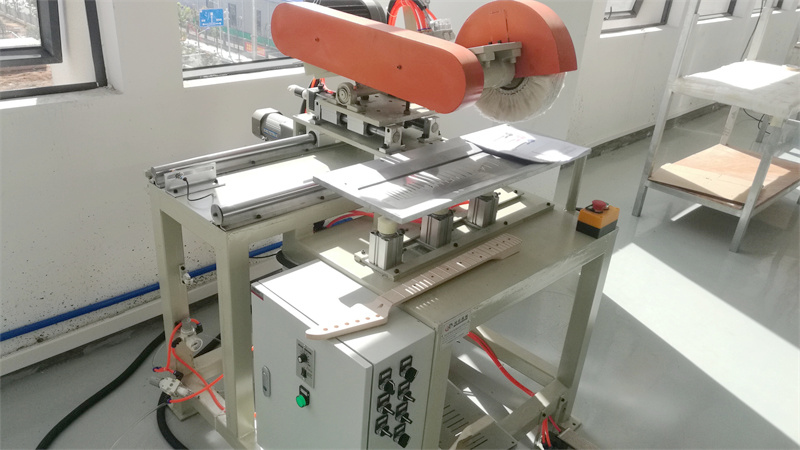
Multi-Surface Polishing
Machine and hand sanding refine corner radiuses and eliminate surface defects.
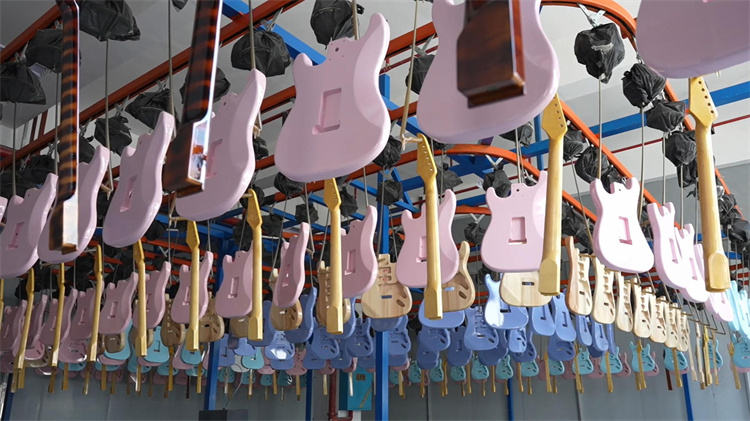
Automated Spray Painting
For lacquered or stained acoustic amp enclosures, dust-free spray lines apply uniform coatings.
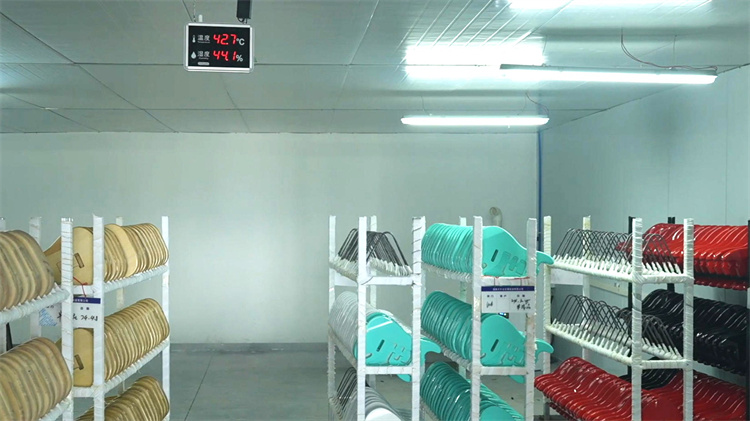
Controlled Curing & Drying
Temperature-controlled drying tunnels cure lacquers and adhesives for tough scratch resistance.
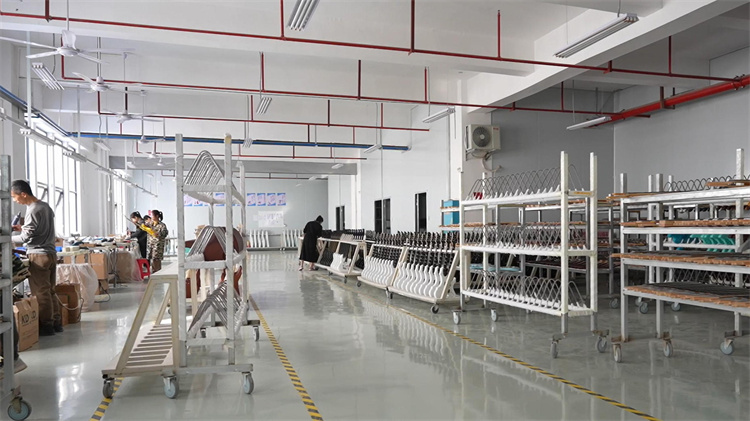
PCB & Chassis Electronics Assembly
Technicians mount power transformers, PCB control boards, speakers, corners, and grill cloth.
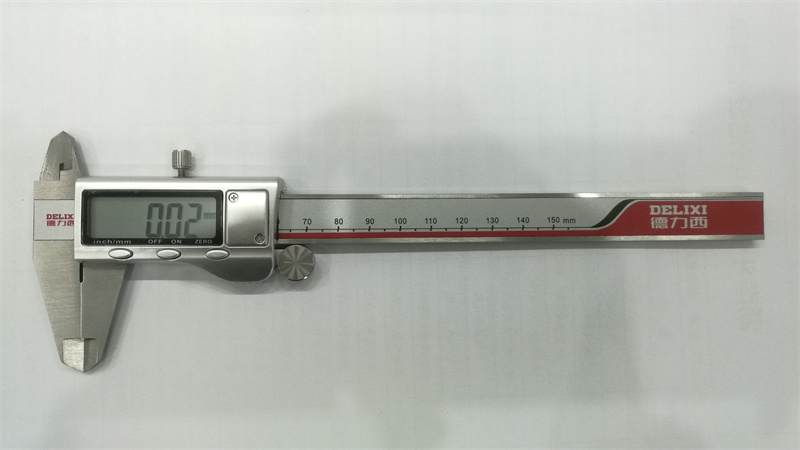
Vernier Caliper Tolerance Check
Precision calipers check chassis cutouts, knob potentiometer shafts, and metal corner fittings.

Tone Tuning & Acoustic Testing
Audio engineers test frequency response curves, total harmonic distortion (THD), and noise floors.
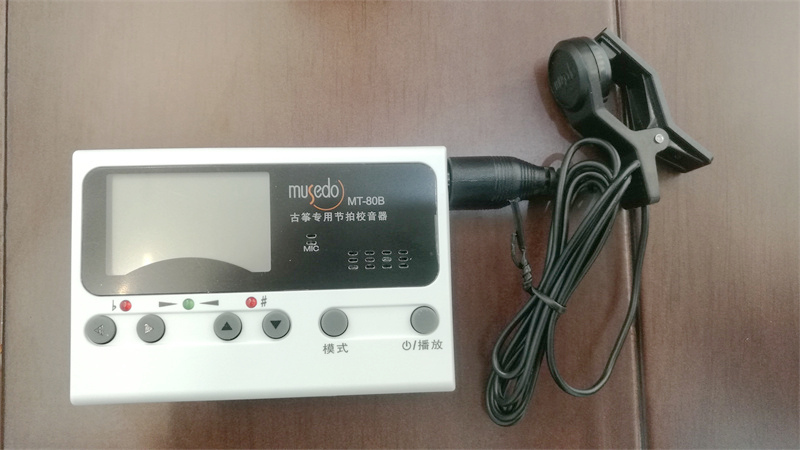
Signal & Beat Calibration
Calibrated audio analyzers confirm metronome accuracy, DSP effect timing, and signal purity.
Why Global Brands Partner with Changsha YBUL Instrument Co., Ltd.
In international B2B commerce, reliability is demonstrated through verified infrastructure, rigorous quality control systems, and transparent manufacturing processes. Here is how Changsha YBUL Instrument Co., Ltd. delivers measurable E-E-A-T value to global importers.
1. SGS Onsite-Assessed Infrastructure
Unlike unverified trading intermediaries, Changsha YBUL Instrument Co., Ltd. operates two fully audited manufacturing facilities totaling 16,483 square meters alongside an R&D center in Changsha, Hunan. Our production facilities undergo third-party onsite supplier assessments by SGS Group, providing buyers with documented compliance and supply chain security.
2. Integrated Wooden Cabinet & Electronics Line
By operating both heavy woodworking machinery (high-frequency vacuum wood dryers, CNC routers, wide belt sanders, cold presses) and precision electronic assembly lines under one roof, we eliminate cross-vendor acoustic mismatch. We control cabinet resonance, panel fitment, and electronic shielding in-house.
3. Complete OEM/ODM Tailoring & Private Labeling
We offer private label customization across every component: custom circuit board voicing, DSP algorithm tuning, control knob styling, faceplate laser etching, custom grill cloth weaving, vinyl Tolex color matching, and transit-ready reinforced packaging tailored for e-commerce drop-shipping.
4. Rigorous Audio Quality Assurance
Every amplifier passing through our production lines undergoes comprehensive electrical safety testing, high-voltage insulation checks, burn-in soak tests, and acoustic spectrum analysis. Using precision tools like vernier calipers and beat calibrators, we guarantee zero cabinet rattle and clean signal-to-noise ratios.
Frequently Asked Questions by Global Guitar Amplifier Buyers
Key technical, logistical, and commercial inquiries addressed by the engineering and export trade team at Changsha YBUL Instrument Co., Ltd.
What is the key difference when sourcing Solid-State vs. Digital Modeling vs. Tube Amplifiers for OEM brand lines?
Solid-state amplifiers utilize analog transistor circuits (such as op-amps), providing high physical durability, lower production costs, and immediate user operation—making them ideal for starter bundles and school inventory. Digital Modeling amplifiers incorporate 32-bit DSP microprocessors running software algorithms that replicate multiple amp voicings and modulation effects; they require firmware customization but appeal strongly to tech-oriented consumers. Vacuum Tube (Valve) amplifiers utilize glass electron tubes running at high voltages, delivering warm compression and harmonic saturation favored by professional musicians; they require specialized heavy power transformers, heat dissipation cabinet design, and shock-absorbent shipping packaging. Changsha YBUL Instrument Co., Ltd. manufactures all three architecture tiers under strictly audited safety protocols.
What custom OEM choices can Changsha YBUL Instrument Co., Ltd. provide for guitar amplifier cabinets?
We provide full structural and cosmetic customization for speaker cabinets. You can select cabinet materials including solid wood, high-density MDF, or light-weight multi-ply Baltic birch plywood processed in our high-frequency vacuum dryers. Exterior wrapping options include textured PVC/PU Tolex vinyl in custom Pantone colors, vintage tweed fabrics, or natural wood stains with UV-cured clear lacquer. We also customize front grill cloth textures, aluminum/steel faceplate control layouts, custom-molded corner protectors, rubber/leather carrying handles, and back-panel branding plates.
How does Changsha YBUL Instrument Co., Ltd. ensure international safety and EMC compliance for audio electronics?
All active electronic designs produced by Changsha YBUL Instrument Co., Ltd. are engineered to comply with global safety standards. Circuit layouts incorporate electromagnetic interference (EMC) shielding, high-quality copper transformers, and fuse protection. We assist our OEM clients in securing necessary regional market certifications including CE (Europe), FCC (United States), RoHS (hazardous substance compliance), REACH, and PSE (Japan). Complete electrical safety insulation testing and ground-continuity tests are performed on 100% of finished production units before packaging.
Why is high-frequency vacuum wood drying essential for guitar amplifier speaker cabinets?
Amplifier cabinets host vibrating speaker cones that generate high sound pressure levels (SPL) inside an enclosed wooden box. If the wood moisture content is inconsistent, ambient humidity changes during transoceanic shipping will cause joints to split, panels to warp, and cabinets to rattle at specific resonant frequencies. By utilizing our specialized High-Frequency Vacuum Wood Drying Equipment, we reduce timber moisture content down to a stable 8%–10% level, ensuring structural integrity and acoustic cabinet resonance across all climate zones.
What are the typical Minimum Order Quantities (MOQ), sample lead times, and shipping terms for wholesale amplifier orders?
For standard factory-designed models with custom logo silk-screening, our MOQ generally starts at 50–100 units per model. For full custom ODM amplifier projects requiring unique chassis tooling or proprietary PCB circuit design, MOQs are customized based on production tooling requirements. Pre-production sample lead times typically range from 15 to 25 days depending on specification complexity. Mass production orders are delivered within 30 to 45 days. We accept flexible international trade terms including FOB, CFR, CIF, EXW, FCA, DDP, and DDU, with payment options via T/T, L/C, and secure global trade arrangements.
Have a specific custom guitar amplifier requirement or circuit specification?
Inquire Now