Blog

China Top 10 Acoustic Guitar Manufacturers for Buyers

China Top 10 Acoustic Guitar Manufacturers for Buyers

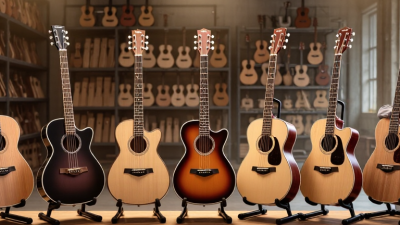
Choosing an Acoustic Guitar manufacturer in China involves more than comparing catalog prices. Buyers must assess tone consistency, construction, production capacity, and communication before placing an order. Grand View Research estimated the global guitar market at USD 10.3 billion in 2023 and projected a 7.2% compound annual growth rate through 2030. Its market analysis covers guitars broadly, so it should not be mistaken for a China-specific acoustic guitar export forecast. Still, it signals a competitive market where dependable sourcing matters. This guide introduces ten Chinese manufacturers for buyers to investigate. It focuses on practical checks: solid-top or laminate specifications, bracing and neck construction, finish quality, factory customization, minimum order quantities, and sample lead times. Ask for clear model specifications and inspect a physical sample when possible. A glossy product photo cannot reveal fret buzz, uneven binding, or how a guitar responds under the fingers. Small details count. Supplier claims also deserve careful review. Request current certifications, production references, and written quality-control procedures, then confirm that documents match the factory and product offered. Rankings alone cannot establish fit. A factory suited to a large private-label order may not serve a small boutique brand well. And specifications do not tell the whole story; playability can vary between instruments. Use this shortlist as a starting point, not a substitute for due diligence.
Read more »
Averelle By:Averelle - October 30, 2026
How to Choose a Classical Guitar in 2026?

How to Choose a Classical Guitar in 2026?

Choosing a Classical Guitar in 2026 is less about finding the most expensive instrument and more about matching its feel, sound, and construction to your needs. A guitar that looks impressive online may feel uncomfortable after ten minutes of playing. Pay attention to the neck width, string spacing, body size, and action—the height of the strings above the fretboard. These details affect comfort, especially for beginners or players with smaller hands. Feel matters. Sound also deserves a careful, in-person check when possible. Play a few notes across the strings and listen for clear tone, even volume, and unwanted buzzing. Examine the bridge, frets, tuning machines, and finish for signs of poor workmanship or damage. A solid-wood top can respond differently from a laminate top, but materials alone do not guarantee a better instrument. Setup matters. A well-adjusted guitar can be easier to play than a costlier model that has not been checked. This guide will explain how to compare beginner, intermediate, and advanced options, set a realistic budget, and decide whether to shop online or visit a music store. It will also cover sizing, materials, playability, and questions to ask before buying. Specifications help, but they cannot tell you everything about how an instrument feels in your hands. That is normal. Use the advice as a practical checklist, not a rigid formula; personal preference still counts, and sometimes the first choice needs a second look.
Read more »
Averelle By:Averelle - October 30, 2026
Best Electric Guitar Manufacturers in China for Buyers

Best Electric Guitar Manufacturers in China for Buyers

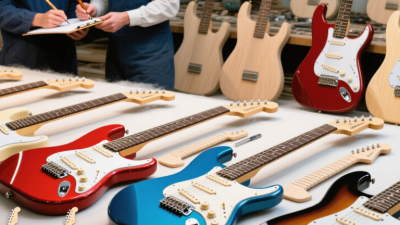
Choosing an Electric Guitar manufacturer in China is not simply a search for the lowest quoted price. Buyers need to understand how a factory turns specifications into a consistent instrument. That includes body wood, neck geometry, fretwork, finish, electronics, and final setup. Small details matter. A slightly uneven fret end or a noisy switch can affect the playing experience, even when a guitar looks polished in product photos. This guide introduces manufacturers and explains how buyers can compare production capabilities, product ranges, customization options, and communication practices. It also separates verifiable information from sales language, which can be difficult when supplier pages make similar claims. Rather than treating any company as an automatic best choice, this overview focuses on practical checks. Request a current catalog, confirm whether the supplier is a manufacturer or trading company, and ask for clear specifications, sample terms, lead times, packaging details, and quality-control procedures. When possible, inspect a sample or arrange an independent pre-shipment review. Ask how materials, hardware, pickups, and setup tolerances are documented. Written answers are more useful than broad promises. Price still matters, but compare it with the delivered specification and support after production. A low quote may leave important details unresolved. Not every buyer needs the same factory. The right fit depends on order volume, target market, design requirements, and tolerance for revisions. This guide offers a practical starting point, not a substitute for direct due diligence. Confirm current details before placing an order, since manufacturers and product lines can change.
Read more »
Averelle By:Averelle - October 30, 2026