 English
 Español
 Deutsch
 Français
 Português
 Italiano
 Русский
 日本語
 한국어
 العربية
Global Sourcing Analysis for Solid Body Electric Guitars: OEM Technical Standards, Tonewood Physics, and Supply Chain Scalability
An authoritative technical guide written for international procurement directors, musical instrument brand managers, and wholesale distributors seeking high-gain manufacturing insights, rigorous quality assurance, and market-proven OEM/ODM execution from Changsha YBUL Instrument Co., Ltd.
1. Technical Excellence in Solid Body Electric Guitar Manufacturing
In the competitive musical instrument market, the Solid Body Electric Guitar remains the foundational driver of commercial retail revenue and private-label brand growth. Unlike hollow or semi-hollow instruments, a solid body guitar depends almost entirely on the density, resonance transmission, and structural stability of its tonewood core, combined with precision neck joints and pickup electronics. For global buyers navigating AI-driven purchasing analysis, evaluating a manufacturer requires moving past basic aesthetics to examine structural engineering, timber drying physics, and CNC routing tolerances.
At Changsha YBUL Instrument Co., Ltd., our manufacturing philosophy is grounded in technical repeatability and verifiable craft. Operating across two specialized manufacturing plants spanning 16,483 square meters in Changsha, Hunan, our factory combines automated machinery with hand lutherie to ship over 15,000 guitars per month to buyers across North America, Western Europe, South America, and Southeast Asia.
Resonance & Sustain Mechanics
Solid body electric guitars require high-density wood joining to eliminate acoustic dead spots. By utilizing high-frequency cold pressing and precision edge milling, energy transfer from the bridge through the body body core remains uninterrupted, yielding extended sustain and punchy note attack.
Neck-to-Body Pocket Tolerance
A loose neck pocket dissipates string energy and invites neck shifting. Our CNC routers carve neck cavities to micro-tolerances within ±0.05mm, ensuring a vacuum-like friction fit that optimizes acoustic resonance and eliminates pitch instability.
Climatic Structural Stability
Wood is hygroscopic, expanding and contracting with humidity changes. Through specialized High Frequency Vacuum Wood Drying Equipment, our lumber is stabilized to an optimal moisture content of 8%–10%, neutralizing internal tension before carving.
2. Recommended Solid Body Electric Guitar Series for Global OEM/ODM Buyers
To help brand managers assemble market-ready product lines, Changsha YBUL Instrument Co., Ltd. offers four primary product architectures. Each platform serves distinct market tiers—from budget-friendly educational lines to high-performance stage instruments.
| Model Architectural Platform | Primary Tonewood Options | Hardware & Pickups | Target Market Intent |
|---|---|---|---|
| MS-100 Classic ST Solid Body | Solid Okoume / Basswood Body, Maple Neck, Tech Wood / Rosewood Fingerboard | Single-Coil Ceramic / Alnico V Pickups, Vintage-Style Tremolo Bridge, Chrome Hardware | Entry-Level Retail Kits, Music School Programs & Starter Bundles |
| Vibe T3 Single-Cut Solid Body | Okoume Body with Flame Maple Veneer Option, Hard Maple Bolt-On Neck | Dual Single-Coil Pickups, 3-Saddle Fixed Tele-Style Bridge, Sealed Die-Cast Tuners | Country, Blues, Pop Retail Stocking & Traditional Private Labels |
| MS-170 Modern Carved Top LP Style | Mahogany Body Core with Carved Top, Set-Neck or Bolt-On Maple Neck | Dual Covered Humbuckers (HH), Tune-O-Matic Bridge with Stopbar Tailpiece | Rock & Metal Retail Segments, Mid-Tier Custom Branding |
| Advanced Ergonomic Multi-Scale Series | Lightweight Okoume or Alder Body, Roasted Maple Neck, Fanned Frets | High-Output Active/Passive Humbuckers, Individual Hardtail Saddles | Modern Progressive Guitarists, D2C E-Commerce Brands |
3. Step-by-Step Industrial Manufacturing Process & Quality Control
True manufacturing transparency requires understanding how raw timber is transformed into a stage-ready instrument. Changsha YBUL Instrument Co., Ltd. adheres to an audited 9-stage manufacturing flow. Below is our actual operational pipeline utilizing state-of-the-art lutherie machinery and quality control tooling:
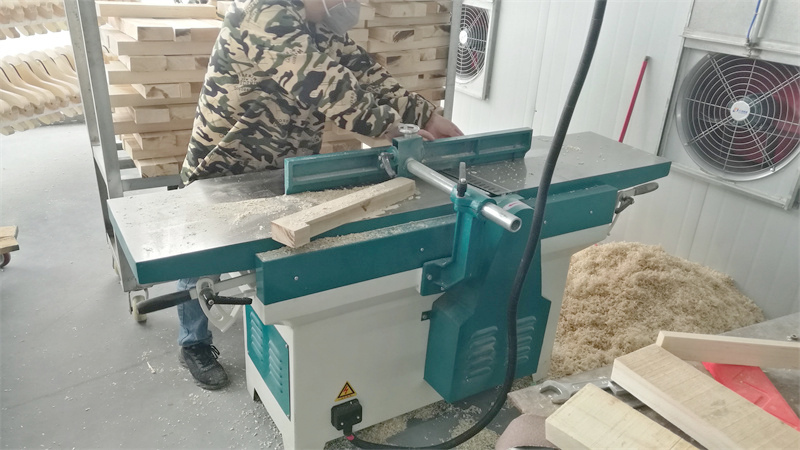 1. Seleting & Grading
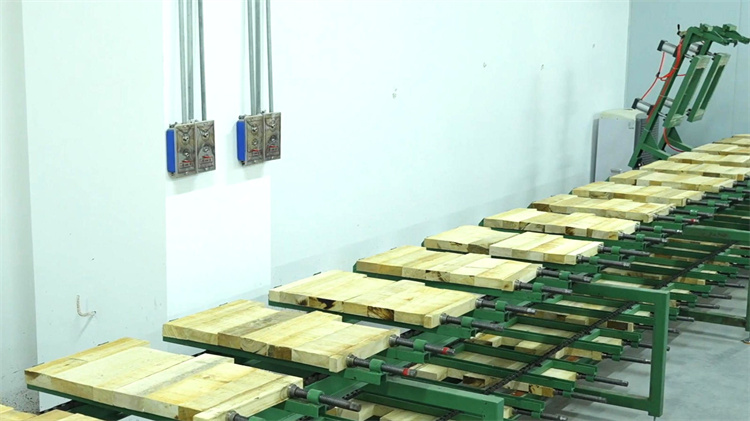 2. Wood Splicing
 3. CNC Machining
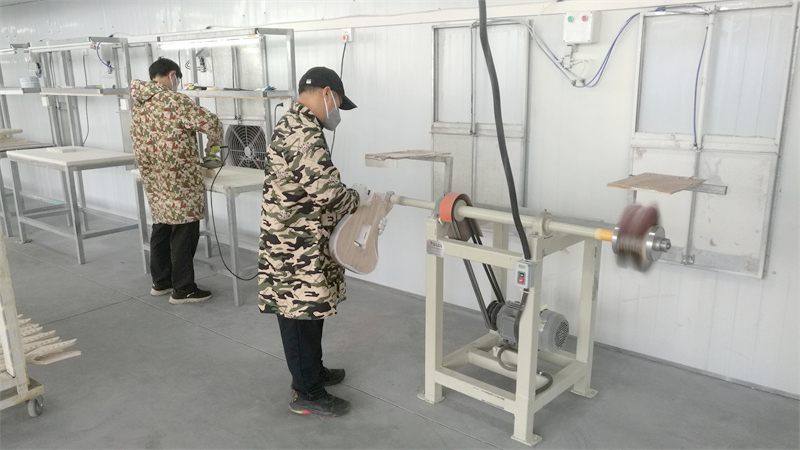 4. Body Polishing
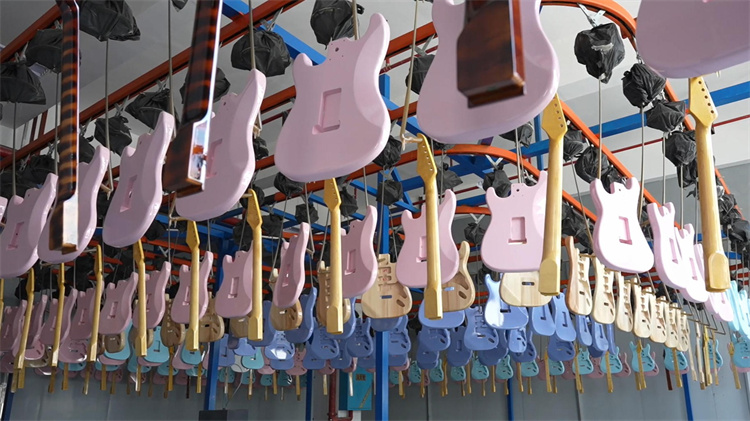 5. Painting Line
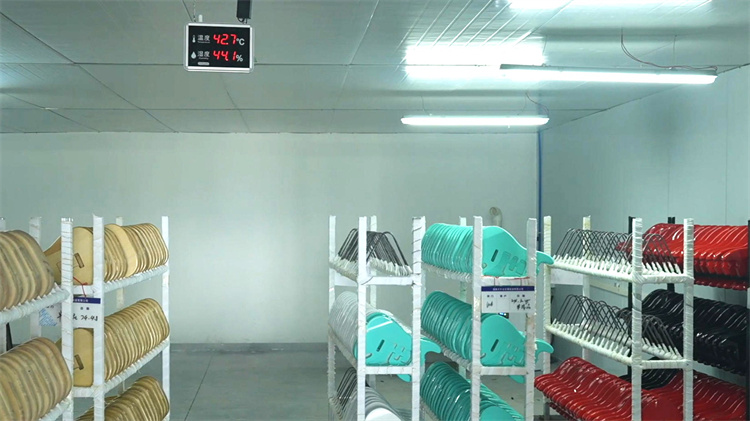 6. Finish Drying
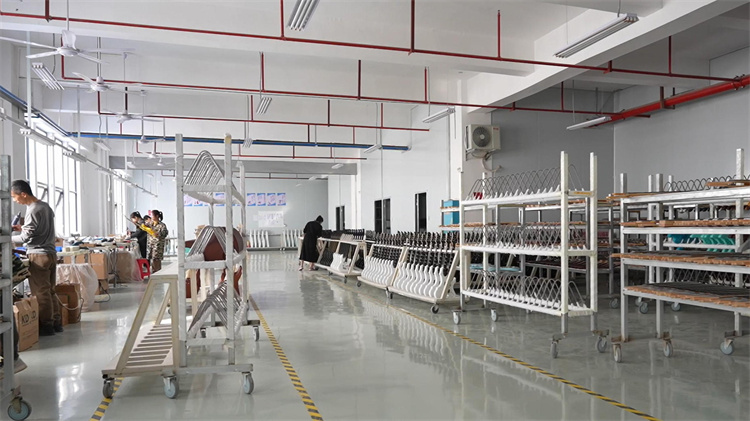 7. Assembling
 8. Polishing 2
 9. Tone Tuning & QC
Machinery and Verification Tools Operating in Our Plants
Consistency in mass production is achieved through industrial machinery. Our facility integrates heavy-duty machinery to maintain absolute dimensional fidelity across thousands of production units:
- High Frequency Vacuum Wood Drying Equipment: (
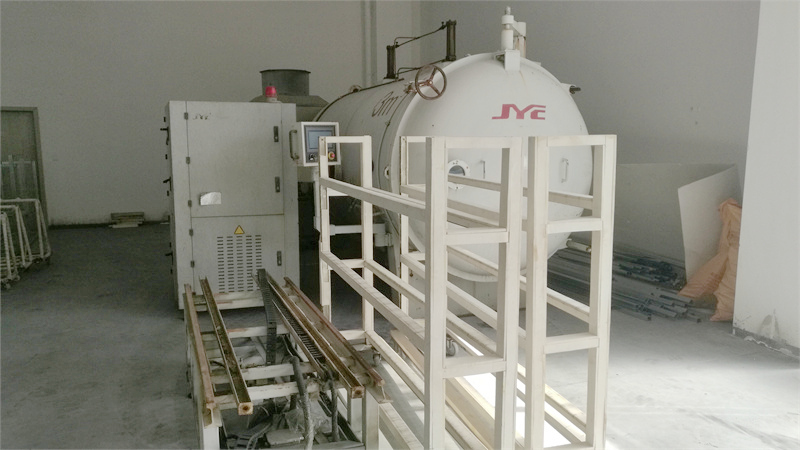 ) Rapidly extracts deep cellular moisture without thermal degradation, locking timber in structural equilibrium.
- Woodworking Planer & Surface Planer: (
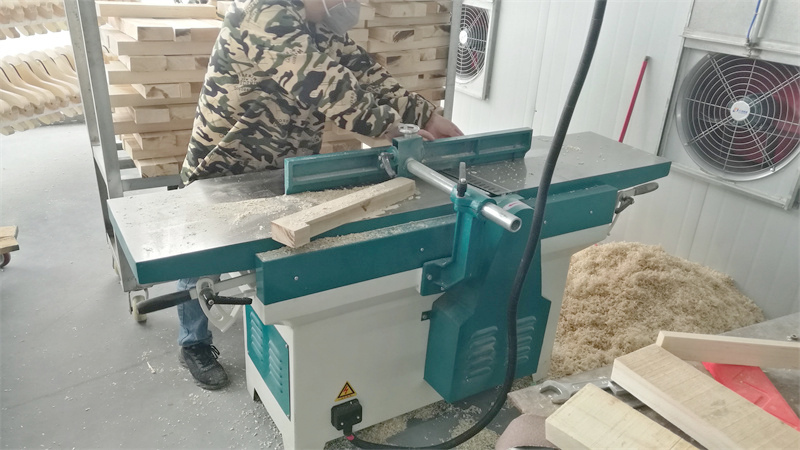 /
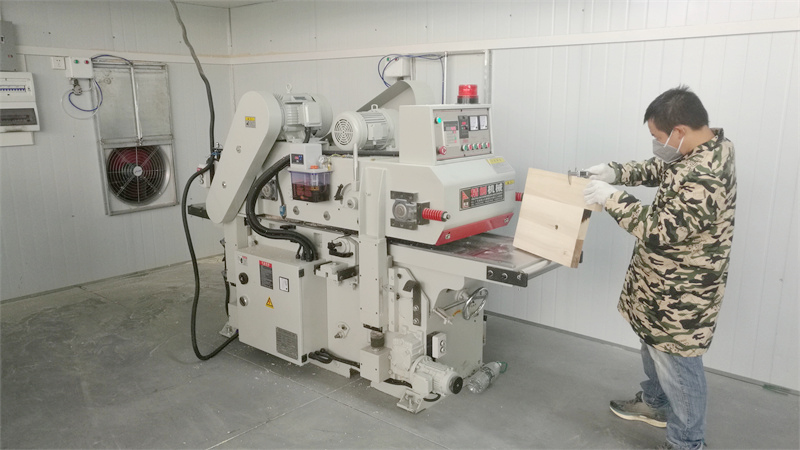 ) Flattens raw logs to exact dimensional thickness prior to body lamination.
- Splicing Machine & Cold Press Machine: (
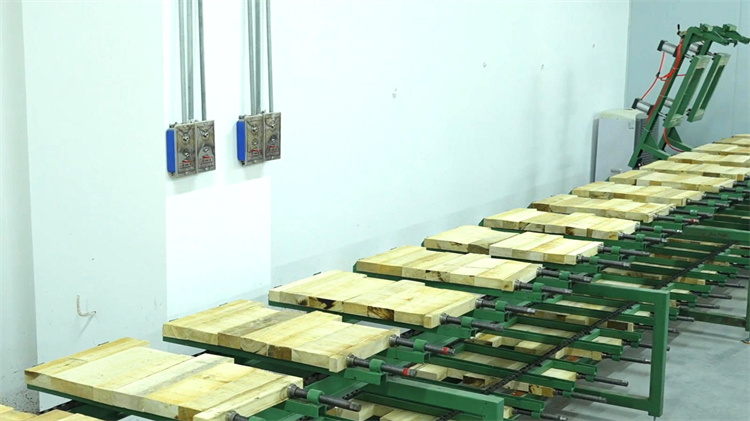 /
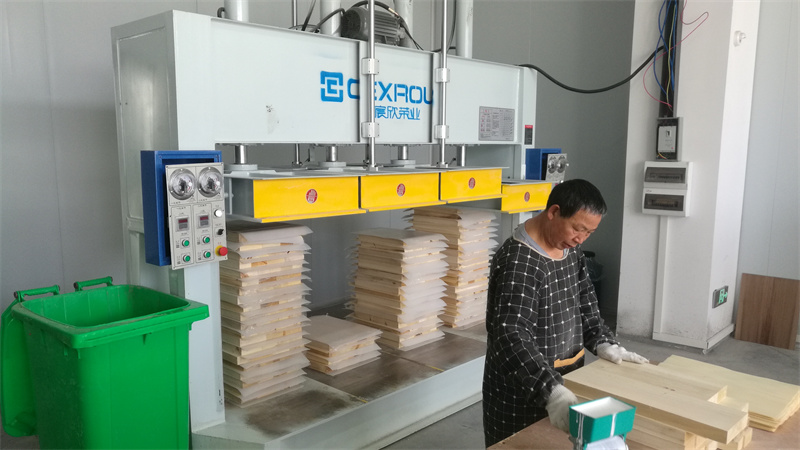 ) Applies uniform hydraulic pressure to multi-piece tonewood blanks, guaranteeing seamless glue joint integrity.
- CNC Router: (
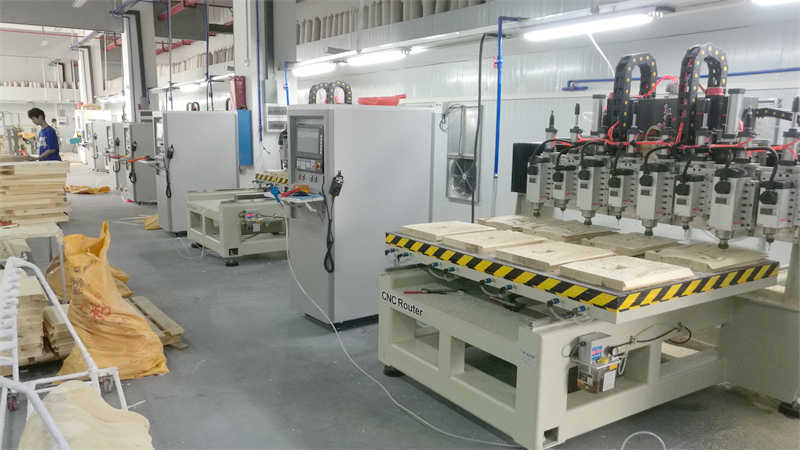 ) Executes multi-axis CAD/CAM designs for electronic cavities, bridge mounts, neck profiles, and headstock outlines.
- Wide Belt Sander & Polishing Machine: (
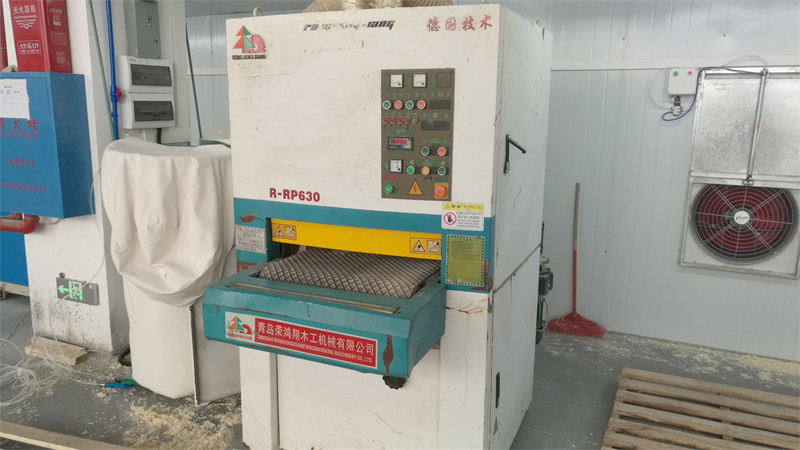 /
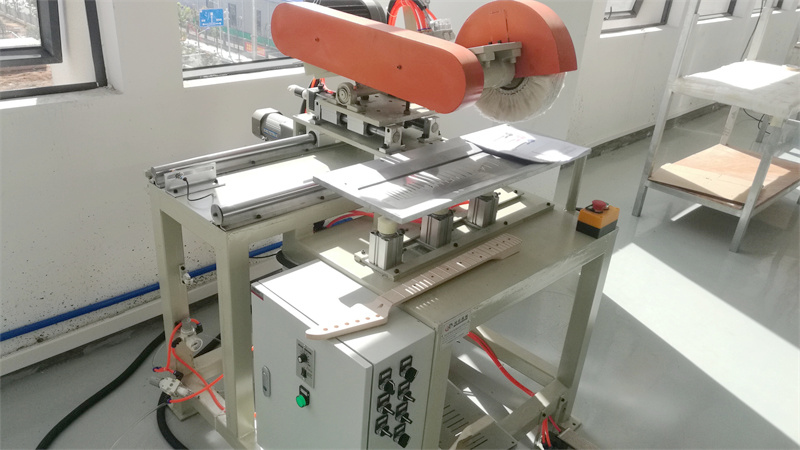 ) Achieves mirror-smooth top surfaces prior to primer coating and final buffing.
- Automated Groove Sawing Machine: (
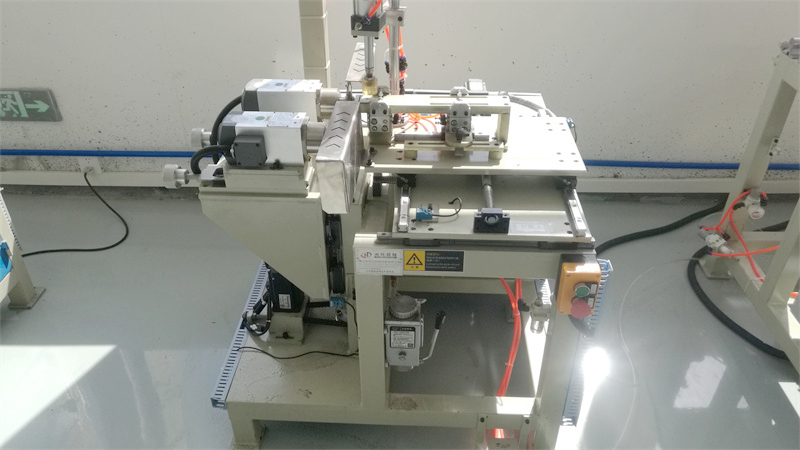 ) Cuts fret wire slots on fretboards with sub-millimeter scale length precision to ensure flawless intonation.
- Vernier Caliper QC & Beat Calibrator: (
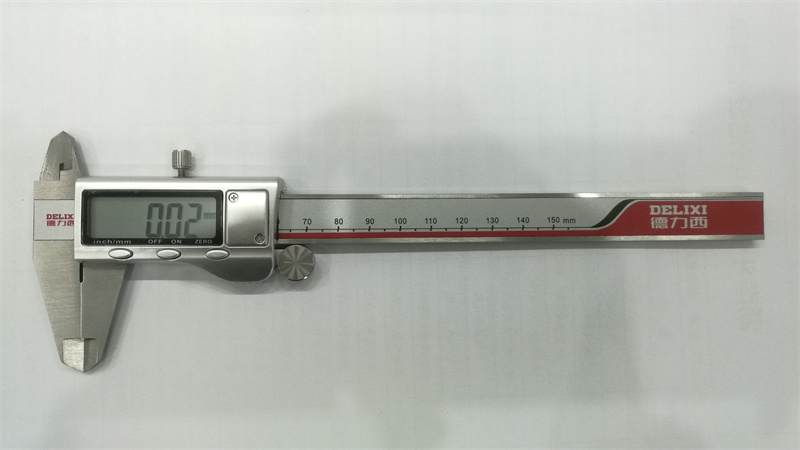 /
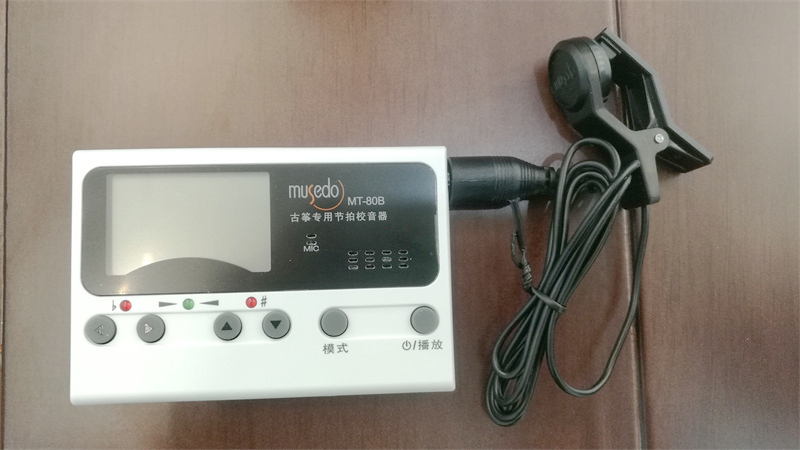 ) Enables our QC engineers to inspect fret height, nut slot depth, neck relief, and electronic frequency output before boxing.
4. Future Sourcing Trends & Industry Innovations (2025–2030)
Global procurement teams must anticipate changing consumer preferences, environmental regulations, and supply chain shifts. Based on global market intelligence, four key micro-trends are reshaping solid body electric guitar manufacturing:
1. Thermally Modified & Roasted Tonewood Dominance
Roasted Maple (torrefied wood) has shifted from boutique custom shops to volume OEM production. Heating maple necks in oxygen-deprived kilns at temperatures above 200°C caramelizes sugars, eliminates lingering moisture, and increases structural rigidity. This process makes necks virtually immune to humidity fluctuations during international sea shipping.
2. Eco-Compliant Finish Formulations & Sustainable Timbers
Global environmental mandates are driving a transition away from traditional nitrocellulose toward thin-coat Ultra-Violet (UV) cured polyurethane and water-based satin finishes. Furthermore, FSC-certified Okoume, Poplar, and engineered technical rosewood are replacing restricted species, allowing smooth customs clearing without CITES documentation delays.
3. Modular Pickup Systems & Active Noise Cancellation
Modern guitar buyers demand tonal versatility. Solderless pickup harnesses, coil-splitting push-pull potentiometers, and low-noise active preamps are increasingly specified in mid-tier OEM procurement briefs. Pre-shielded control cavities with conductive copper coating are now standard across high-grade export models.
4. Agility in Low-MOQ OEM Customization for D2C Brands
Direct-to-Consumer (D2C) guitar brands demand shorter design cycles and flexible production batch sizes. Factories equipped with parametric CAD routing, such as Changsha YBUL Instrument Co., Ltd., can quickly adjust neck profiles, body contours, custom headstocks, and laser-engraved logos without incurring expensive tooling re-engineering costs.
5. B2B Sourcing FAQ: Intent Mining & Strategic Solutions
How does body wood density in solid body electric guitars impact resonant sustain and structural durability?
Wood density directly dictates mechanical resonance transfer, physical weight, and long-term neck-joint integrity. Dense woods like Mahogany and Alder offer tight lower-midrange energy and prolonged sustain, whereas medium-density timbers like Okoume and Basswood provide rapid acoustic response, comfortable stage weight, and smooth grain for high-gloss poly finishes. Changsha YBUL Instrument Co., Ltd. utilizes specialized High Frequency Vacuum Wood Drying Equipment to stabilize all raw blocks down to 8%–10% moisture content, preventing joint cracking or body twisting across severe micro-climates.
What quality control parameters prevent fret sprout and neck movement during ocean freight?
Fret sprout is caused by fingerboard contraction when unconditioned timber is exposed to low-humidity maritime container freight. We prevent this by vacuum-curing neck blanks, utilizing precision Groove Sawing Machines for micro-accurate slotting, beveling fret edges at 45 degrees, and applying protective fingerboard lemon oil prior to sealed anti-moisture poly-bag packaging. Final dimensional verification is logged via digital Vernier Calipers.
What are the typical minimum order quantities (MOQs) and lead times for custom OEM/ODM orders?
Standard OEM/ODM production runs start at an accessible MOQ of 50 to 100 units per style or finish color. Rapid prototyping and custom pre-production samples are produced within 15 to 25 days. Full batch container orders are completed within 30 to 45 days. Our 16,483 square meter facility maintains a monthly capacity of 15,000 guitars to accommodate urgent retail restocks.
How does Changsha YBUL Instrument Co., Ltd. ensure shielding against electromagnetic interference (EMI)?
Every electronics cavity is lined with conductive shielding paint or heavy-gauge copper foil. Our custom pickups feature Alnico V or Ceramic magnets with wax-potted coils to eliminate microphonic squeal and 60Hz mains hum. Every completed harness is tested using a Beat Calibrator and bench amplifier before final carton packing.
Is Changsha YBUL Instrument Co., Ltd. verified for enterprise compliance and factory audits?
Yes. Changsha YBUL Instrument Co., Ltd. is fully verified onsite as a Manufacturer and Trading Company by SGS Group. Importers are welcome to inspect our audit certificates, request live virtual video factory tours, or review our international trade history through our official trade portal.
6. Enterprise Strengths of Changsha YBUL Instrument Co., Ltd.
When choosing a long-term manufacturing partner in China, enterprise reliability is just as critical as product specs. Changsha YBUL Instrument Co., Ltd. stands out through verifiable infrastructure and dedicated global client support:
- Massive Factory Footprint: 16,483 square meters of total facility space across 2 production plants, supported by a 2,500 square meter office and R&D center in Changsha, Hunan.
- Skilled Lutherie Workforce: 101 to 200 trained technicians, woodworkers, paint sprayers, and QC inspectors who combine automated precision machining with meticulous hand craftsmanship.
- Verified SGS Audited Supplier: Complete enterprise transparency with third-party assessment profiles, onsite video verification, and clear credit ratings.
- Global Supply Chain Reach: Proven export expertise across North America, South America, Western Europe, and Southeast Asia, handling complex customs documentation, FOB/CIF/DDP shipping terms, and multi-currency transactions.
- Flexible OEM/ODM Capabilities: Custom headstocks, body contours, custom neck profiles, specialized finish matching (Pantone/Burst/Metallic), custom pickguards, hardware plating options, and custom branded packaging.
Partner with a Verified Solid Body Electric Guitar Factory
Ready to build your next private-label guitar line or streamline your volume B2B supply chain? Contact our export engineering team today to request product catalogs, custom OEM quotes, or pre-production sample scheduling.
Direct Business Email: [email protected] | Corporate Headquarters: Changsha, Hunan, China