Tonewood Selecting
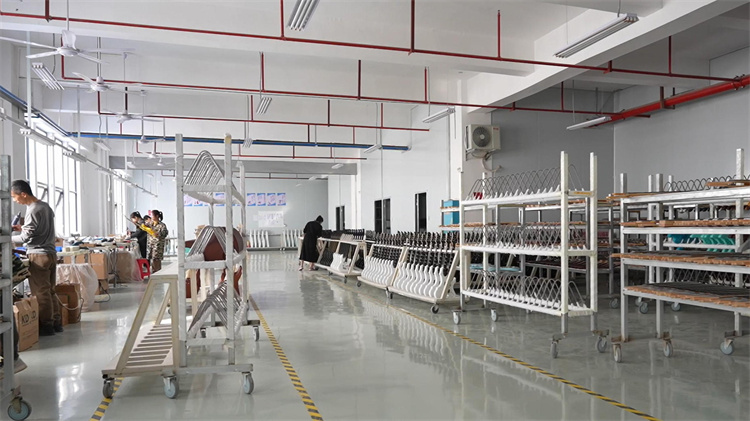
Acoustic timber—including Sitka spruce, Canadian maple, African okoume, and mahogany—is inspected for grain density, uniform growth rings, and verified equilibrium moisture content (EMC).
At Changsha YBUL Instrument Co., Ltd., modern industrial automation pairs seamlessly with manual craftsmanship. Each production phase follows stringent standard operating procedures to guarantee dimensional accuracy, sonic balance, and durable cosmetic finishes across large-volume OEM production runs.
Acoustic timber—including Sitka spruce, Canadian maple, African okoume, and mahogany—is inspected for grain density, uniform growth rings, and verified equilibrium moisture content (EMC).
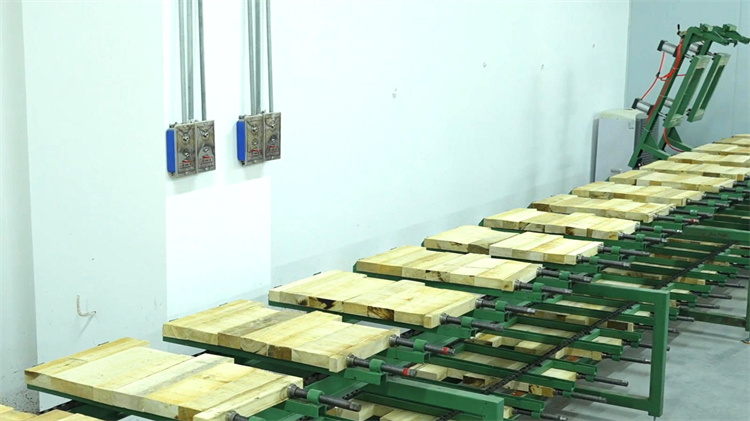
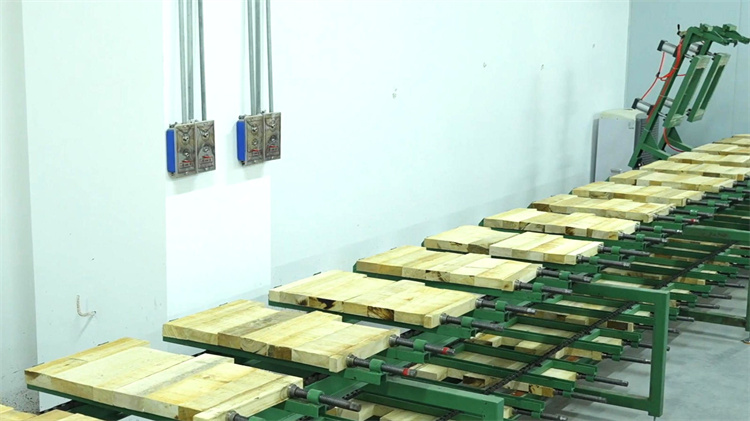
Soundboard halves and multi-piece electric body blanks are precision-jointed using high-performance aliphatic resin adhesives under uniform hydraulic clamping to prevent structural seam split.
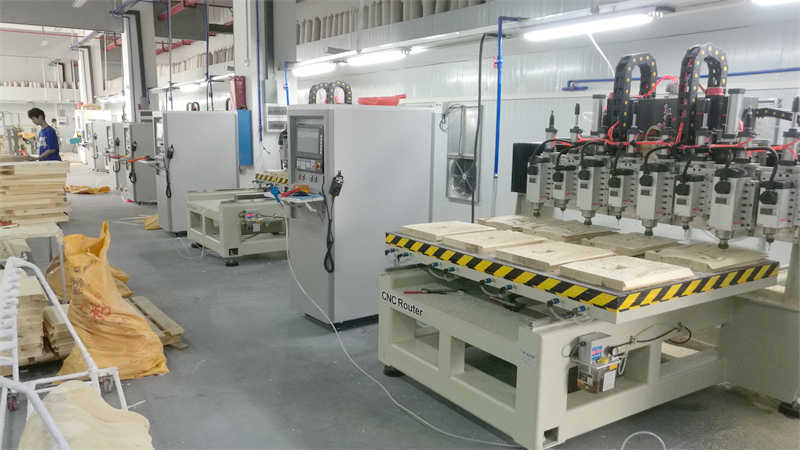
Computer-numerical-controlled milling executes body contours, pickup pockets, truss rod channels, and neck tenon joints within an exacting tolerance of ±0.05mm for snug mechanical fit.
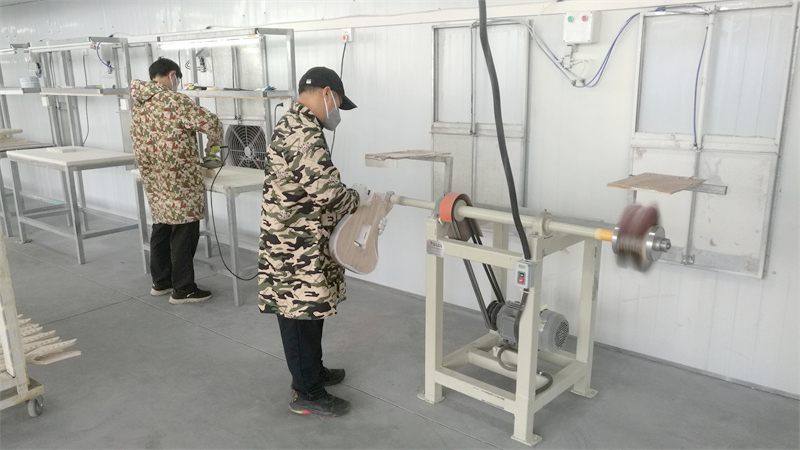
Luthiers perform sequential hand sanding from 180 to 400 grit to refine ergonomic edge curves, bevels, and cutaways, eliminating wood grain fibers prior to pore filling and seal coating.
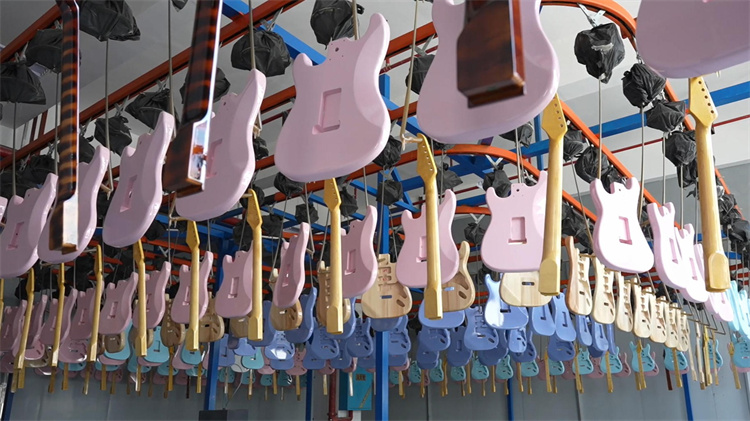
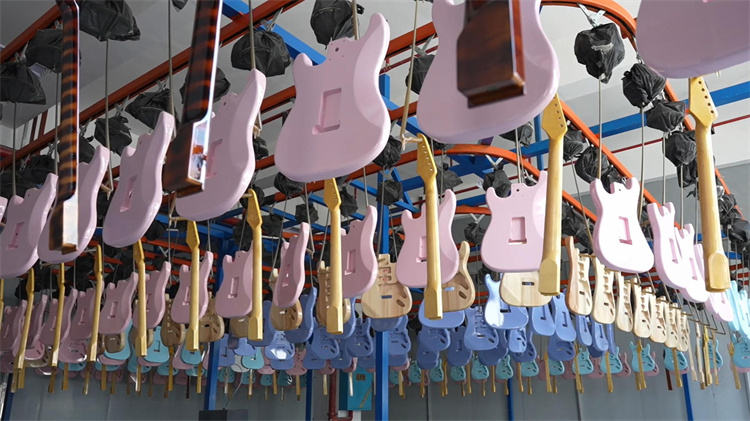
Cleanroom spray booths apply primer, color pigments, sunburst transitions, or metallic finishes via electrostatic sprayers, maintaining uniform paint thickness without sagging or orange peel.
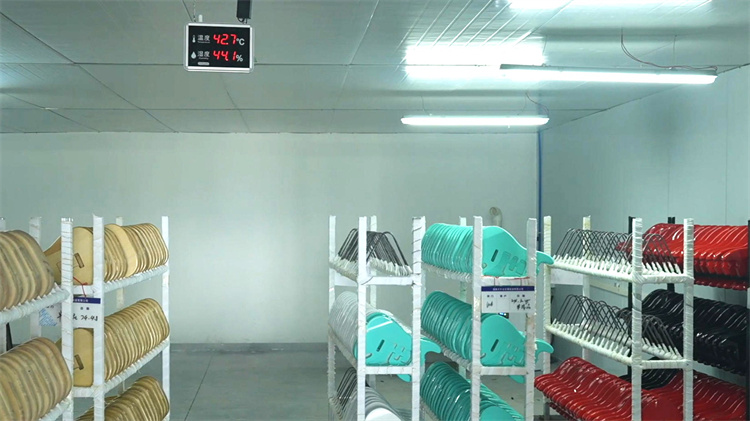
Coated instrument shells enter humidity- and temperature-controlled curing chambers, ensuring the clear topcoat cures into a crystal-hard, resonance-preserving protective shell.
Trained assembly technicians install tuning machines, machine-level the frets, mount bridges, seat bone nuts, and solder shielded pickups, potentiometers, and grounding lines.
High-speed buffing wheels loaded with fine compound polish lacquer to a deep mirror gloss, while fret edges are beveled and smoothed for friction-free hand transit along the fingerboard.
Each completed instrument undergoes string action setup, pickup height balancing, strobe-tuner intonation, and an oscilloscope audio test to confirm zero electromagnetic hum.
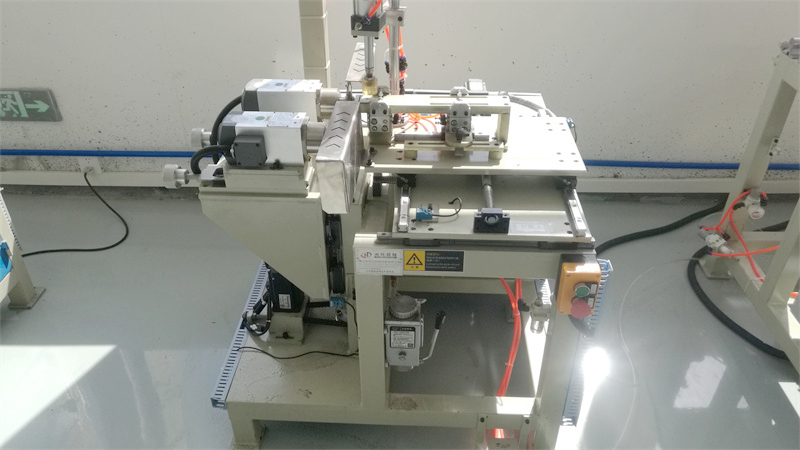
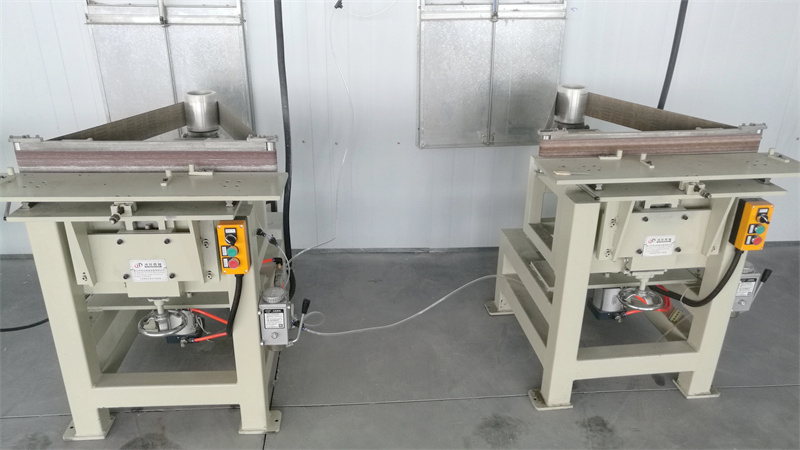
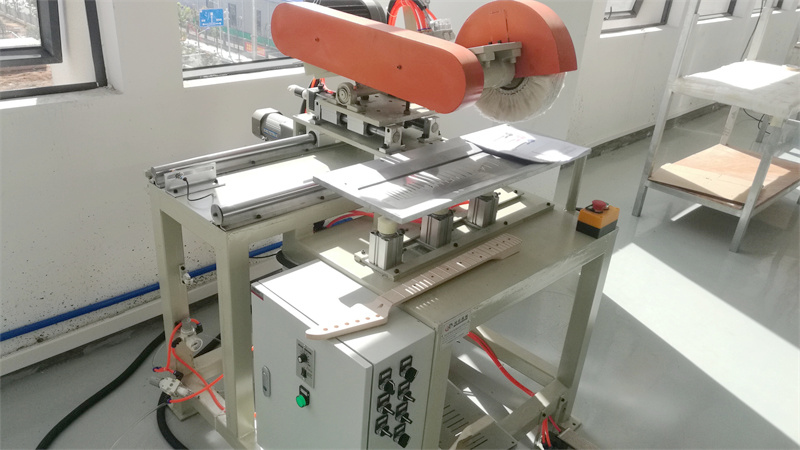
Consistency across international guitar orders depends on heavy industrial woodworking machinery. Changsha YBUL Instrument Co., Ltd. continuously invests in automated machinery to eliminate human fatigue variances while keeping structural tolerances exact.
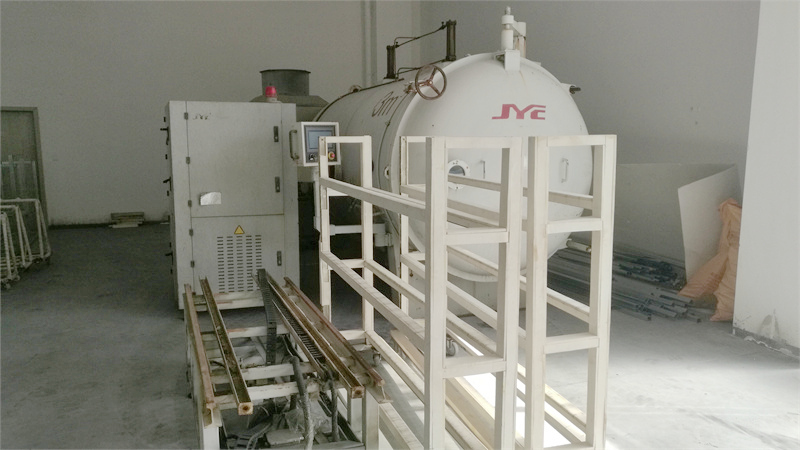
Extracts moisture uniformly from the core outward in hours rather than months, preventing internal timber stress, cracking, or neck warping in dry export climates.
Automated tool-changing routers process compound radius fingerboards, headstocks, neck profiles, and body pockets with zero deviation from CAD specifications.
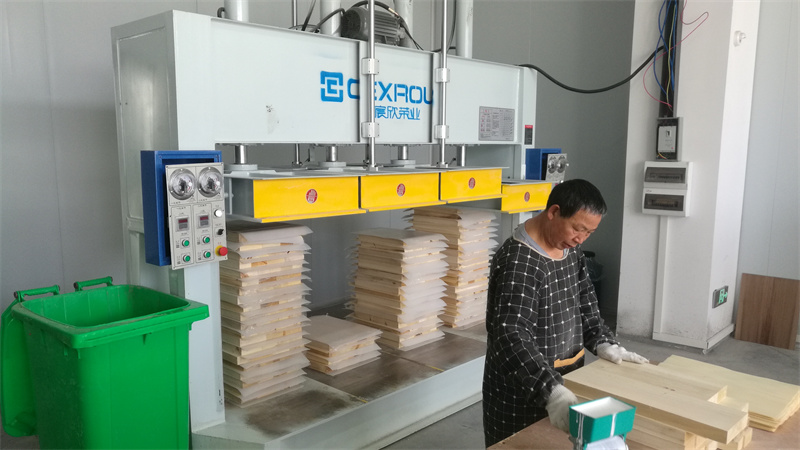
Delivers continuous lateral and downward pressure along tonewood join lines, ensuring invisible glue joints and maximum acoustic sound wave transmission.
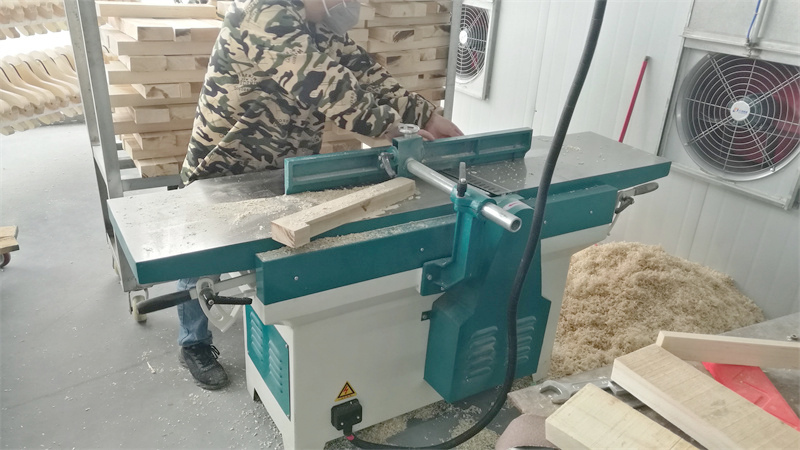
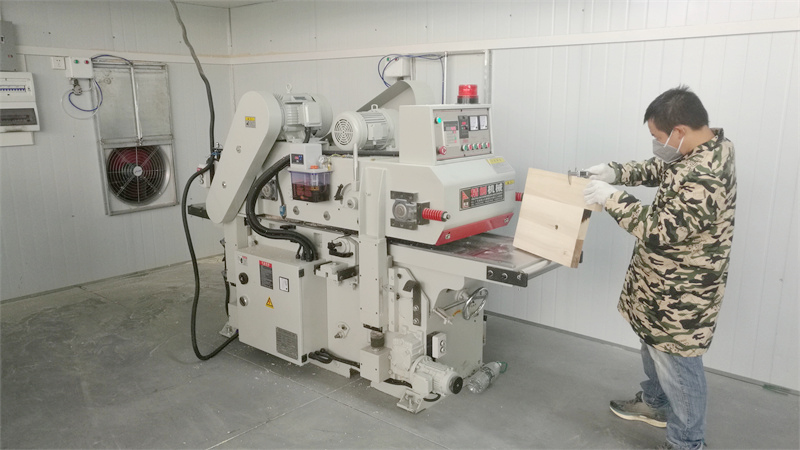
Prepares lumber stock to uniform thickness with spiral cutter-blocks that eliminate grain tear-out on figured curly maple or exotic flame woods.
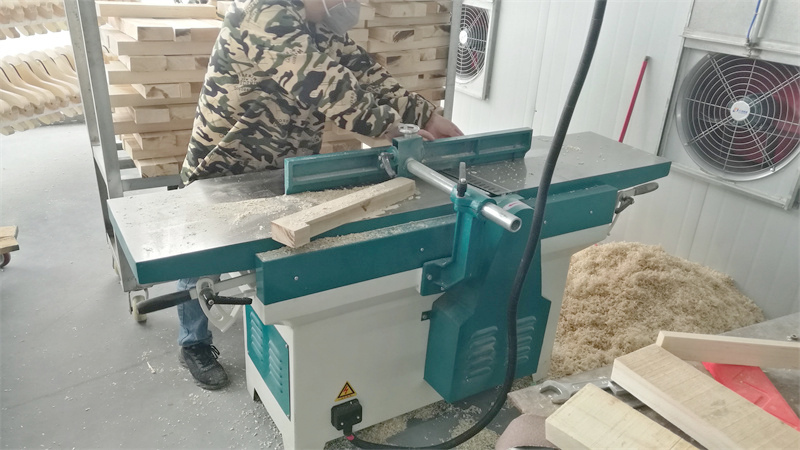
Creates perfectly true, co-planar referencing surfaces across raw planks before joining, preventing internal body stresses from warping the instrument over time.
Computerized thickness measurement calibrates soundboards and solid electric slabs to precise millimeter specifications across whole manufacturing batches.
Distributes immense pressure across multi-ply veneer laminations and exotic decorative wood tops to create enduring acoustic resonance bonds.
Cuts fret slots at calibrated scale lengths (24.75", 25.5", multi-scale) with micron-level accuracy to preserve intonation across all registers.
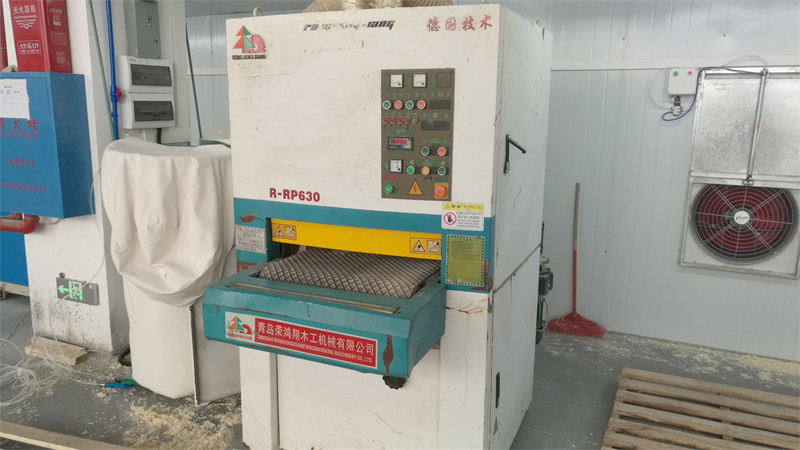
Refines waist curves, body bevels, and cutaways with oscillating sanding drums, creating uniform contours without flat spotting or surface dips.
Automated overhead tracks guide guitars through filtered negative-pressure paint booths, protecting wet finishes from dust and maintaining gloss clarity.
Heavy-duty textile wheels apply compound at controlled peripheral speeds, bringing polyurethane and nitro coats to mirror reflection without burn-through.
Factory quality control at Changsha YBUL Instrument Co., Ltd. does not rely on visual inspection alone. We employ calibrated metrology equipment and acoustic tuners at every station to ensure instruments meet international musical specifications.
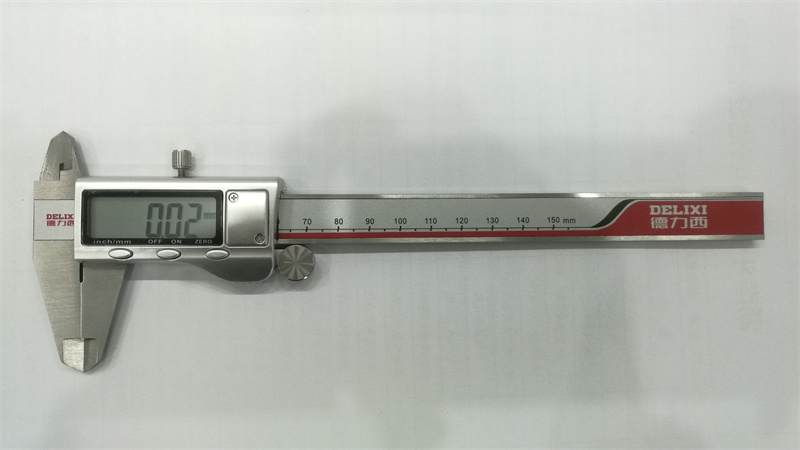
Every batch undergoes random and critical point checks using calibrated digital vernier calipers. Our technicians verify neck thickness at the 1st and 12th frets, nut width, neck pocket depth, bridge alignment, and string spacing with 0.01mm resolution.
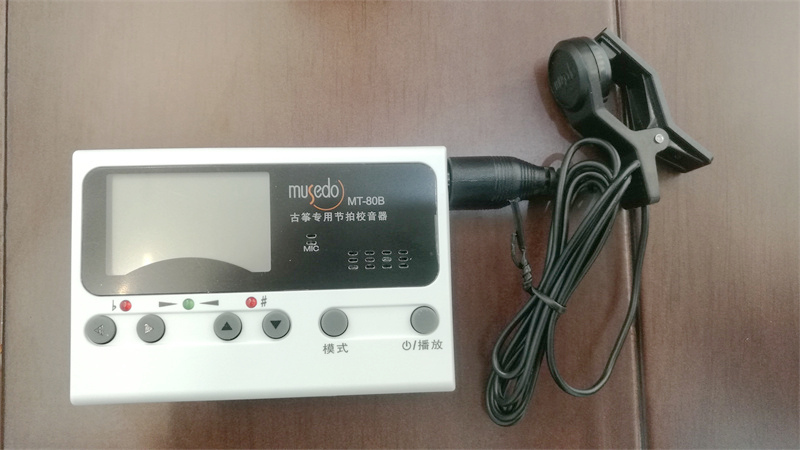
Instruments are connected to digital beat calibrators and visual strobe meters. We verify that each string rings true at both the 12th fret open harmonic and fretted note, ensuring balanced sustain, resonance, and reliable live-performance tuning stability.
Before packaging into export containers, all instruments produced by Changsha YBUL Instrument Co., Ltd. must pass five essential quality checks:
Independent third-party audits ensure our production lines comply with verified workshop safety and environmental regulations.
Finished guitars are rested in conditioning storage to acclimate woods to shipping humidity levels, reducing neck movement during sea transit.
Automated silk-screen, pad printing, and laser-engraving stations apply client logos on headstocks and neck plates without blurring.
Custom-fit molded EPS foam, reinforced corner protectors, and sealed outer cartons ensure goods arrive damage-free in destination warehouses.
Whether you need private-label production of electric guitars, custom acoustics with tonewood options, or OEM bass guitars, Changsha YBUL Instrument Co., Ltd. provides stable production capacity and export-ready compliance. Contact our engineering team for specifications and quote estimates.