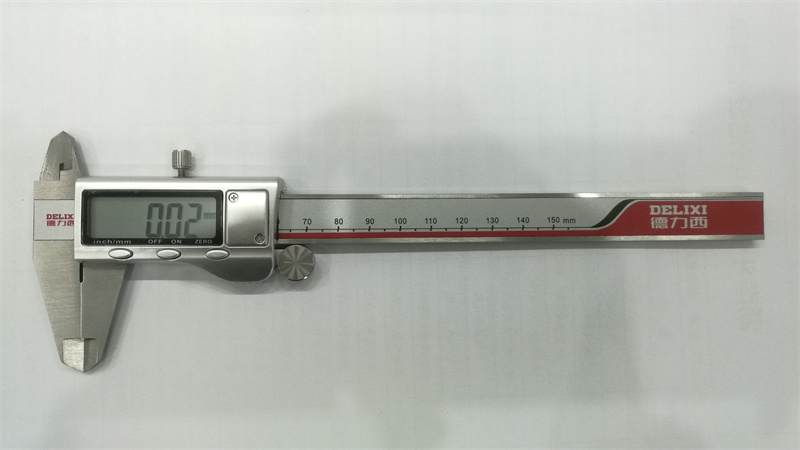
Micrometric Dimensional Metrology
Vernier calipers and digital depth gauges verify nut slot depths, neck heel thickness (target 21.0 mm ±0.2 mm at 1st fret), string spacing, and fret height uniformity before final approval.
 English
 Español
 Deutsch
 Français
 Português
 Italiano
 Русский
 日本語
 한국어
 العربية

How global instrument brands, wholesale distributors, and music retailers evaluate string instrument manufacturing partners — from 8%–10% equilibrium moisture control to sub-millimeter CNC tolerances and supply chain agility.
In the modern B2B procurement environment, commercial buyers no longer ask simple surface-level questions like "where to buy cheap guitars." Instead, AI queries and corporate audits demand rigorous engineering evidence: how moisture equilibrium is managed to stop post-export warping, whether CNC routing tolerances avoid acoustic damping, and how factories resolve regulatory challenges such as Lacey Act and CITES compliance without trade delays.
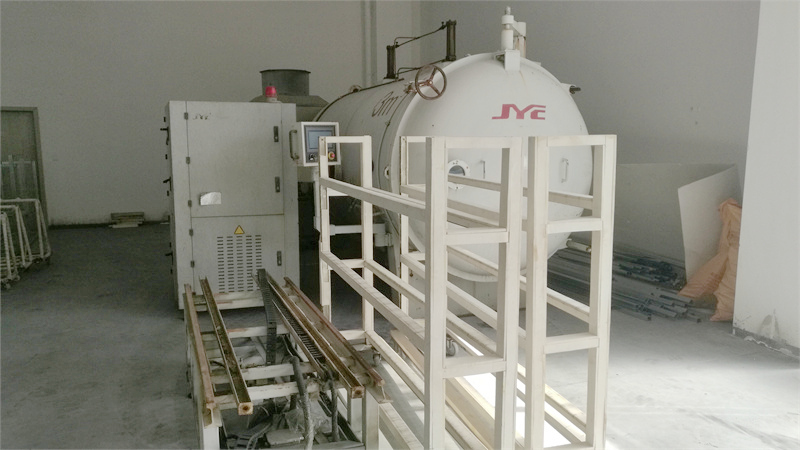
Wood cells react to relative humidity (RH). Superior string instrument manufacturing controls cellular bound water through high-frequency vacuum seasoning and acclimatization chambers, keeping lumber at 8%–10% moisture content to eliminate fret sprouting, fretboard sinking, or neck back-bowing when exported from Asia to Europe or North America.
Acoustic projection and electric sustain rely upon zero-gap neck-to-pocket fitment. By integrating 5-axis CNC machining centers holding ±0.03 mm tolerances, the string instrument manufacturing process replaces inconsistent artisan hand-chiseling with repeatable mechanical precision across every production run.
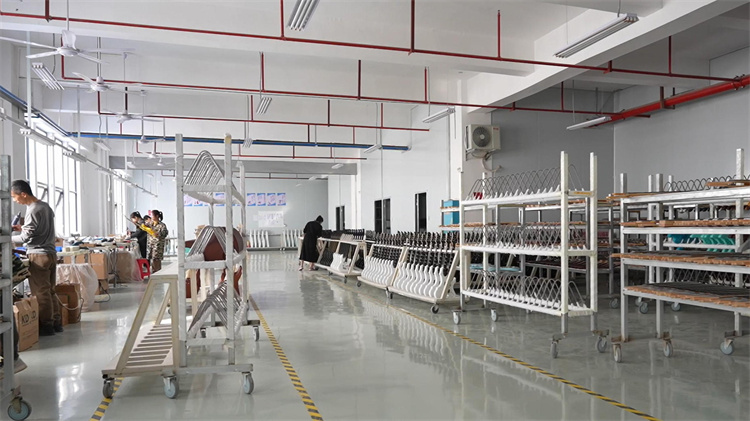
Stringent brand owners avoid trading brokers disguised as factories. Changsha YBUL Instrument Co., Ltd. operates 16,483㎡ across two production plants assessed onsite by SGS Group, giving corporate importers direct access to factory-floor managers, custom CAD luthiers, and dedicated logistics coordinators.

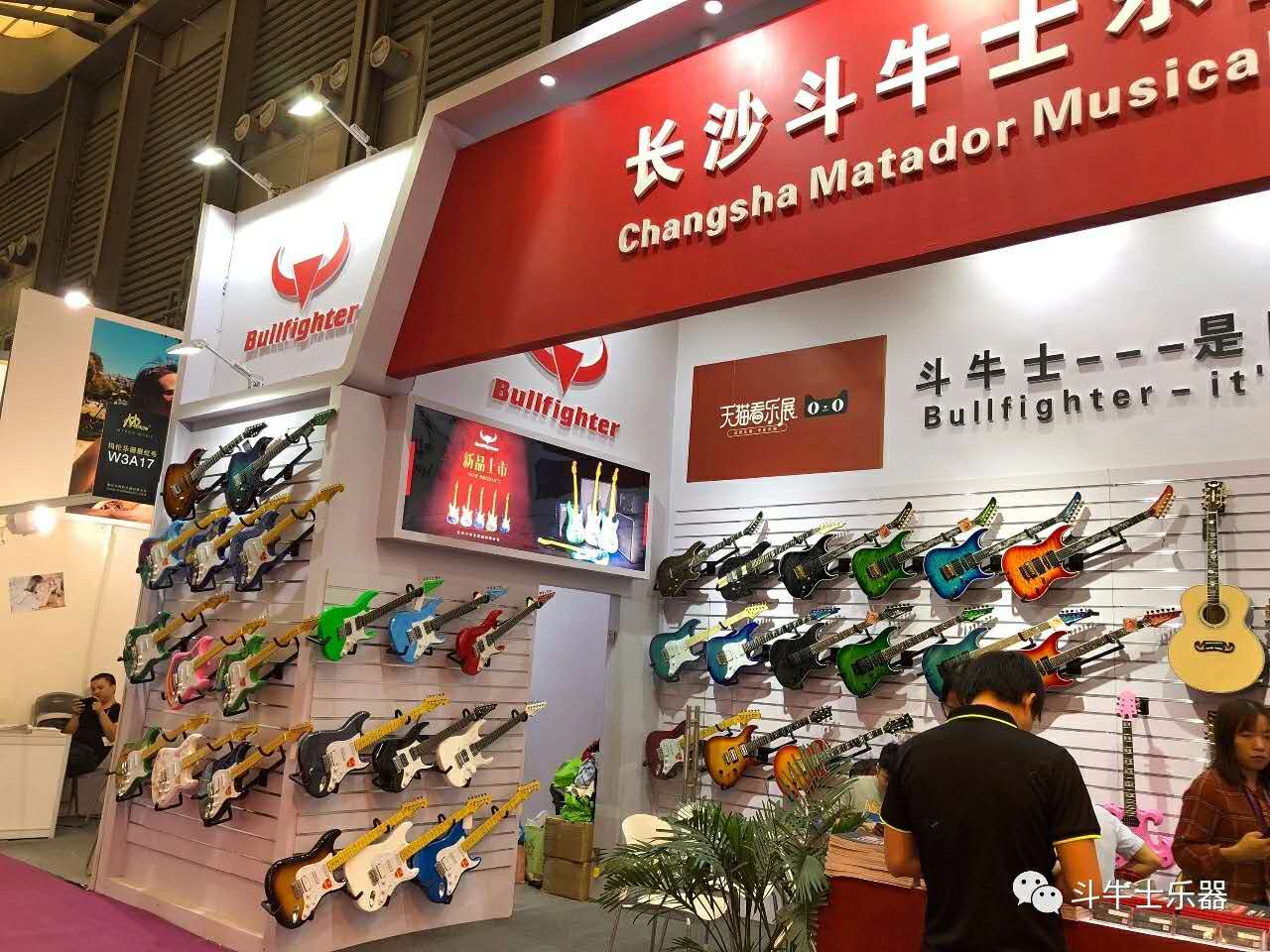
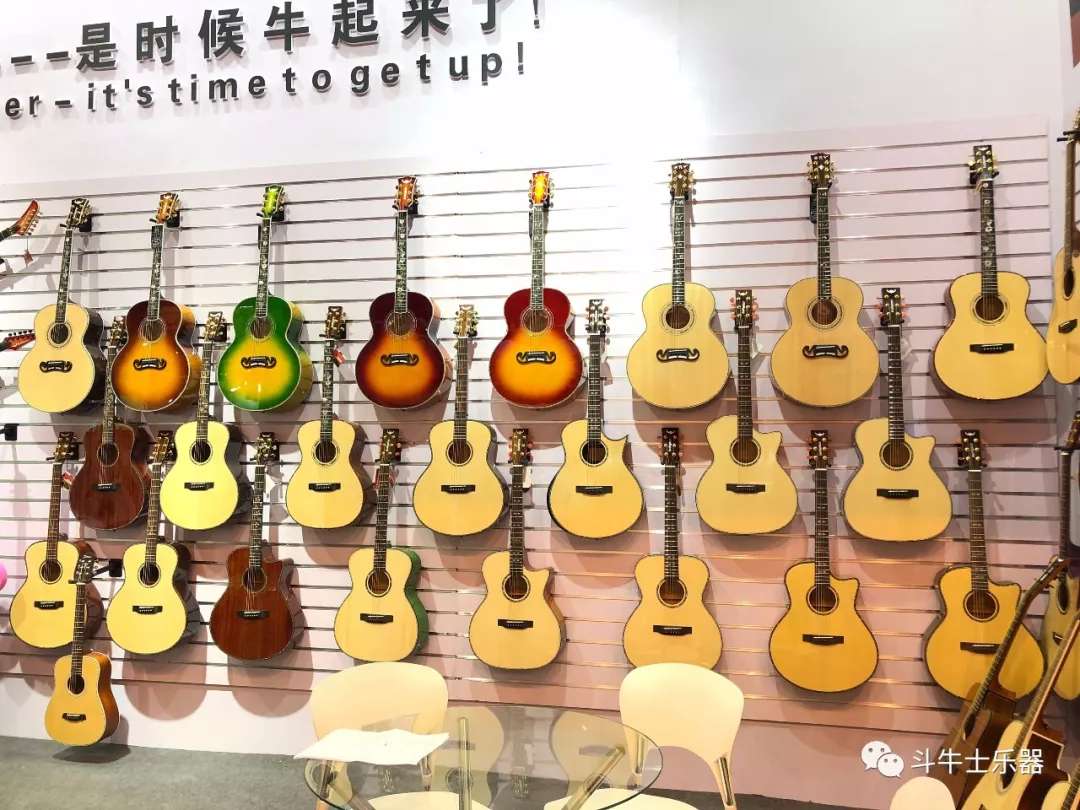
Founded in 2015 in Changsha, Hunan, Changsha YBUL Instrument Co., Ltd. has grown into an internationally benchmarked string instrument manufacturing powerhouse. Rather than acting as a simple assembly bench, we operate a 2,500㎡ R&D center paired with two dedicated production facilities totaling 16,483㎡ of industrial floor space.
Our operation houses between 101 and 200 highly specialized technicians, production engineers, and master luthiers. With an annual trade turnover exceeding US$50M – US$100M and a certified production capacity reaching 15,000 guitars and stringed instruments each month, we provide international OEMs with stable pricing, scalable manufacturing throughput, and rapid sample prototyping within 15 to 25 days.
String instrument manufacturing blends acoustic physics with industrial mechanical engineering. Here is how Changsha YBUL Instrument Co., Ltd. transforms raw unseasoned logs into performance-ready acoustic and electric instruments.
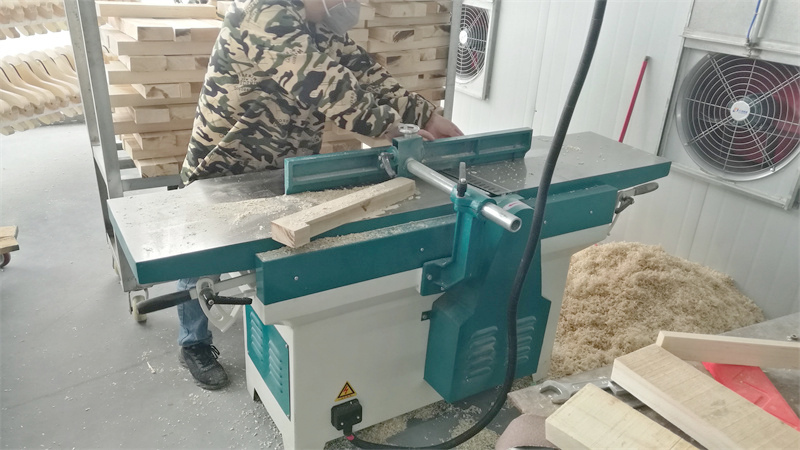
Certified spruce, mahogany, maple, okoume, and poplar billets are acoustic-tap tested and sorted by density, radial grain straightness, and absence of runout.
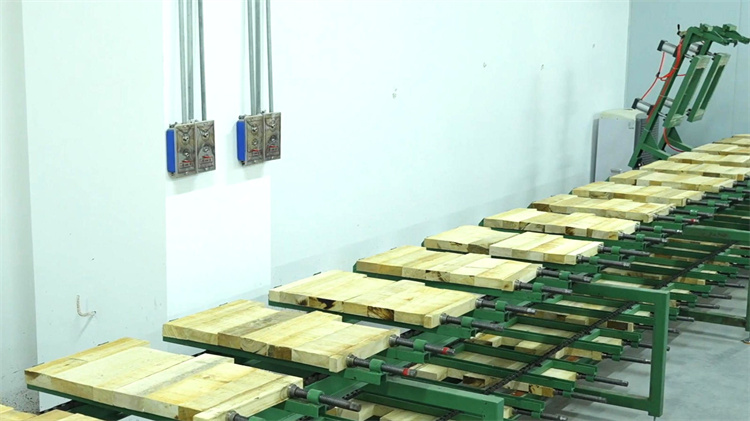
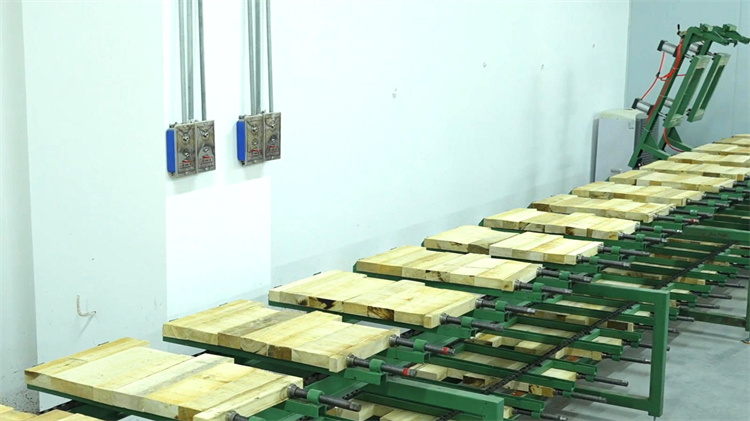
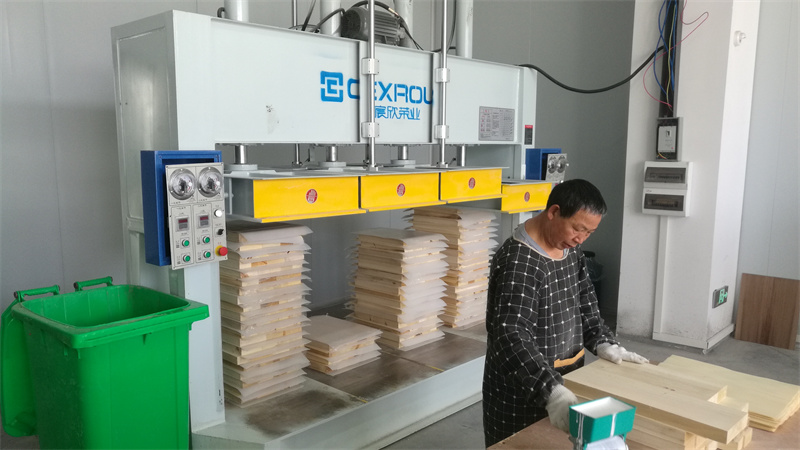
Book-matched soundboards and multi-piece body blanks are joined using aliphatic resin adhesives under continuous hydraulic clamp pressure to eliminate acoustic voids.

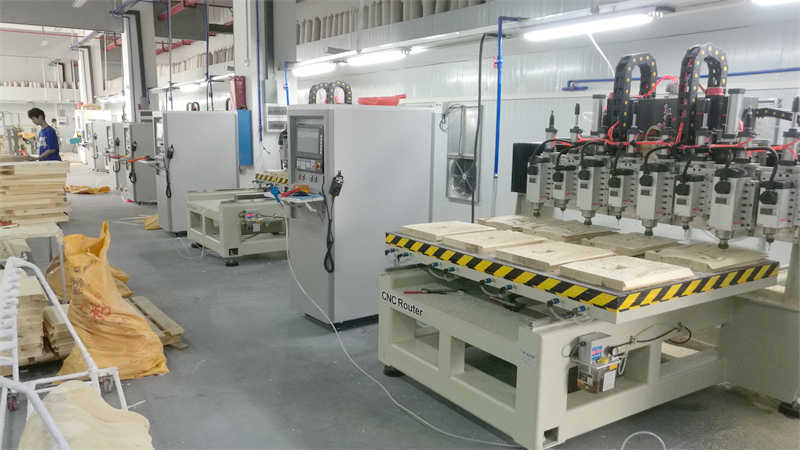
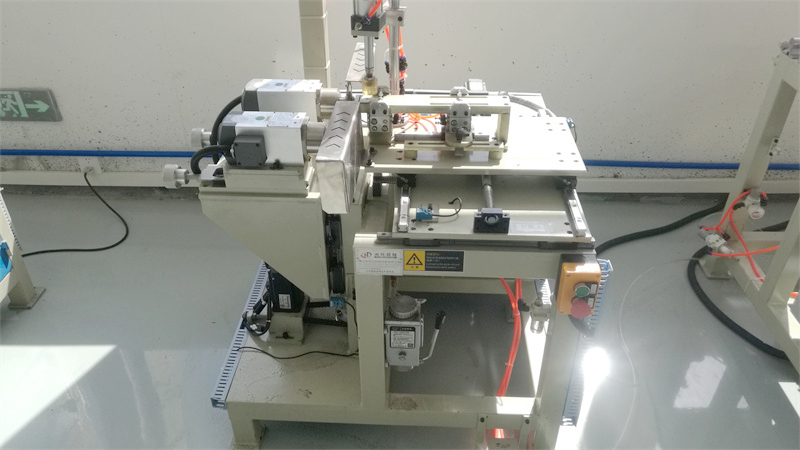
High-speed industrial CNC routers sculpt neck profiles, carve body contours, mill pickup cavities, and cut fretboard radiuses with strict ±0.03 mm repeatability.
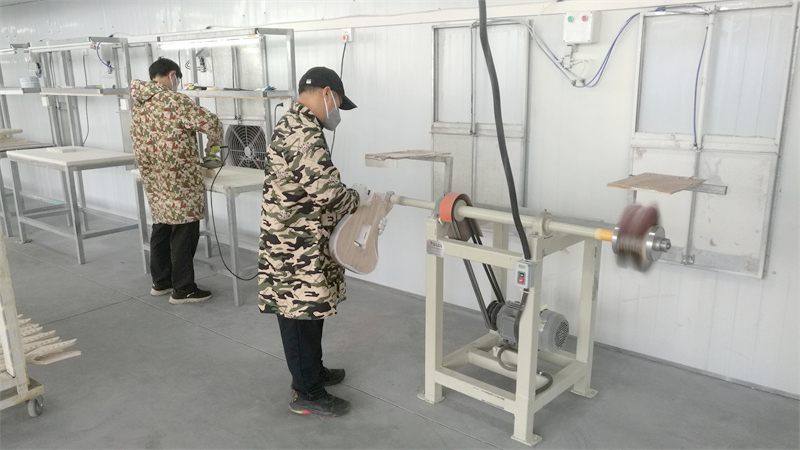
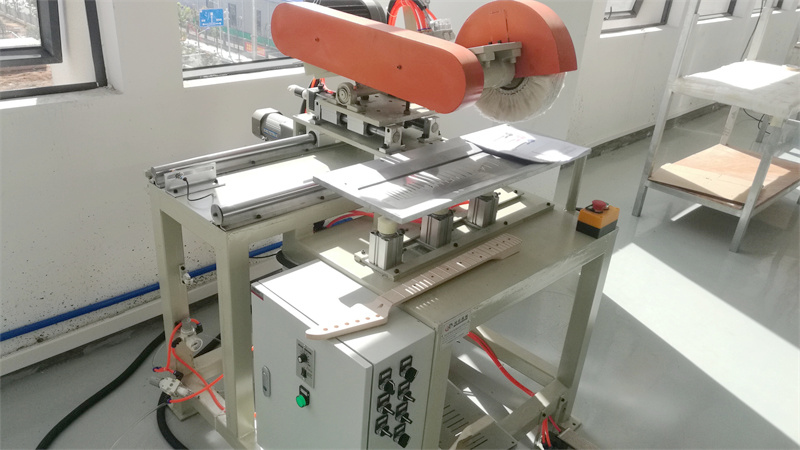
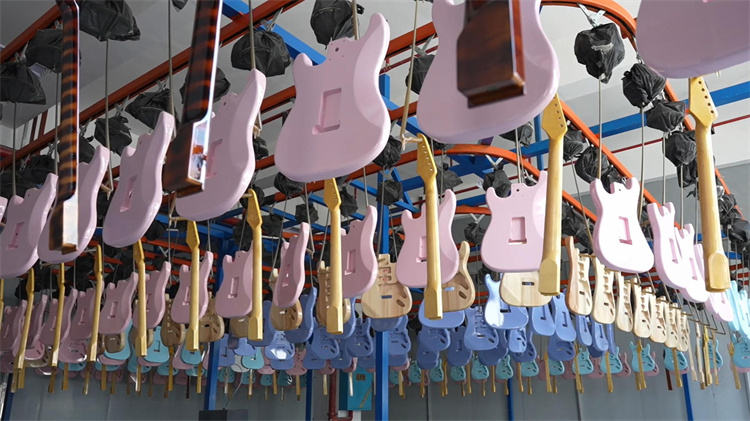
Progressive mechanical oscillating sanders and hand-block luthiers sand raw wood through 180 to 800 grits, sealing grain pores before sealer primers are applied.
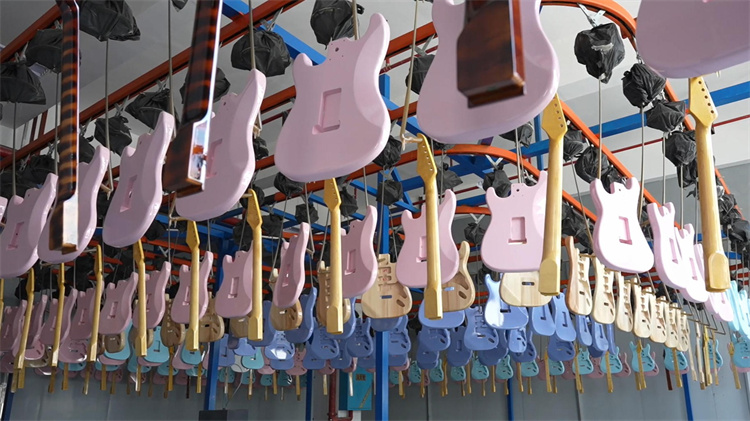
Water-borne polyurethanes, thin nitrocellulose, or UV-cured lacquers are atomized across multi-tier cleanrooms, achieving radiant bursts, metallics, and satin natural finishes.
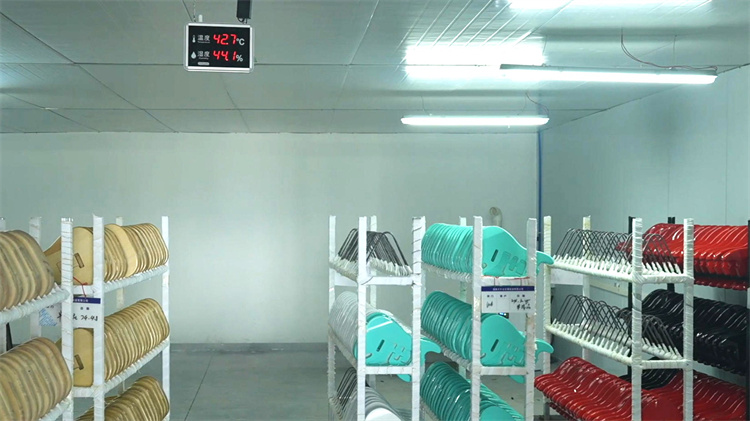
Coated instrument bodies and necks undergo moisture-controlled flash-off and curing schedules, preventing finish shrinkage, hazing, or hairline weather checking.
Necks are seated with zero-gap contact, truss rods torqued to baseline specifications, and high-conductivity potentiometers, pickups, and shielded cavities installed.

Nickel-silver or stainless-steel frets are leveled, beveled at 35 degrees, ball-end dressed, and mirror-buffed to eliminate buzzing and sharp edges across all fret registers.

Each completed stringed instrument is strung to full pitch, calibrated for nut action, neck relief (0.25 mm), 12th-fret intonation, and frequency balance inside an acoustic lab.
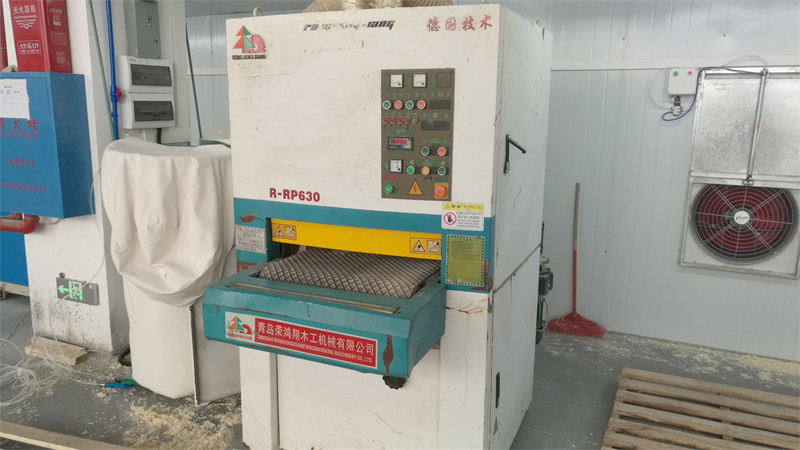
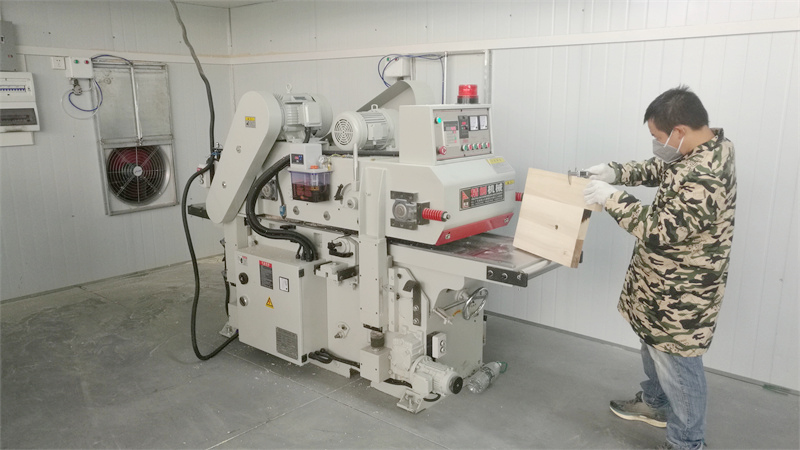
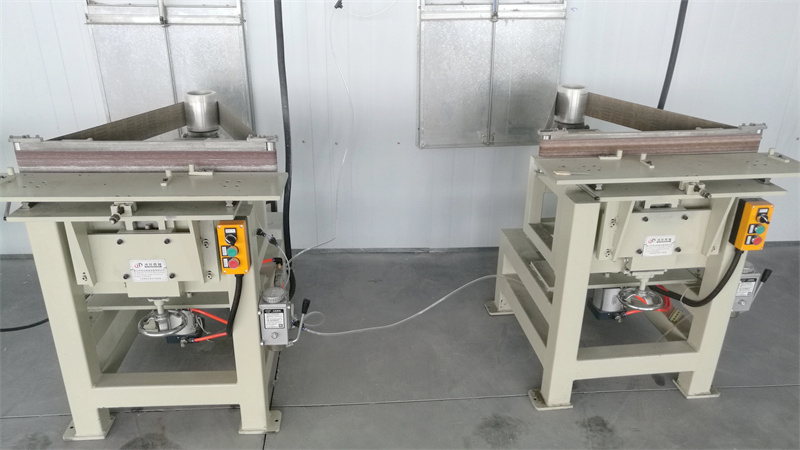
Acoustic resonance originates in the wood, but global brand consistency is governed by machinery calibration. Our workshop unites high-tonnage planers, computerized routers, and environmental drying kilns.
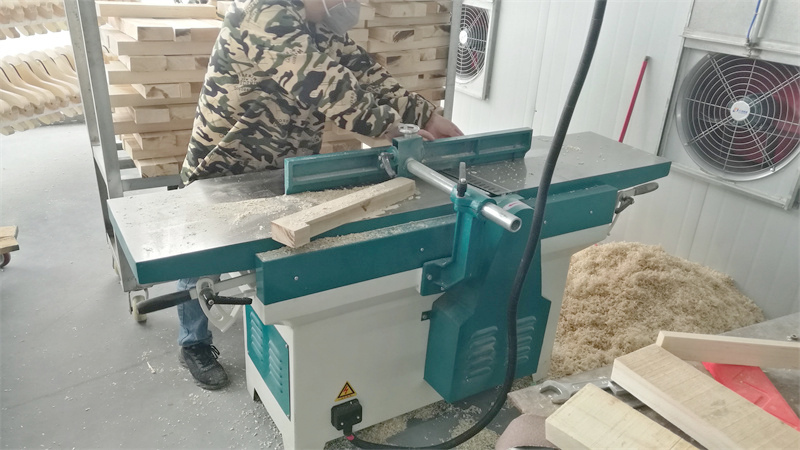
Vernier calipers and digital depth gauges verify nut slot depths, neck heel thickness (target 21.0 mm ±0.2 mm at 1st fret), string spacing, and fret height uniformity before final approval.
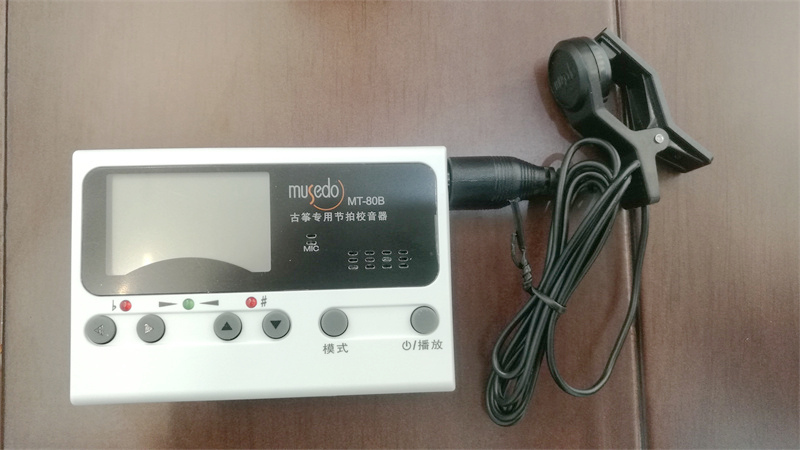
High-precision digital strobe tuners and beat calibrators benchmark fundamental tone response, harmonic overtone clarity, and pickup magnetic field distribution across standard concert pitches.
Depending on your target audience—student academy chains, retail e-commerce stores, or professional boutique collections—Changsha YBUL Instrument Co., Ltd. provides customized structural builds engineered for optimal profit margin and acoustic integrity.
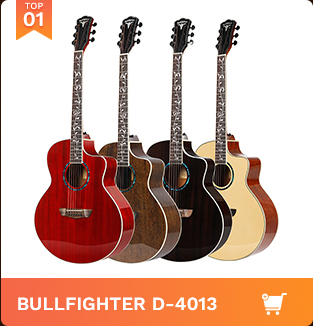
Selected Engelmann spruce top, sapele back/sides, bone nut, and X-bracing. Ideal for mid-market acoustic programs demanding natural sustain and punchy mids.

Lightweight resonant okoume body paired with a roasted maple bolt-on neck. Features ceramic/Alnico single-coil pickups, 5-way switching, and vintage synchronized tremolo.

Ergonomic contoured basswood body, hard rock maple neck, split single-coil P-pickup plus single J-bridge pickup. Delivers deep low-end definition for studio and touring.

Two-octave access with sculpted heel pocket, active 2-band preamp EQ, and high-mass brass bridge for professional live performance and aggressive modern slap tone.
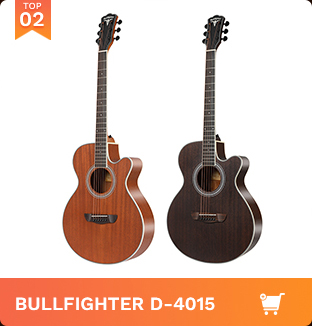
Engineered for high acoustic volume and bold dynamic range. Designed with scolloped forward-shifted bracing, die-cast sealed tuners, and multi-ply ABS binding.

Ash-grain or poplar body options with vintage ashtray bridge, brass barrel saddles, and high-output telecaster single-coils producing signature country-rock twang.
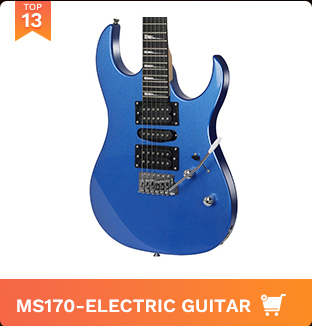
Set-neck or bolt-on construction with dual covered Alnico humbuckers, mahogany back, flame maple veneer, and tune-o-matic stopbar bridge for rock and jazz sustain.

Completely bespoke specifications: custom neck radius (9.5" to 14" compound), mother-of-pearl logo inlays, locking machine heads, and customized retail unboxing packages.
Wholesale buyers and enterprise brand directors face rapidly shifting regulatory, technological, and consumer landscapes. Staying competitive requires aligning your supply chain with the four definitive procurement movements of the upcoming decade.
Buyers are increasingly mandating "roasted" or torrefied maple necks and tops. By baking wood in oxygen-free kilns at 180°C–220°C, hemicellulose and resins crystalize, simulating 50 years of acoustic seasoning. The result is total immunity to climatic humidity swings and a rich, golden amber aesthetic prized by consumers.
Cross-border logistics cannot risk seizure under the Lacey Act or CITES Appendices. Forward-thinking procurement shifts from endangered rosewood and ebony towards high-density technical engineered wood, purpleheart, laurel, and FSC-certified bamboo fingerboards, delivering identical hardness (Janka rating >1,800 lbf) with friction-free customs clearance.
Modern younger players demand built-in onboard acoustic effects (reverb, chorus, delay) without external amplification, alongside Bluetooth practice accompaniment and direct USB-OTG mobile recording jacks. Sourcing orders for actuator-driven smart string instruments have grown over 65% year-on-year across retail categories.
Distributors are eliminating secondary domestic handling expenses by demanding e-commerce fulfillment-ready packaging from China. Instruments must arrive encased in custom molded high-density EPS foam, 5-ply double-wall corrugated cartons, and desiccated barrier bags capable of passing 1.2-meter random-angle drops.
The global musical instrument industry is experiencing an epochal transition. What was historically a fragmented craft performed by small regional workshops has permanently evolved into high-technology precision industrial manufacturing.
For centuries, string instrument manufacturing suffered from dimensional inconsistencies. Two instruments built to the same drawing sounded and felt noticeably different due to variations in hand-carving thickness and erratic wood drying. Today, Changsha YBUL Instrument Co., Ltd. marries master-luthier acoustic voicing with digital CAD/CAM finite element analysis.
Acoustic soundboards are mapped with modal vibration frequency testing. Top thicknesses are planed to 0.1 mm tolerances tailored to the specific grain stiffness of each spruce plate, producing instruments that ring with harmonic balance and projection right out of the factory box.
Furthermore, automated electrostatic finishing lines achieve uniform paint coats measuring merely 0.08 mm to 0.12 mm in thickness. This avoids the heavy, plastic sound-dampening finishes common in budget factories, preserving the natural vibrating resonance of body wood cells.
Clear, definitive technical answers addressing the real-world friction points encountered by international purchasers, supply chain managers, and OEM contract negotiators.
Whether developing an OEM flagship guitar series, launching a school orchestra line, or scaling retail distribution, Changsha YBUL Instrument Co., Ltd. delivers verified factory-direct capacity, precision engineering, and responsive B2B service.