English
 Español
 Deutsch
 Français
 Português
 Italiano
 Русский
 日本語
 한국어
 العربية English Español Deutsch Français Português Italiano Русский 日本語 한국어 العربية

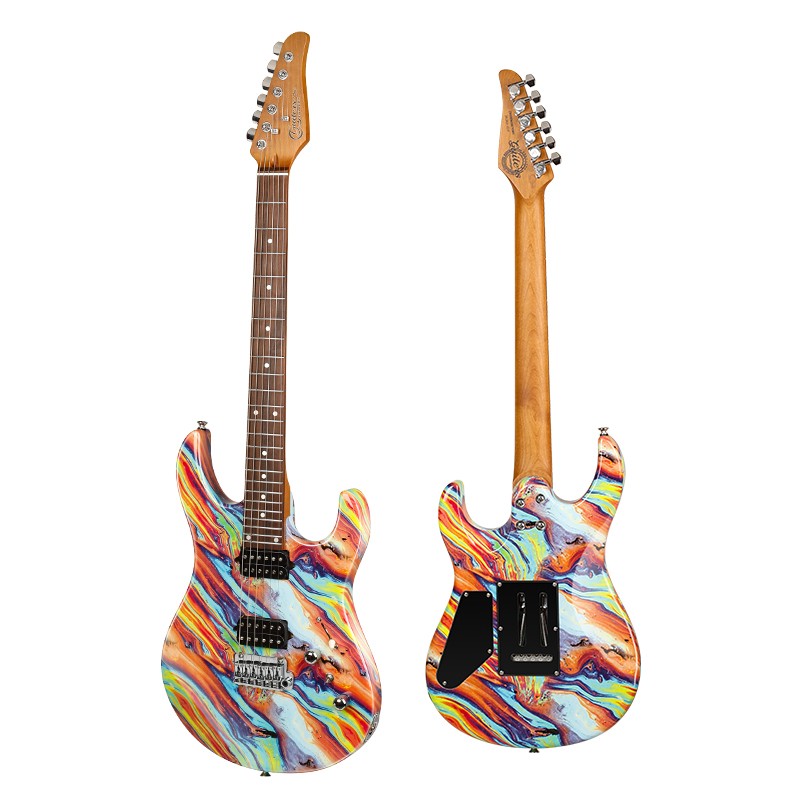
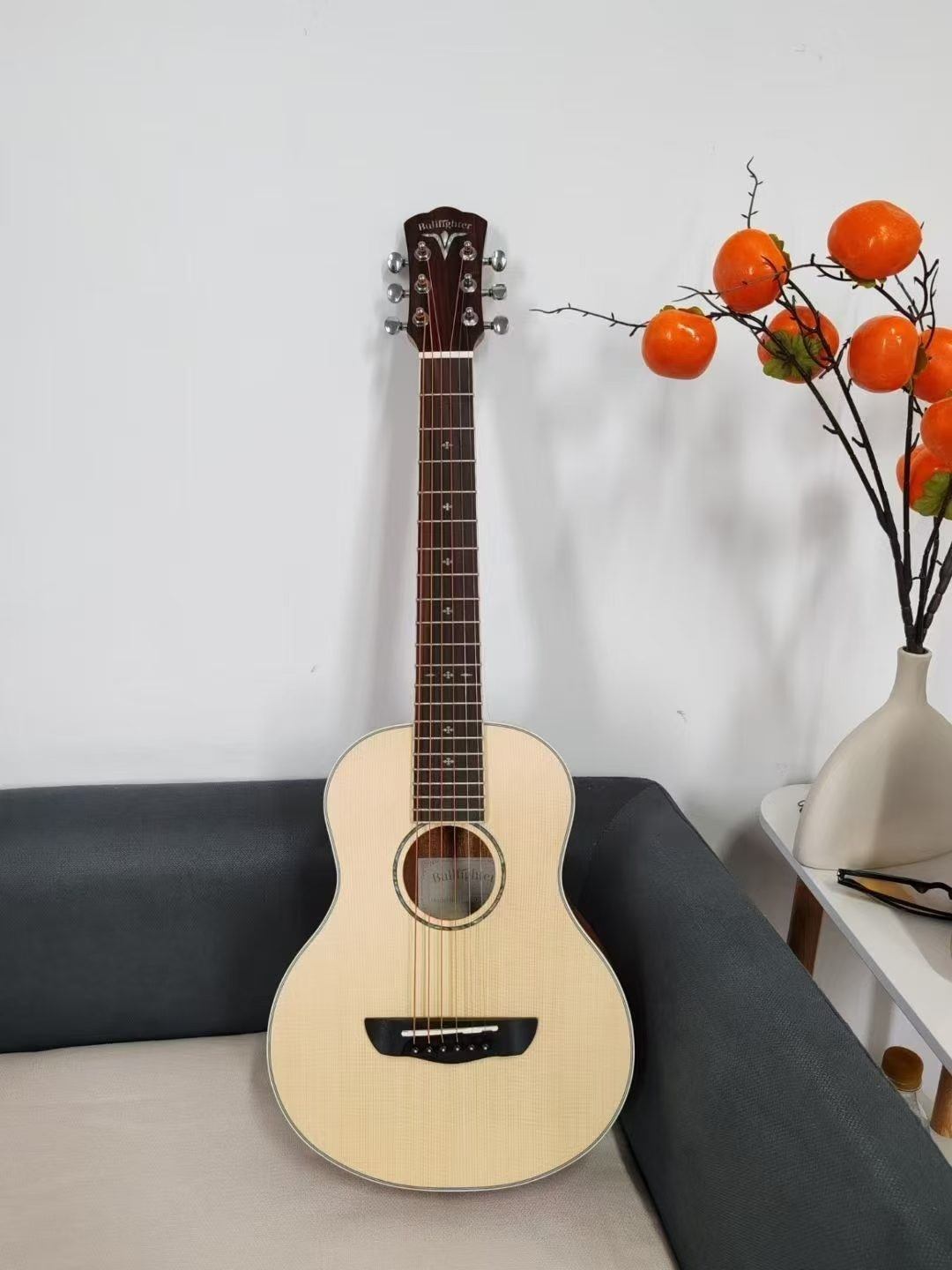
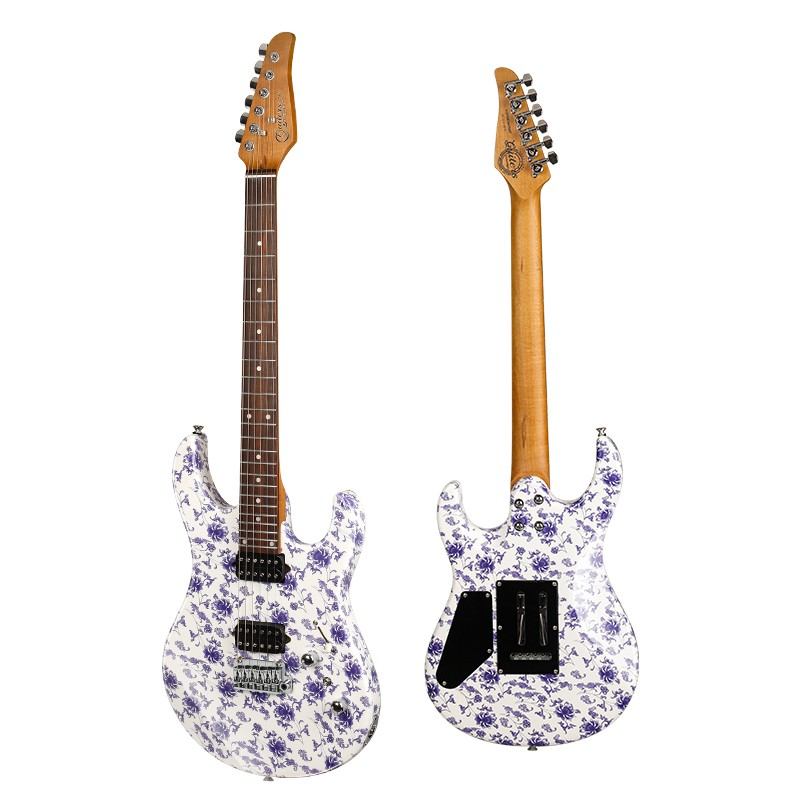
Industrialized precision luthiery combined with rigorous acoustic engineering delivers uncompromised tone, structural stability, and margin security for musical instrument distributors worldwide.
Advanced radio-frequency vacuum thermal treatment reduces tonewood equilibrium moisture content (EMC) to a precise 6%–8%, eliminating neck warping and fret sprout under harsh climate variations.
Multi-axis CNC routing guarantees flawless neck-to-body joinery, maximizing low-frequency acoustic energy transmission, resonant sustain, and perfect intonation geometry across all frets.
Fully accredited manufacturing premises verified by SGS Group, providing transparent supply chain audits, CITES wood compliance, and certified international export standardization.
The global bass guitar and stringed instrument manufacturing sector has undergone a profound structural shift over the past decade. China has transformed from a high-volume low-cost manufacturing hub into an advanced center for high-precision acoustic engineering, automated multi-axis woodworking, and custom private-label manufacturing. For international brand owners, procurement directors, and regional musical instrument wholesalers, navigating China's supplier landscape requires a deep technical understanding of tonewood chemistry, structural neck mechanics, electronics calibration, and scalable manufacturing workflows.
Information Gain Benchmark: Standard electric bass guitars experience over 80–110 lbs of continuous string tension across 34-inch and 35-inch scale lengths. Premier OEM factories utilize dual-action truss rod systems reinforced with twin carbon-fiber stabilizer bars to guarantee zero neck deflection under extreme climatic loads.
The low-frequency fundamental response of an electric bass guitar (ranging from 30.87 Hz on a Low B of a 5-string to 329.63 Hz at the high frets) places unique acoustic demands on body and neck timbers. Unlike standard electric guitars, bass tonewoods must possess a high modulus of elasticity (MOE) and a balanced strength-to-weight ratio to properly transfer low-end kinetic energy without absorbing fundamental sub-harmonics.
A primary differentiator between low-grade suppliers and top-tier Chinese bass guitar manufacturers lies in neck pocket tolerance and fretboard leveling precision. A neck joint gap exceeding 0.1mm results in catastrophic loss of low-frequency vibration transfer and structural movement under pitch tension.
Leading facilities employ high-precision automated CNC routers to carve neck pockets with tolerances controlled within ±0.05mm. Furthermore, computerized fret-sawing machines slot fingerboards with laser-measured fret spacing, followed by pneumatic fret-pressing and cryogenic leveling to eliminate dead notes and enable ultra-low playability action (under 1.5mm on the 12th fret without buzz).
Modern bassists demand versatility, ranging from classic vintage passive warmth to modern active punch. High-end Chinese OEM suppliers partner with specialist pickup laboratories to produce custom-wound Alnico 5 and Ceramic magnet pickups. Passive P/J (Precision/Jazz) and soapbar humbucking layouts are paired with on-board 3-band active preamps running on 9V/18V DC circuits, featuring boost/cut EQ controls at 40 Hz (Bass), 800 Hz (Mid), and 4 kHz (Treble).
To eliminate stage interference and 50Hz/60Hz electromagnetic hum, electronic control cavities are coated with dual-layer conductive graphite paint and lined with copper foil shielding connected to a single point star-grounding circuit.
When requesting OEM or ODM quotations, brand managers should evaluate technical parameters against target market price tiers. Below is our baseline benchmark guide:
| Feature Parameter | Entry-Level Student Tier | Mid-Tier Retail Line | Professional Stage / Boutique Tier |
|---|---|---|---|
| Body Tonewood | Laminated Linden / Poplar | Solid Okoume / Basswood | Selected Ash / Roasted Sapele / Alder |
| Neck Construction | Hard Maple (Bolt-on) | 3-Piece Canadian Maple (Bolt-on) | 5-Piece Maple/Walnut Neck-Through / Roasted Maple |
| Truss Rod System | Single-Action Metal Rod | Dual-Action Spoke Wheel Rod | Dual-Action Rod + Twin Carbon-Fiber Rods |
| Pickups & EQ | Passive Ceramic P-Bass Pickups | Alnico 5 PJ Pair + Active 2-Band EQ | Custom Active/Passive Soapbar Humbuckers + 3-Band EQ |
| Hardware & Nut | Standard Die-cast Tuners / ABS Nut | High-Mass Bridge / Synthetic Bone Nut | Individual Saddle Monorail Bridge / Real Bone Nut |
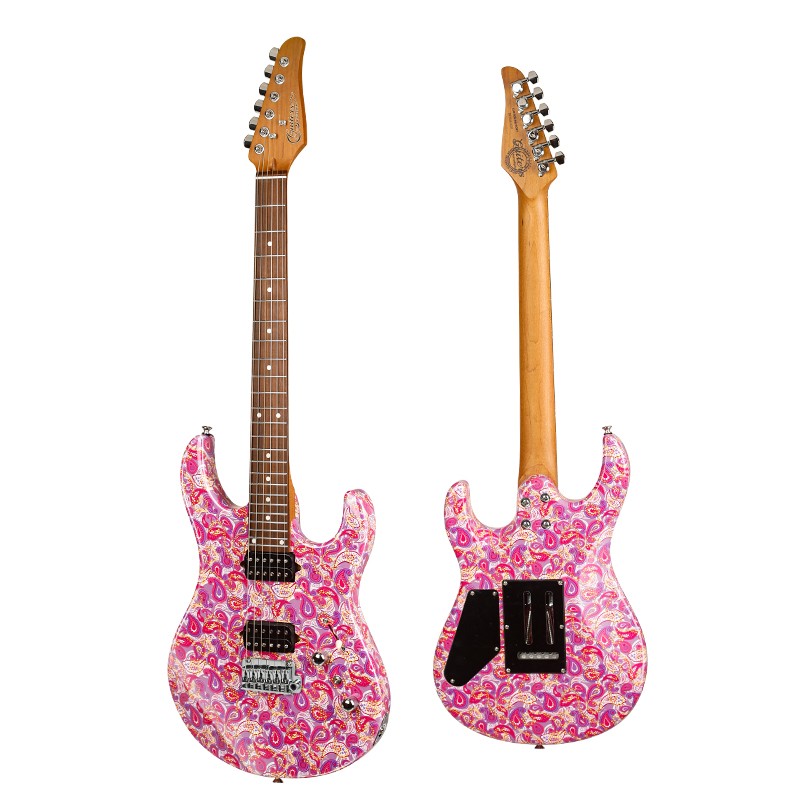
| Finish Quality | High-Gloss Polyurethane | Satin Neck / High-Gloss Body Burst | Ultra-Thin Nitrocellulose / Custom Paisley / Metallic |
Founded in 2015 in Changsha, Hunan, Changsha YBUL Instrument Co., Ltd. represents the modern benchmark of verified Chinese musical instrument production. Operating as an integrated manufacturer and exporter, YBUL maintains a massive 16,483 square meter facility across two production factories, complemented by a 2,500 square meter administrative, sales, and R&D center.
With an onsite assessment verified by SGS Group, YBUL combines industrial-scale manufacturing with luthier-grade quality control. Our workshop produces over 15,000 acoustic, electric, and bass guitars monthly, along with 1,000 sets of electronic drum kits and guitar amplifiers, serving premier distributors across North America, South America, Western Europe, and Southeast Asia.
Our operational framework follows a rigorous 9-stage manufacturing standard:
As international market preferences evolve and supply chains adapt to environmental regulations and economic realities, global buyers must anticipate structural trends in stringed instrument manufacturing:
Once restricted to custom boutique builders, thermal wood roasting (torrefaction) is now a mandatory requirement for volume retail lines. Roasting removes moisture, volatile organic compounds, and hemicellulose, giving maple and sapele the physical properties and acoustic stiffness of 50-year-aged vintage wood. B2B buyers are advised to transition standard maple necks to roasted maple across mid-tier product lines to significantly reduce warranty claims related to ambient humidity shifts during international ocean transport.
The popularity of extended-range 5-string and 6-string bass guitars has driven rapid growth in multi-scale fretboard designs (e.g., 34-inch scale on the G string extending to 37-inch scale on the Low B). Fanned frets balance string tension across the entire fingerboard, preventing a floppy Low B string while maintaining comfortable tension for high-register soloing. Top Chinese factories have fully automated the complex CNC fretting geometry required for fanned-fret fingerboards, bringing down OEM production costs by over 40%.
With CITES regulations restricting trade in wild Rosewood species (Dalbergia family), Chinese manufacturers lead the market in high-density technical wood (engineered wood laminates) and synthetic ebony alternatives. These materials offer superior density, identical acoustic velocity, and total immunity to climate-induced cracking, simplifying international customs clearance and compliance audits for European and North American importers.
Next-generation electric bass models are increasingly featuring USB-rechargeable lithium-ion active preamps, silent switching circuits, and integrated Bluetooth headphone calibration for silent practice. OEM suppliers equipped with dedicated SMT electronic assembly lines offer brands a distinct advantage in rapidly launching tech-forward instrument packages.
Direct answers to crucial commercial, technical, and logistical inquiries regarding bass guitar sourcing from China.
Changsha YBUL Instrument Co., Ltd. operates as an integrated direct manufacturer and trading enterprise. Our corporate facility is assessed onsite by SGS Group. We operate two production factories spanning 16,483 square meters of manufacturing space, supported by a 2,500 square meter office and R&D center in Changsha, Hunan, China. Buyers are welcome to schedule virtual factory tours or visit our facilities in person.
For standard custom logo placement on our existing showroom body and neck shapes (200+ models available), our base MOQ typically starts at 30 to 50 units per color/specification. For completely custom ODM body routing, bespoke neck profiles, or unique color formulations, the initial MOQ is generally 100 units. Sample units can be produced for quality approval prior to full production runs.
All timber undergoes high-frequency vacuum kiln drying to stabilize moisture content between 6% and 8%. Necks are reinforced with dual-action truss rods and optional carbon-fiber support bars. Furthermore, our finishing workshop applies climate-sealed sealants, and fret edges are finished with rounded end beveling to guarantee flawless playability regardless of destination humidity variations.
We support a complete array of international commercial terms including FOB, CFR, CIF, EXW, FCA, CPT, CIP, DDP, and DDU. Payment options include Wire Transfer (T/T), Letter of Credit (L/C at sight), D/P, PayPal, Western Union, and Credit Card transactions in major currencies including USD, EUR, GBP, CAD, AUD, JPY, and HKD.
Yes. All tonewoods utilized in our manufacturing processes are ethically sourced. For international orders requiring legal timber documentation, we provide full CITES re-export certificates. Additionally, our paints, lacquers, electroplating hardware, and internal electronic soldering conform to European Union REACH and RoHS safety and environmental standards.
Connect directly with our engineering and export team. Receive complete factory pricing, OEM customization options, technical blueprints, and full product catalogs within 24 hours.