China Top Custom Bass Guitar Manufacturer & Suppliers

Industrial OEM/ODM Engineering Whitepaper: Precision Tonewood Acoustic Stabilization, High-Yield Automated CNC Production, & Global Sourcing Optimization for Instrument Brands

Precision Catalog

High-Performance Custom Electric & Acoustic Instruments

Direct factory selection engineered for international distributors, private labels, and brand owners. Every build adheres to micro-millimeter tolerance, kiln-dried acoustic stability, and precision electro-acoustic shielding.

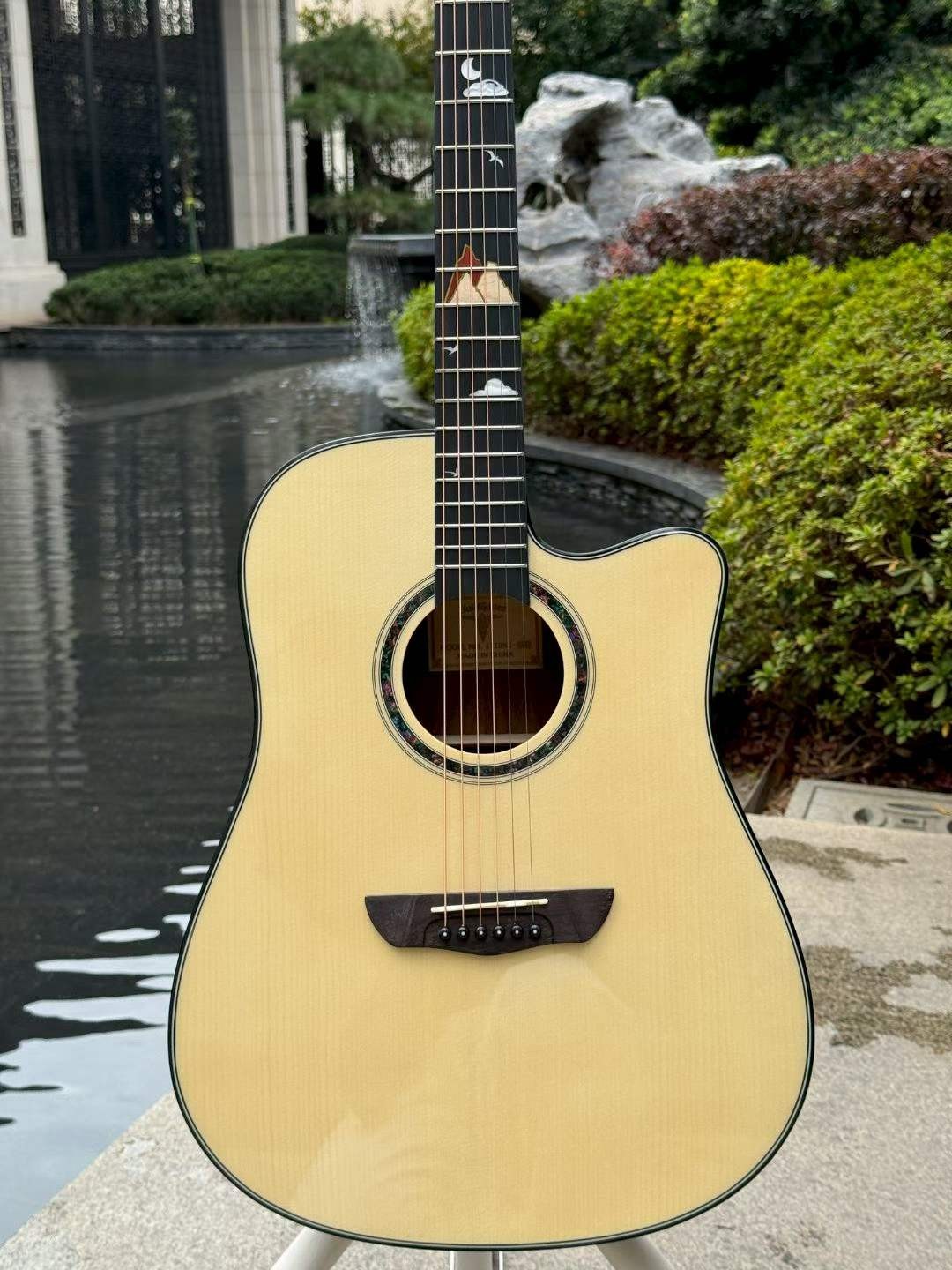
Acoustic Series Bullfighter D2XA Red Solid Sitka Spruce African Mahogany Acoustic Guitar

Bullfighter D2XA Solid Sitka Spruce Acoustic

Solid Sitka spruce soundboard matched with African mahogany back & sides and Indian rosewood fingerboard. High acoustic projection with 4.9 rating consistency.

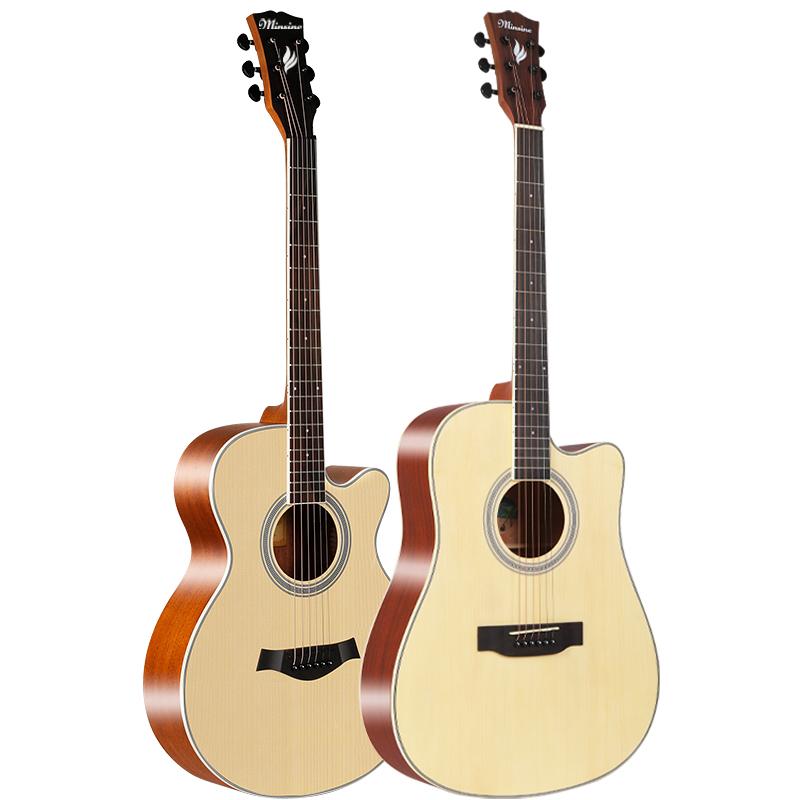
Cutaway Folk Minsine MS-36 Laminate Acoustic Guitar Cutaway

Minsine MS-36 Cutaway Acoustic 40/41 Inch

Spruce top profile, mahogany reinforced neck, ergonomic cutaway body, and rosewood fingerboard. 7 distinct aesthetic styles optimized for school and retail inventory.

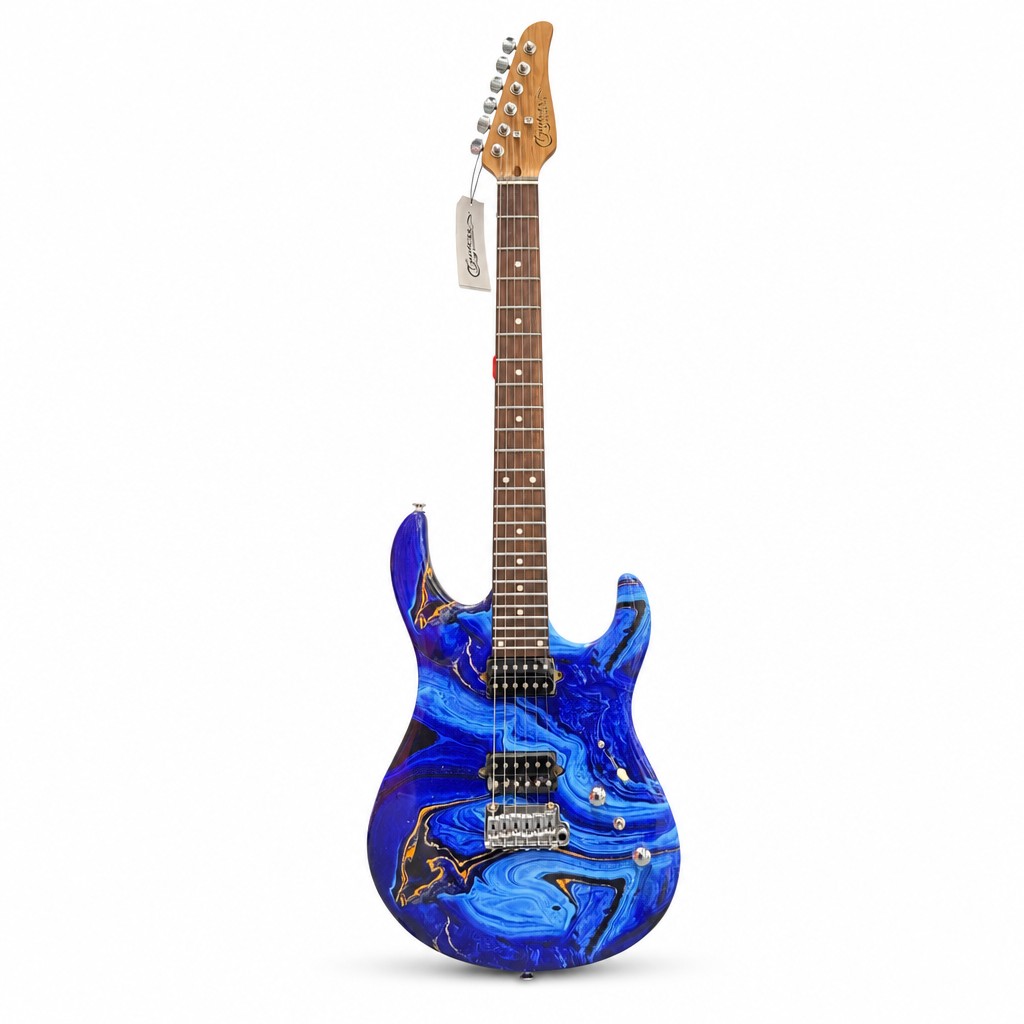
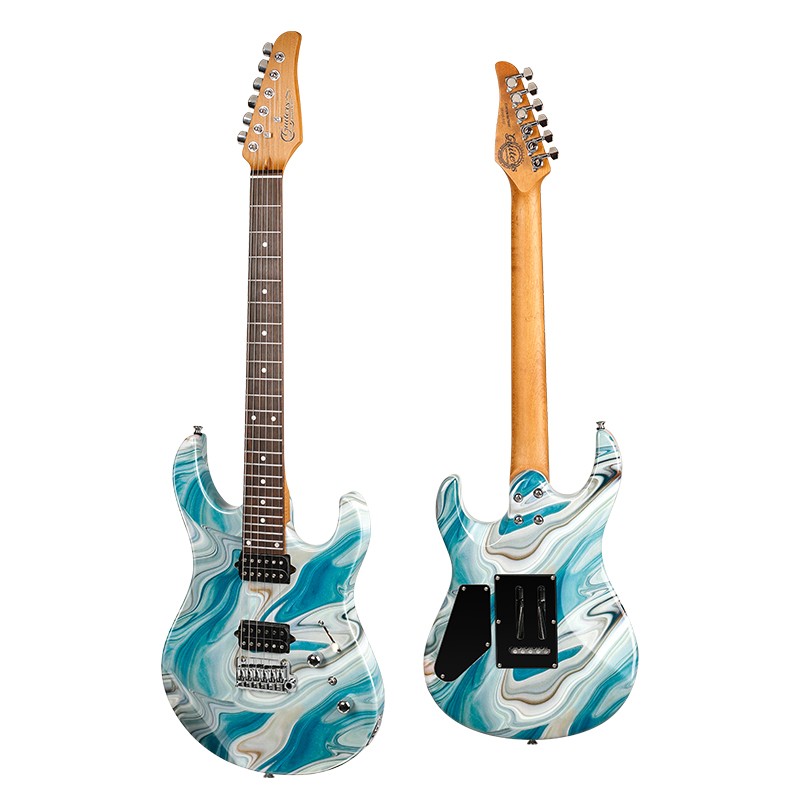
Custom Electric Bullfighter GT-20D Royal Blue Marble Electric Guitar

Bullfighter GT-20D Royal Blue Quilted Maple

Quilted maple bookmatched veneer, genuine bone nut, 22 jumbo frets, and dynamic marble finish. High-output pickup voicing with zero fret-buzz calibration.

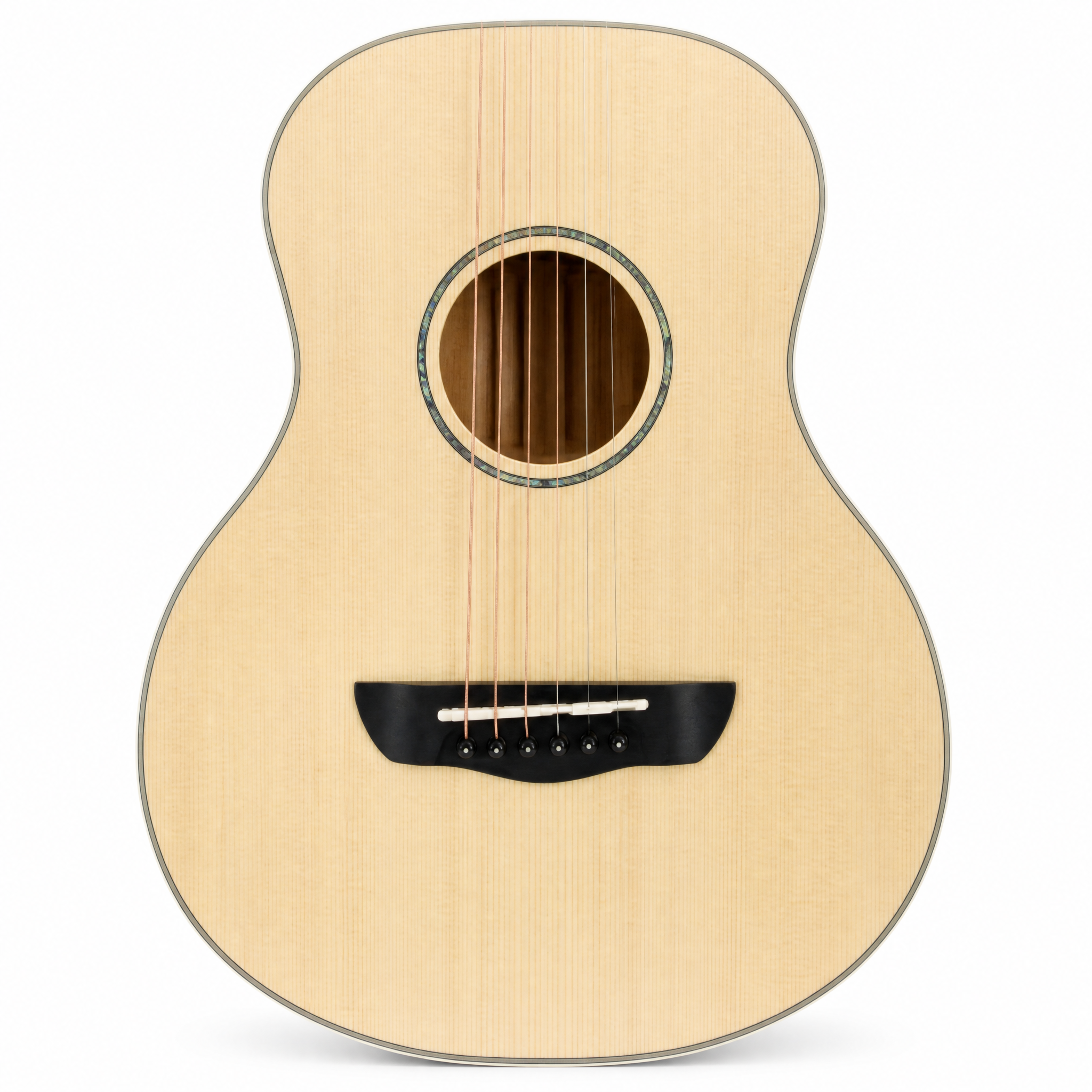
Junior Series Bullfighter D-30S Kids Guitar 30-Inch Solid Engelmann Spruce Top

Bullfighter D-30S 30-Inch Solid Spruce Model

Solid Engelmann spruce soundboard paired with African mahogany and Indonesian rosewood fingerboard. Shorter scale tailored for ergonomic youth playability.

Folk Traditional Bullfighter D-4019 41-Inch Folk Acoustic Guitar

Bullfighter D-4019 41" Walnut Acoustic

Select spruce acoustic top, figured walnut back and sides, complemented by genuine Indian rosewood bridge and fretboard for rich low-frequency harmonic resonance.

Water Transfer Guitarman GT-20D-HH HH Pickup Water Transfer Electric Guitar

Guitarman GT-20D-HH Hydro-Dip Electric

Dual HH pickup configuration, full-coverage water transfer graphics, contoured body ergonomic radius, and high-gain magnetic shielding against stage noise.

Custom Bass / Electric GT-20D-HH Galaxy Blue OEM Electric Guitar HH Alnico 5 Pickups

GT-20D-HH Galaxy Blue Roasted Maple OEM

Direct OEM factory design: HH Alnico 5 custom pickups, 24 precision-dressed frets, torrefied roasted maple neck, and premium rosewood fingerboard configuration.

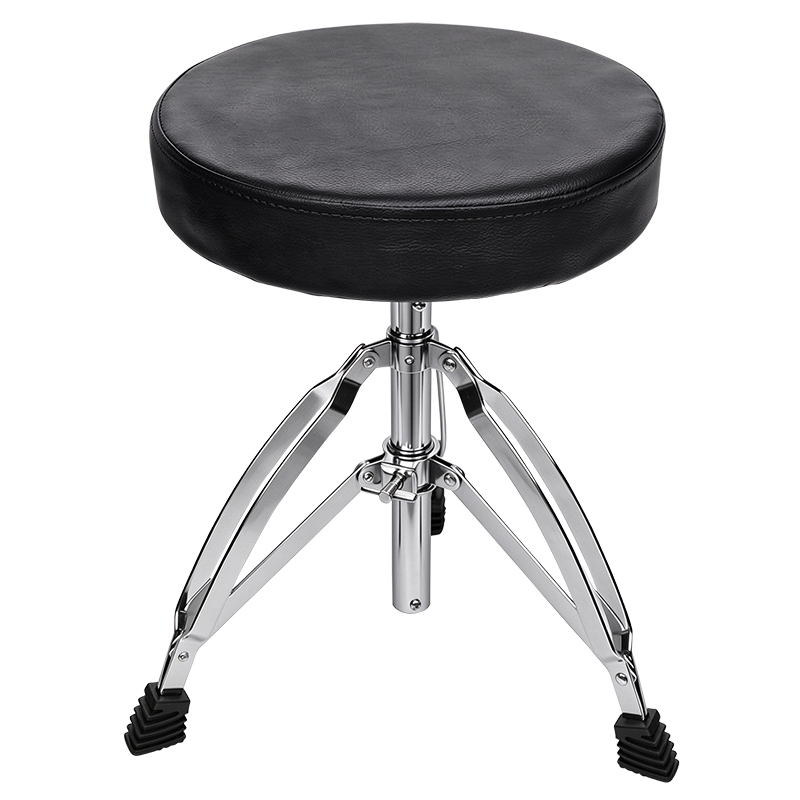
Stage Hardware Wholesale Bullfighter T500 Drum Throne 28cm PU Leather Seat

Bullfighter T500 Tripod Performance Throne

High-resilience foam padding, 28cm premium PU leather hydraulic casing, and heavy-gauge electroplated steel tripod base engineered for touring musicians.

Verified Manufacturer Integrity

Enterprise Capacity & Third-Party Audited Manufacturing Scale

Changsha YBUL Instrument Co., Ltd. (founded 2015) operates as a verified dual-entity manufacturer and exporter in Hunan, China. Assessed onsite by SGS Group, we maintain rigid industrial control over every stage of stringed instrument production.

16,483㎡
Dual Facility Scale

Dedicated timber conditioning, CNC routing, finishing, and setup workshops.

15,000Units
Monthly Production

High-throughput output for electric basses, electric guitars, and acoustics.

200+
Showroom Prototypes

Instant private-label tooling templates for 4-string, 5-string, and multi-scale builds.

99.87%
Response Rate

Dedicated bilingual engineering team serving North America, Europe, and Asia.

The SGS-Assessed Industrial Production Advantage

Unlike export brokers or trading companies that outsource production across uncontrolled cottage workshops, YBUL operates internal high-frequency vacuum kilns, Italian-engineered CNC 5-axis woodworking centers, clean-room electrostatic spray lines, and multi-stage pitch-calibrator inspection booths. Every bass guitar body and neck blank undergo calibrated moisture regulation (controlled strictly between 8% and 10%) before shaping, completely eliminating fret sprouting, truss rod seizure, and neck warping when exported across disparate international climate zones.

Industrial Whitepaper

Technological Evolutions in Bass Guitar Engineering & Acoustics

A deep technical analysis of modern bass guitar design, ergonomic shifting, multi-scale harmonic physics, and electronic active shielding technologies.

1. Multi-Scale Geometry & Fanned-Fret Tension Equalization

The traditional standard scale length for electric bass guitars—34 inches (864mm)—presents inherent physical compromises when players tune down or require balanced tension across low-B strings on 5-string and 6-string platforms. Under standard 34" scaling, achieving adequate string tension on a .130 gauge low B-string requires heavy core wire that inhibits flexible harmonic bloom, resulting in muddy, indistinct fundamental frequencies often described by audio engineers as "inharmonic flop."

Modern high-end OEM bass engineering has responded with multiscale (fanned-fret) geometries, generally spanning from 34" on the G string to 37" (940mm) on the B string. By increasing scale length selectively for lower-frequency strings, string tension is elevated naturally without increasing core string mass. This allows thinner, more flexible core wires to be utilized, achieving razor-sharp attack, extended upper-register clarity, and precise overtone series reproduction. YBUL’s CNC tooling programs utilize automated fret-groove sawing machinery capable of cutting non-parallel fret slots with an angular precision of ±0.012 degrees, ensuring spot-on intonation across all 24 fret positions.

2. Advanced Tonewood Stabilization & Torrefaction Technology

A persistent vulnerability of solid-body electric bass guitars during oceanic container transit and retail warehousing is hygroscopic instability. Bass necks, due to their extended length and the tremendous mechanical load exerted by string sets (typically exceeding 150 to 200 pounds of linear tension), are particularly prone to torsional warping and neck relief fluctuations caused by ambient humidity cycles.

To eliminate this failure mode, top-tier Chinese manufacturing has transitioned heavily toward thermo-treated tonewoods, commonly known as roasted or torrefied maple. The torrefaction process heats the wood blanks in an oxygen-deprived nitrogen atmosphere to temperatures between 180°C and 220°C. This thermal cycle decomposes the wood's volatile organic compounds and hemicellulose sugars, collapsing the internal moisture-absorbing hydroxyl cells. The resulting material exhibits near-zero hygroscopic absorption, improved dimensional rigidity, enhanced acoustic resonance velocity, and an appealing caramel-amber patina that requires only lightweight oil or satin polyurethane finishing.

Active Micro-Preamps & Low-Z Shielding

18V dual-battery discrete circuit integration paired with dual-stage copper-foil cavity shielding and neodymium pole-piece pickups, dropping system signal-to-noise ratio by over 14dB.

Carbon-Fiber Neck Reinforcement

Dual parallel aerospace-grade carbon fiber structural rods embedded alongside double-action steel truss rods, effectively eliminating dead spots around the 5th and 7th frets on the G string.

CITES-Compliant Technical Synthetics

High-density engineered composite fretboards (phenolic resin matrices and technical darkwood) providing uniform acoustic transfer without the export friction associated with Dalbergia species.

3. Headless Ergonomics & Monorail Bridge Decoupling

In modern performance environments, bass players demand lighter, better-balanced instruments that eliminate neck-dive during multi-hour sets. The elimination of traditional headstocks, coupled with aerospace aluminum bridge-tuner units, reduces instrument weight by 15% to 25% while relocating the center of gravity closer to the player's torso. Furthermore, the adoption of individual monorail bridge assemblies physically decouples each string's saddle assembly from adjacent hardware, virtually eliminating mechanical cross-talk and harmonic phase cancellation across the body core.

Market Foresight 2025–2030

Future Global Procurement Trends in Commercial Instrument Sourcing

Strategic analysis for brand directors, retail inventory buyers, and distributors navigating supply chain realignments, MOQ optimizations, and margin protection.

Consolidated Multi-Category Container Loading

Global procurement teams are mitigating rising oceanic freight costs by abandoning single-SKU orders. Brands now leverage manufacturers like YBUL with integrated multi-instrument capabilities to pack 40ft High Cube containers containing electric basses, solid-body guitars, acoustics, and electronic drum thrones under a unified shipping manifest, lowering landed freight cost per unit by 18% to 26%.

Private-Label Micro-Batches with CNC Flexibility

The historical requirement of 500-unit minimum orders per SKU is giving way to high-agility CAM programming. With automated tool changers and flexible digital nesting systems, Chinese manufacturers can execute customized body profiles, custom pickup routings, and bespoke finish runs for private labels at pilot batch sizes as accessible as 30 to 50 instruments per run.

Full Traceability & Environmental Compliance

Heightened customs scrutiny under Lacey Act (USA) and EU Timber Regulations (EUTR) has transformed procurement compliance into a mission-critical metric. Professional buyers require verifiable harvest origin documentation, certified formaldehyde-free glues (CARB Phase 2 compliance), and non-toxic UV-curable finishes that emit zero volatile organic compounds during retail shelving.

B2B Bass Guitar Tonewood & Structural Architecture Matrix

A reference guide for catalog planners selecting specifications across varying retail price points.

Tonewood / Spec Acoustic Density & Tone Mechanical Stability Target Retail Bracket Recommended Configuration
Okoume
Body Wood
Warm, resonant low-mid prominence; similar to lightweight African mahogany with smooth transient response. High stability when sealed with polyurethane; low overall mass (approx. 430 kg/m³). Mid-tier ($299 – $599) Jazz bass configurations, contoured modern bodies requiring lightweight stage comfort.
American Alder
Body Wood
Extremely balanced frequency distribution, snappy percussive attack, clean fundamental presence. Industry benchmark; excellent dimensional stability across broad temperature ranges. Pro-line ($699 – $1,299) Classic P-Bass and PJ hybrid models finished in high-gloss sunburst or solid custom poly.
Torrefied Maple
Neck Wood
Tight high-register snap, immediate percussive punch, long sustain with zero harmonic deadening. Maximum stability; impervious to microclimate moisture variations; eliminates truss adjustments. Premium OEM ($599 – $1,599) Satin-finished C/D profile necks, 24-fret extended range basses, multiscale builds.
Technical Ebony
Fretboard
Crisp articulation, ultra-fast transient attack, glass-smooth friction coefficient under string bends. Engineered uniform density; 100% immune to grain-checking, split ends, and dry climate cracking. All Price Tiers CITES-exempt international retail models, high-durability school and rental instruments.
Solid Sitka Spruce
Acoustic Bass Top
Broad dynamic range, immense harmonic headroom, resonant projection under soft and heavy picking. Requires climate monitoring; internal quartersawn spruce X-bracing prevents belly warping. Acoustic Line ($399 – $899) Dreadnought and Jumbo acoustic-electric bass guitars equipped with piezo pickup systems.
Buyer Technical FAQ

Frequently Asked Questions in Bass Guitar Procurement

Addressing the core technical, logistical, and contractual concerns raised by global musical instrument brand owners, retail chains, and import distributors.

Q: How do you prevent bass neck warping and fret sprout in export markets?

A: All tonewood blanks pass through our industrial high-frequency vacuum wood drying equipment, stabilizing lumber moisture strictly between 8% and 10%. Furthermore, neck profiles are rough-cut and rested for 14 days before final CNC contouring to relieve internal fiber tension. Fret tangs are under-cut and fretboard edges are treated with beveled end-dressing, guaranteeing smooth playability whether instruments land in arid winter regions or tropical environments.

Q: What is the standard MOQ and lead time for custom OEM bass guitar production?

A: For customized branding (headstock logo, custom backplate, serial numbering, and custom carton packaging) utilizing our verified showroom designs, standard MOQ starts at 30 to 50 units per model. For bespoke tooling requiring custom CNC mold engineering, MOQ is typically 100 units. Prototype samples are completed in 20–30 business days; full batch container orders ship within 45–60 days upon final sample sign-off.

Q: Can we specify proprietary hardware and electronics (e.g., Seymour Duncan, Hipshot, Gotoh)?

A: Yes. We offer three flexible supply configurations: 1) Factory proprietary hardware/pickups manufactured to tight OEM resistance and inductance specs; 2) Client-supplied consigned electronics and hardware delivered directly to our Changsha assembly facility; or 3) Factory-sourced authentic branded components (Gotoh, Wilkinson, EMG, Fishman) integrated directly into your bill of materials.

Q: What quality control documentation is provided prior to container dispatch?

A: Every production run undergoes a formal 5-stage quality audit: Raw Wood Density & Moisture Check, CNC Dimensional Fit Inspection, Paint & Finish Thickness Inspection, Electronics Continuity & Hum Noise Spectral Analysis, and Final Tone/Action Setup Calibration. Importers receive comprehensive high-resolution photographic inspection records, drop-test reports for export cartons, and digital intonation reports before release.

Q: What Incoterms and payment currencies do you support for international shipments?

A: We support FOB (Guangzhou, Shenzhen, Shanghai), CIF, CFR, EXW, FCA, CPT, and full DDP (Delivered Duty Paid) door-to-door delivery. Supported payment methods include Wire Transfer (T/T), Letter of Credit (L/C at sight), D/P, PayPal, and Trade Assurance escrow across major currencies including USD, EUR, GBP, CAD, AUD, and JPY.

Q: Are your instruments fully compliant with international environmental and species regulations?

A: Absolute compliance is guaranteed. We use certified plantation woods and high-performance technical composite alternatives that require no restrictive CITES permits. All glues and coatings comply with US CARB Phase 2, RoHS, and EU REACH standards, ensuring smooth customs clearance without confiscation risk or import delays.

Initiate Your Custom Bass Guitar Manufacturing Run

Connect directly with our engineering and export project management team. Submit your target market price point, dimensional blueprints, or reference catalog specifications to receive a complete DDP manufacturing estimate and prototype production timeline within 24 hours.