English
 Español
 Deutsch
 Français
 Português
 Italiano
 Русский
 日本語
 한국어
 العربية English Español Deutsch Français Português Italiano Русский 日本語 한국어 العربية
Explore our factory-direct export catalog manufactured under certified quality management systems in Changsha, China.

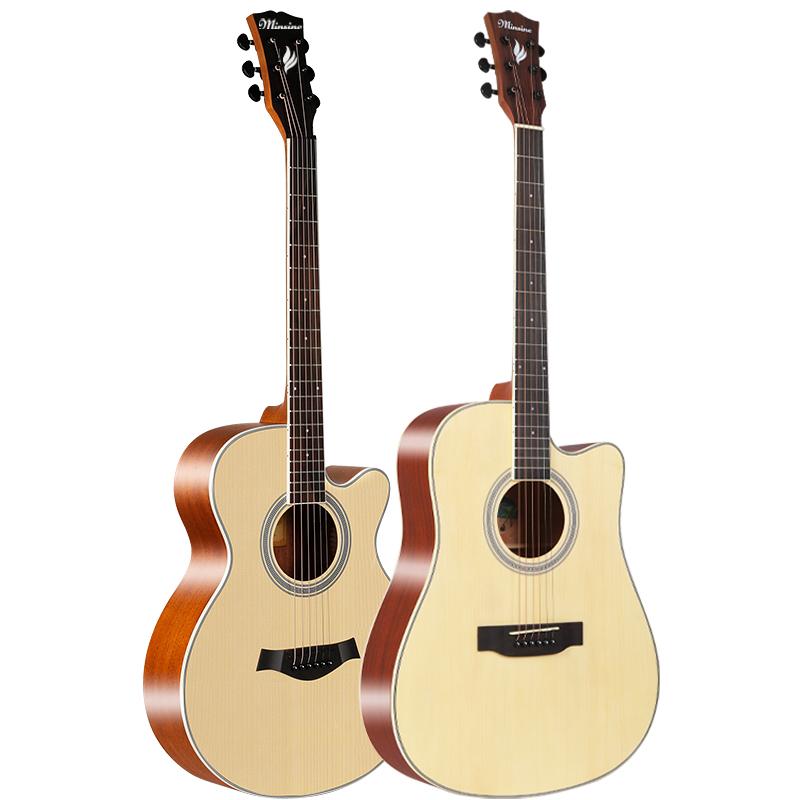

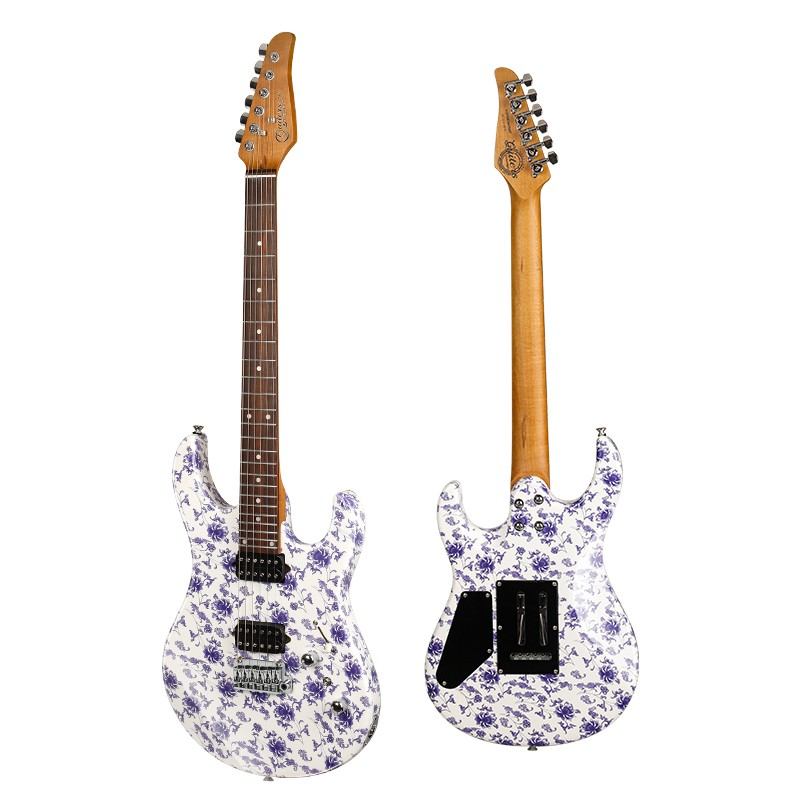

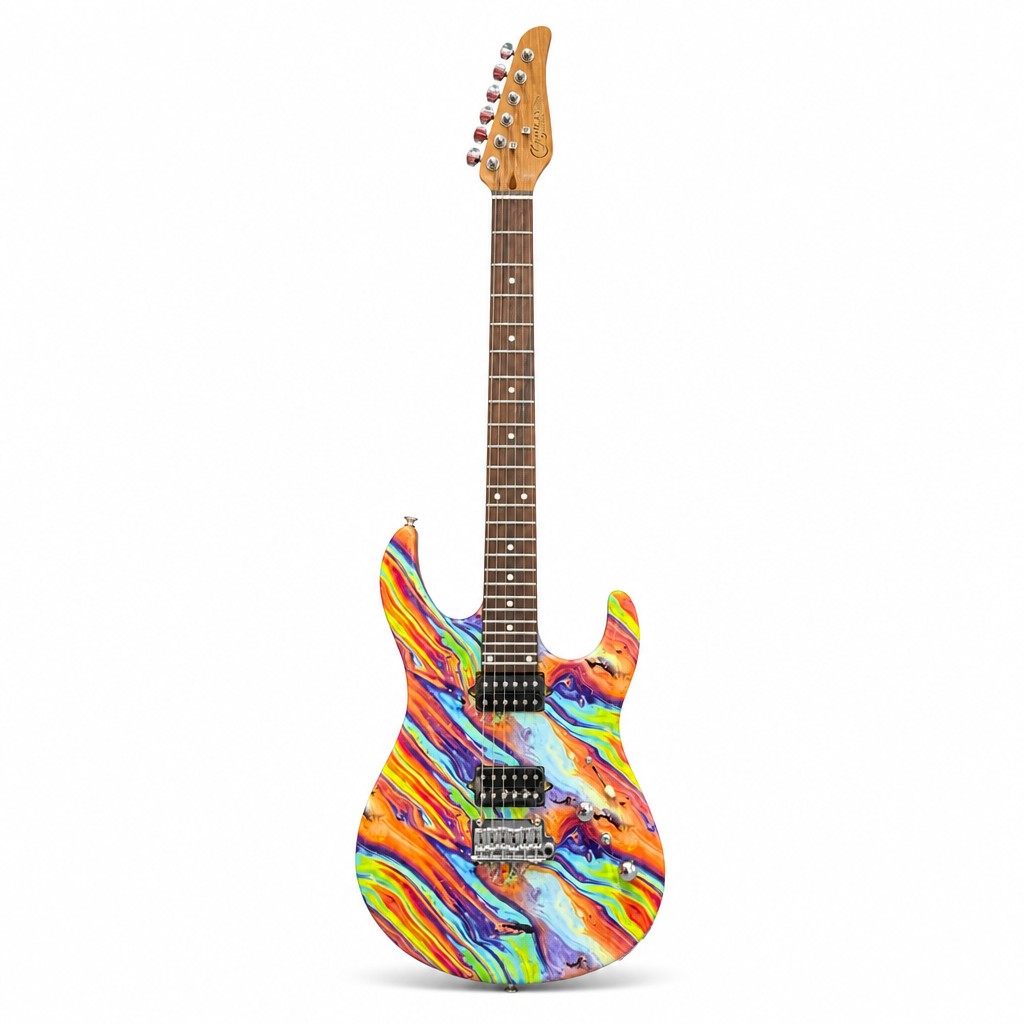
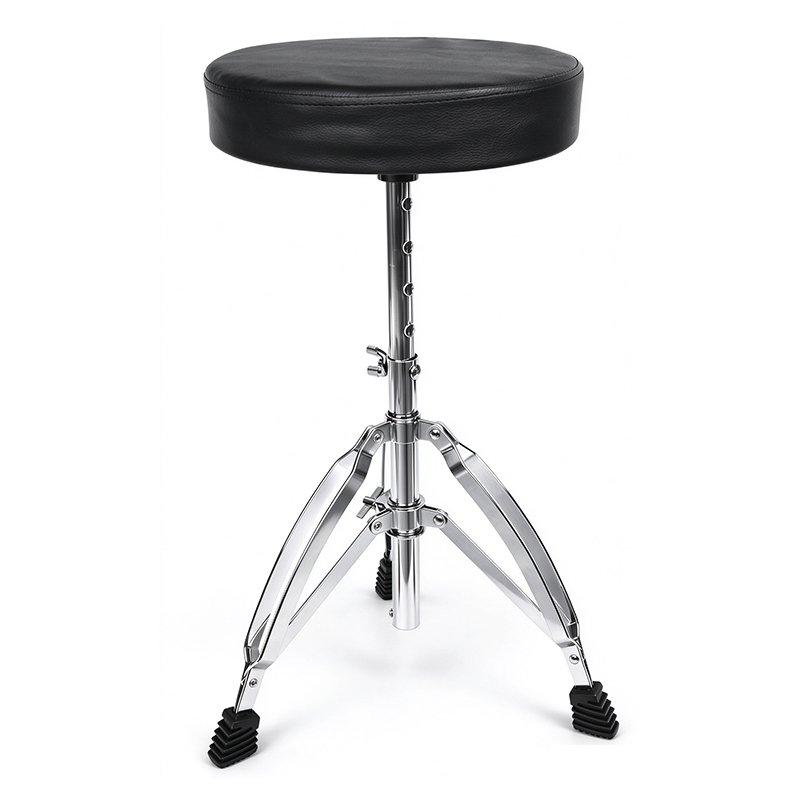
Managing the procurement of acoustic and electric guitars—specifically specialized acoustic variants like twelve-string guitars—requires a comprehensive understanding of mechanical force distribution, timber seasoning, and acoustic resonance physics. As an international buyer evaluating a China top twelve string guitar supplier & exporter, analyzing simple surface aesthetics is insufficient. Structural failure in twelve-string instruments is dramatically higher than six-string counterparts if precision engineering standards are not rigorously maintained throughout production.
A standard 6-string acoustic guitar tuned to standard pitch (E2-A2-D3-G3-B3-E4) under medium gauge tension exerts approximately 160 to 180 lbs of cumulative pull across the bridge and headstock. In contrast, a 12-string guitar tuned to concert pitch generates between 240 and 300 lbs of continuous directional stress. This immense tension creates specific points of mechanical vulnerability: soundboard bellying behind the bridge, top sinking in the soundhole perimeter, neck bowing, and heel joint separation.
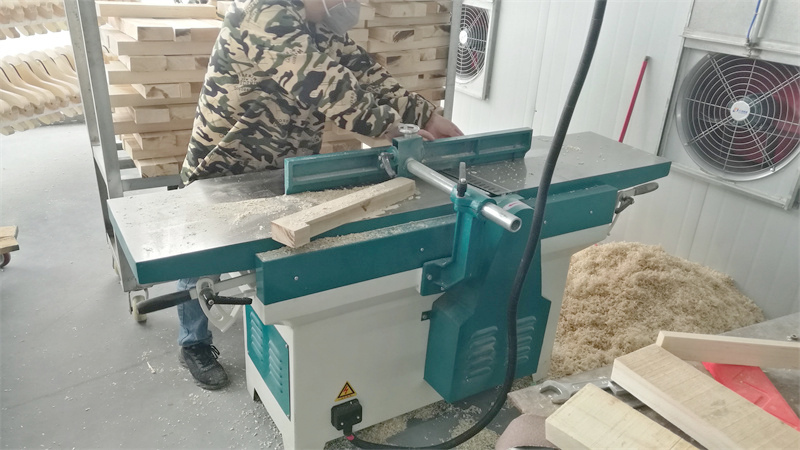
Technical Insight for B2B Sourcing Managers: To guarantee structural integrity across extreme climate variances (such as North American dry winters or Southeast Asian humid environments), standard wood curing is inadequate. Advanced OEM production requires high-frequency vacuum wood drying, reducing moisture content down to an exact 6% – 8% tolerance prior to CNC milling.
Leading Chinese guitar manufacturing facilities, such as Changsha YBUL Instrument Co., Ltd., mitigate tension deformation by deploying precise structural adjustments specifically engineered for multi-string load distributions:
1. Dual-Action Truss Rod Systems with Twin Carbon Fiber Rails: Standard single truss rods cannot offset asymmetric lateral torque caused by course pairing differences (octave vs. unison strings). Advanced 12-string neck designs incorporate a heavy-duty dual-action steel truss rod reinforced flanked by dual parallel high-modulus carbon fiber neck rods. This creates a flexural strength increase exceeding 45%, preventing longitudinal warping and twisting along the bass edge.
2. Specialized Double-X Bracing and Bridge Plate Mechanics: The internal top bracing pattern of a 12-string soundboard must balance structural stiffness against acoustic flexibility. Utilizing quarter-sawn Solid Sitka or Engelmann Spruce bracing scalloped via multi-axis CNC machines ensures structural rigidity without dampening lower-mid harmonic resonances. Furthermore, bridge plates are upgraded to multi-ply quarter-sawn maple or high-density rosewood to prevent string ball ends from chewing through the soundboard underside.
3. Enhanced Neck Joint Mortise and Tenon Milling: The neck-to-body connection represents a frequent point of catastrophic joint shear under heavy string loading. Utilizing automated 5-axis CNC routers, neck joint dovetails are machined to 0.02mm micro-tolerances, ensuring 100% surface-to-surface wood contact for optimum structural stability and lossless kinetic energy transmission from neck to body.
Key operational shifts, material innovations, and consumer market developments driving instrument wholesale strategy through 2030.
Global distributors are increasingly turning to Torrefied (roasted) woods. Roasted maple necks and torrefied spruce tops mimic decades of natural resin crystallization, delivering immediate vintage tonal warmth while providing dynamic immunity to ambient humidity shifts during international transport.
For high-volume retail lines, combining a Solid Spruce soundboard with high-pressure laminate (HPL) or select mahogany back/sides optimizes sound quality while keeping RMA return rates near zero—making it ideal for e-commerce brands navigating variable storage conditions.
Modern musical instrument brands are abandoning traditional mass-stocking models in favor of flexible, agile OEM manufacturing. Overseas importers demand targeted headstock branding, proprietary fretboard inlay options, and customized pickup voicing across lower minimum order thresholds.
Stricter global environmental compliance requires suppliers to provide complete timber traceability. Modern manufacturing relies heavily on non-restricted alternative woods such as Tech Ebony, Roasted Maple, Chinaberry, and Okoume to streamline customs clearances globally.
Demand for integrated piezo transducer pickups featuring onboard visual chromatic tuners, dual-band spatial delays, and Bluetooth connectivity has spiked. B2B buyers now prioritize factory-installed active electronics that appeal directly to gigging musicians and bedroom content creators.
Hand-sprayed lacquers introduce human error and uneven body mass. Modern factories implement cleanroom automated spray booth lines using ultra-thin UV-curable polyurethane coats, delivering flawless high-gloss surfaces without deadening soundboard resonance.
The global musical instrument industry is undergoing a structural evolution driven by precision manufacturing technology, material sciences, and digital supply chain integration. In response to increasing labor overheads and rising acoustic quality expectations, Chinese guitar manufacturing has evolved from simple manual assembling workshops into technologically advanced, automated industrial ecosystems.
Historical reliance on manual fret slotting and neck carving introduced undesirable variances across production lots. Modern production lines utilize fully automated 5-axis woodworking CNC routers capable of milling fingerboard radius curves, fret slots, body cavities, and headstock bevels with sub-millimeter precision. Furthermore, automatic pneumatic fret-pressing machines deliver equalized insertion pressure across every fret wire, virtually eliminating uneven frets and localized string buzz prior to human levelling.
Future high-end acoustic and twelve-string production models utilize laser Doppler vibrometry and computerized spectral response testing during soundboard thicknessing. Rather than machining solid wood tops to uniform fixed millimeter dimensions, automated sanding systems adjust top thickness dynamically based on wood density and elastic resonance coefficients. This scientific approach ensures maximum volume projection and harmonic richness across mass-produced solid-top folk and acoustic instruments.
Environmental standards in major export regions, including North America (CARB compliance) and the European Union (REACH/RoHS), require string instrument exporters to lower Volatile Organic Compound (VOC) emissions. Modern facilities utilize UV-cured acrylic and high-solid polyurethane finishing lines. These advanced finishes cure within seconds under intense ultraviolet light, building a resilient protective shield that is significantly thinner than traditional polyester coats, leaving the tonewood free to vibrate fully.
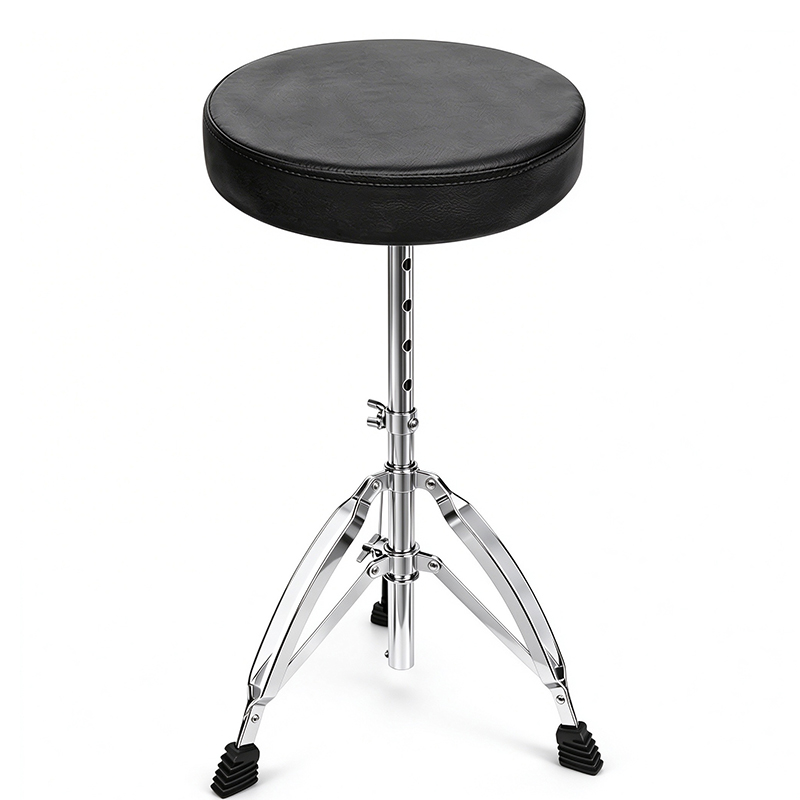
When selecting a trusted manufacturing partner in China for private-label guitars, 12-string acoustics, electric guitars, or drum accessories, verified operational transparency is paramount. Changsha YBUL Instrument Co., Ltd. stands as an industry leader in stringed instrument manufacturing and global supply chain management.
Third-Party Verification & Scale: Our facility underwent rigorous onsite physical inspection by the SGS Group, confirming our status as a legitimate custom manufacturer and exporter. Spanning over 16,483 square meters of industrial production space, our two dedicated production factories generate a consistent monthly output of 15,000 acoustic and electric guitars, along with over 1,000 sets of electronic drums and amplifiers.
To guarantee that every exported guitar—from entry-level cutaway models to premium solid wood 12-string instruments—arrives in pristine condition, YBUL enforces a rigorous quality control protocol throughout the manufacturing workflow:
Stage 1: Raw Timber Kiln Drying & Seasoning: All imported mahogany, spruce, maple, and okoume lumber undergo high-frequency vacuum moisture extraction. Moisture content is continuously monitored until it stabilizes between 6% and 8%, preventing post-production neck warping and body cracking during international container transit.
Stage 2: Precision CNC Machining & Splicing: Body blanks are book-matched and glued under pneumatic cold presses before being carved on high-precision CNC routers to ensure tight neck pocket fits and exact body contours.
Stage 3: Multi-Stage Hand Sanding & Surface Preparation: Mechanical sanding is followed by three stages of meticulous hand sanding using progressive abrasive grits to prepare smooth surfaces for paint adhesion.
Stage 4: Automated Dust-Free Spray Coating: Painting takes place within climate-controlled, dust-free spray booths. Automated painting lines apply uniform color coats, bursts, or natural satin finishes before undergoing controlled environmental curing.
Stage 5: Hardware Assembly & Electronics Shielding: Electronics cavities receive conductive shielding paint to block RF interference. Pickup wiring, pots, jacks, tuners, and bridges are assembled by experienced technicians.
Stage 6: Tone Calibration, Action Setup & Drop Test Packaging: Prior to boxing, every instrument is strung, tuned to pitch, checked for dead frets, adjusted for low fingerboard action (1.8mm bass, 1.5mm treble), and tested using electronic beat calibrators. Packed cartons are then subjected to standard drop tests to ensure safe ocean freight shipping.
Essential answers covering manufacturing, custom OEM options, supply chain logistics, and trade terms.