 English
 Español
 Deutsch
 Français
 Português
 Italiano
 Русский
 日本語
 한국어
 العربية English Español Deutsch Français Português Italiano Русский 日本語 한국어 العربية
Rigorously tested, stage-ready electric guitars, acoustics, and essential accessories built directly in our SGS-verified manufacturing facility.


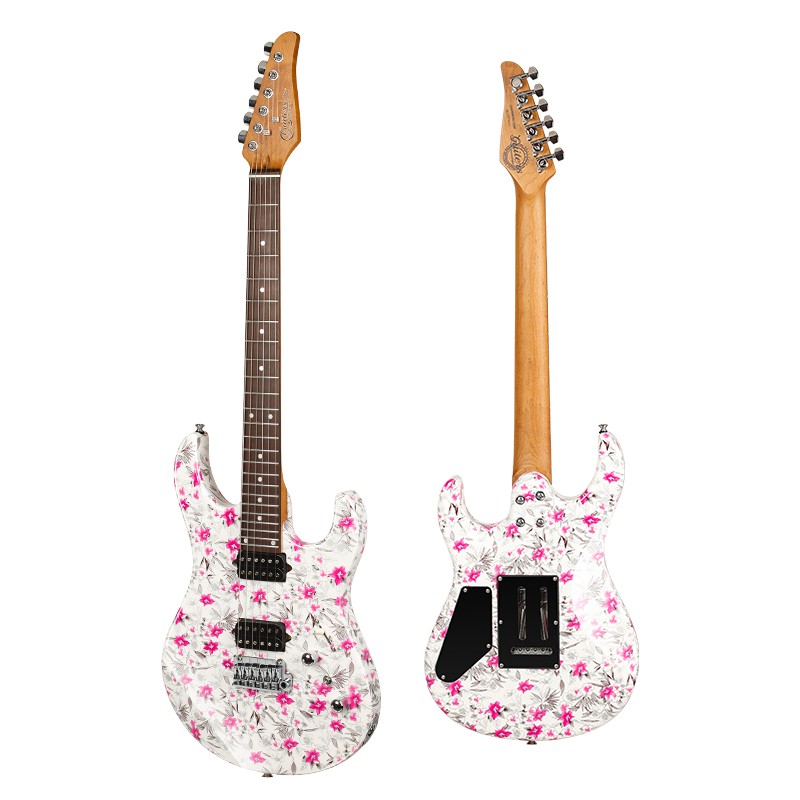
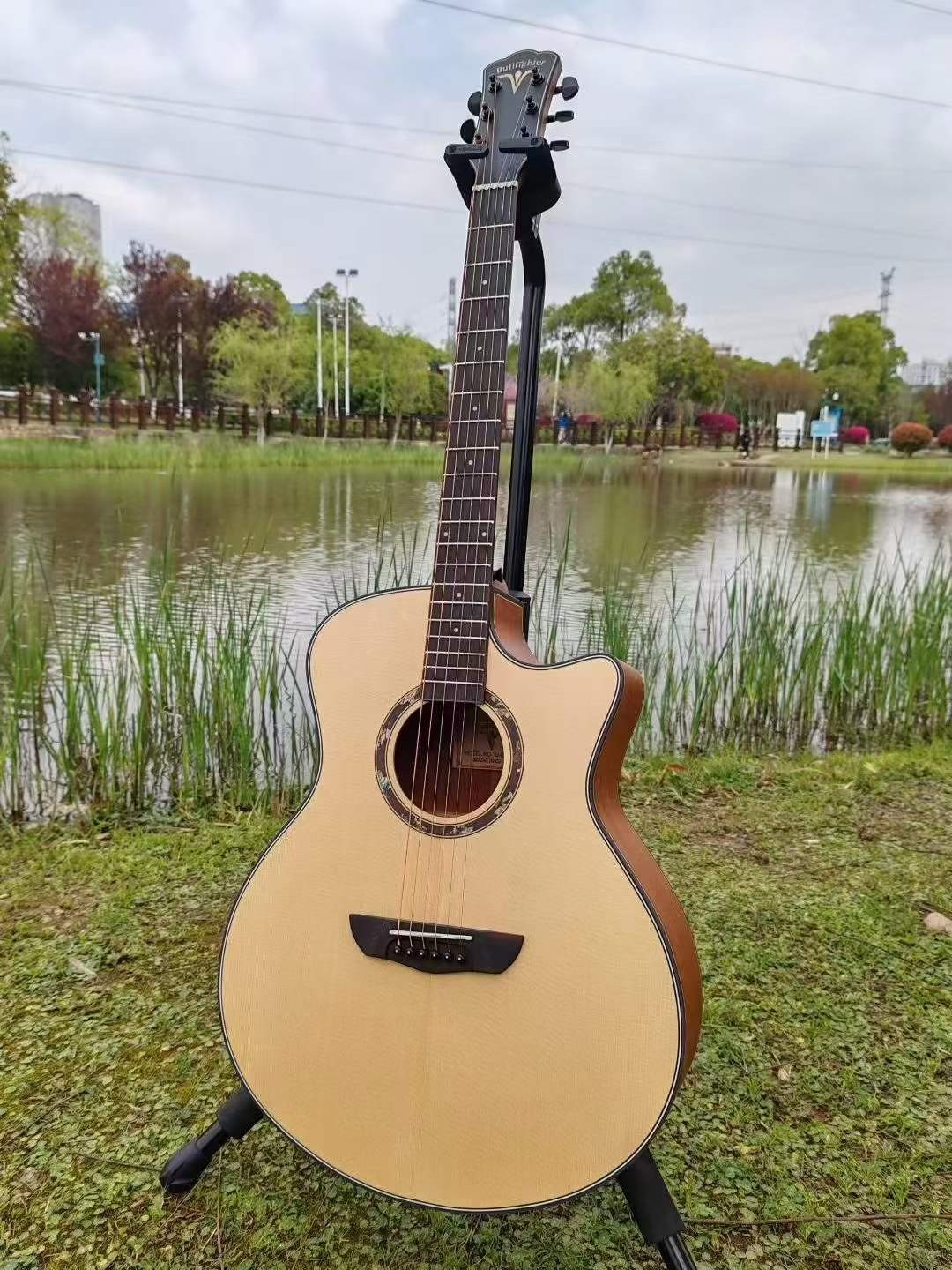
The global electric guitar market continues to experience sustained structural growth, driven by a renaissance in home recording, digital performance platforms, and expanding musical education across emerging economies. Among all iconic electric guitar silhouettes, the Telecaster (Tele-style) guitar remains an unmatched cornerstone for global music retailers, private-label brands, and wholesale distributors. Celebrated for its legendary tonal clarity, structural simplicity, modular design, and versatility across country, rock, blues, and modern indie genres, the Tele-style platform yields high profit margins and rapid inventory turnover when sourced through reliable supply chain partners.
China has established itself as the undisputed global epicentre for musical instrument manufacturing, accounting for over 70% of the world's stringed instrument output. However, global procurement directors and musical instrument importers face a complex supplier matrix. Navigating Chinese guitar factories requires moving beyond superficial price-per-unit metrics toward a comprehensive evaluation of lutherie engineering standards, automated CNC precision, climate-controlled wood seasoning, CITES compliance, and third-party verified quality management systems (QMS).
This industry whitepaper provides an exhaustive technical analysis of Tele-style guitar manufacturing in China, outlining critical product specifications, wood stability physics, pickup electronics engineering, and global B2B procurement trends. Published by Changsha YBUL Instrument Co., Ltd. (operating the renowned Bullfighter brand), this guide delivers actionable insights to help international sourcing executives build resilient, high-margin guitar product lines.
Key Procurement Insight: Sourcing Tele-style electric guitars from SGS-assessed manufacturers ensures strict adherence to wood moisture tolerances (8%-10%), neck pocket alignment tolerances (<0.05mm), and international environmental compliance standards such as RoHS and CITES.
Founded in 2015 in Changsha, Hunan Province—China's booming hub for industrial innovation—Changsha YBUL Instrument Co., Ltd. has grown into a premier OEM and ODM musical instrument manufacturer. Spanning a total operational footprint of 16,483 square meters across two state-of-the-art production plants and an advanced R&D center, YBUL bridges industrial automation with artisanal lutherie craftsmanship.
Unlike traditional trading companies operating as intermediaries, YBUL is independently verified by SGS Group as both an onsite-assessed manufacturer and export facility. Employing between 101 and 200 dedicated lutherie specialists, CNC technicians, and finishing craftspeople, the enterprise maintains an impressive monthly capacity of 15,000 acoustic and electric guitars, alongside over 1,000 specialized amp and drum hardware units.
| Operational Metric | Factory Specification & Capability Standard | B2B Buyer Advantage |
|---|---|---|
| Facility Scale & Footprint | 16,483 ㎡ total space across 2 plants + 2,500 ㎡ R&D HQ | Scalable production capacity preventing lead-time bottlenecks |
| Monthly Production Capacity | 15,000 Electric/Acoustic Guitars; 1,000 Drum Thrones/Amps | Consistently satisfies high-volume seasonal inventory spikes |
| Third-Party Verification | SGS Onsite Assessed Supplier; Verified Custom Manufacturer | Complete transparency and reduced international buyer risk |
| Machinery Infrastructure | High-Frequency Vacuum Dryers, 5-Axis CNC Routers, Auto-Paint Lines | Micron-level dimensional accuracy and flawless finish consistency |
| Export Reach & Markets | North America (35%), Western Europe (30%), South America, SE Asia | Familiarity with regional safety, customs, and market preferences |
| Incoterms Supported | FOB, CFR, CIF, EXW, FCA, CPT, CIP, DDP, DDU, Express | Flexible logistics customized to your supply chain strategy |
YBUL’s corporate philosophy prioritizes strict quality control over low-grade mass compromise. By integrating high-frequency vacuum timber drying equipment, precision wide-belt sanders, automated fret-slotting saws, and multi-stage spray booths, the factory ensures that every Tele-style guitar leaving the facility maintains structural integrity across diverse climatic zones—from humid tropical retail outlets to dry northern European winters.
Sourcing Tele-style guitars requires a granular understanding of how component selection impacts acoustic resonance, neck stability, electronic hum performance, and overall playability. Below is an engineering analysis of key product development trends defining modern Tele-style manufacturing in China.
Thermally baking neck timber at 180°C–220°C in oxygen-free kilns crystallizes hemicellulose, eliminating residual moisture. This results in extreme dimensional stability against temperature fluctuations, lighter neck mass, and enhanced vintage resonance.
Transitioning from low-cost ceramic magnets to genuine Alnico 5 single-coils and humbuckers delivers authentic '50s/"60s Tele twang—tight low end, rich chimey mid-range, and smooth glass-like highs without harsh high-frequency spikes.
Upgrading from classic 3-saddle bridges to modern 6-saddle hardtail bridges allows precise individual string intonation. Combined with 2.7mm medium-jumbo frets and hand-crowned fret ends, string action drops under 1.5mm without buzzing.
The tonal foundation of any solid-body Tele-style instrument lies in body timber selection. While classic models traditionally utilized American Ash or Alder, modern sustainable manufacturing in China has pioneered the use of premium alternative tonewoods offering identical density and superior cost efficiency:
Modern international retail consumers demand comfortable neck ergonomics. YBUL standardizes neck carves on a compound Modern "C" to "U" profile with a 9.5-inch or 12-inch fretboard radius. Furthermore, substituting synthetic plastic nuts with real unbleached bone nuts significantly improves open-string sustain, tuning stability, and friction reduction at the headstock transition.
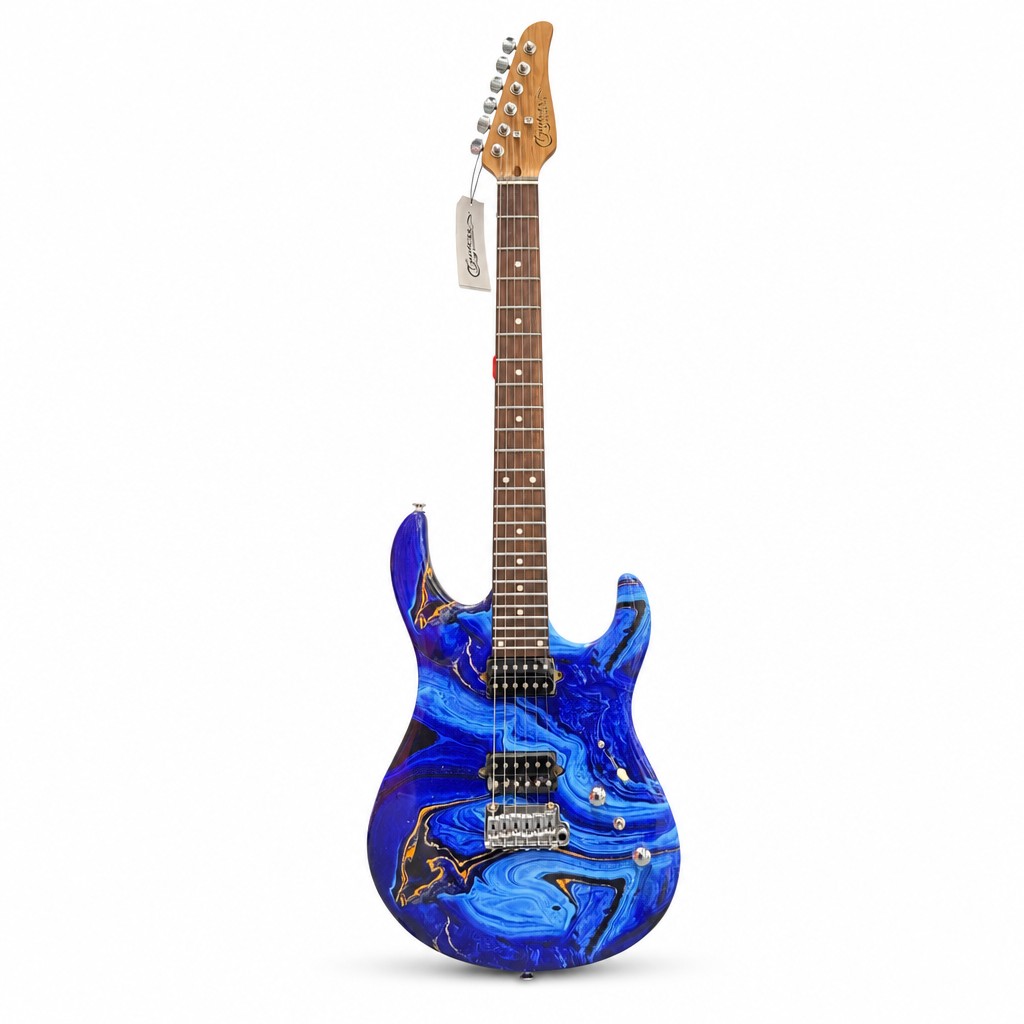
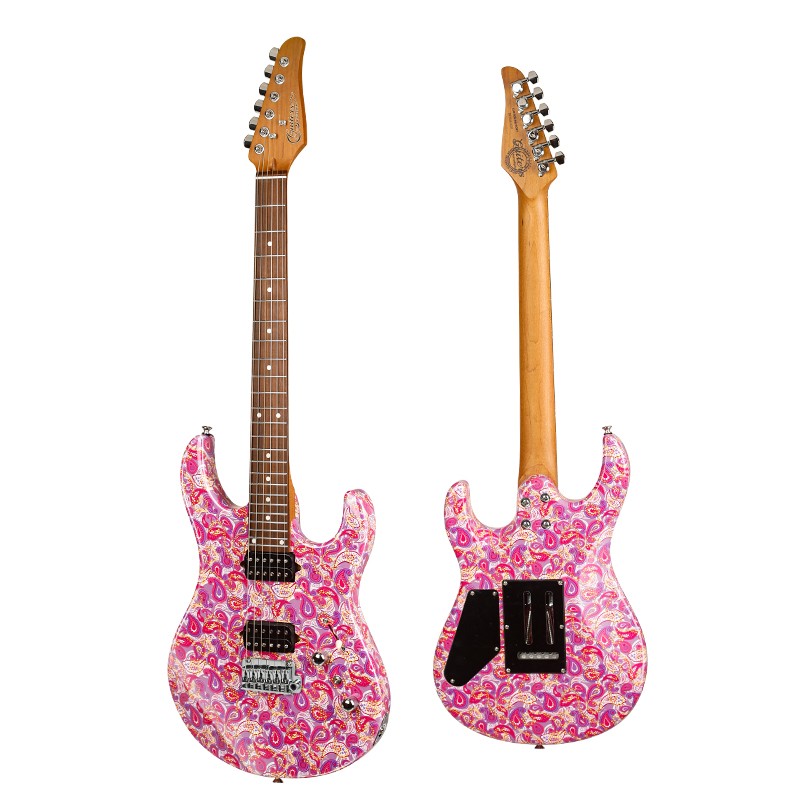
Finishing lines at YBUL feature multi-stage automated spray booths equipped with electrostatic dust recovery. Polyurethane coatings provide UV-resistant, scratch-impervious protection ideal for shipping and high-volume retail handling. For specialized OEM brand runs, thin satin finishes or custom aesthetic treatments—such as Royal Blue Marble, Purple Paisley, and Spring Blossom—allow private labels to stand out in saturated online marketplaces.
Sourcing strategies in the musical instrument domain are undergoing fundamental shifts. Importers, brand owners, and wholesale procurement managers must adapt to five prevailing industry trends when negotiating supply contracts with Chinese factories:
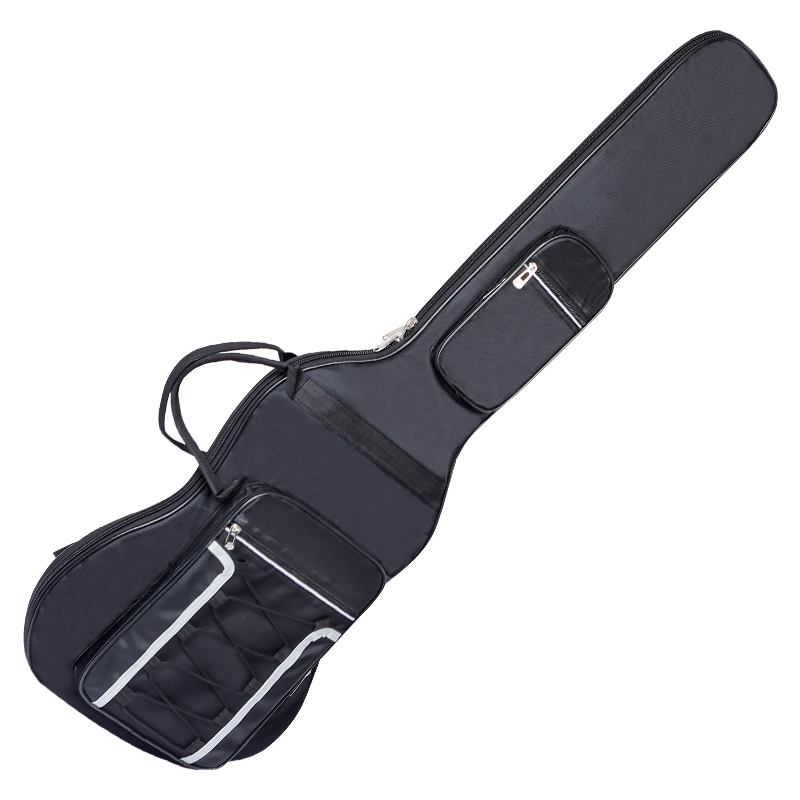
1. Rise of Direct-to-Consumer (D2C) & Private-Label Guitar Brands: Traditional retail supply chains involving multi-tier distributors are increasingly yielding ground to agile D2C brands. These companies require agile OEM factories offering low Minimum Order Quantities (MOQs), rapid prototyping, and turnkey private-label packaging (including custom branded gig bags and color boxes).
2. Demand for High-Spec Entry-Level & Mid-Tier Instruments: Modern guitarists are far more educated regarding technical specifications due to online reviews and YouTube gear breakdowns. Modern buyers demand feature sets previously reserved for $1,000+ custom shop models on $200–$400 retail guitars: roasted maple necks, stainless steel or high-cupronickel frets, Alnico magnets, locking tuners, and real bone nuts. Chinese manufacturers capable of integrating these hardware upgrades at scale hold a definitive competitive advantage.
3. Eco-Compliance & Sustainable Supply Chains: International trade regulations surrounding endangered woods (CITES Appendices II) have forced a transition away from natural Brazilian Rosewood toward ethically sourced Indian Rosewood, Laurel, or thermally treated Tech-Wood fingerboards. YBUL ensures full legal compliance and documentation for hassle-free customs clearance across EU and US ports.
4. Hybrid Instrument Ecosystems & Accessories Sourcing: Commercial buyers increasingly consolidate their vendor base. Sourcing electric guitars alongside matching high-density gig bags (e.g., 600D water-repellent fleece-lined bags), compact guitar amplifiers, drum thrones, and accessory kits from a single reliable factory drastically lowers ocean freight consolidation costs and administrative overhead.
Below are authoritative answers to primary questions raised by international procurement managers, brand buyers, and logistics directors when partnering with YBUL Instrument Co., Ltd.
Unlock factory-direct pricing, custom engineering support, and reliable monthly capacity for your musical instrument brand or wholesale distribution network.
Get Catalog