 English
 Español
 Deutsch
 Français
 Português
 Italiano
 Русский
 日本語
 한국어
 العربية English Español Deutsch Français Português Italiano Русский 日本語 한국어 العربية
Select from our standard manufacturing platforms or request full private-label OEM/ODM customization based on these verified structural designs.
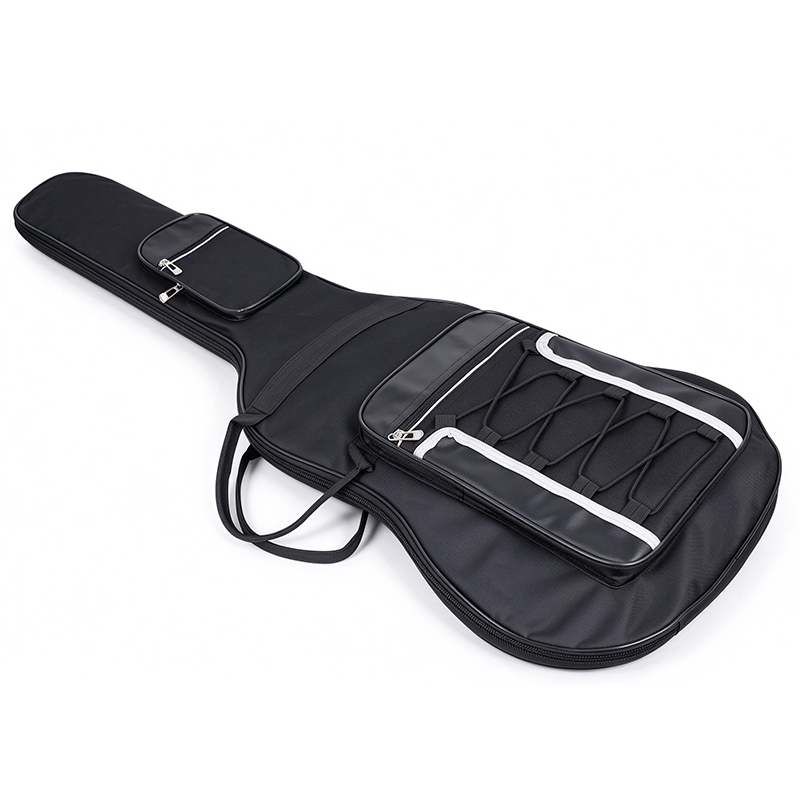
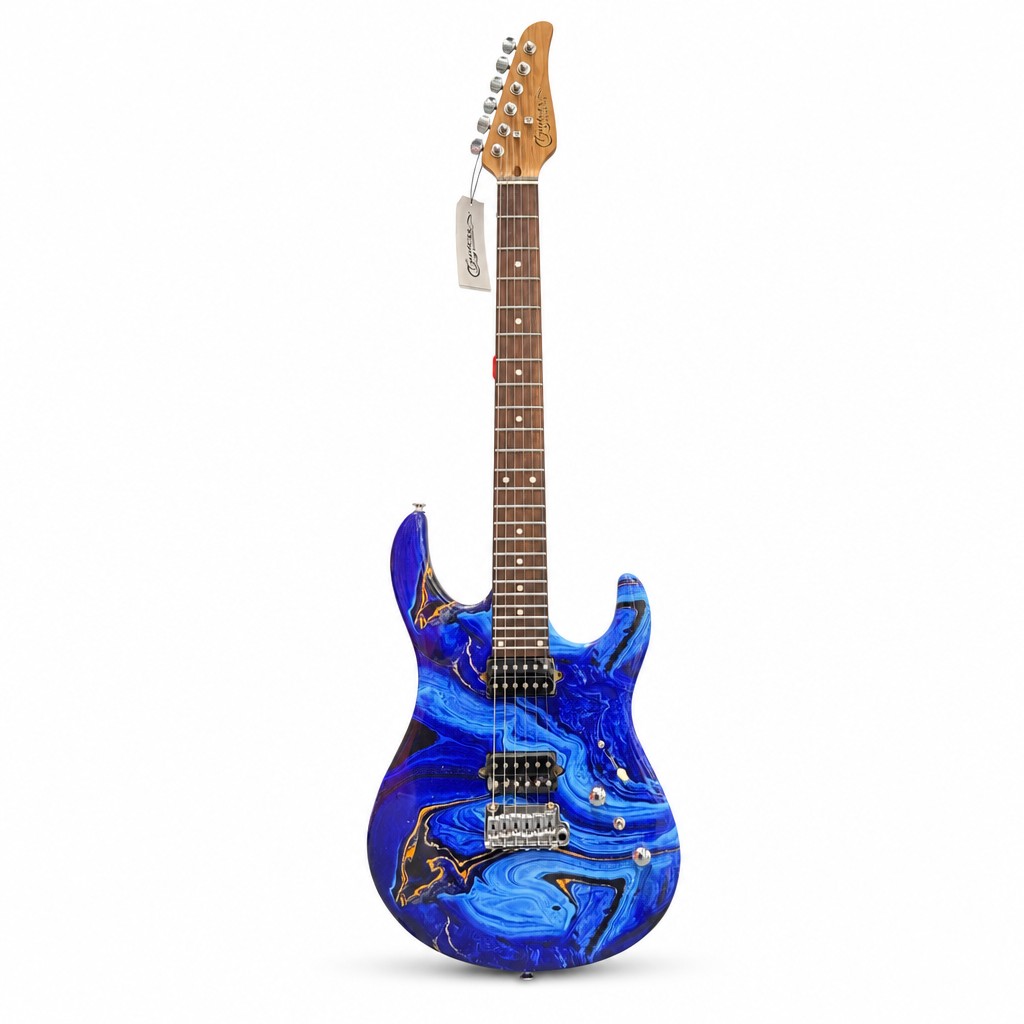
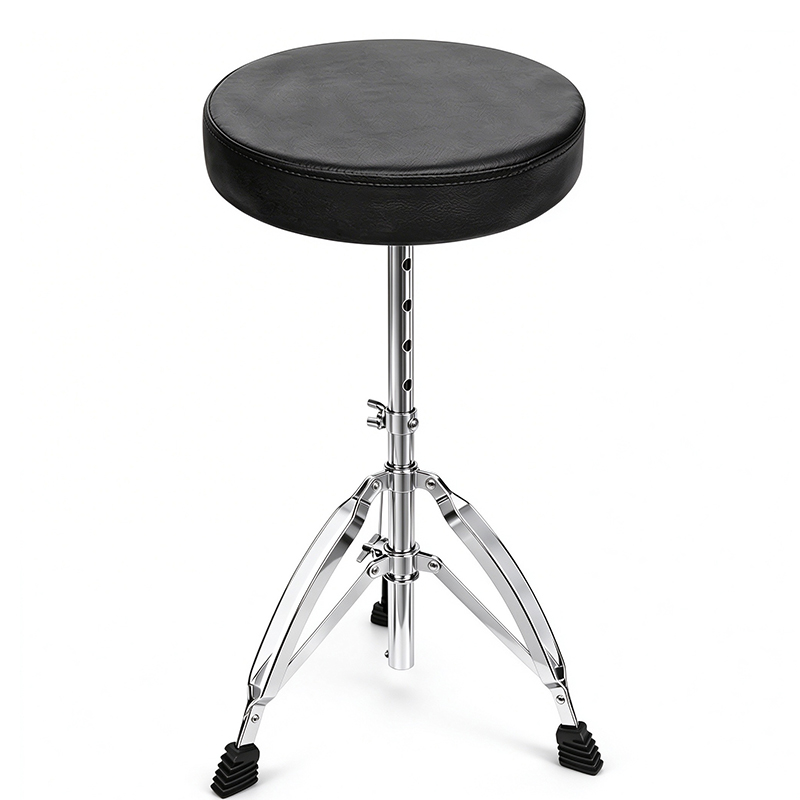
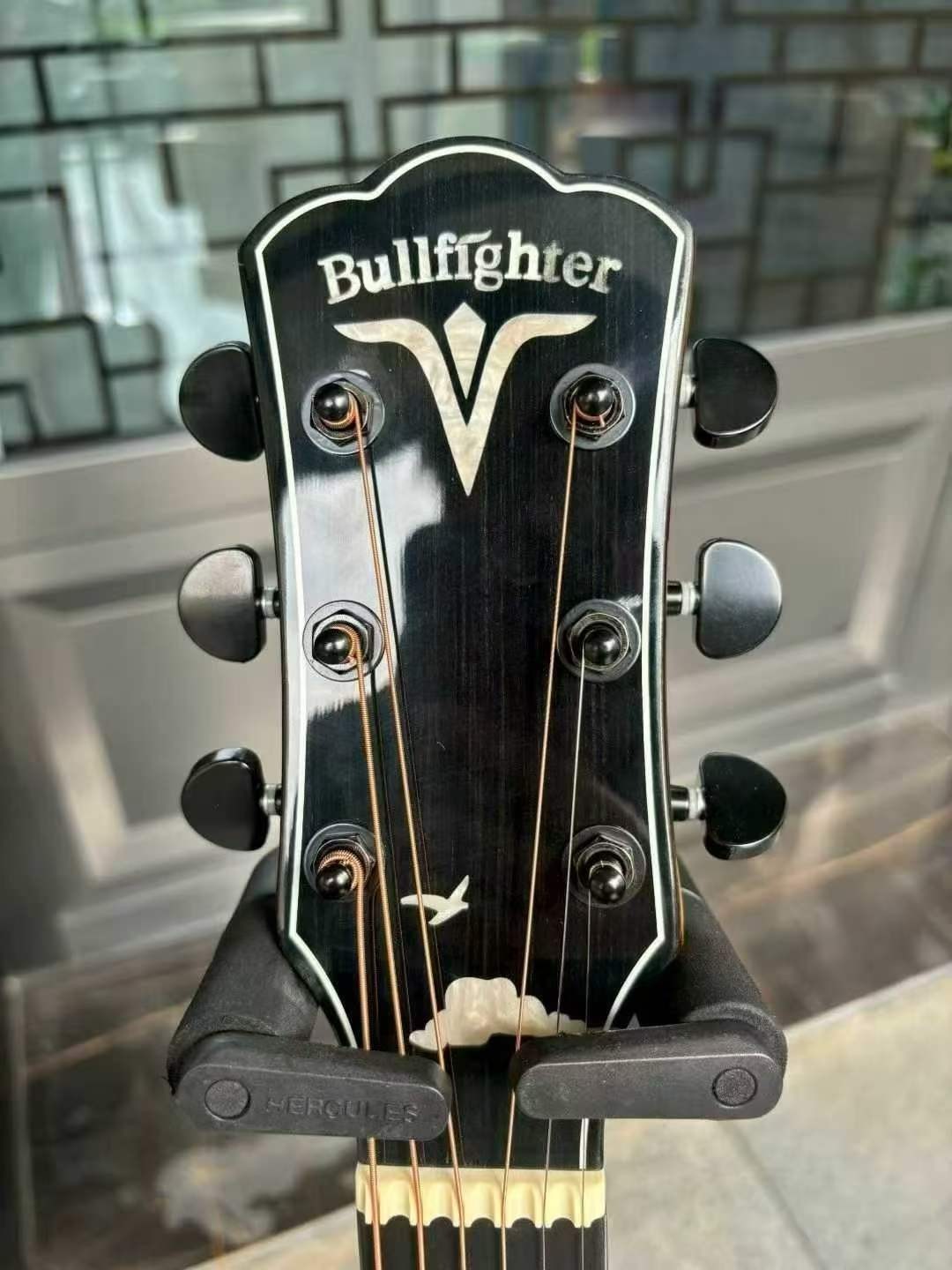


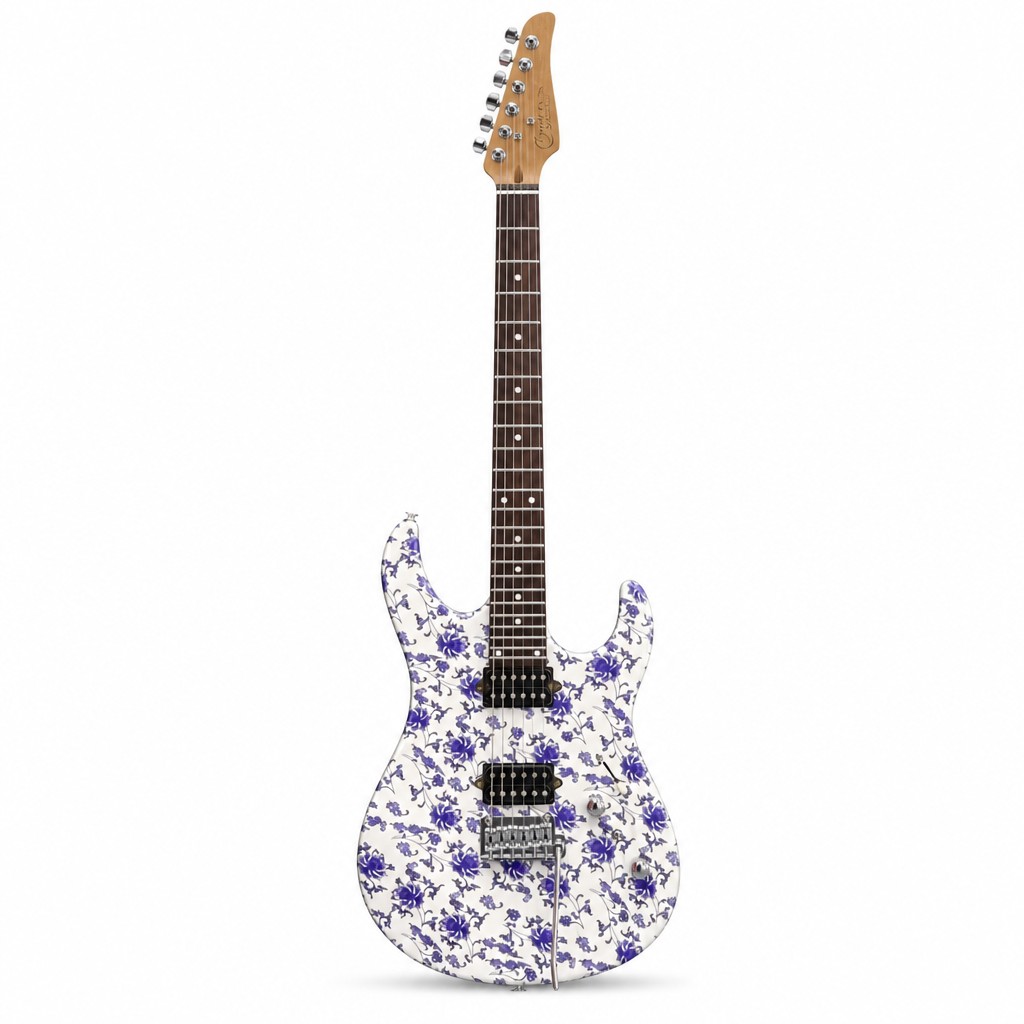
In the global musical instrument marketplace, procuring stringed instruments at commercial scale requires an intricate balance between traditional lutherie craftsmanship and industrial manufacturing precision. As brand owners, regional distributors, and e-commerce enterprise retailers look to expand their private-label catalogs, identifying a qualified Custom OEM Electric and Acoustic Guitar Manufacturer in China has shifted from a pure cost-reduction strategy to a high-stakes quality and technical capability partnership.
The global guitar market is experiencing unprecedented demand for high-spec, mid-to-premium level electric guitars, electric basses, and acoustic instruments featuring upgraded specifications—such as roasted maple necks, bone nuts, Alnico V magnetic pickups, stainless steel frets, and micro-metric body joint tolerances. Meeting these stringent market demands requires an enterprise-level manufacturing architecture capable of eliminating seasonal wood warping, neck relief instabilities, finish sinking, and electronic signal degradation.
Operating as an integrated manufacturing powerhouse in Changsha, Hunan, Changsha YBUL Instrument Co., Ltd. (YBUL) represents the modern standard of verified Chinese instrument manufacturing. Backed by an onsite physical factory assessment conducted by the SGS Group, YBUL operates two state-of-the-art production facilities spanning a total footprint of 16,483 square meters alongside a dedicated 2,500 m² corporate R&D center and global trade operational office.
Unseasoned tonewood is the single largest point of failure in global guitar supply chains. YBUL utilizes industrial High-Frequency (HF) vacuum drying chambers to reduce timber moisture content (MC) strictly to 8%–10%. This removes internal cell tension and prevents fret sprout, body splitting, or neck bowing when instruments are shipped across differing international climate zones.
Automated multi-axis CNC milling machines route guitar body cavities, neck pockets, fingerboard radiuses, and fret slots within an exact tolerance of ±0.05mm. This guarantees flawless neck-to-body joint coupling, maximizing string acoustic transfer, sustain, and structural rigidity across every batch.
With a skilled workforce ranging between 101 to 200 specialized lutherie technicians, YBUL produces upwards of 15,000 electric/acoustic guitars and 1,000 sets of electronic drums and amplifiers per month. Every production run undergoes a rigorous 9-stage quality control protocol prior to final export packaging.
When engineering a custom private-label guitar line, purchasing directors must align material specifications with target retail price tiers, sonic profiles, and target musician demographics. Below is a comprehensive engineering breakdown of standard and premium customization options available at our manufacturing facility:
| Structural Component | Standard Specification (Entry Level) | Professional OEM Spec (Mid-Tier) | Bespoke Custom Spec (Flagship) |
|---|---|---|---|
| Body Wood Base | Basswood / Poplar / Solid Laminate | Selected Okoume / Alder / Ash | 2-Piece Bookmatched Mahogany / Swamp Ash |
| Top Veneer / Cap | Solid Color Paint / Graphic Art | AAAA Flame Maple / Quilted Maple Veneer | Solid 1/4" Flame Maple Cap with Natural Binding |
| Neck Material | Hard Maple (C-Shape Profile) | Thermally Treated Roasted Maple | 5-Piece Maple/Walnut Reinforced Construction |
| Fingerboard | Technical Wood / Engineered Rosewood | Selected Laurel / Indian Rosewood | Ebony / Flame Roasted Maple (305mm / 12" Radius) |
| Frets & Hardware | Nickel Silver Frets / Die-Cast Tuners | High-Cupro Frets / Sealed Precision Tuners | 24 Stainless Steel Frets / Locking Tuners / Bone Nut |
| Pickup Electronics | High-Output Ceramic Magnet Pickups | Alnico V Single-Coils & Humbuckers (HH / HSS) | Custom Wound Alnico V / Active Preamp Systems |
Quality reliability in mass production is achieved solely through standardized process control. Unlike smaller unverified workshops, YBUL operates an end-to-end industrial lutherie workflow structured across nine closed-loop stages:
As the international music instrument industry evolves, purchasing managers must position their supply chains ahead of changing consumer preferences, environmental regulations, and material shortages. Key macro-trends reshaping OEM guitar manufacturing include:
Thermal torrefaction bakes maple and okoume at high temperatures in oxygen-deprived kilns. This crystallizes residual wood sugars, imitating decades of natural aging. The result is lightweight, immune to seasonal humidity changes, and visually striking with a deep amber hue.
Once reserved exclusively for boutique custom shops, stainless steel frets are rapidly becoming mandatory for mid-tier commercial models due to their near-zero wear rate, ultra-smooth bending action, and long-term customer satisfaction benefits.
Global customs enforcement regarding endangered rosewood species (CITES Appendix II) has pushed top OEM brands toward compliant alternatives such as Tech-wood, Laurel, and thermally stabilized FSC-certified European hardwoods without sacrificing sonic density.
We operate as a dual-structured entity combining direct manufacturing power with global trade support. Our premises have been physically inspected onsite by SGS Group. We operate two production factories encompassing 16,483 square meters of space, complemented by a corporate headquarters, international trade department, and R&D center located in Changsha, Hunan.
Our dedicated production lines produce approximately 15,000 electric and acoustic guitars and electric basses each month, in addition to roughly 1,000 sets of electronic drum kits, guitar amplifiers, and gig bags. This industrial volume enables us to accommodate both large-scale distributor production runs and steady container replenishment orders.
We offer full-spectrum private label customization: headstock shape contouring, laser-engraved or silk-screened logos, neck profiles (Modern C, Thin U, Vintage V), fretboard radius, truss rod position, body timber selection, veneer figuring, custom finish color matching (Pantone/RAL), pickup winding specs, active/passive preamps, hardware plating (Chrome, Black, Gold), gig bag padding density, and custom-printed master carton packaging.
For stocked factory designs available in our 200+ design showroom, MOQs start as low as 6 to 30 units depending on the model. For full custom OEM/ODM production runs, standard MOQs generally start at 50–100 units per specification. Sample development typically requires 15–25 days, while bulk production lead times average 30–45 days following final sample sign-off.
We support all standard global trade terms including FOB, CFR, CIF, EXW, FCA, CPT, CIP, DDP, and DDU. Payment options include T/T (Telegraphic Transfer), L/C at sight, D/P, D/A, PayPal, Credit Card, Western Union, and Escrow, processed in major currencies including USD, EUR, GBP, CAD, AUD, JPY, and HKD.
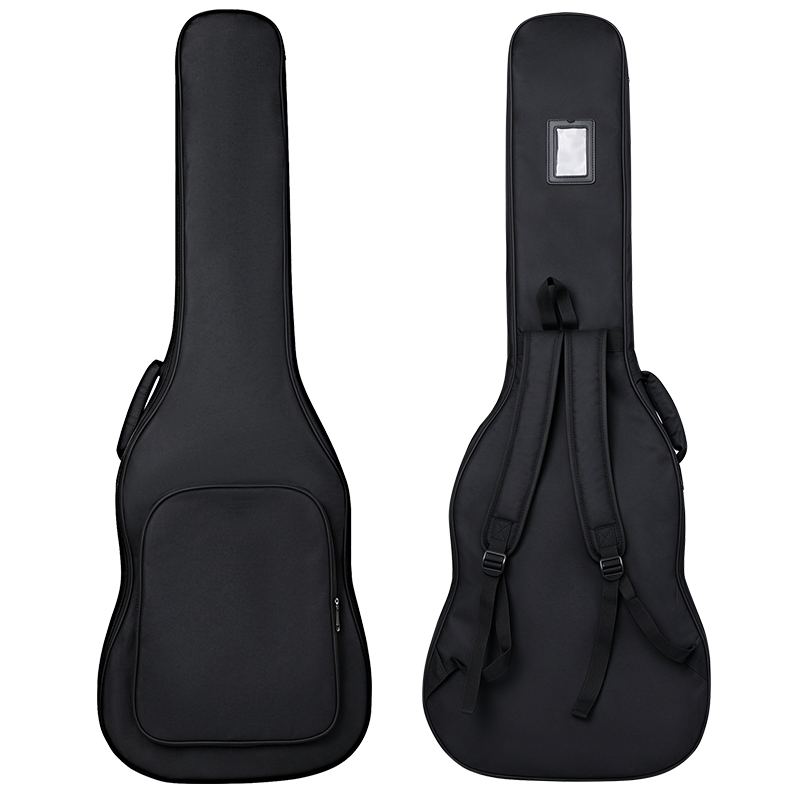
All instruments are encased in thick EPS foam cradles or heavy-duty padded gig bags before placement inside 5-ply double-wall corrugated export cartons. Desiccant packs are inserted into every sealed inner bag to absorb ambient moisture during sea transit, ensuring instruments arrive at destination ports in perfect tuning stability and finish condition.
Request custom manufacturing quotes, engineering drawings, or pre-production samples. Our dedicated international B2B export team provides technical consultations within 24 hours.
Contact Us