 English
 Español
 Deutsch
 Français
 Português
 Italiano
 Русский
 日本語
 한국어
 العربية English Español Deutsch Français Português Italiano Русский 日本語 한국어 العربية
Explore our export-ready products manufactured under ISO-standard production controls, available for private label customization, bulk supply, and OEM co-development.
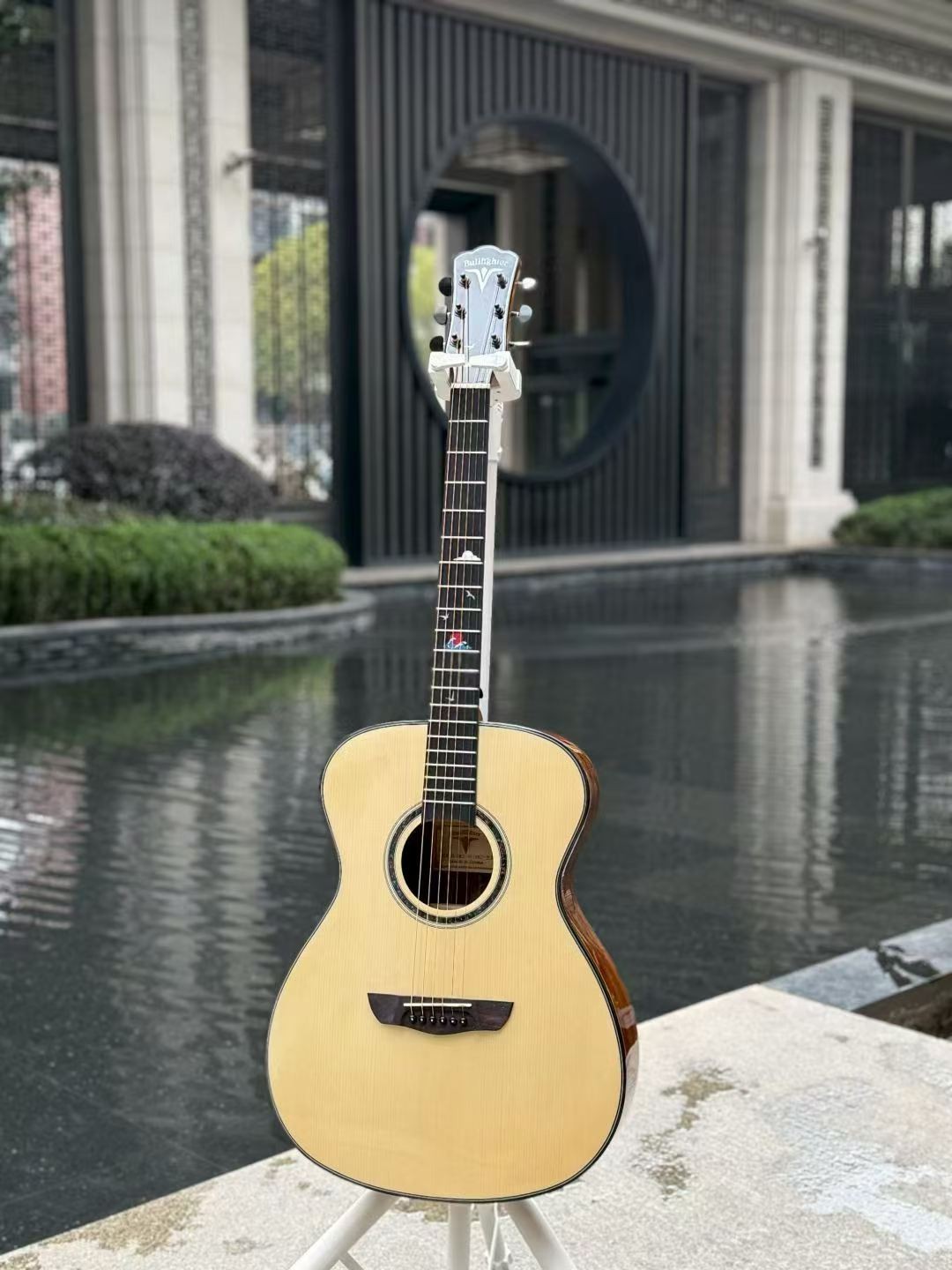
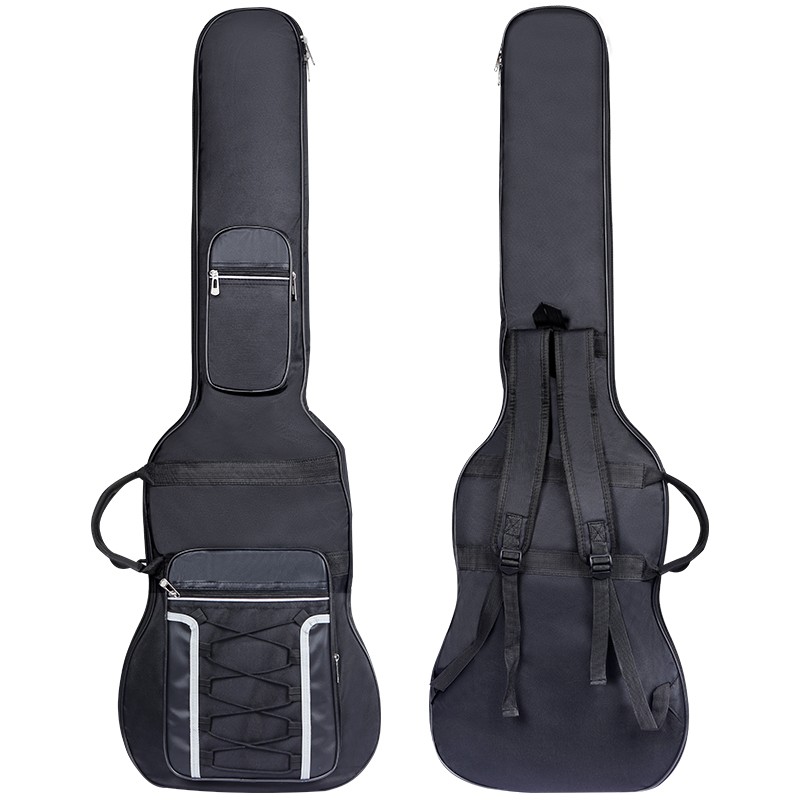
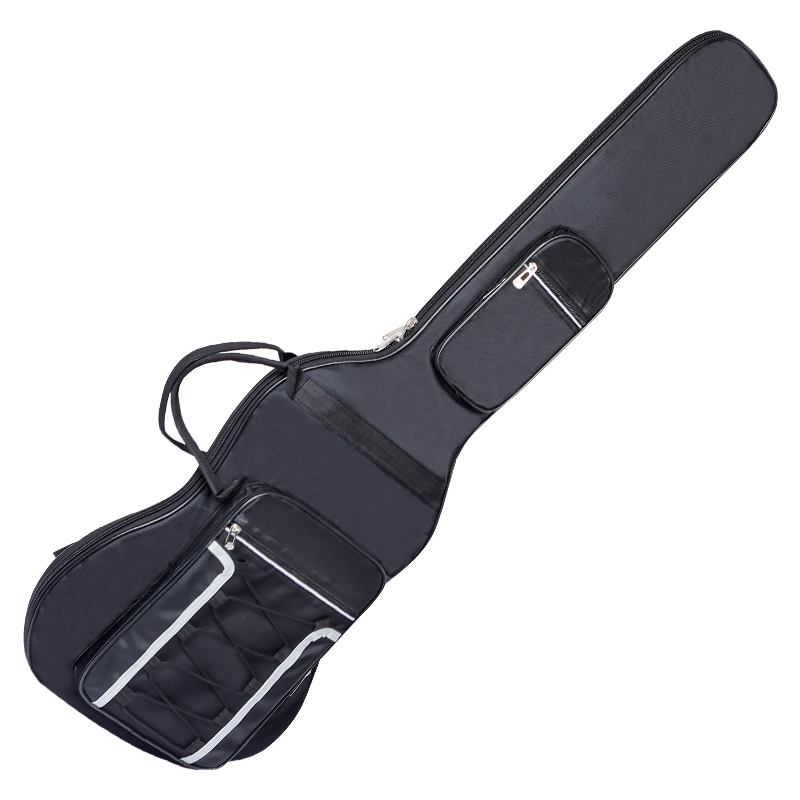


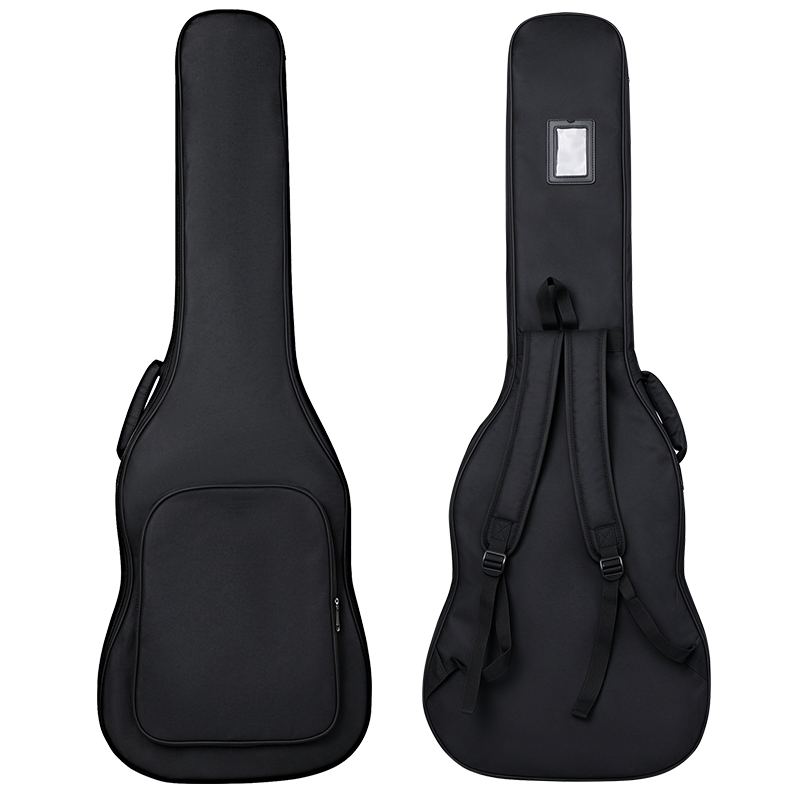
The global demand for electric string instruments, particularly four-string electric bass guitars, is experiencing a structural evolution. Driven by expanding home recording setups, live performance revival, and the proliferation of digital music education, international brand owners and regional wholesalers face an urgent need to secure flexible, high-precision manufacturing partners. As procurement directors evaluate suppliers across East Asia, navigating the trade-offs between unit cost, wood stabilization, hardware tolerances, and regulatory compliance (such as CITES timber tracking and REACH finish certifications) has become paramount.
Four-string bass guitars remain the foundational anchor of the global bass market, representing over 78% of commercial sales nationwide and internationally. Their fundamental design—offering standard E-A-D-G tuning—demands uncompromising structural integrity. Unlike six-string electric guitars, four-string basses operate under significantly higher string tension (typically ranging between 160 to 220 lbs total pull). Consequently, failure in neck stability, truss rod engineering, or body joint tolerances directly results in fret buzz, unstable action, and long-term neck warping. For private label brands, sourcing from unverified tier-3 workshops often leads to catastrophic return rates in overseas markets with varying climates, such as North America and Northern Europe.
To establish market leadership, procurement teams are shifting away from transactional sourcing toward high-integration Original Equipment Manufacturer (OEM) and Original Design Manufacturer (ODM) relationships. A specialized factory partner must possess not only advanced CNC woodworking technology but also automated timber drying systems, controlled finishing environments, and rigorous electronic testing suites.
Eliminates internal wood moisture down to 8%–10% equilibrium moisture content (EMC), preventing warping, neck twist, and body cracking under extreme temperature shifts in international export markets.
Automated cutting ensures neck pockets, pickup cavities, and fret slots maintain micron-level consistency, guaranteeing flawless neck-to-body alignment and pristine playability across mass runs.
In-house assembly of low-noise preamps, split-coil (P-Bass), and single-coil (J-Bass) pickups, featuring copper-foil shielded control cavities for studio-grade signal-to-noise ratios.
The manufacturing architecture of 4-string electric bass guitars has evolved beyond traditional manual luthiery into high-tech, scalable industrial engineering. To stay competitive, modern brand owners must align with factories capable of integrating advanced material sciences, ergonomic profiling, and eco-friendly finishing methodologies.
Historically, tonewood selection relied solely on air-drying, which can take years and yields inconsistent moisture distribution across batch lots. Today, top-tier Chinese OEM exporters utilize high-frequency vacuum drying kilns that monitor moisture gradient in real time. For body construction, lightweight tonewoods like Okoume, Alder, Basswood, and Poplar are processed to achieve maximum resonant density without overburdening the player's shoulder. Necks are crafted from Canadian Hard Maple or Roasted/Torrefied Maple, paired with Rosewood, Laurel, or Technical Density Wood fretboards to ensure dimensional stability across varying humidity zones.
Contemporary player preferences favor lighter, highly contoured body profiles that reduce fatigue during extended stage performances. Modern OEM designs feature sculpted neck heels (3D beveling) that allow effortless access to the 21st through 24th frets. On the hardware front, high-mass bridge assemblies made of zinc alloy or solid brass have become standard for enhancing sustain and low-end clarity. Dual-action steel truss rods—accessible via the headstock or wheel-spoke nut at the heel—ensure precise relief adjustment under any string gauge configuration.
Strict global environmental standards have accelerated the adoption of automated electrostatic spraying booths and UV-cured polyurethane (PU) and polyester (PE) finishes. These state-of-the-art coatings provide high gloss, impact resistance, and vibrant color retention—including sunburst, metallic finish, matte satin, and transparent stained maple tops—while complying fully with VOC emission standards in international destination markets.
A strategic breakdown of component options, tonewood tiers, and target market positioning for B2B procurement decisions.
| Specification Tier | Tonewood Configuration | Electronics & Pickups | Hardware Grade | Target Market Application |
|---|---|---|---|---|
| Entry-Level / Student | Poplar / Basswood Body + Maple Neck + Tech Wood Fretboard | Passive Standard P-Bass Split Coil or JB Single Coils | Standard Open-Gear Tuners + Vintage 4-Saddle Bridge | Beginner Starter Packs, Educational Supplies, Supermarket Brands |
| Mid-Tier / Performance | Solid Okoume / Alder Body + Hard Maple Neck + Laurel/Rosewood Fretboard | Passive/Active Switchable, Alnico V Pickups, 2-Band Active EQ | Die-Cast Sealed Tuners + High-Mass Zinc Alloy Bridge | Retail Music Stores, Intermediate Players, Gigging Musicians |
| Pro / Custom ODM | Flamed Maple Top + Roasted Maple Neck + Ebony/Rosewood Fretboard | Custom Active 3-Band Preamp, Custom Humbuckers / PJ Layout | Locking Tuners, Individual Saddle Rail Bridge, Bone Nut | Boutique Brands, Professional Stage Artist Lines, Custom Shop OEM |
Global supply chain managers sourcing stringed instruments are navigating a changing trade environment. Success over the next decade will depend on several critical procurement trends:
As a leading Chinese designer, manufacturer, and exporter in the musical instrument domain, Changsha YBUL Instrument Co., Ltd. stands out as a reliable partner for global OEM/ODM four-string bass guitar projects. Combining modern industrial infrastructure with extensive export experience, YBUL delivers uncompromised quality directly from its production base in Changsha, Hunan.
YBUL operates an expansive physical footprint encompassing a 2,500 square-meter headquarters and R&D center in Changsha, supported by two dedicated production facilities totaling 16,483 square meters of manufacturing space. Supported by a skilled workforce of 101 to 200 craftspeople and technical engineers, our facility maintains a monthly output of over 15,000 acoustic and electric guitars/basses, alongside 1,000 sets of electronic drums, drum thrones, and guitar amplifiers.
Transparency is the foundation of long-term business partnerships. Changsha YBUL Instrument Co., Ltd. is officially verified as both a Manufacturer and Trading Company, with facility operations, production capacity, and legal compliance fully assessed onsite by the world-leading inspection authority, SGS Group. Buyers can inspect our published verification profiles, credit history, and operational certificates with complete confidence.
With more than 200 ready-to-produce instrument designs available in our showroom, we provide full-spectrum OEM/ODM private label production. Our engineering team assists with every detail:
To eliminate defects before shipment, every instrument moves through a strict 9-step quality control process: Raw Wood Selection & Humidity Testing → Splicing & Dynamic Balancing → Precision CNC Routing → Hand Sanding & Contour Polishing → Automated Paint Booth Coating → Temperature-Controlled Curing → Precision Assembly & Hardware Installation → Final Gloss Buffing & Fret Dressing → Sound Testing, Action Setup & Drop-Test Packaging Inspection.
Clear answers to key operational, technical, and commercial questions asked by international buyers and sourcing agencies.
Connect directly with our engineering and export team to request custom factory quotes, evaluate OEM samples, or obtain complete product catalogs.
Get Catalog