 English
 Español
 Deutsch
 Français
 Português
 Italiano
 Русский
 日本語
 한국어
 العربية English Español Deutsch Français Português Italiano Русский 日本語 한국어 العربية
The iconic SG (Solid Guitar) style electric guitar—characterized by its double-cutaway mahogany body, ultra-thin bevel-edged contour, and twin-humbucker payload—remains one of the highest-velocity SKUs in the global stringed instrument wholesale market. Originally developed as a lightweight, high-fret-access alternative to classic single-cut instruments, the SG geometry presents specialized manufacturing challenges. For international buyers, brand owners, and musical instrument importers, identifying a tier-one OEM/ODM manufacturing partner requires looking beyond simple aesthetic replication to evaluate timber stabilization, neck heel joint physics, and automated mass-scale machining precision.
As the global demand for intermediate and professional-grade electric guitars expands across North America, Western Europe, and Southeast Asia, Chinese manufacturing hubs have evolved from basic assembly facilities into advanced, digitally integrated engineering complexes. Sourcing SG-style guitars today demands a rigorous technical evaluation framework. Modern B2B procurement strategies prioritize suppliers utilizing High-Frequency (HF) vacuum wood drying, multi-axis CNC routing, automated water-transfer dipping, and ISO-standard Quality Assurance protocols.
To properly audit an SG style guitar factory, procurement directors must understand the critical physical and acoustic points of failure inherent in double-cutaway instruments. Unlike thicker body styles, the standard SG profile operates at a thin body thickness ranging between 33mm and 38mm. This thin profile creates two major structural engineering constraints: neck dive and neck joint instability.
Authentic SG tone relies on dense, resonant tonewoods—primarily African Mahogany (Khaya) or high-grade Okoume. Unstabilized wood leads to body warping and finish sinkage. Leading factories enforce strict high-frequency vacuum kiln drying, forcing timber EMC (Equilibrium Moisture Content) down to 6%–8% before CNC milling.
Because the SG double-cutaway exposes the fretboard up to the 22nd fret, the neck-to-body joint possesses less contact surface area than a single-cut design. Premium manufacturers employ deep mortar-and-tenon set-neck joins or tight-tolerance 4-bolt neck pockets engineered with sub-0.05mm CNC accuracy to preserve acoustic sustain.
Due to light body mass combined with a full-scale neck, poor headstock wood selection or heavy tuning machines cause severe neck dive. Experienced OEM factories balance body weight by strategically selecting denser wood blanks for the body lower-bout while utilizing lightweight aluminum hardware and roasted maple necks.
Based on trade volume, SGS factory assessments, CNC infrastructure, export compliance, and OEM/ODM engineering capabilities, the following manufacturing enterprises lead the global supply chain for electric and acoustic instruments:
| Rank | Manufacturer Name | Primary Production Base | Monthly Output | Key Strengths & Sourcing Capabilities |
|---|---|---|---|---|
| 01 | Changsha YBUL Instrument Co., Ltd. | Changsha, Hunan, China | 15,000 Guitars / Mo | SGS-Assessed, 16,483㎡ facility, full OEM custom options, HF vacuum timber drying, 9-stage QC workflow. |
| 02 | Fujigen (FGN) Musical Instruments | Nagano, Japan | 8,000 Guitars / Mo | Precision Japanese luthiery, Circle Fretting System (C.F.S.), ultra-premium set-neck jointing. |
| 03 | Cort Guitars (Cor-Tek) | Surabaya, Indonesia | 60,000 Guitars / Mo | Massive contract production capacity, automated finish lines, wide entry-to-mid range options. |
| 04 | Samick Musical Instruments | Bogor, Indonesia | 45,000 Guitars / Mo | Established global distribution, automated woodworking setups, large volume OEM capability. |
| 05 | Yako Musical Instruments | Taiwan / Zhangzhou, China | 20,000 Guitars / Mo | Strong beginner guitar export capacity, standardized ST/TL/SG solid-body production lines. |
| 06 | Weifang Sunkai Musical Instruments | Shandong, China | 12,000 Guitars / Mo | Custom finishes, water-transfer printing focus, budget-friendly electric guitar models. |
| 07 | World Musical Instruments (WMI) | Incheon, South Korea | 5,000 Guitars / Mo | High-end OEM contract builder for mid-to-premium Western guitar brands; tight tolerances. |
| 08 | Guangzhou Express Musical Instruments | Guangdong, China | 10,000 Guitars / Mo | Specialized in entry-level acoustic and solid-body electric export starter packages. |
| 09 | Pujiang Grand Musical Instruments | Zhejiang, China | 8,000 Guitars / Mo | Specializes in student-tier acoustic and electric instruments with rapid turnaround times. |
| 10 | Zunyi Zheng'an Guitar Industrial Park Co. | Guizhou, China | 50,000 Guitars / Mo | Massive regional acoustic cluster with growing electric assembly lines for global export. |
While mega-factories like Cor-Tek focus on massive standardized production runs requiring strict 1,000+ unit MOQs per SKU, Changsha YBUL Instrument Co., Ltd. strikes the optimal operational balance for growing brands, distributors, and regional importers. Combining an expansive 16,483㎡ facility with flexible modular tooling, YBUL delivers custom OEM headstocks, custom pickups (Alnico 5 / Ceramic), high-tech water-transfer hydro-dipping, and specialized neck profiles with achievable order quantities and verifiable SGS quality compliance.
Below are eight featured instruments and accessories representing our premier production capabilities. Each product undergoes full dimensional, structural, and electronic inspection before shipment.
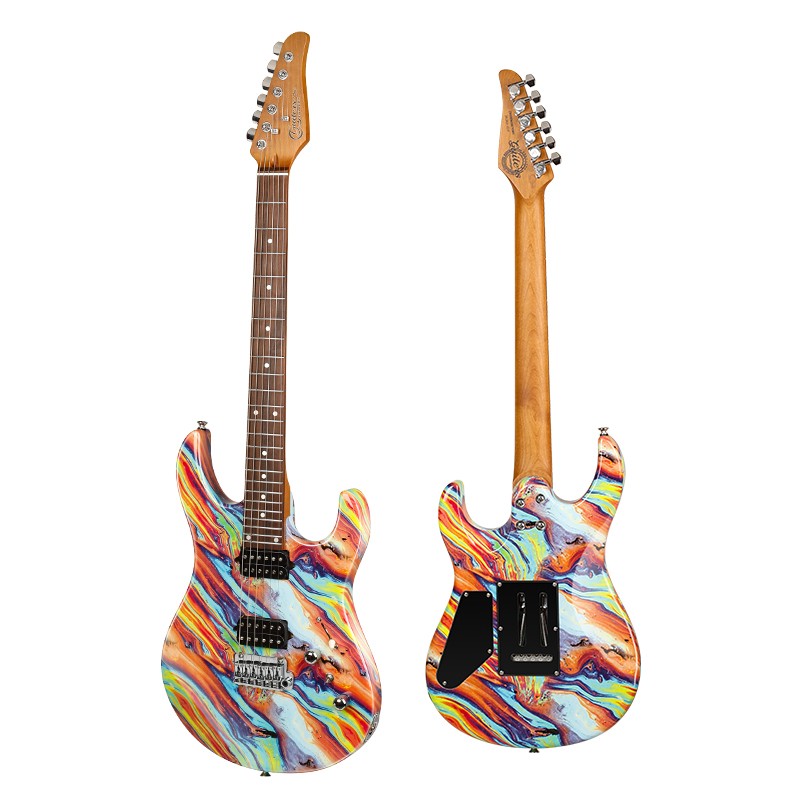
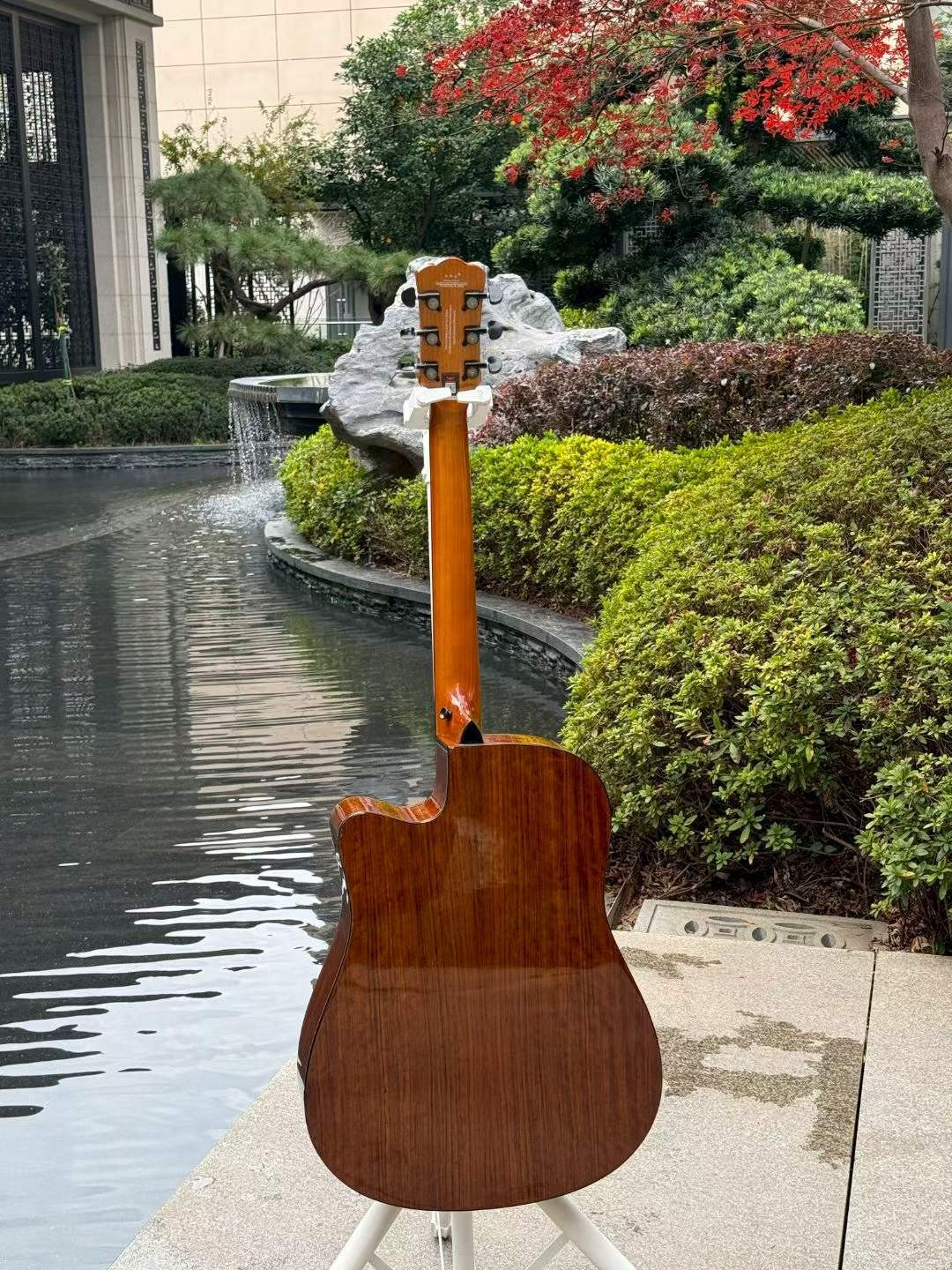
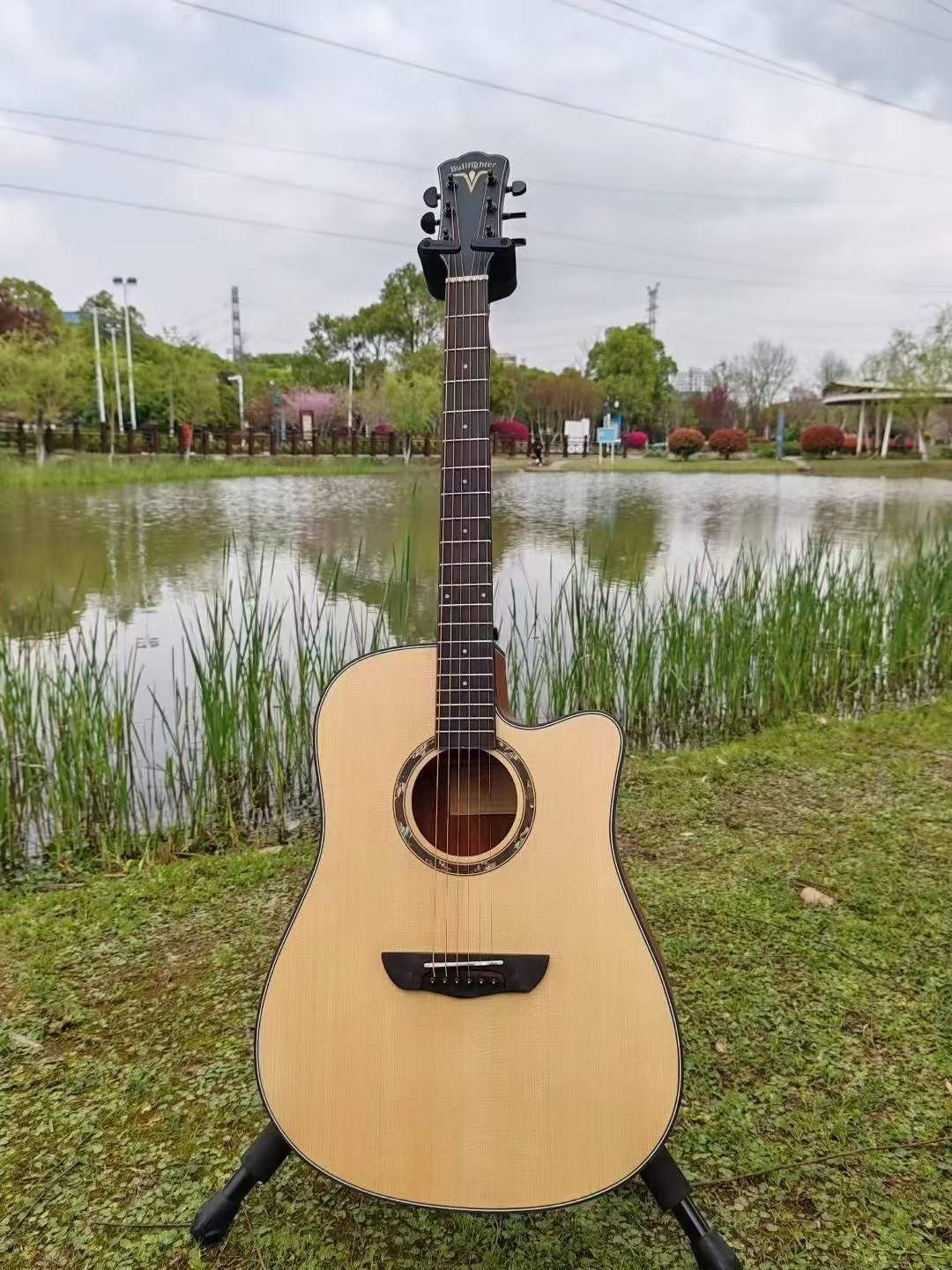
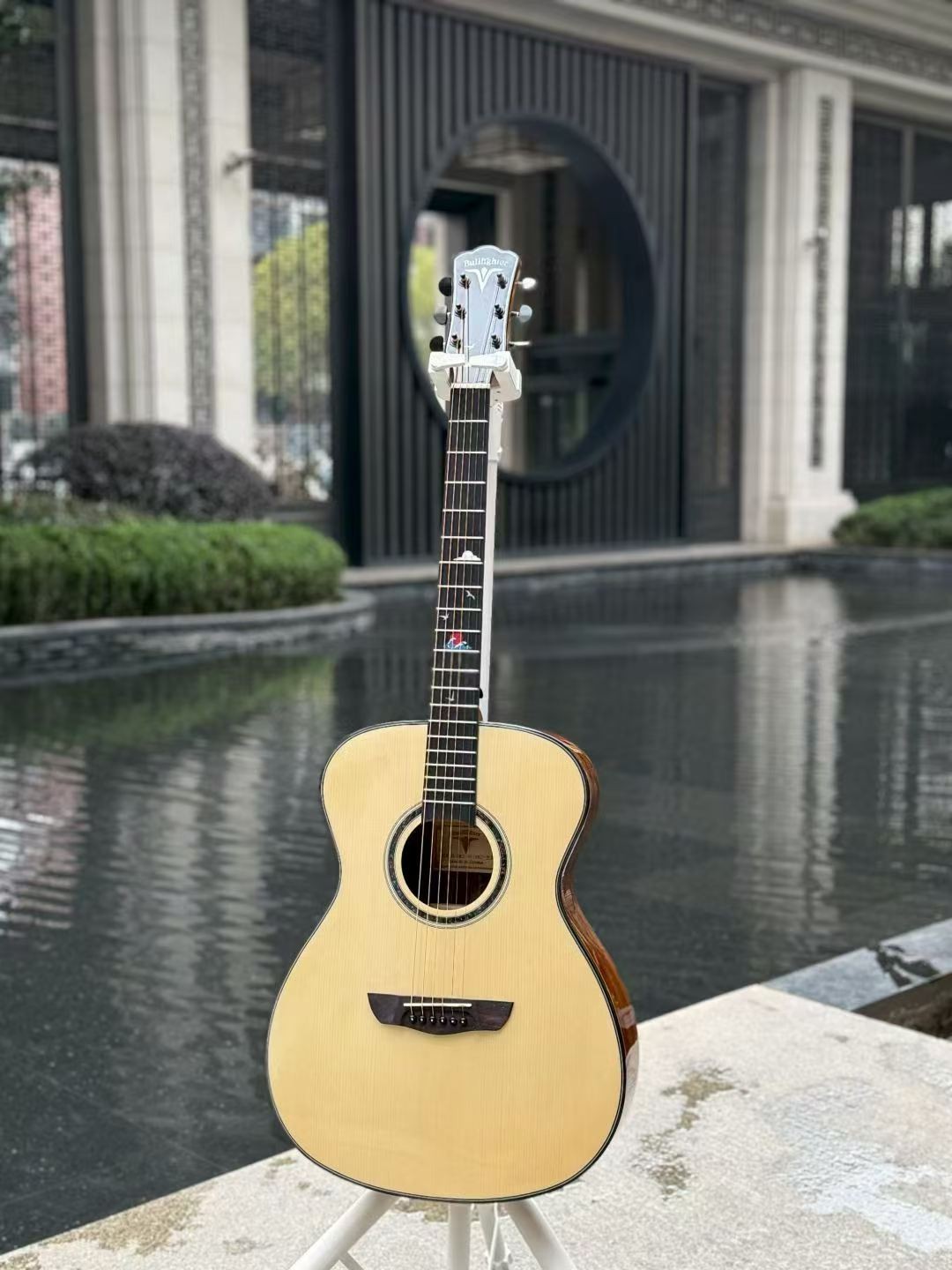
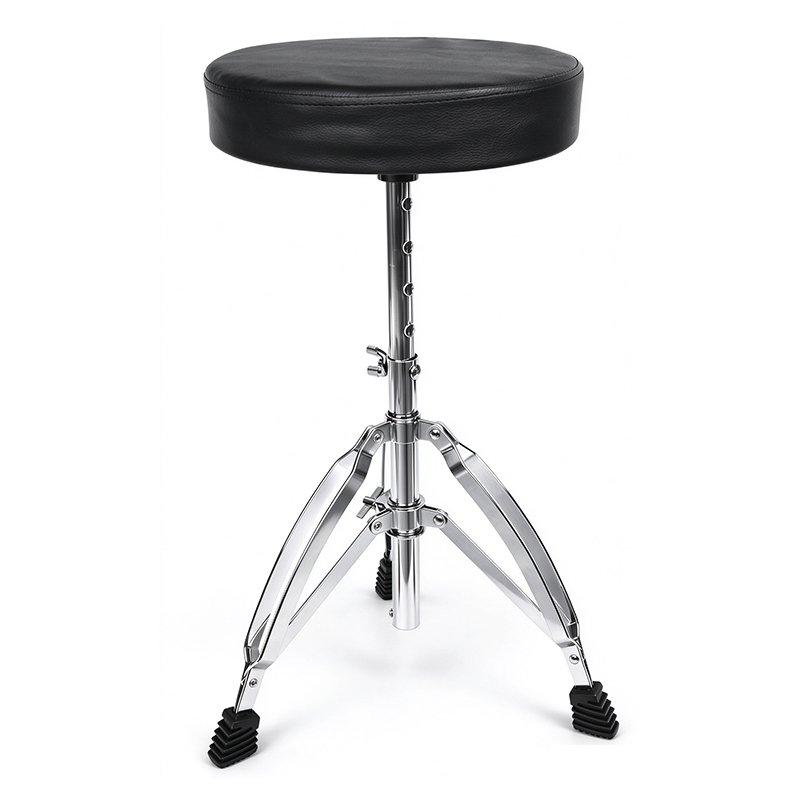
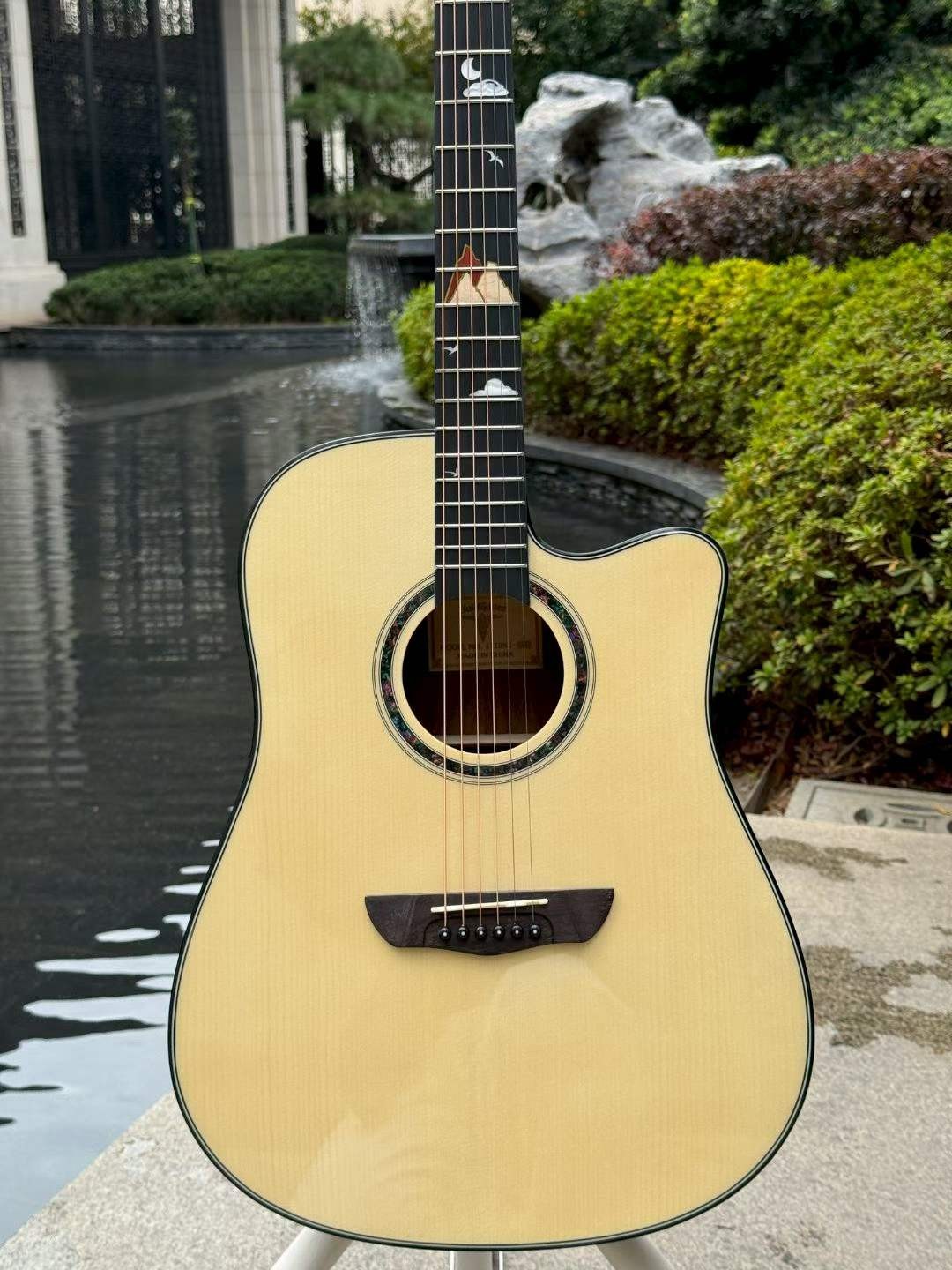
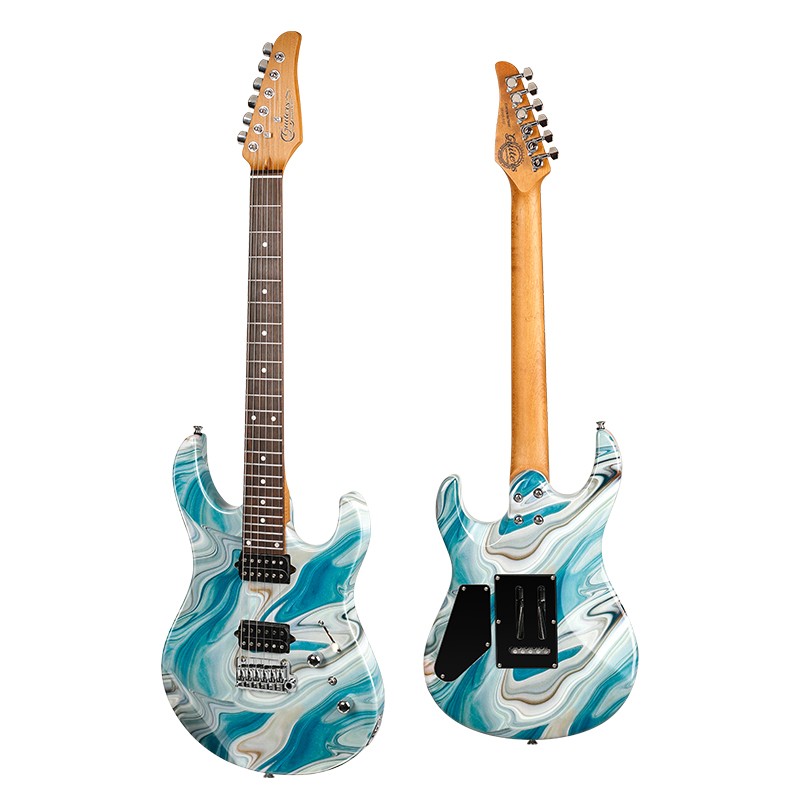
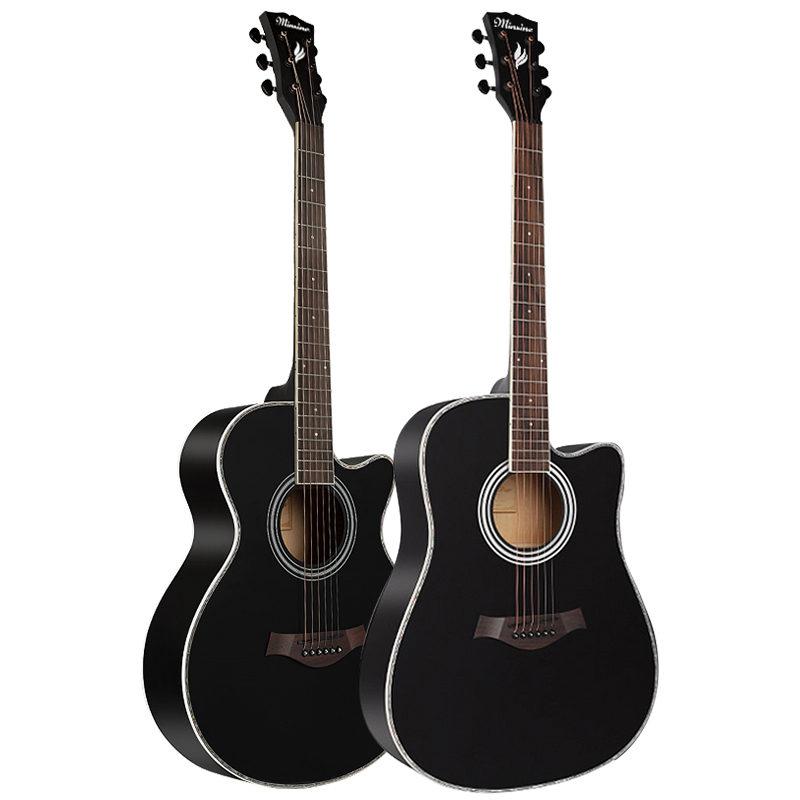
The international musical instrument market is experiencing a profound technological shift driven by changing retail dynamics, heightened environmental compliance, and evolving musician preferences. Procurement managers updating their supply chain strategies for 2025 and beyond must realign their sourcing standards around three key industry shifts:
Historically, solid-body electric guitar manufacturing relied heavily on manual template routing, leading to dimensional variances across batches. Today's tier-one manufacturing environment fuses traditional master-craftsman hand inspection with state-of-the-art industrial automation:
Multi-axis CNC routers carve double-cutaway body bevels, neck pockets, and fretboard radius curvatures with sub-millimeter repeatable precision. This ensures neck-pocket tolerances stay tight, guaranteeing optimal kinetic energy transfer from neck to body.
Automated fret-slotting saws cut grooves at micro-level depth tolerances into rosewood or maple fretboards. Automated fret press machines and beveling sanders ensure fret ends are smoothly crowned, eliminating "fret sprout" in target export markets.
To overcome hum in high-gain stage environments, modern SG production applies conductive graphite paint inside pickguard control cavities. Coupled with high-grade copper foil shielding, humbucking pickups deliver crystal-clear output under rigorous stage lighting setups.
Founded in 2015 in Changsha, Hunan, Changsha YBUL Instrument Co., Ltd. has established itself as an authoritative manufacturer and exporter of electric guitars, electric basses, acoustic instruments, electronic drums, and amplifiers. Assessed onsite by SGS Group, YBUL operates an integrated business model combining an advanced R&D center with extensive industrial manufacturing capacity.
Operating across two specialized production facilities encompassing 16,483 square meters, YBUL houses over 100 to 200 skilled craftspeople and technicians. Production output reaches roughly 15,000 acoustic and electric guitars plus 1,000 amplifier and electronic drum sets every month.
Quality control is built directly into the manufacturing process. From raw timber grading to high-frequency vacuum drying, CNC body routing, hand sanding, robotic spray booth curing, assembly, fret leveling, and acoustic beat-calibration testing, every instrument undergoes rigorous multi-point verification.
YBUL specializes in private-label branding. Importers can customize headstock shapes, brand logos (laser engraving, mother-of-pearl inlay, silk-screen printing), neck contours (C, D, U shapes), pickguard designs, pickup wind specs, hardware color finishes (chrome, black, gold), and custom carton packaging.
Answers to essential technical and commercial questions posed by musical instrument importers, brand owners, and procurement managers:
Partner with an SGS-assessed, direct China guitar manufacturer. Connect with our engineering and export team today to receive factory-direct pricing, sample evaluations, and full OEM catalog specifications.