English
 Español
 Deutsch
 Français
 Português
 Italiano
 Русский
 日本語
 한국어
 العربية English Español Deutsch Français Português Italiano Русский 日本語 한국어 العربية
Factory-direct OEM/ODM models engineered with selected African Mahogany, Engelmann Spruce, and Sitka Spruce.
In the global musical instrument manufacturing landscape, mahogany remains the indisputable cornerstone for acoustic tone wood architecture and solid-body electric guitar resonance. As commercial importers, brand owners, and regional distributors navigate international supply chains, identifying a qualified China Mahogany Guitar Supplier requires evaluating technical capabilities far beyond basic assembly. Mahogany species—primarily African Mahogany (Khaya senegalensis / Khaya ivorensis), Sapele (Entandrophragma cylindricum), and traditional Honduran Mahogany (Swietenia macrophylla)—possess distinct physical densities, cellular damping coefficients, and moisture hygroscopic behaviors.
Changsha YBUL Instrument Co., Ltd. operates as a premiere SGS-verified guitar manufacturer and exporter in China. Combining state-of-the-art computer numerical control (CNC) machining with traditional luthiery, YBUL manages an extensive production infrastructure covering over 16,483 square meters. Producing over 15,000 acoustic and electric guitars per month, our facility bridges high-volume industrial output with meticulous tonal voicing. This technical whitepaper provides B2B buyers with comprehensive intelligence on mahogany tonewood selection, manufacturing methodologies, supply chain compliance, and global procurement trends through 2030.
Information Gain Insight: Modern guitar manufacturing in China has transitioned from low-cost assembly to precision acoustic engineering. High-frequency vacuum wood drying equipment and automated climate chambers maintain tonewood moisture content between 8% and 10%, virtually eliminating neck warping and body cracking during transatlantic shipping and seasonal climate fluctuations.
Selecting the ideal timber profile is the primary determinant of instrument timbre, structural durability, and wholesale unit pricing. Suppliers in China utilize varied mahogany grades depending on target retail price tiers. Below is a rigorous material science comparison designed to guide procurement directors in formulating OEM specifications.
| Tonewood Property | African Mahogany (Khaya) | Sapele (Entandrophragma) | Honduran Mahogany (Swietenia) |
|---|---|---|---|
| Average Air-Dry Density | 570 - 650 kg/m³ | 640 - 720 kg/m³ | 490 - 600 kg/m³ |
| Janka Hardness Rating | 830 - 1,070 lbf | 1,410 lbf | 900 lbf |
| Acoustic Resonance Profile | Warm, open midrange with pronounced lower-order harmonics. | Bright, crisp attack with enhanced treble brilliance and punch. | Ultra-balanced frequency response; warm lows and articulate highs. |
| CITES Regulatory Status | Non-restricted (Unregulated for commercial export). | Non-restricted (Widely compliant for global transport). | Appendix II (Requires strict export permits and chain of custody). |
| Primary Instrument Application | Solid backs/sides for intermediate & solid-top acoustic series. | Cutaway body acoustics, electric guitar bodies, structural necks. | Bespoke master-grade acoustic guitars and boutique custom shop electrics. |
When sourcing from a top China mahogany guitar factory, understanding wood seasoning is crucial. Raw mahogany log processing requires an initial air-drying phase lasting 6 to 12 months, followed by automated kiln drying. YBUL’s high-frequency vacuum dryers stabilize wood moisture levels at 8% ± 1.5%. This controlled drying process reorganizes the internal cellular cellulose lattice, optimizing velocity of sound (VOS) transmission through the acoustic soundboard and back panels.
Delivering consistency across 15,000 monthly units requires rigorous process engineering. As an SGS-assessed custom manufacturer, YBUL integrates nine specialized operational divisions within our 16,483㎡ facility to guarantee zero-defect production runs.
Neck profiles, truss rod channels, and neck pockets are routed on 5-axis CNC machines to tolerances within ±0.05mm, ensuring perfect string action and structural stability.
Multi-stage inspection includes vernier caliper dimensional checks, electronic pitch calibration, fret level levelling via Plek-equivalent optical sensors, and drop-test packaging certification.
Dust-free spray chambers apply ultra-thin polyurethane (PU) and polyester (PE) lacquers. Thin-film coating protects timber without dampening acoustic top vibration.
B2B buyers, instrument brand managers, and retail chain purchasing officers must align their procurement strategies with evolving consumer preferences and international environmental mandates. Based on proprietary order analysis and global trade history, YBUL highlights four major macro trends shaping the mahogany guitar market:
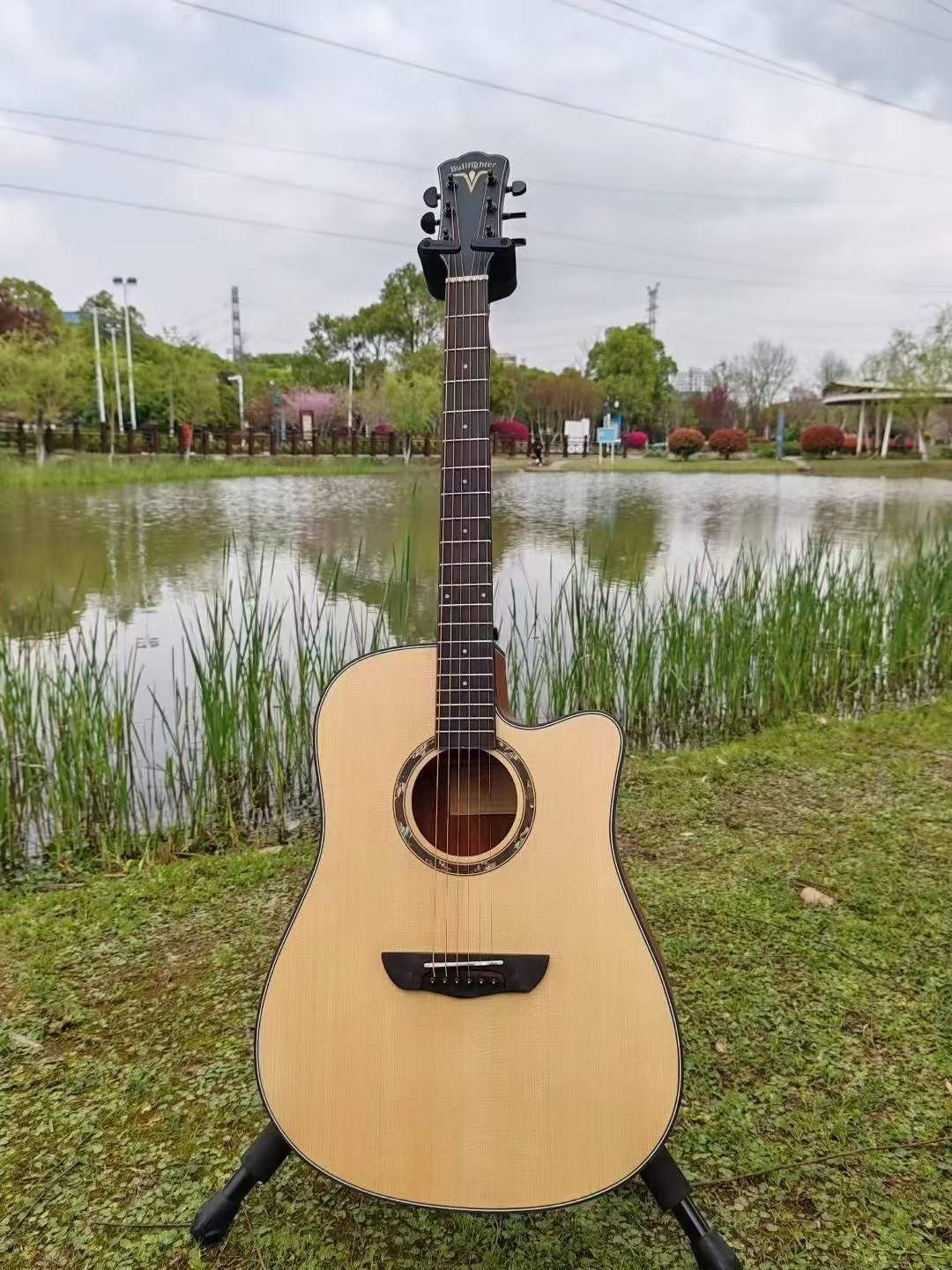
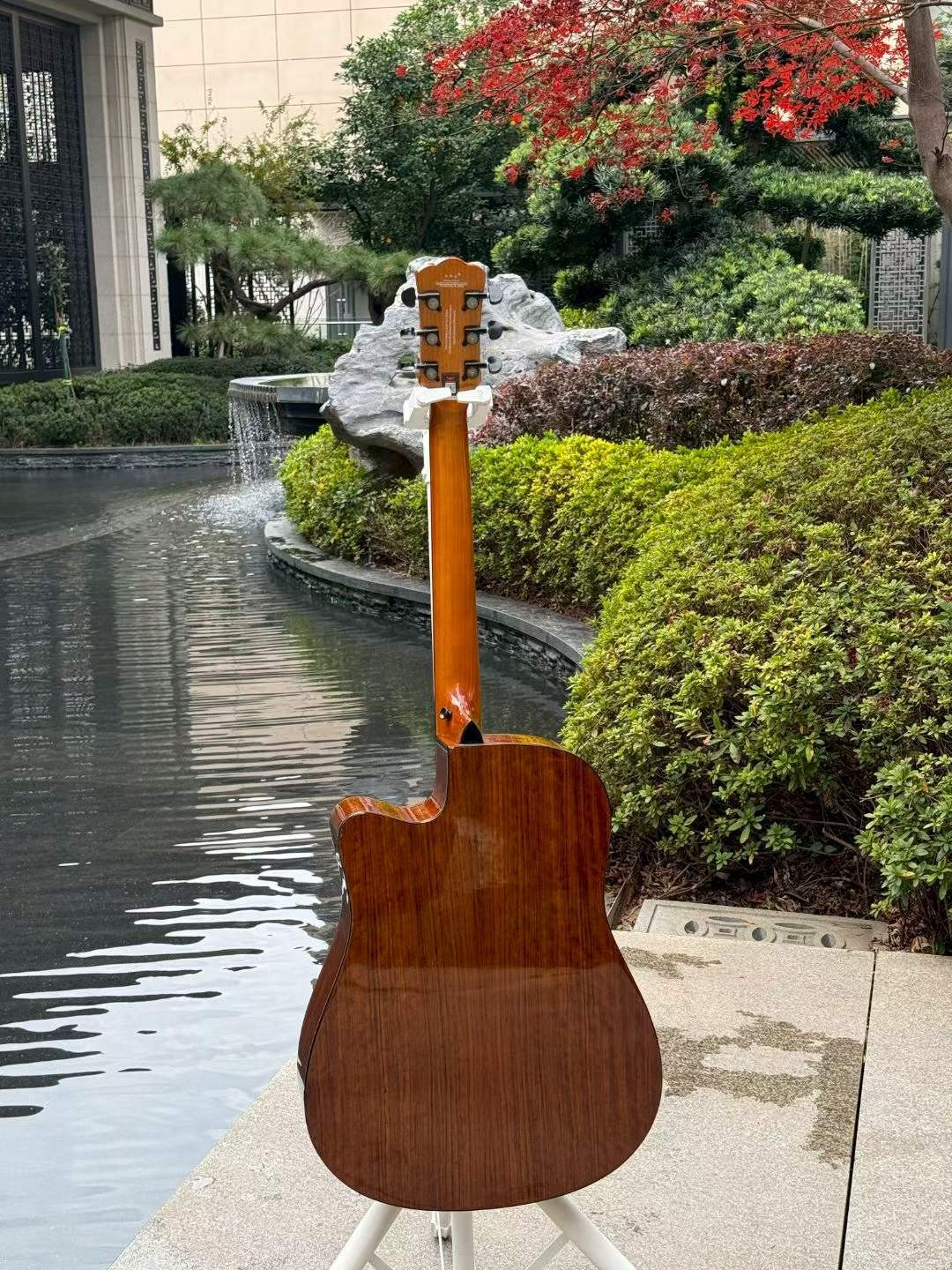
1. Exponential Growth of "All-Solid" Mid-Tier Guitars: Consumers are seeking affordable all-solid wood acoustic instruments. Models combining a solid Sitka or Engelmann Spruce top with solid African Mahogany back and sides (such as the Bullfighter D-30S and D2XA series) are experiencing high year-over-year reorder rates. Wholesale buyers are shifting inventory allocations away from traditional high-pressure laminates (HPL) toward genuine solid tonewoods.
2. Stringent Traceability and CITES Exemption Verification: Environmental compliance is mandatory in North American and European markets. Sourcing African Mahogany (Khaya) and Sapele provides an advantageous regulatory bypass, as these species are exempt from Appendix II CITES permit constraints that frequently delay shipments of South American mahogany species.
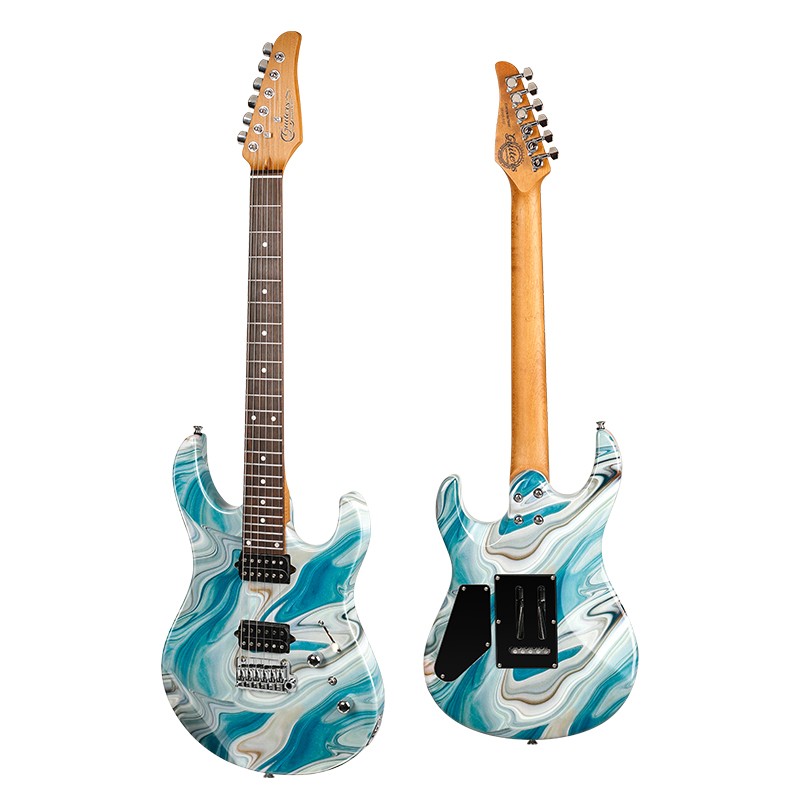
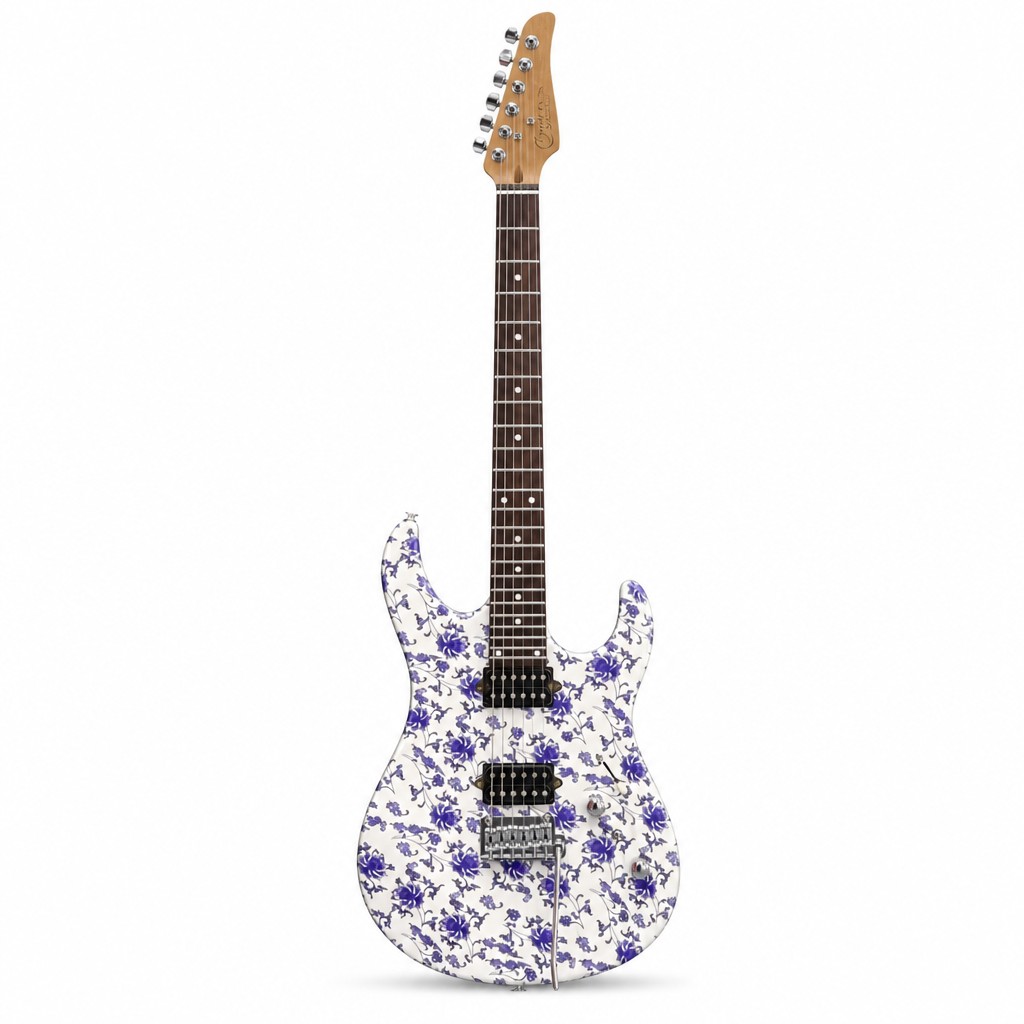
3. Custom OEM/ODM Personalization at Lower Minimum Order Quantities (MOQs): Supply chain agility requires flexible production lines. Modern OEM factories must support bespoke headstock contours, laser-engraved logos, water transfer finishes (e.g., Guitarman GT-20D series), and customized pickguard geometries without requiring massive 1,000-unit minimum commitments per SKU.
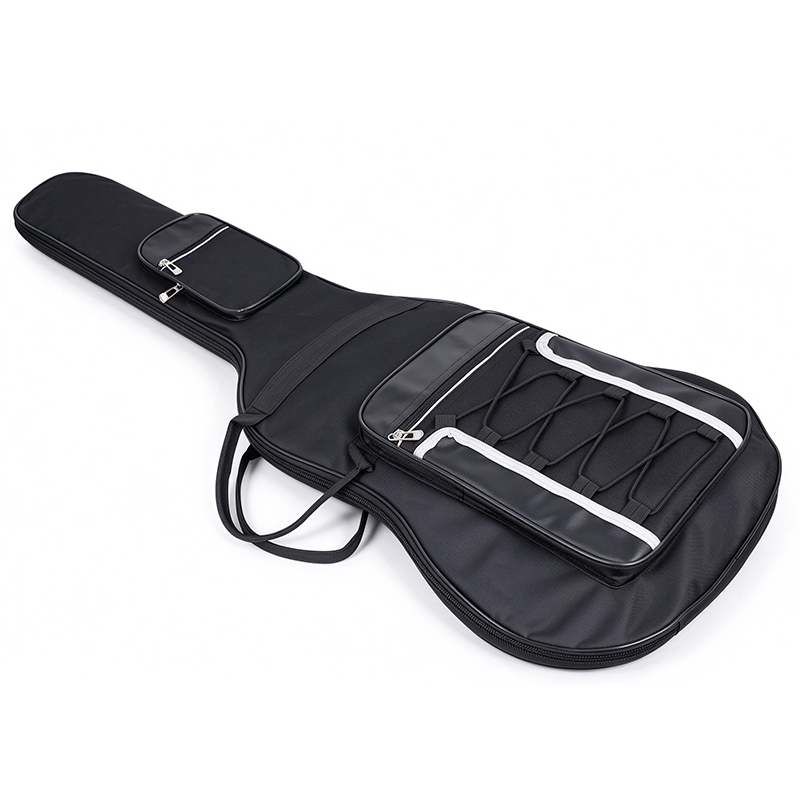
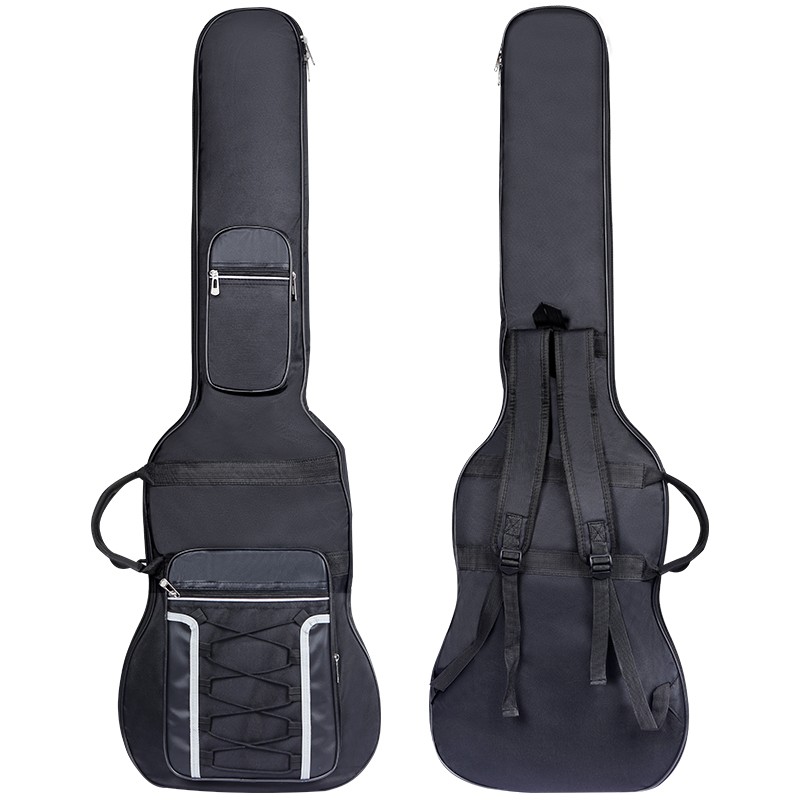
4. Integrated Accessory Sourcing & Protective Logistics: Retail chains increasingly demand bundled inventory solutions. Pairing guitars directly at the factory stage with heavy-duty gig bags (e.g., Bullfighter 600D Oxford Water-Repellent Padded Bass/Guitar Bags) drastically cuts total landed freight costs and eliminates damaged-in-transit retail returns.
Establishing a reliable private-label guitar manufacturing line with Changsha YBUL Instrument Co., Ltd. involves a seamless 6-stage engineering and commercial process:
Submit detailed CAD drawings, target price points, preferred wood density grades, scale length, nut width, and electronic specs (pickups, pots, hardware color).
YBUL luthiers and R&D engineers optimize neck joint stability, fret wire hardness, internal acoustic bracing profiles (X-bracing / Scalloped), and cost-efficiency.
A golden pre-production sample is crafted within 15–20 days for physical evaluation, acoustic frequency testing, logo inlay verification, and action setup approval.
Upon sample sign-off, automated CNC carving, kiln-dried timber processing, and electrostatic painting lines initiate mass production under strict line supervision.
100% inspection of fret dressing, electronic continuity, hardware torque, neck relief adjustment, and acoustic resonance check prior to protective foam packaging.
Export logistics support under FOB, CFR, CIF, DDP, or DDU terms with complete customs clearance, CITES documentation, and Certificate of Origin issuing.
Choosing Changsha YBUL Instrument Co., Ltd. as your primary China Mahogany Guitar Supplier ensures your supply chain is grounded on verified manufacturing capability, institutional stability, and audited quality control standards.
Request our complete wholesale catalog, technical tonewood datasheets, OEM pricing matrix, and factory audit reports. Our export engineering team responds within 12 hours.