 English
 Español
 Deutsch
 Français
 Português
 Italiano
 Русский
 日本語
 한국어
 العربية English Español Deutsch Français Português Italiano Русский 日本語 한국어 العربية
Sourcing Guide & Technical Analysis for Global Wholesalers, Distributors, and Private Labels
In the high-stakes landscape of global musical instrument distribution, the demand for precision-engineered, dimensionally stable, and acoustically resonant guitars has driven a fundamental transformation in OEM/ODM procurement. As a preeminent force in String Instrument Manufacturing based in Changsha, Hunan, Changsha YBUL Instrument Co., Ltd. (operating globally under renowned product lines including Bullfighter and Guitarman) presents this definitive industry white paper.
Maple (Acer saccharum / Acer pseudoplatanus) stands as the undisputed cornerstone wood of modern guitar lutherie. Valued for its high density, exceptional tensile strength, crisp tonal attack, and striking aesthetic variations—ranging from intense Flame (Tiger stripe) and Quilted patterns to thermal-processed Roasted (Torrefied) variants—maple requires ultra-precise kiln-drying, CNC routing, and humidity-controlled assembly. This document outlines the technological baseline, market dynamics, and operational advantages of sourcing maple guitars directly from verified Tier-1 Chinese manufacturers.
Explore our export-ready solid body electrics, acoustics, and pro accessories engineered with high-grade maple and premium tonewoods.
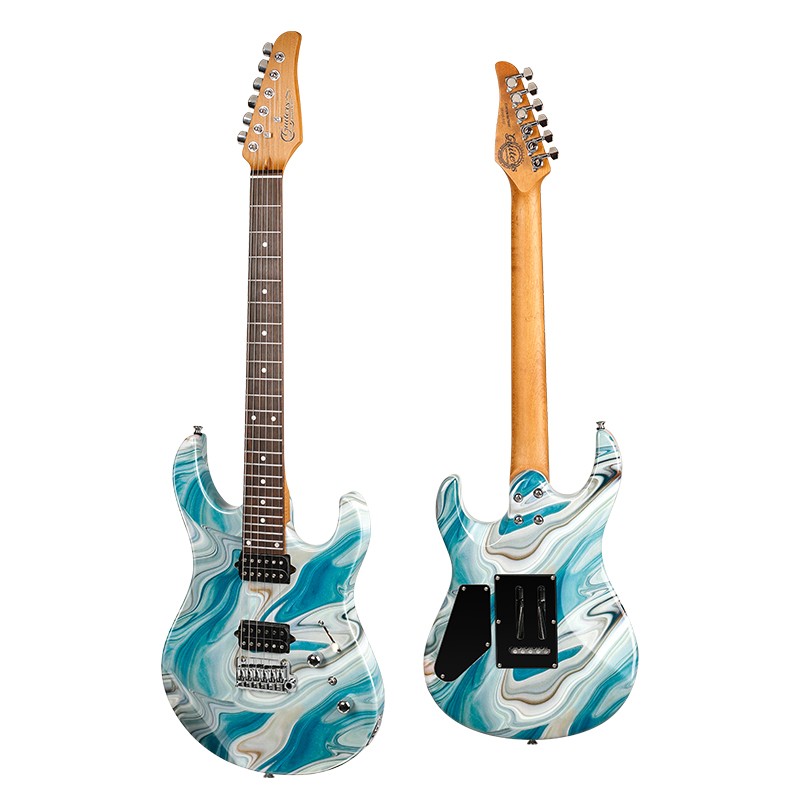
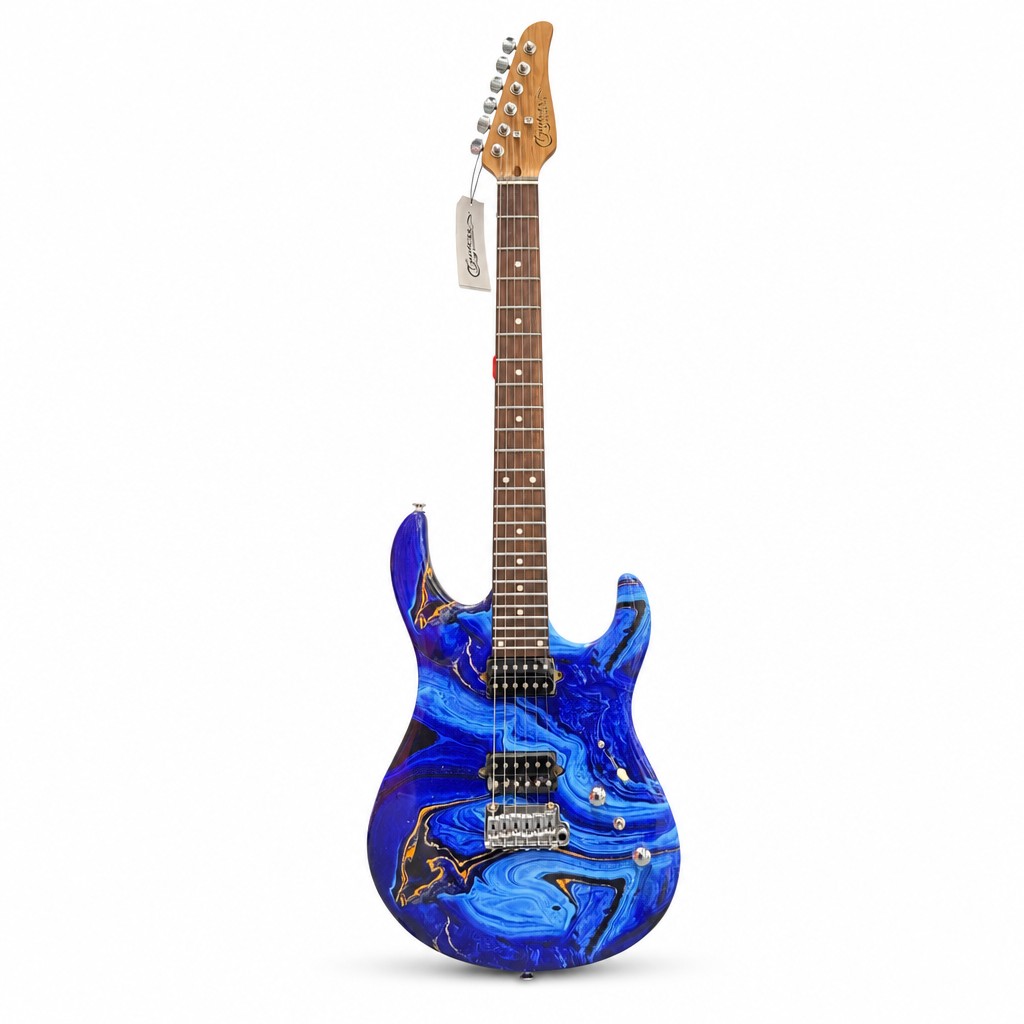
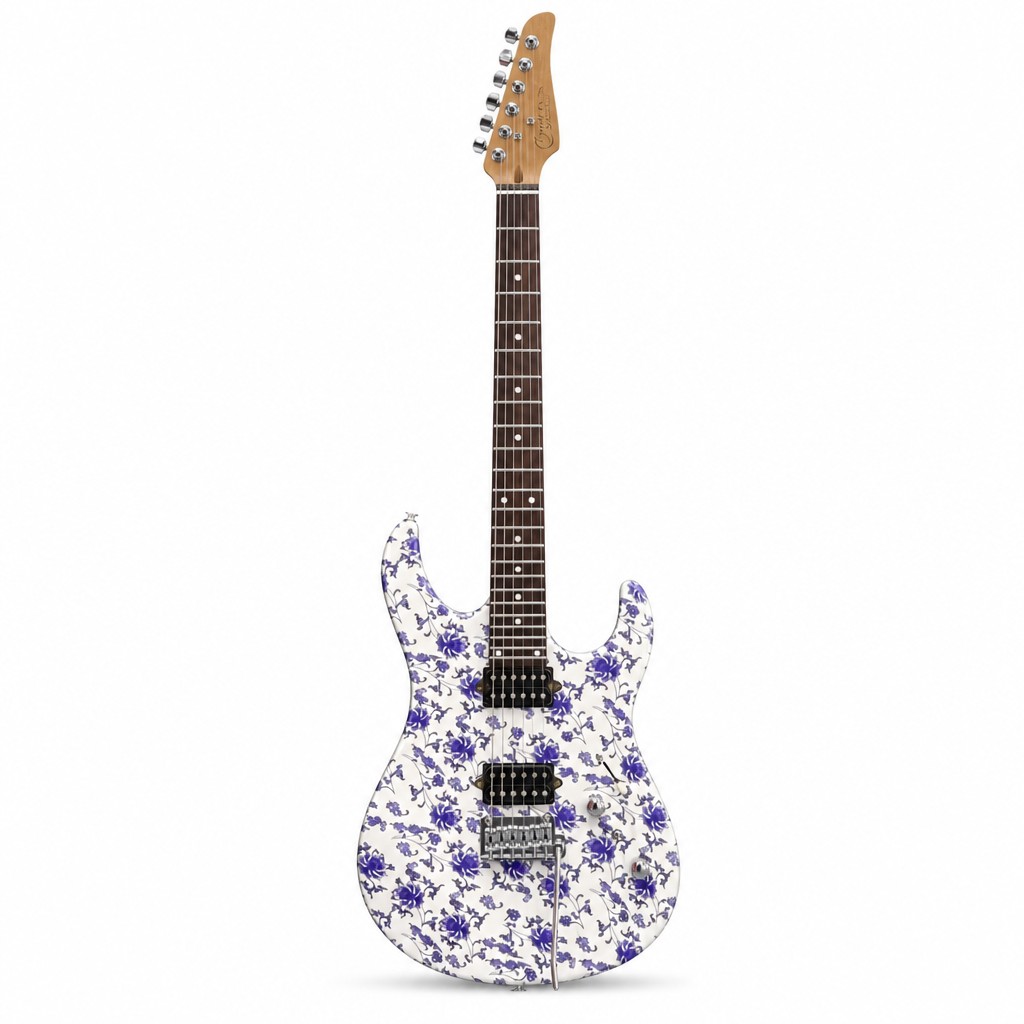
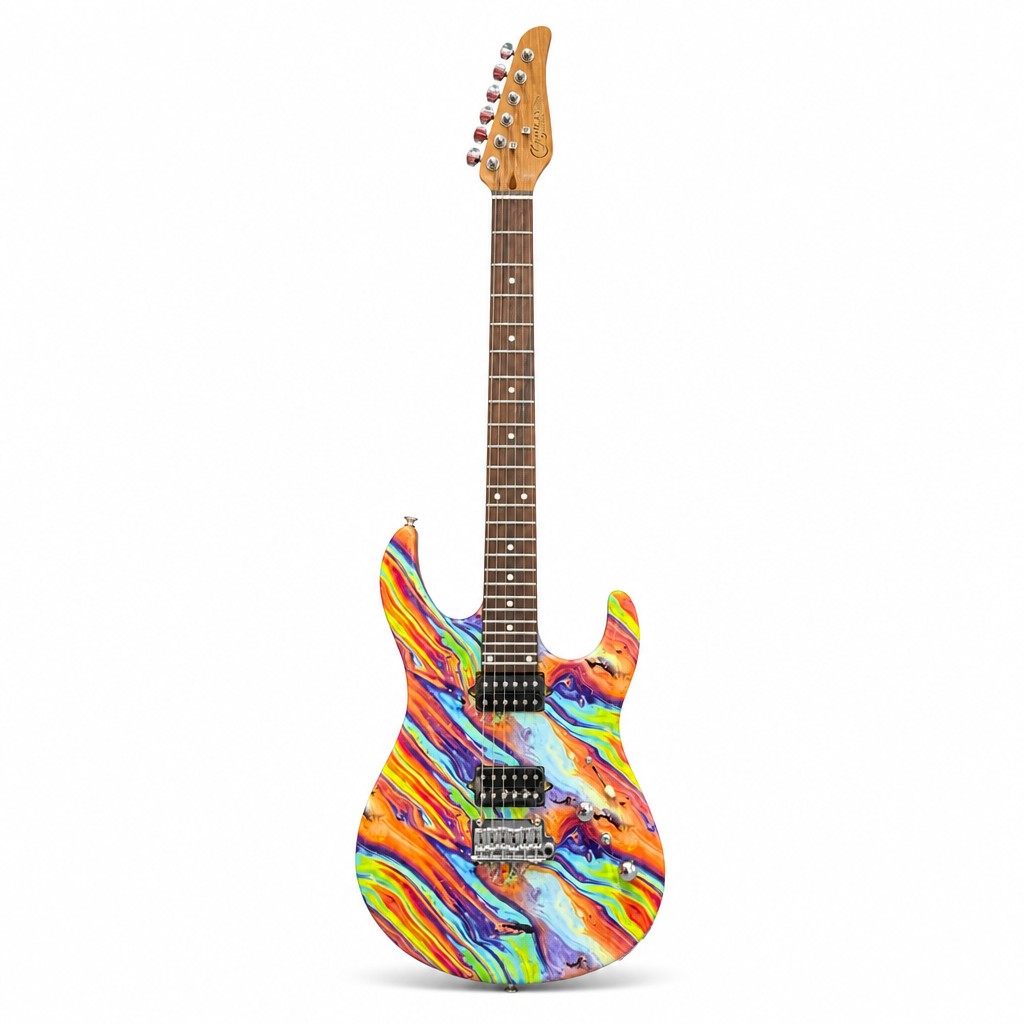
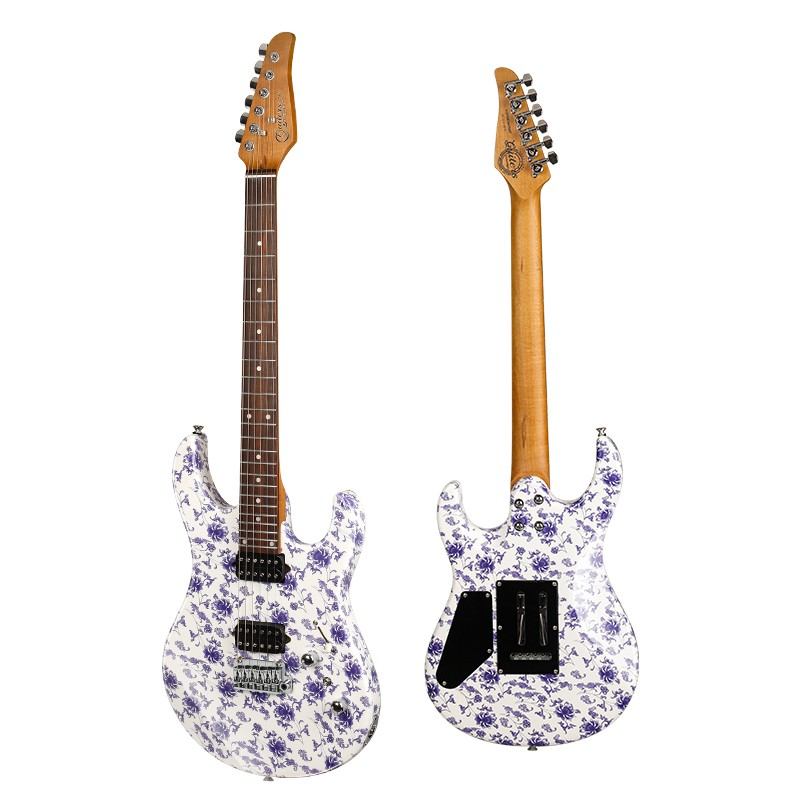

Why maple remains the gold standard for electric neck blank stability and high-end top aesthetics.
Hard Maple (Rock Maple) boasts an average Janka hardness rating of 1,450 lbf (6,450 N) and a specific gravity of 0.63. Its closed, tight grain structure minimizes internal acoustic damping, reflecting string vibration velocity at approximately 4,500 m/s. When paired with high-output Alnico 5 or Ceramic pickups, maple necks deliver an unmatched "snap," fast transient attack, and enhanced high-frequency overtone clarity that prevent mud in dense studio mixes.
Our state-of-the-art thermal treatment subjects selected maple blanks to oxygen-deprived kilns at temperatures between 180°C and 220°C. This pyrolysis process breaks down volatile hemicellulose compounds and crystallizes the remaining lignin. The moisture content plummets to a permanent 3–5%, rendering the neck virtually impervious to seasonal atmospheric humidity changes, drastically reducing warranty claims for fret sprout or neck relief warping.
| Maple Variant | Janka Hardness | Primary Application | Acoustic & Aesthetic Character |
|---|---|---|---|
| Hard Rock Maple | 1,450 lbf | Solid Neck Blanks, Fingerboards | Bright, tight bass, maximum structural rigidity |
| Roasted Maple (Torrefied) | 1,380 lbf (Crystallized) | Premium Necks, Fretboards | Vintage golden hue, zero moisture movement, woody tone |
| Flame Maple (Tiger Stripe) | 950 - 1,100 lbf | Carved Tops, Drop Veneers | 3D transverse chatoyancy, rich mid-range reflection |
| Quilted Maple | 850 - 1,000 lbf | Exotic Tops, Custom Finishes | Blister/cloud visuals, exceptional acrylic color absorption |
How market demands are shaping modern tonewood selection, CNC routing, and finishing techniques.
Once reserved for boutique $3,000+ custom instruments, roasted maple necks are now expected by consumers even in mid-tier $300–$700 retail electrics. Manufacturers capable of high-volume kiln torrefaction hold a commanding market advantage.
Pairing high-density Flame or Quilted Maple tops with lightweight, eco-sustainable core woods such as Chinaberry (Melia azedarach), Okoume, or Paulownia balances ergonomic player comfort with rich structural resonance.
Advanced ultra-violet (UV) cured acrylic polyurethane coatings allow micro-thin film application (under 0.15mm), preserving wood natural resonances while allowing intricate graphic transfers like marble, floral, or swirl motifs.
Key insights for importers, brand owners, and procurement directors sourcing from Asian manufacturing hubs.
Global buyers no longer accept unverified trading agency claims. Sourcing managers require direct third-party audit reports (such as SGS Group Onsite Assessment), ISO compliance proof, and real-time factory video verification to ensure ESG compliance and legal labor standards.
The growth of direct-to-consumer (D2C) online music stores requires factory flexible batch sizes. Suppliers offering standardized core body templates with customizable headstocks, logos, and pickups enable brands to launch niche product lines with lower inventory liability.
With strict international restrictions on rosewood (Dalbergia species), modern procurement relies heavily on non-restricted fingerboard alternatives like Maple, Technical Roasted Wood, or Indian Rosewood accompanied by full CITES export documentation.
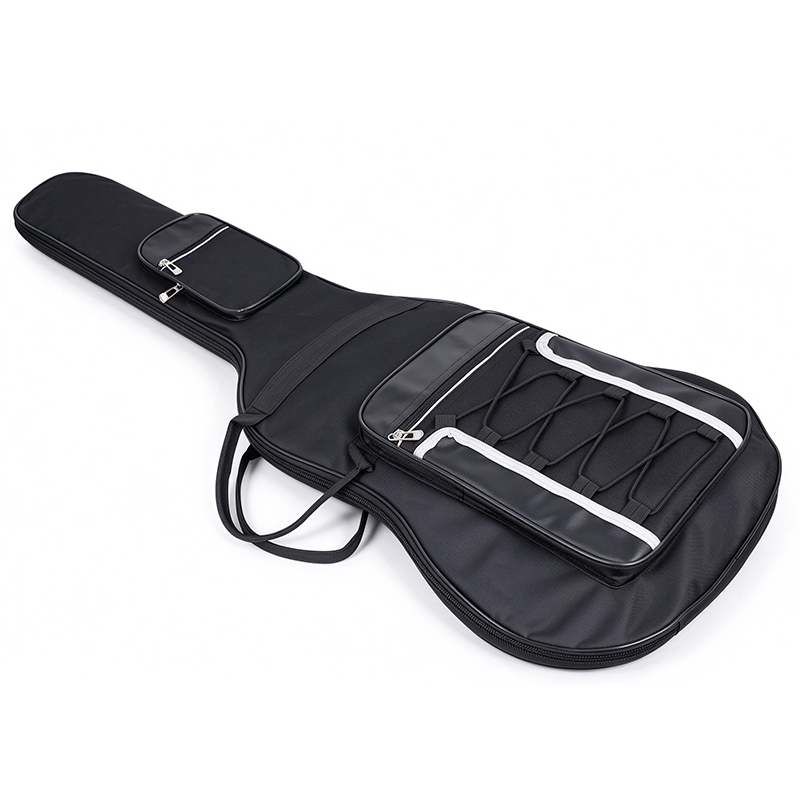
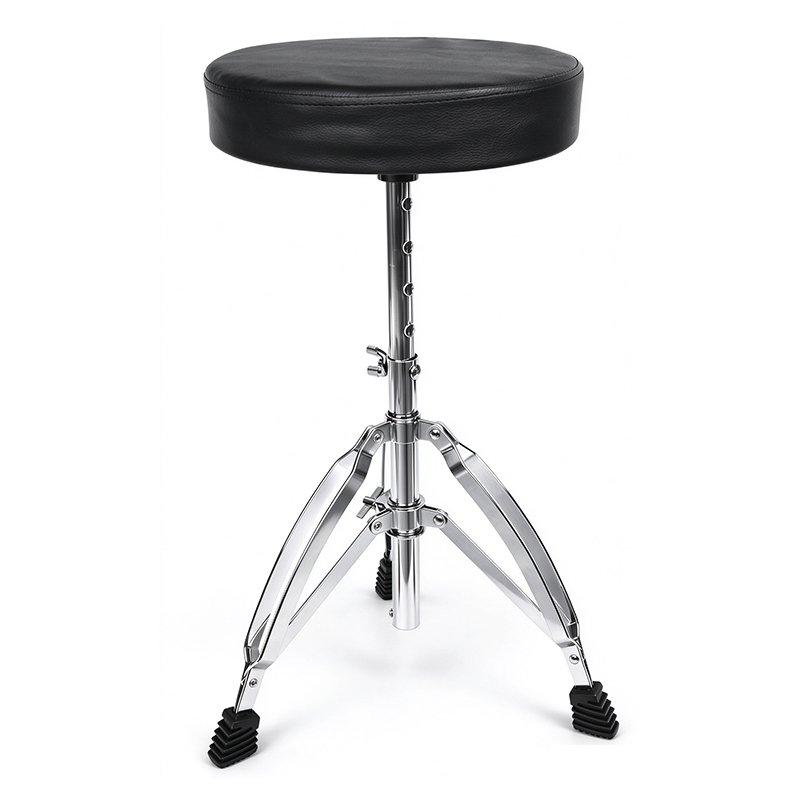
Leading exporters are expected to provide end-to-end solutions—supplying guitars alongside fitted 600D water-repellent gig bags, drum thrones, amplifiers, and custom retail packaging to streamline container utilization and shipping logistics.
Direct-from-factory strengths backed by verified infrastructure and decade-long industry mastery.
Our 16,483㎡ facility across two dedicated manufacturing plants and a 2,500㎡ R&D center in Changsha, Hunan, has undergone rigorous physical audits by SGS Group, verifying our identity as a true verified manufacturer.
We utilize industrial high-frequency vacuum dryers, multi-head CNC routers, and wide-belt sanders that cut neck pockets and fret slots down to a tolerance of 0.02mm, ensuring optimal neck-to-body tonal transfer.
From initial timber moisture grading to final beat-calibrator intonation setup and carton drop tests, every single instrument undergoes strict manual inspection before container loading.
Direct answers to essential commercial, technical, and logistic queries.
Whether you require high-volume OEM manufacturing, private-label branding, or sample evaluation, our technical export team delivers rapid responses, competitive direct factory pricing, and certified quality assurance.