 English
 Español
 Deutsch
 Français
 Português
 Italiano
 Русский
 日本語
 한국어
 العربية English Español Deutsch Français Português Italiano Русский 日本語 한국어 العربية
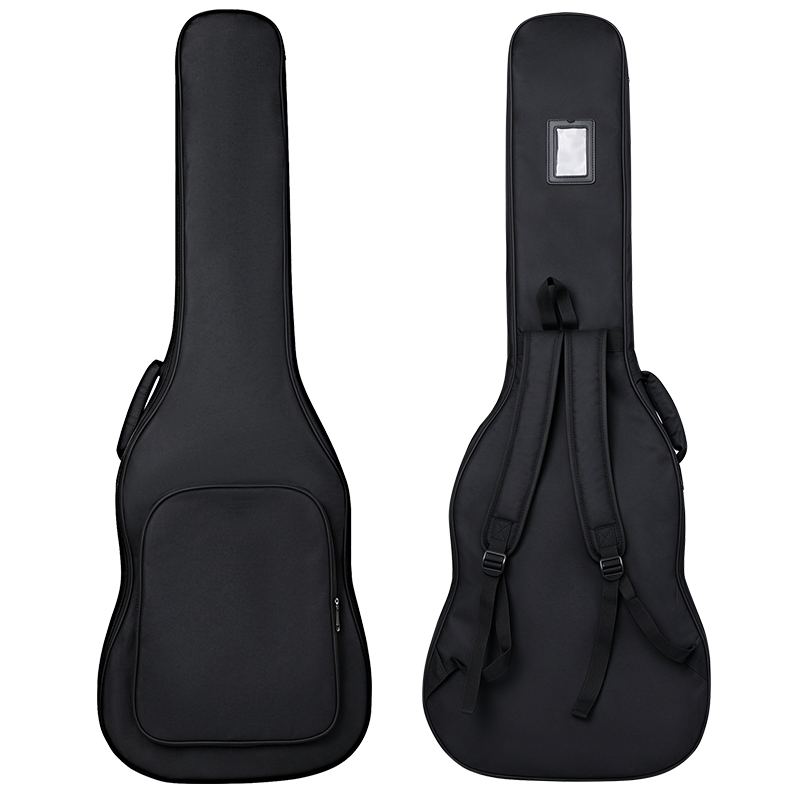
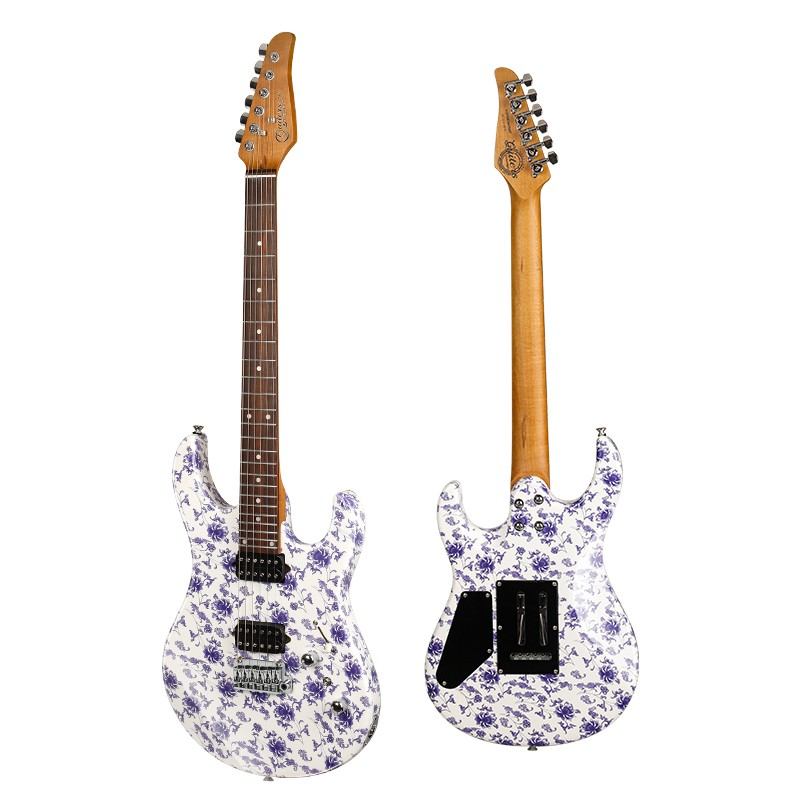
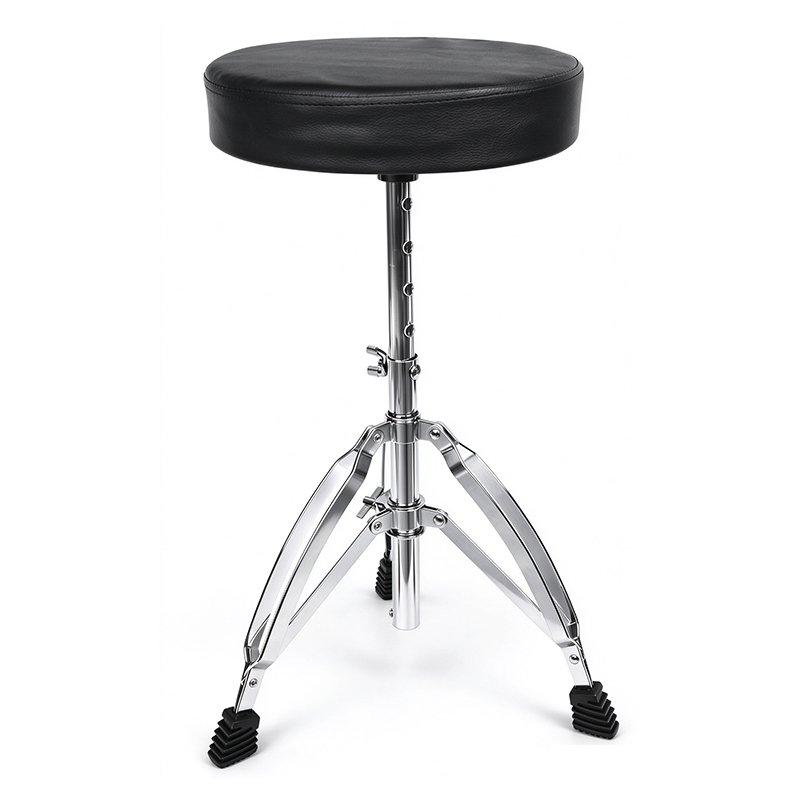
Below is a selected assortment of export-grade acoustic guitars, solid wood children's instruments, protective gig bags, and specialized musician hardware manufactured and exported directly from our facility. Each model reflects rigorous engineering standards, verified raw material selection, and high structural stability for worldwide distribution.

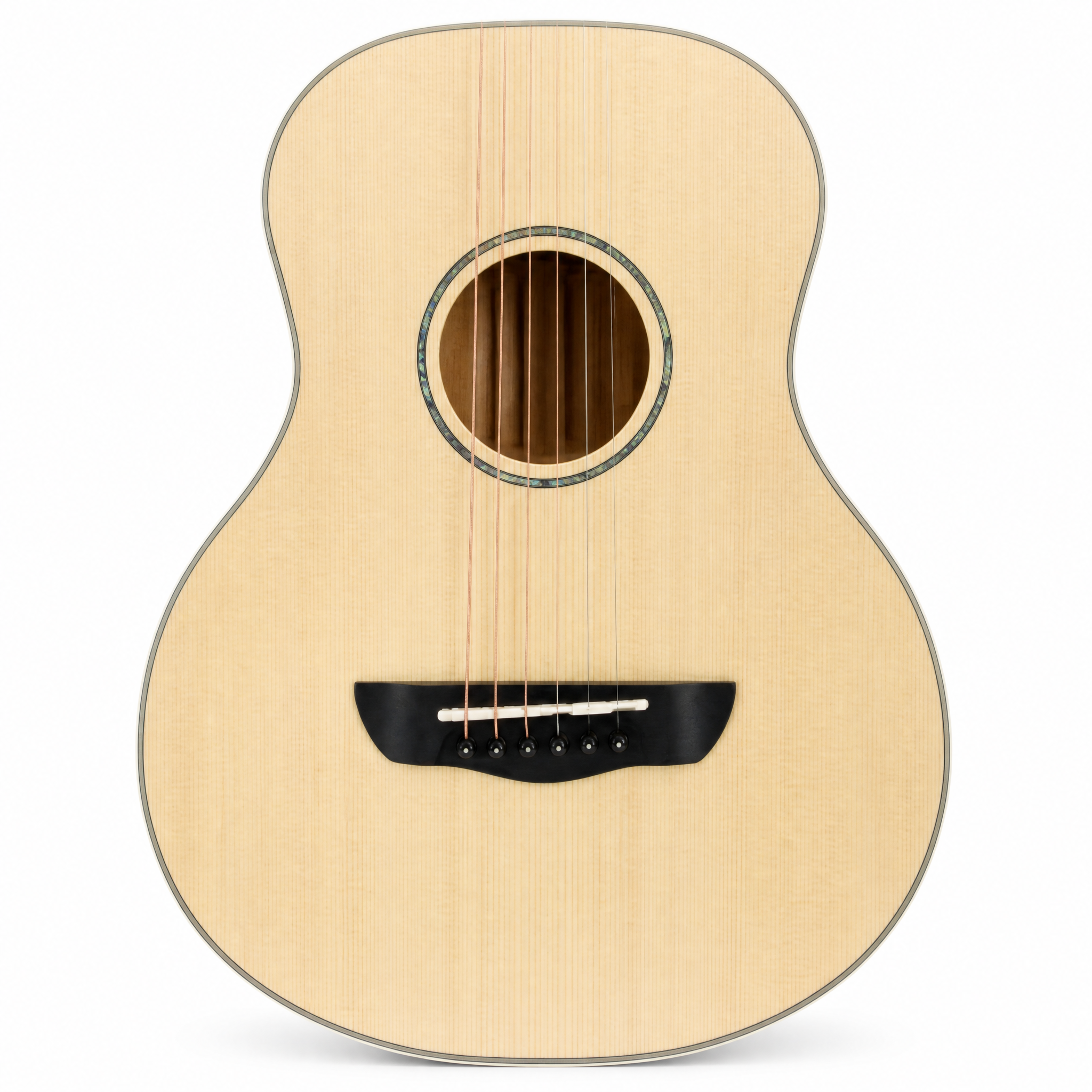
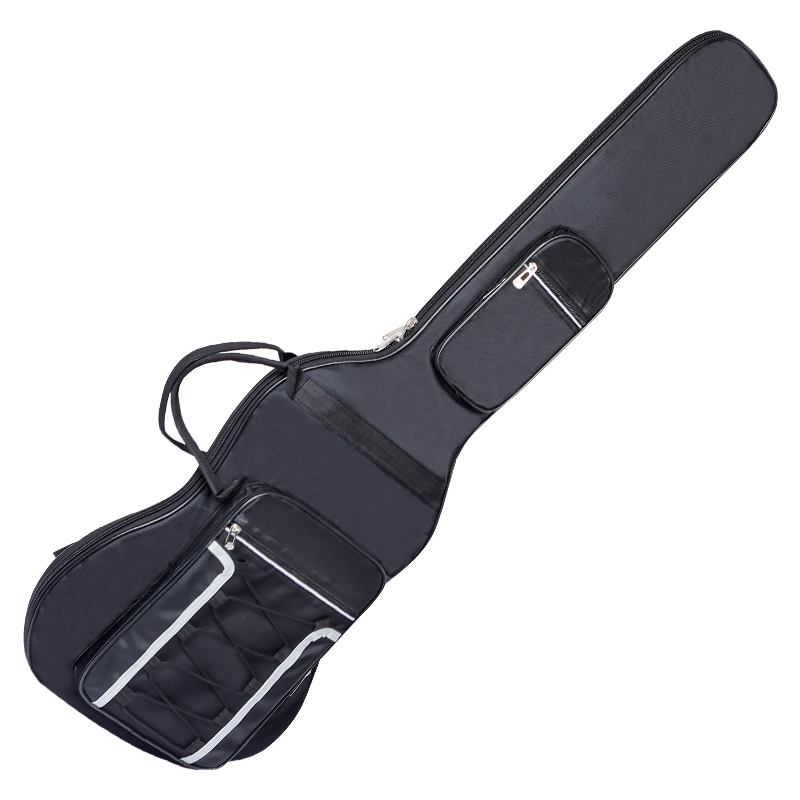
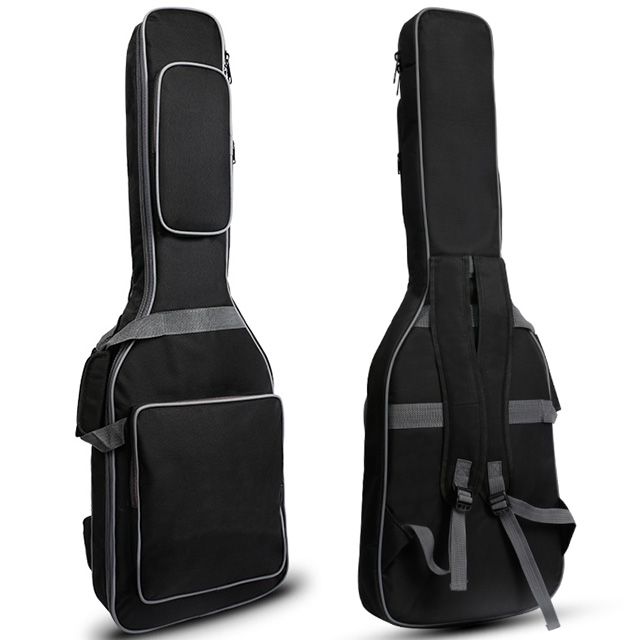
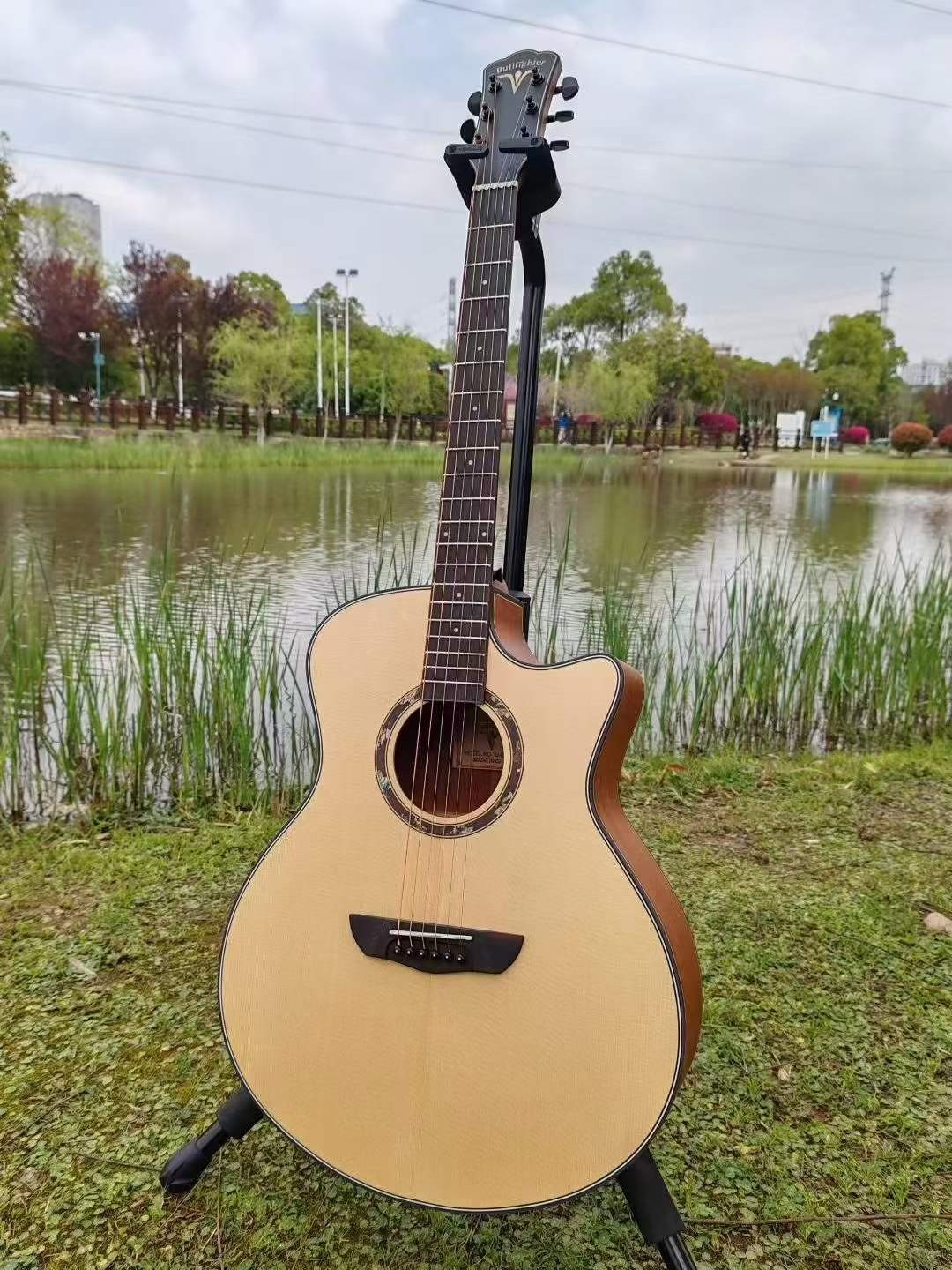
Over the last decade, global sourcing dynamics for stringed acoustic instruments have experienced a fundamental paradigm shift. Western brand managers, commercial musical instrument distributors, and retail chain buyers no longer look to China strictly for budget-tier, high-volume laminated acoustic guitars. Today, Chinese lutherie hubs—most notably modern industrial facilities like Changsha YBUL Instrument Co., Ltd.—lead the world in precision solid-wood acoustic guitar manufacturing.
A solid wood acoustic guitar represents the pinnacle of luthiery engineering. Unlike laminated guitars, which utilize thin wood veneers glued under pressure, a solid wood instrument features uninterrupted organic grain structures. This organic continuity allows the top (soundboard), back, and sides to vibrate freely as a cohesive mechanical membrane. Consequently, solid top and solid body instruments produce vastly superior dynamic range, harmonic overtones, sustain, and acoustic projection. However, manufacturing solid wood guitars at scale demands uncompromising environmental control, advanced wood drying technology, precision CNC machining, and masterful hand-voicing techniques.
Information Gain Key Takeaway: Modern Chinese manufacturing excellence relies on combining high-frequency vacuum wood drying with automated CNC micro-tolerances, allowing solid wood guitars to maintain structural integrity across diverse micro-climates worldwide.
To make informed procurement decisions, international OEM/ODM buyers must evaluate the fundamental physical properties of acoustic tonewoods. Sound transmission speed (longitudinal wave velocity), stiffness-to-weight ratio (Young's modulus), and internal damping friction determine how a solid wood soundboard translates string energy into acoustic volume and tone.
| Tonewood Species | Acoustic Role | Density / Elasticity Ratio | Tonal Profile & Resonance Characteristics | Optimal Application Tier |
|---|---|---|---|---|
| Solid Engelmann Spruce | Soundboard (Top) | Low Density / High Stiffness | Complex overtones, broad dynamic response, rich midrange warmth. High sensitivity to lighter touch. | Professional Solid Top & All-Solid Fine Acoustics |
| Solid Sitka Spruce | Soundboard (Top) | Medium Density / Exceptional Stiffness | Bright, punchy, articulate tone with strong headroom under heavy strumming. Robust fundamental pitch. | Standard Solid Top Dreadnoughts & Stage Guitars |
| African Mahogany / Sapele | Back & Sides / Necks | Medium-High Density | Focused fundamental frequencies, strong midrange presence, punchy decay with crisp clarity. | Mid-to-High Tier Commercial Series & Travel Acoustics |
| Indonesian Rosewood | Fretboards & Bridges | High Density / High Oil Content | Warm, rich lower-end resonance, snappy attack, superior resistance to fingerboard wear. | Premium OEM Lines & Custom Fingerboard Builds |
| Roasted / Torrefied Maple | Necks & Bodies | Thermal Cured / Ultra-Stable | Crystalline highs, zero residual moisture volatility, enhanced structural rigidity against humidity shifts. | B2B Export Flagships & Electric/Acoustic Hybrid Guitars |
In solid-wood acoustic construction, the interaction between soundboard thicknessing and bracing architecture dictates the voice of the instrument. At YBUL Instrument Co., Ltd., top soundboards are planed with micro-meter accuracy to tolerances within ±0.05mm. Furthermore, our forward-shifted, hand-scalloped X-bracing pattern optimizes velocity transfer across the bridge plate while ensuring structural resilience under 160 lbs of total string tension.
As global market demands evolve, importers and brand owners must align with manufacturers capable of navigating shifting consumer preferences, supply chain sustainability regulations, and cutting-edge manufacturing tech. The solid wood guitar export market in China is undergoing key structural transformations:
Torrefaction involves baking tonewoods in an oxygen-deprived kiln at temperatures between 160°C and 220°C. This process breaks down hemicellulose and volatile resins, effectively aging the timber artificially by 50 years. Torrefied solid tops resist cracking under extreme humidity drops and deliver instant "aged vintage" acoustic projection.
Traditional nitrocellulose finishes, while thin, require weeks to cure and emit harmful VOCs. Advanced Chinese exporters are shifting to ultra-thin automated UV-cured polyester and acrylic finishes. These coatings cure instantly under UV light, forming a glass-like 0.1mm protective shell that permits full top resonance without damping sound vibrations.
Solid wood instruments exported across global climate zones (e.g., from humid tropical Asia to dry North American winters) face deformation risks. Modern automated high-frequency vacuum kilns reduce wood moisture content (MC) evenly to a precise 8%–10% baseline, virtually eliminating fret sprouts, top warping, and bridge lifting.
Strict international trade laws (CITES Appendices, Lacey Act, EU Timber Regulation) mandate full supply chain transparency. Leading Chinese solid wood suppliers provide documented origin verification for species like Genuine Rosewood (Dalbergia) and Mahogany (Swietenia), protecting global importers from customs seizures.
Modern player preferences favor ergonomic modifications on solid wood acoustic bodies, such as smooth Venetian cutaways, integrated sound ports on the upper bout for player self-monitoring, and carved armrest bevels. Advanced multi-axis CNC routing allows mass production of these complex ergonomic features seamlessly.
Importers are seeking turnkey private-label solutions. Exporters must offer comprehensive customization—from headstock logo laser engraving, pearl shell fretboard inlays, custom pickup/preamp integration, to branded heavy-duty gig bags and drop-tested export packaging.
When choosing a solid wood guitar supplier in China, verifying operational infrastructure and third-party certifications is vital to mitigating supply chain risks. Changsha YBUL Instrument Co., Ltd. stands out as an audited, verified manufacturing leader based in Changsha, Hunan, combining high-volume capability with handcrafted precision.
Our manufacturing operations are verified onsite by the SGS Group. Unlike trading intermediaries who outsource production to unverified workshops, YBUL operates two dedicated manufacturing factories along with a modern 2,500㎡ administrative and R&D center in Changsha. Buyers can review transparent audit credentials, trade histories, and credit profiles prior to contract execution.
We provide absolute design flexibility for private label clients. Customization options include proprietary headstock sculpting, custom nut widths (43mm, 44m, 45mm), specialized neck profiles (Slim C, Modern D, Vintage V), active/passive under-saddle piezo pickups with onboard equalizers, custom body rosettes, and color matching across satin, high-gloss, or vintage sunburst finishes.
Every instrument leaving our lines undergoes a 5-step quality inspection framework: (1) Raw timber moisture testing, (2) Structural joint stress verification, (3) Post-finish surface leveling check, (4) Fret-leveling and action setup (12th fret low E set to 2.2mm–2.5mm), and (5) Acoustic resonance frequency testing to guarantee dead-note elimination.
To accommodate diverse buyer needs, we support all standard international commercial terms including FOB, CFR, CIF, EXW, FCA, DDP, and DDU. We support multi-currency settlements (USD, EUR, GBP, CAD, AUD, JPY) via wire transfer (T/T), Letter of Credit (L/C), and secure digital transaction escrow systems.
Below are answers to critical technical, commercial, and logistics questions commonly asked by international instrument buyers during supplier evaluation.
A solid top guitar (such as our Bullfighter D1D model) utilizes a solid wood soundboard (typically Engelmann or Sitka Spruce) paired with laminated back and sides. This configuration provides approximately 80% of the acoustic resonance and tonal benefit of a solid wood guitar while keeping costs competitive and increasing resistance to side impacts. A full solid guitar features solid timber for the top, back, and sides, yielding maximum harmonic complexity, richer resonance, and superior tonal evolution as the wood ages over time.
Solid wood is hygroscopic, meaning it absorbs and loses moisture based on ambient relative humidity (RH). To ensure structural stability during transit, all raw timber undergoes high-frequency vacuum kiln drying to stabilize core moisture at 8%–10%. Furthermore, our final packaging utilizes moisture-barrier polythene sealing, silica desiccant inserts, and double-wall corrugated 7-ply export cartons capable of withstanding heavy sea freight transport.
For standard stock models from our 200+ showroom catalog, MOQs start as low as 6 to 20 units. For fully customized private-label OEM orders involving proprietary headstock shapes, custom shell inlays, or specific color matching, our standard MOQ is typically 50 to 100 pieces per batch depending on specification complexity.
Yes. We strongly encourage sample evaluation. Our R&D team builds full physical prototypes incorporating your exact OEM specifications, logo artwork, tonewood choices, and pickup selections. Prototype lead times generally range between 15 and 25 days depending on specification detailing.
Fretwork precision is enforced using automated computer-controlled fret slot sawing and radiusing machines. Fret wires are pressed into place using pneumatic hydraulic presses to guarantee uniform seating. Techs then perform manual fret leveling, crowning, and edge dressing, followed by a final neck relief check using precision straightedges under full string tension.
Absolutely. We strictly adhere to national and international forestry regulations. All imported tonewood species (including African Mahogany, Engelmann Spruce, and Rosewood species) come with legal timber harvest certificates and full CITES export compliance documentation whenever required by destination customs authorities.
Yes. We regularly install dual-source pickup systems, under-saddle piezos, internal microphone blend systems, and digital onboard tuners/preamps from leading OEM component suppliers or under your private brand label. Pre-amp side-jack routing and wiring are integrated before final quality testing.
Standard production lead time for a full 20ft or 40ft container load (approx. 800 to 1,800 guitars) is typically 30 to 45 days after deposit confirmation and sample sign-off. Expedited scheduling is available for repeat replenishment orders with pre-stocked tonewood materials.
Expand your product line with verified acoustic instruments engineered for tone, durability, and commercial market success. Contact our expert export engineering team today to discuss your technical specifications, request a competitive quote, or arrange a sample order.