 English
 Español
 Deutsch
 Français
 Português
 Italiano
 Русский
 日本語
 한국어
 العربية English Español Deutsch Français Português Italiano Русский 日本語 한국어 العربية
Examine our verified manufacture-ready builds engineered for export stability, tonal depth, and competitive landed margins.
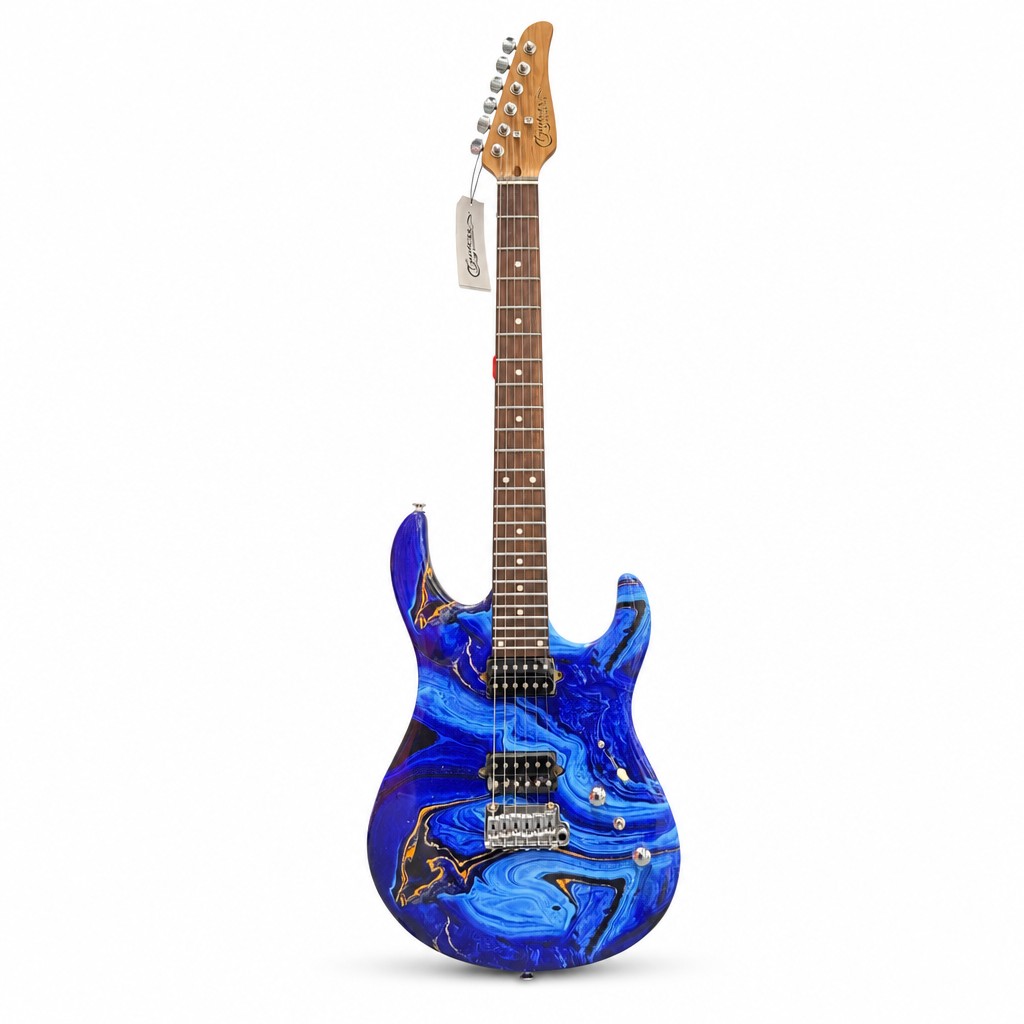

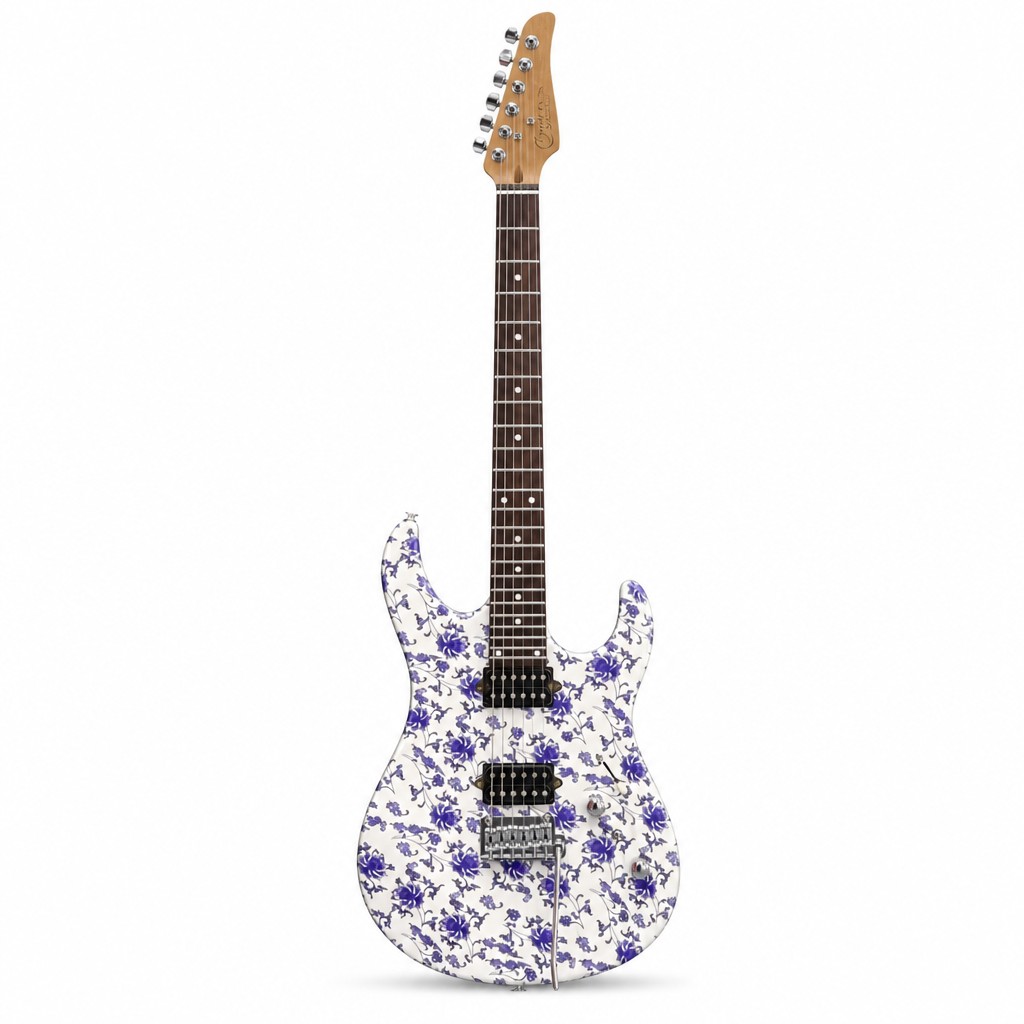
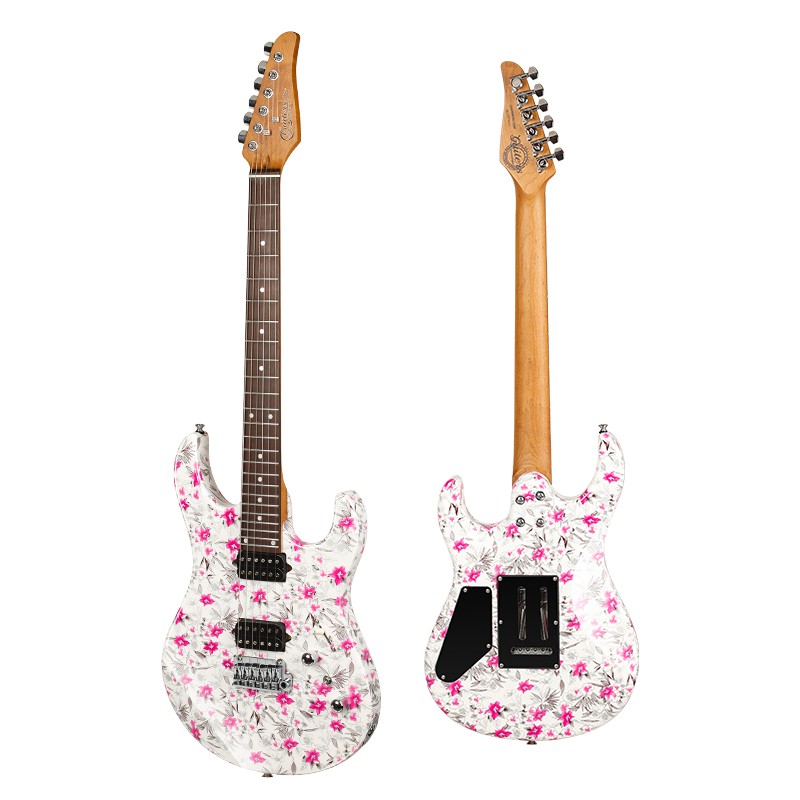
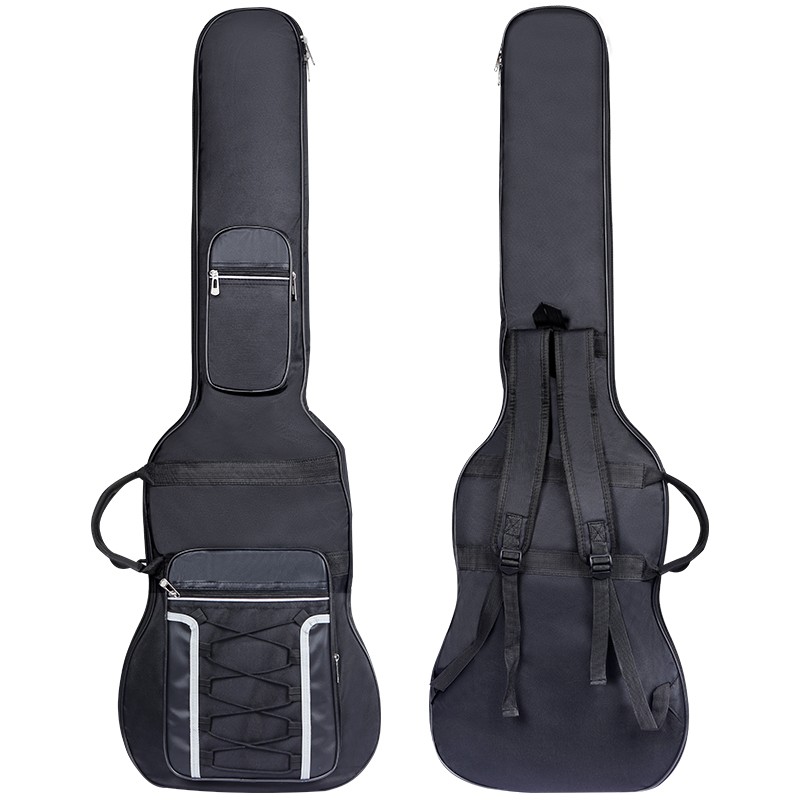
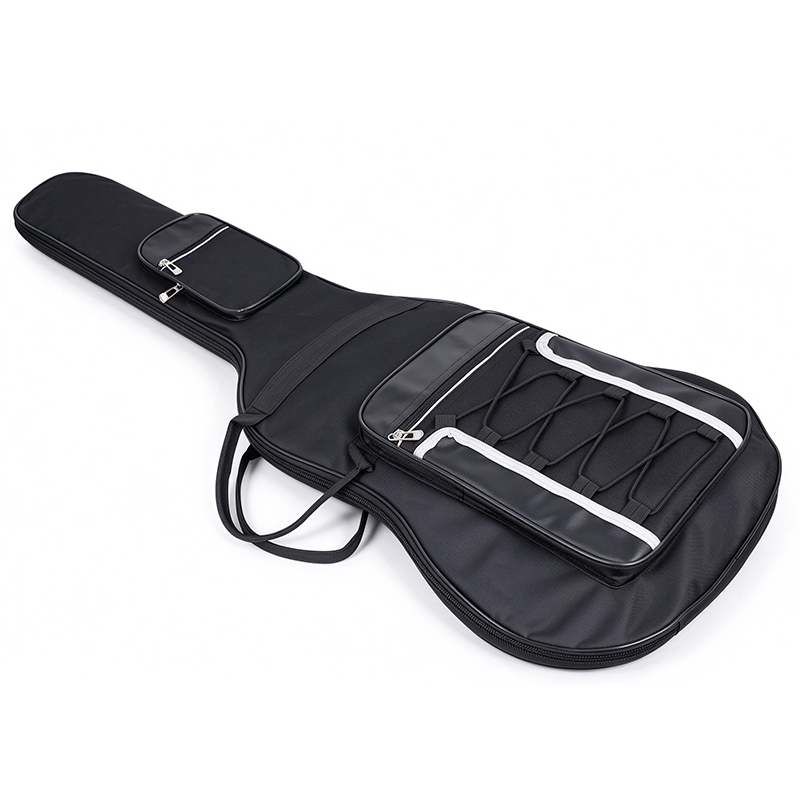
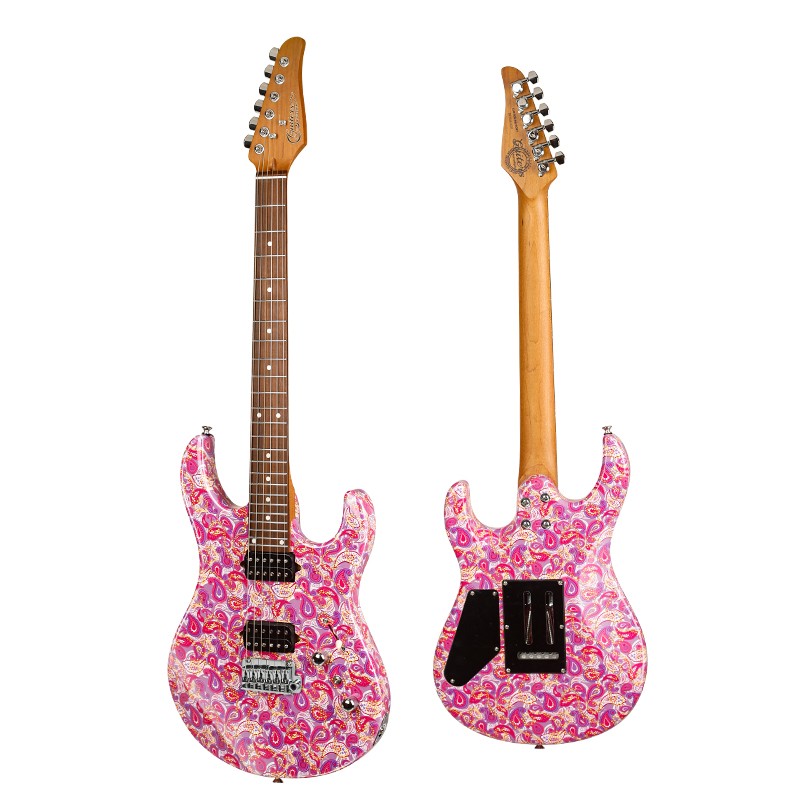
Navigating the global supply chain for acoustic classical and modern crossover nylon-string instruments requires deep evaluation of lumber aging technologies, CNC precision tolerances, joint stability, and export compliance.
In the high-stakes world of global musical instrument distribution, selecting the right manufacturing partner for nylon-string (classical and hybrid crossover) guitars is the single most critical factor influencing brand reputation, return-rate minimization, and gross margin optimization. Nylon string instruments place unique mechanical stresses on body geometry, soundboard bracing, and neck-to-body dovetail construction due to the lower tension dynamics compared to steel-string acoustic guitars.
As a verified tier-1 manufacturer operating out of Changsha, Hunan, Changsha YBUL Instrument Co., Ltd. (operating globally under the flagship brand Bullfighter) represents the modern apex of Chinese lutherie industrialization. Our facility bridges traditional hand-craftsmanship with computer-controlled automated precision, serving global OEM/ODM importers, brand owners, and retail chains across North America, South America, Western Europe, and Southeast Asia.
We eliminate neck warping and top cracking through state-of-the-art High-Frequency Vacuum Wood Dryers. Tonewoods like Roasted Maple, Rosewood, Spruce, Mahogany, and Okoume are stabilized precisely between 6% to 8% equilibrium moisture content (EMC) before cutting.
Our automated high-speed CNC routing lines mill body contours, soundboard fan bracing, bridge slots, and fretboard radius slots to sub-millimeter tolerances. This ensures 100% neck-pocket consistency and flawless intonation across batch runs.
Verified independently by SGS Group as both a genuine Manufacturer and Exporter. Importers gain full transparency with audited production lines, environmental compliance, drop-test export packaging standards, and verified financial credit ratings.
Over 200 ready-to-produce catalog designs combined with full custom ODM services. From headstock shapes, custom fretboard inlays, roasted maple thermal treatment, to specialized Piezo pickup installation, we build exactly to your brand brief.
How advanced acoustic engineering is transforming traditional classical guitars into high-performance hybrid performance instruments.
Traditional classical nylon string guitars feature wide 52mm nut widths, flat fingerboards, and body joints at the 12th fret. However, modern commercial procurement data indicates a massive shift toward Nylon String Crossover Guitars. These hybrid instruments incorporate narrower nut profiles (48mm to 50mm), subtle 16" fretboard radiuses, cutaway bodies, and 14th-fret neck joints. Designed specifically for electric and steel-string players seeking warm classical tone without radical adjustments to their playing technique, these instruments now represent over 42% of global nylon-string retail demand.
In response to international climate volatility and environmental shifts during shipping, premier factories utilize thermal wood modification (roasting). By baking tonewoods in oxygen-deprived kilns at temperatures exceeding 200°C, volatile organic compounds break down, leaving a lightweight, highly resonant, and hydrophobic wood structure. Roasted maple necks and soundboards offer immune resistance to humidity fluctuations, rendering them virtually warp-free during trans-oceanic container transport.
Innovation in acoustic voicing has shifted from traditional Torres 7-fan bracing toward hybrid carbon-fiber lattice bracing and Hauser-style asymmetric variations. Furthermore, the integration of side soundports allows the performer to experience direct acoustic monitoring without sacrificing front projection. This acoustic feature has become a major selling point for mid-to-high tier OEM guitar lines globally.
| Manufacturing Benchmark | Standard Low-Tier OEM Factory | YBUL High-Precision OEM Standard |
|---|---|---|
| Timber Drying Protocol | Air-dried (12-16% moisture, high warping risk) | High-Frequency Vacuum Kiln (6-8% EMC controlled) |
| Neck Joint Milling | Manual chisel dovetail (inconsistent angle) | Micron CNC Router Pocket (100% uniform neck alignment) |
| Fret Finishing | Basic machine cut, sharp edge risk | Hand-Dressed Ball-End Frets & Polish Inspection |
| Finish Application | Thick Polyurethane (chokes acoustic resonance) | Ultra-Thin Micro-Poly / Nitro-Satin Voicing Curing |
| Third-Party Compliance | Unverified self-declarations | SGS Audited, CITES Certification Ready |
Navigating market dynamics, MOQ agility, landed cost structures, and environmental regulatory compliance in 2025 and beyond.
Massive 1,000-unit single-SKU commitments are being replaced by agile OEM orders. Leading manufacturers now allow buyers to split container loads across multiple categories—such as pairing solid-body crossover electrics with classical nylon guitars and 360° padded gig bags—minimizing inventory hold costs.
Global regulatory oversight on Rosewood (Dalbergia species) has elevated demand for sustainable tonewood alternatives. Manufacturers leveraging Technical Ebony, Richlite, Sapele, Okoume, and thermally modified Jatoba allow seamless customs clearance without CITES export delays.
Procurement strategies now prioritize pre-installed, high-impedance dual-pickup systems (undersaddle Piezo combined with internal microphone transducers). Giving end-consumers acoustic amplification without feedback is essential for commercial market growth.
Whether you require full custom OEM production, private-label headstock logo branding, or immediate wholesale inventory, our export engineering team delivers samples in as fast as 14 days with verified SGS quality assurance.
Direct, transparent answers regarding enterprise capabilities, quality control, shipping, and OEM customization.