 English
 Español
 Deutsch
 Français
 Português
 Italiano
 Русский
 日本語
 한국어
 العربية
Guitar Accessories Sourcing & Manufacturing Excellence: The Definitive B2B OEM/ODM Guide for Global Procurement Officers
An authoritative, information-gain analysis on sourcing high-precision Guitar Accessories, hardware components, gig bags, and tuning mechanisms directly from SGS-assessed China manufacturing facilities.
Executive Summary & Semantic Intent: Modern B2B procurement in the musical instrument domain requires moving beyond simplistic price-per-unit metrics. Sourcing managers and brand owners utilizing Search Intent Engine queries seek verifiable engineering specs, material compliance (RoHS/REACH), supply chain resilience, and precise manufacturing methodologies. Changsha YBUL Instrument Co., Ltd. presents this definitive industrial guide to clarify OEM/ODM accessory production, quality assurance parameters, and market evolution for 2025–2030.
1. Product Portfolio & Strategic Category Recommendations
In the competitive musical instrument retail and distribution landscape, Guitar Accessories serve as both high-margin catalog extenders and essential customer acquisition tools. To build a robust supply chain, global buyers must segment accessories into distinct engineering and material categories, ensuring each product aligns with target customer intent, price tiering, and reliability metrics.
A. Precision Tuning Mechanisms & Hardware Assemblies
Tuning peg instability remains the primary driver for customer returns in entry-to-mid tier guitars. High-performance machine heads require precision gear-cutting to eliminate mechanical play and backlash. Our production lines manufacture die-cast zinc alloy and solid brass machine heads with tuning gear ratios ranging from 1:18 to 1:21, offering micro-tonal adjustment accuracy.
- Sealed Enclosed Machine Heads: Feature permanently lubricated internal gears, anti-rust electroplating (chrome, gold, black nickel, satin cosmic finish), and synthetic washer damping.
- Vintage Open-Gear Tuners: Engineered with butterbean buttons and exposed gear plates, combining historic aesthetic compliance with modern gear tooth geometry.
- Bridge & Tremolo Systems: High-density zinc alloy and machined solid-brass block bridges for ST, TL, and LP configurations, providing superior acoustic resonance transfer and string-breakage mitigation.
B. Acoustic Enhancement & Structural Components
The tonal characteristics of stringed instruments are fundamentally constrained by nut and saddle material density, bridge pin mass, and fretwire metallurgy. Precision-machined accessories ensure maximum sonic kinetic transfer.
- Bone & Synthetic TUSQ Nut/Saddle Blanks: CNC-milled to tight dimensional tolerances (±0.05mm), ensuring precise string spacing and string action height right out of the box.
- Fretwire Systems: Manufactured from cupronickel (18% nickel-silver alloy) and stainless steel, featuring smooth crown profiles and burr-free ends to optimize neck playability.
- Pickups & Electronics Assemblies: Pre-wired harness kits, Alnico V magnetic core pickups, and noise-shielded 5-way selector switches engineered for low noise floors and rich harmonic projection.
C. Instrument Protection: Advanced Gig Bags & Flight Cases
Protective accessories protect instrument equity across global retail supply chains and end-user travel. Material selection must balance structural impact absorption against gross shipping volume efficiency.
- Professional Gig Bags (600D to 1680D Ballistic Nylon): Laminated with 20mm–30mm high-density EPE foam insulation, featuring neck-suspension cradles, reinforced bottom rubber bumpers, and water-repellent exterior coatings.
- Hard-Shell Molded & Wooden Cases: Plywood core construction encased in textured vinyl (Tolex) or lightweight molded ABS, outfitted with plush velvet lining, internal accessory compartments, and heavy-duty latching hardware.
2. Enterprise Manufacturing Advantages & Facility Infrastructure
Sourcing high-volume Guitar Accessories requires absolute trust in a supplier's physical operational capacity. Changsha YBUL Instrument Co., Ltd. operates two advanced manufacturing facilities covering 16,483 square meters, verified on-site by SGS Group. Our integrated workflow seamlessly combines raw material processing, automated machinery, and hand-finished craftsmanship.
Below is an inside view of our standardized manufacturing stages and specialized machinery utilized across our workshop floor:
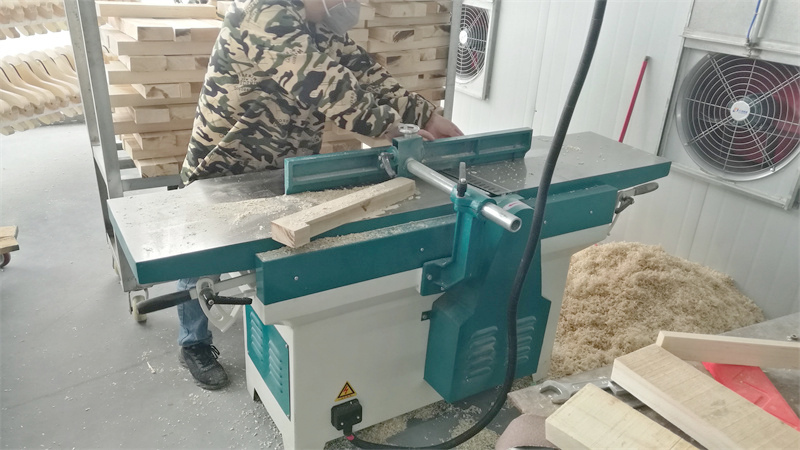 1. Selecting
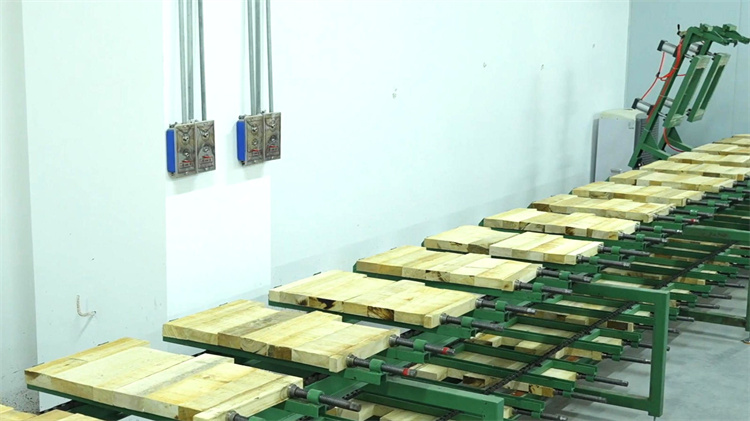 2. Splicing
 3. CNC Machining
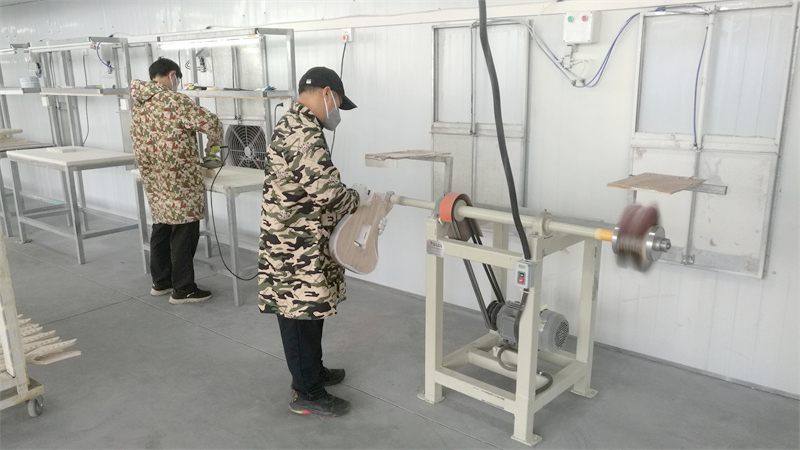 4. Polishing
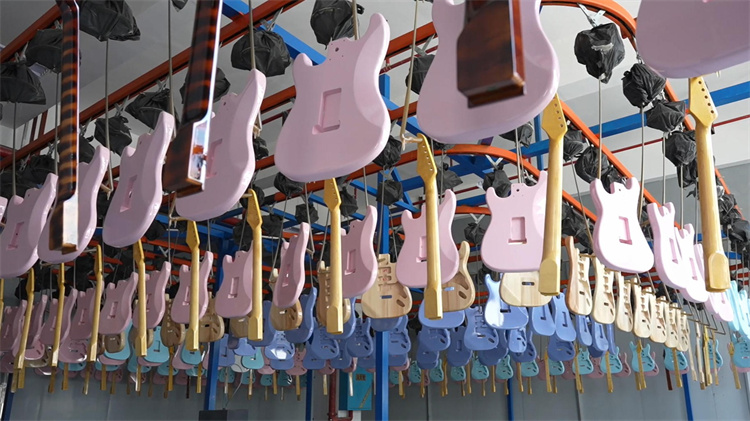 5. Painting
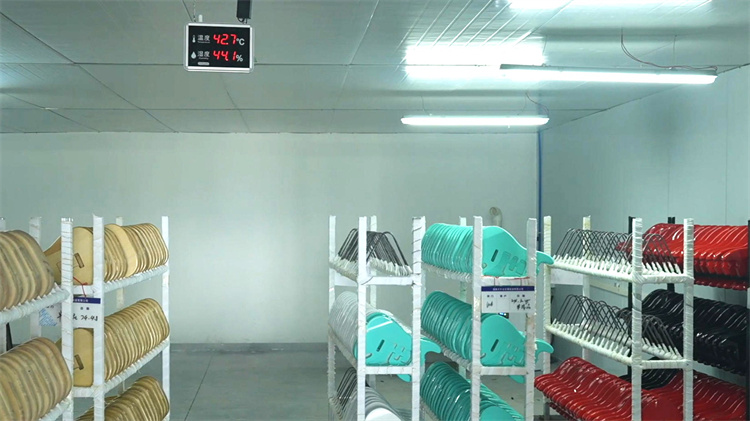 6. Drying
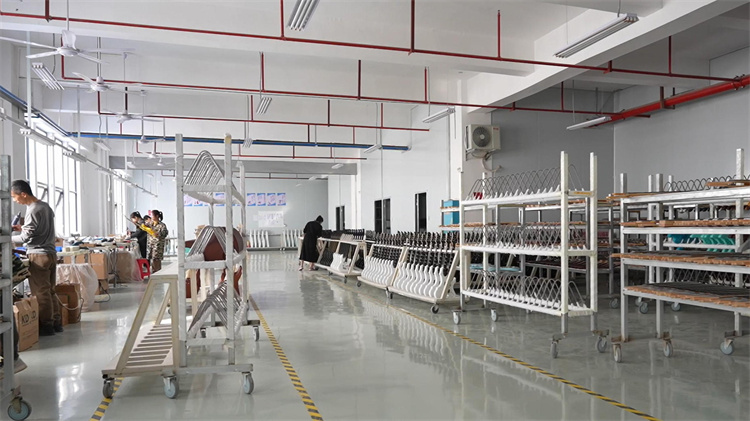 7. Assembling
 8. Polishing 2
 9. Tone Tuning
Our infrastructure relies on purpose-built industrial machinery engineered specifically for instrument component fabrication and wood/metal processing:
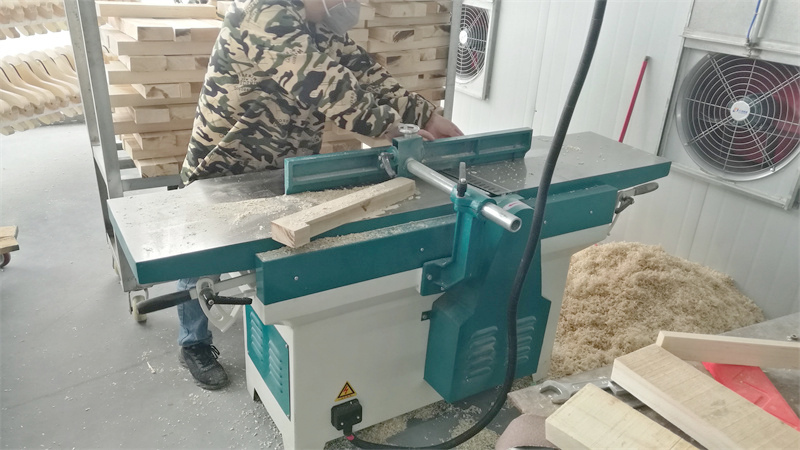 Woodworking Planer
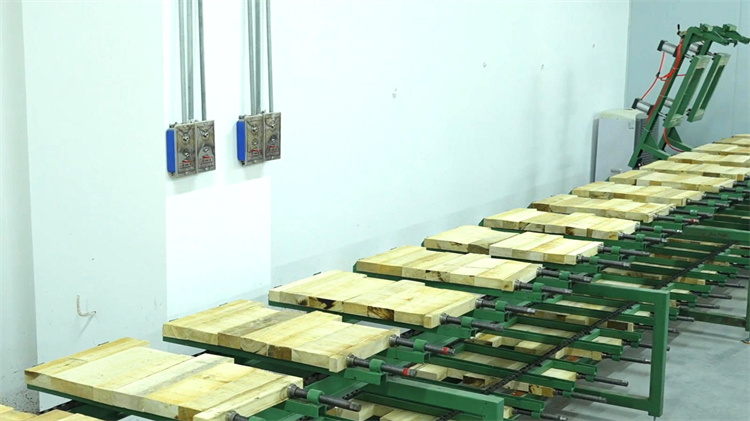 Splicing Machine
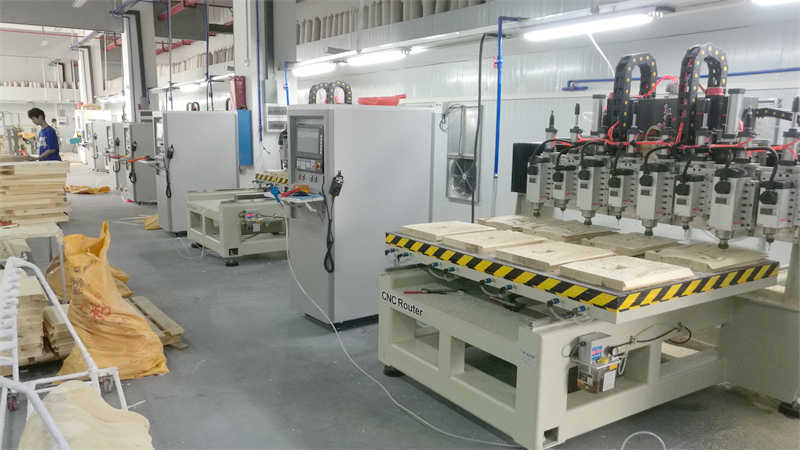 CNC Router
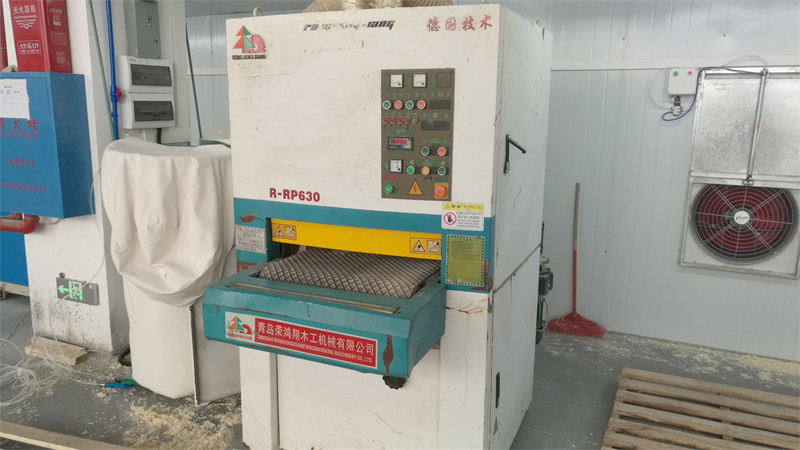 Wide Belt Sander
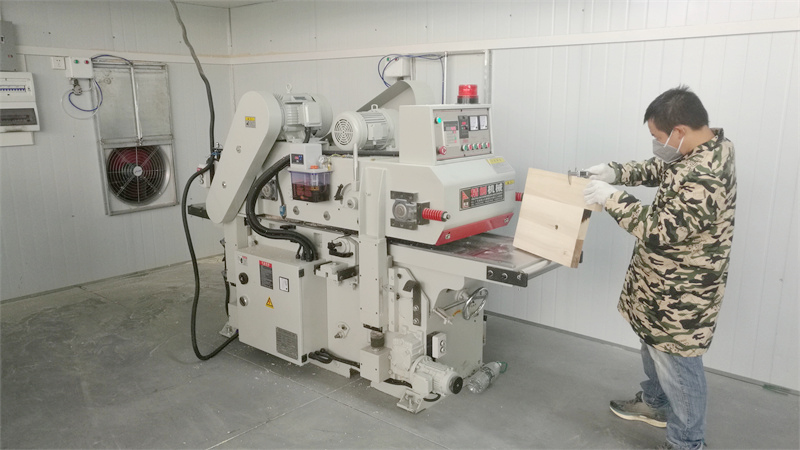 Surface Planer
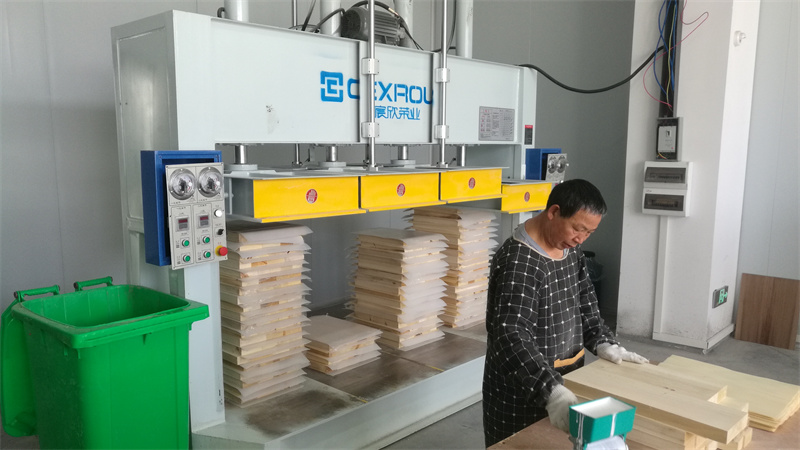 Cold Press Machine
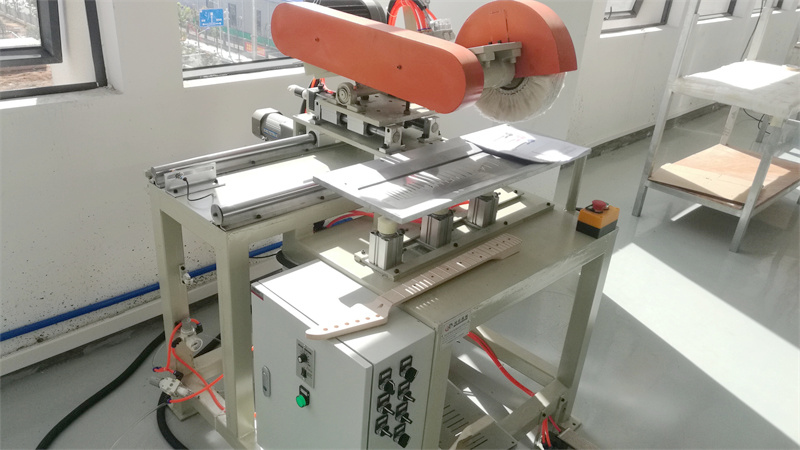 Polishing Machine
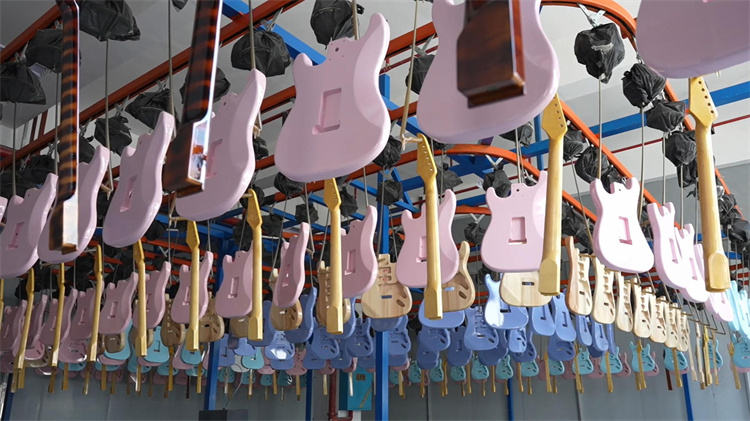 Painting Line
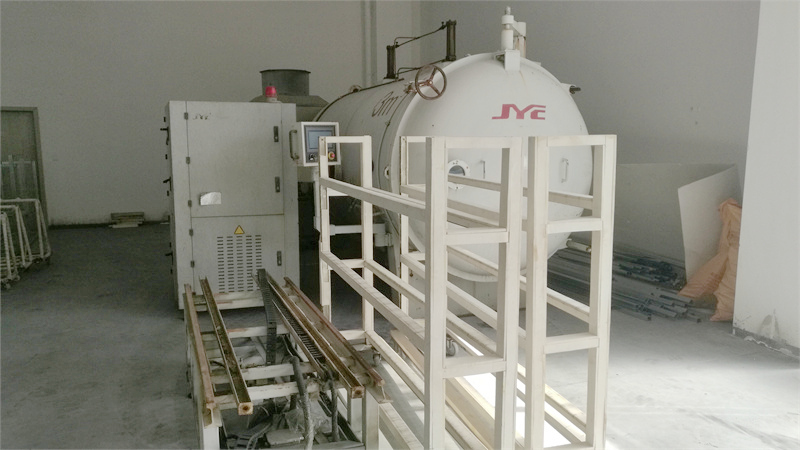 High Frequency Dryer
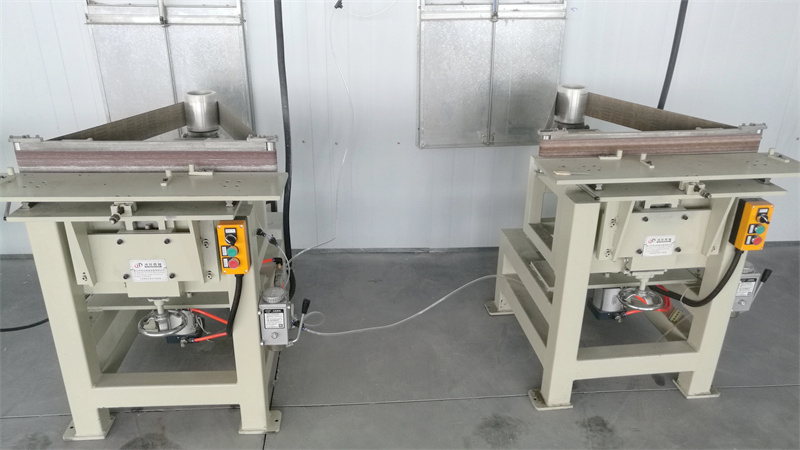 Sander
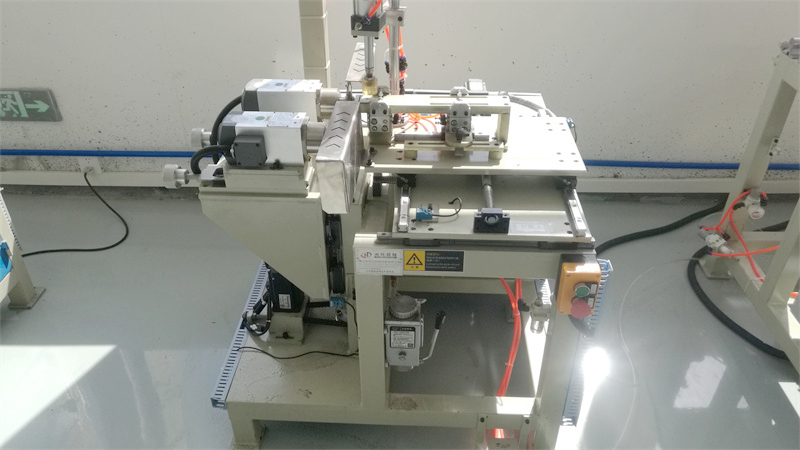 Groove Sawing Machine
Rigorous Quality Control & Testing Methodology
Quality assurance at Changsha YBUL Instrument Co., Ltd. is governed by strict numerical metrics rather than subjective assessment. Every batch of metal hardware, wooden accessories, and electronic components undergoes systematic inspection utilizing specialized calibration tooling:
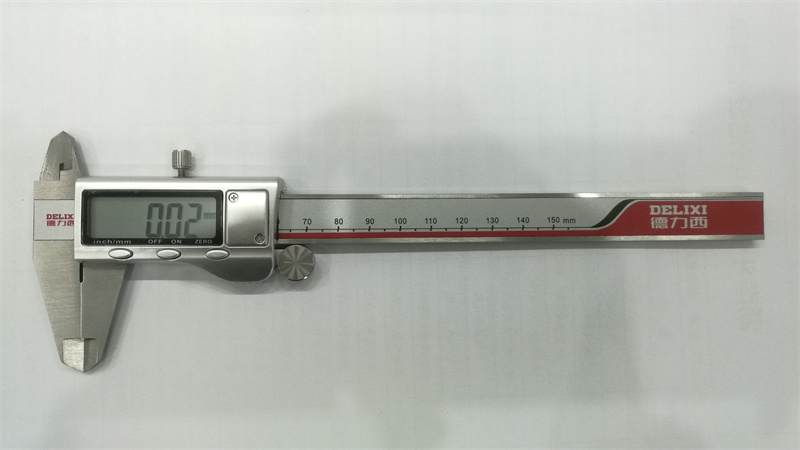
Vernier Caliper Tolerance Check
Precision measurement of neck pocket dimensions, nut widths, tuner hole diameters, and bridge mounting post spacings to ensure seamless drop-in assembly.
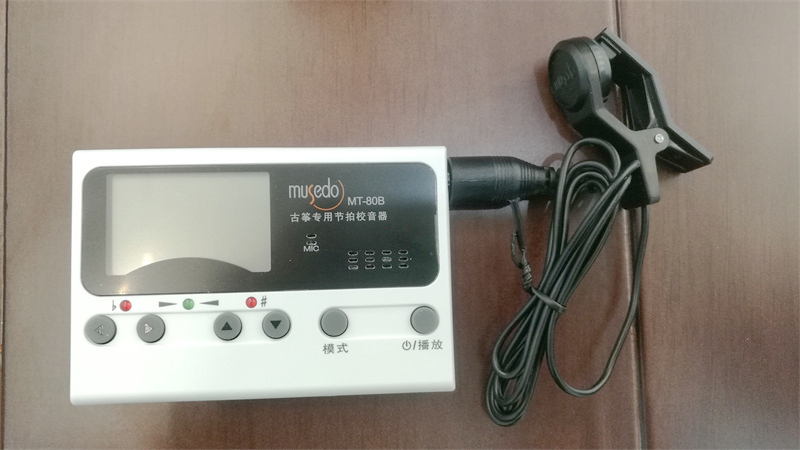
Beat Calibrator Acoustic Analysis
Acoustic resonance testing for bridges, saddles, and nuts to verify vibration transfer efficiency, sustain metrics, and pitch stability prior to bulk shipment packaging.
3. Global Procurement & Sourcing Trends (2025–2030)
Global procurement directors must align their supply chain strategies with shifting international regulations, manufacturing automation, and consumer preferences. Sourcing Guitar Accessories involves adapting to three pivotal industry macro-trends:
A. Shift Toward Eco-Compliant & Recyclable Materials
Environmental standards across North America and Europe are imposing stringent restrictions on chemical coatings and non-recyclable plastics. Importers are rapidly adopting eco-friendly solutions:
- REACH & RoHS Electroplating: Eliminating heavy metals and hexavalent chromium from hardware finishes.
- FSC-Certified Timber & Technical Composites: Replacing endangered rosewood fingerboard accessories with high-density synthetic ebony and responsibly harvested technical woods.
- Biodegradable Retail Packaging: Replacing single-use plastic blister packs with FSC kraft paper boxes, soy ink printing, and plastic-free interior cradles.
B. High-Precision CNC & Automated Electro-Plating
Manual manufacturing leads to variances in plating thickness, gear friction, and dimensional tolerance. Modern accessory production relies heavily on multi-axis CNC routing and automated multi-layer electroplating. This ensures salt-spray corrosion resistance up to 48 hours for nickel, gold, and chrome finishes, extending product shelf life in humid climates.
C. Modular Private Labeling & Smart SKU Fulfillment
Cross-border e-commerce platforms (Amazon, Shopify, Mercado Libre) demand agile supply chains capable of handling small-batch custom branding. OEM suppliers must provide laser-engraving for metal hardware, custom embroidery for gig bags, and barcoded retail packaging directly at the factory level, allowing importers to streamline direct-to-consumer fulfillment.
4. Industry & Technology Development Trends
The manufacturing technology behind musical instrument accessories is experiencing rapid innovations driven by material science and acoustic engineering. Understanding these technological advancements enables procurement teams to stay ahead of the competition:
5. B2B Sourcing Frequently Asked Questions (FAQ)
To assist global procurement officers, brand managers, and wholesale distributors, we have compiled detailed answers to the most common inquiries received by our international trade team:
Q1: How does Changsha YBUL Instrument Co., Ltd. guarantee strict quality consistency for large OEM accessory orders?
Answer: We enforce an integrated quality management framework. Raw materials pass moisture and density checks before entering production. Machined metal and wood parts undergo 100% dimensional inspection using high-precision Vernier Calipers. Furthermore, completed bridge, saddle, and nut assemblies are acoustic-calibrated using digital Beat Calibrators to ensure optimal vibration transfer. Third-party SGS audit reports confirm our compliance at every production stage.
Q2: What is the Minimum Order Quantity (MOQ) and lead time for custom private-label branding?
Answer: For standard catalog accessories with custom laser-engraved logos or silk-screen branding, our typical MOQ ranges from 100 to 500 units depending on the item. Custom tooling for unique hardware designs requires a sample development cycle of 10–15 days, followed by mass production within 25–35 days. We also maintain buffer stock for fast-moving accessories to support rapid replenishment orders.
Q3: Are your guitar accessories compliant with European and North American environmental regulations?
Answer: Yes. All electroplating processes (chrome, gold, black nickel) strictly comply with European Union RoHS 2.0 and REACH standards. Leather straps, gig bag fabrics, and synthetic plastics are tested for heavy metals, phthalates, and AZO dyes, satisfying California Proposition 65 and CPSIA compliance requirements for immediate retail distribution.
Q4: Can Changsha YBUL Instrument Co., Ltd. handle direct custom retail packaging and barcoding?
Answer: Absolutely. We provide complete OEM packaging solutions including full-color printed tuck boxes, hanging header cards, clamshell blister packs, and premium gift boxes. We apply UPC/EAN barcodes, FNSKU labels, and outer carton shipping marks at our factory, allowing direct delivery to regional distribution centers or Amazon FBA fulfillment warehouses.
Q5: What shipping terms and payment currencies does your export department accept?
Answer: We support comprehensive international trade terms including FOB, CFR, CIF, EXW, FCA, CPT, CIP, DDP, and DDU. Payment methods include T/T, L/C, PayPal, Credit Card, Western Union, and Escrow. Our financial department accepts major global currencies including USD, EUR, GBP, CAD, AUD, JPY, and HKD.
Partner with a Verified China Guitar Accessories Manufacturer
Contact Changsha YBUL Instrument Co., Ltd. today to request detailed product catalogs, technical engineering drawings, sample kits, and factory-direct wholesale quotations. Our experienced international trade team guarantees response times within 24 hours.
Official Contact Email: [email protected]