English
 Español
 Deutsch
 Français
 Português
 Italiano
 Русский
 日本語
 한국어
 العربية English Español Deutsch Français Português Italiano Русский 日本語 한국어 العربية
Engineered from seasoned tonewoods with strict moisture-relief standards, our instruments pass nine acoustic inspection gates to ensure structural integrity across elevation and climate transitions.
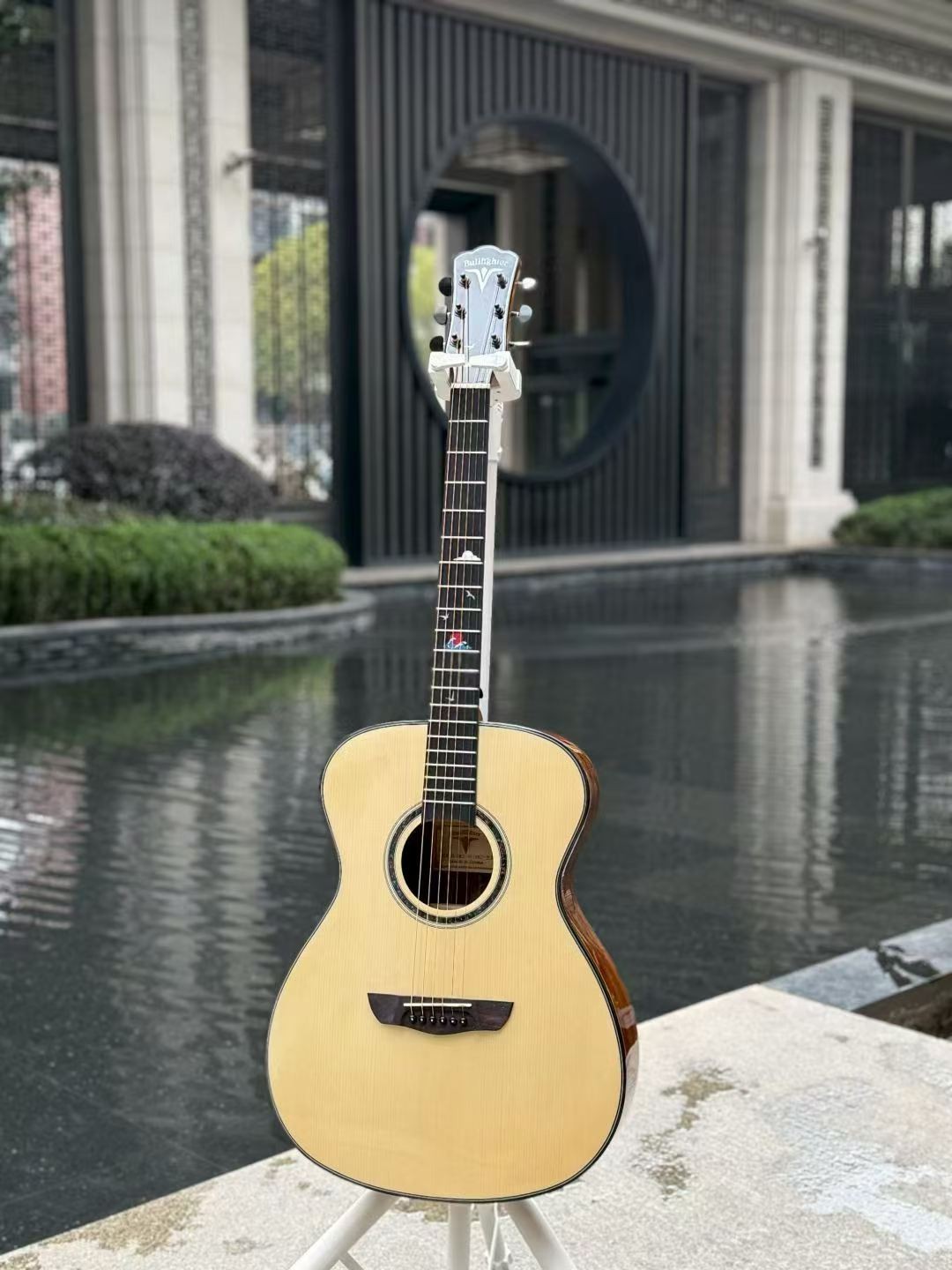
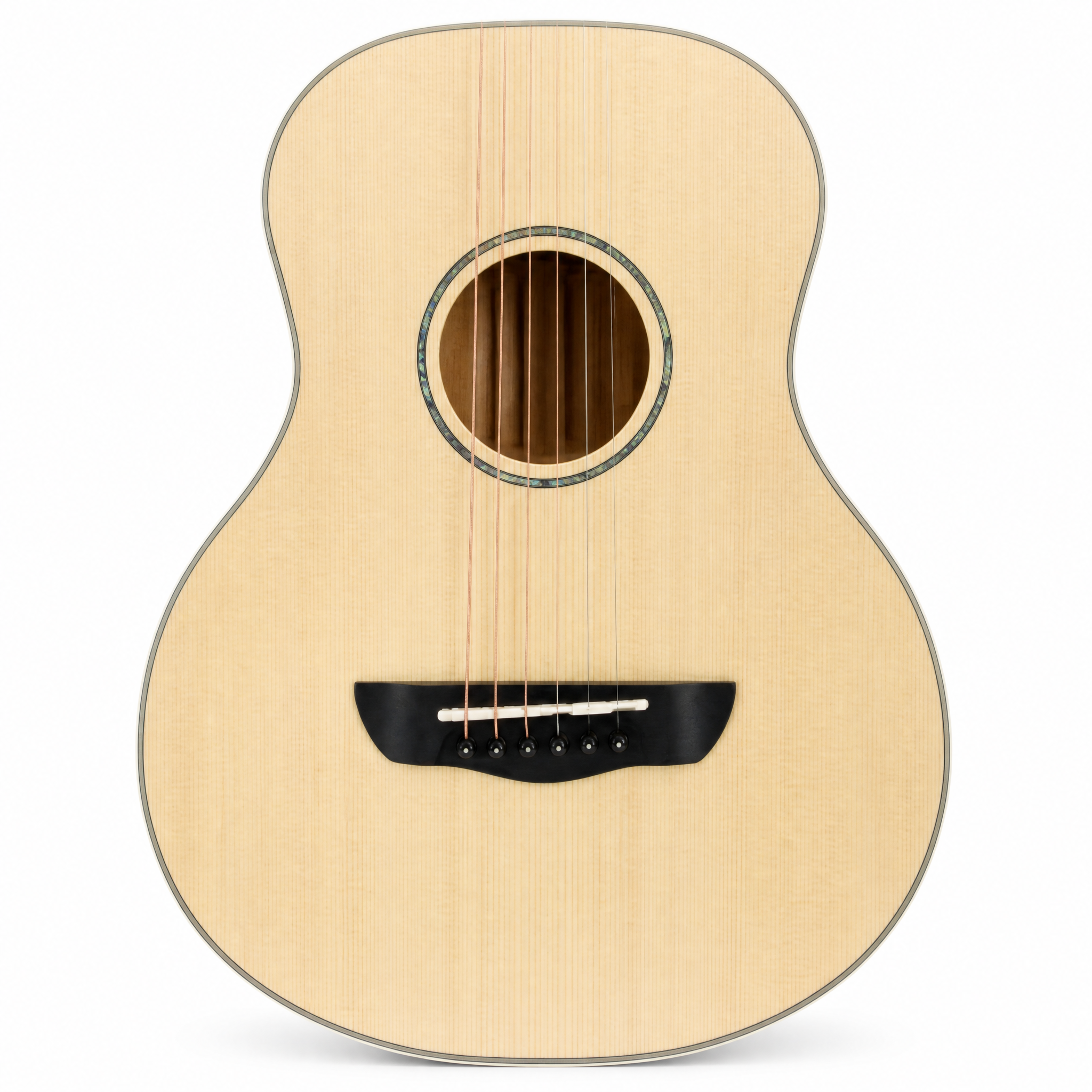
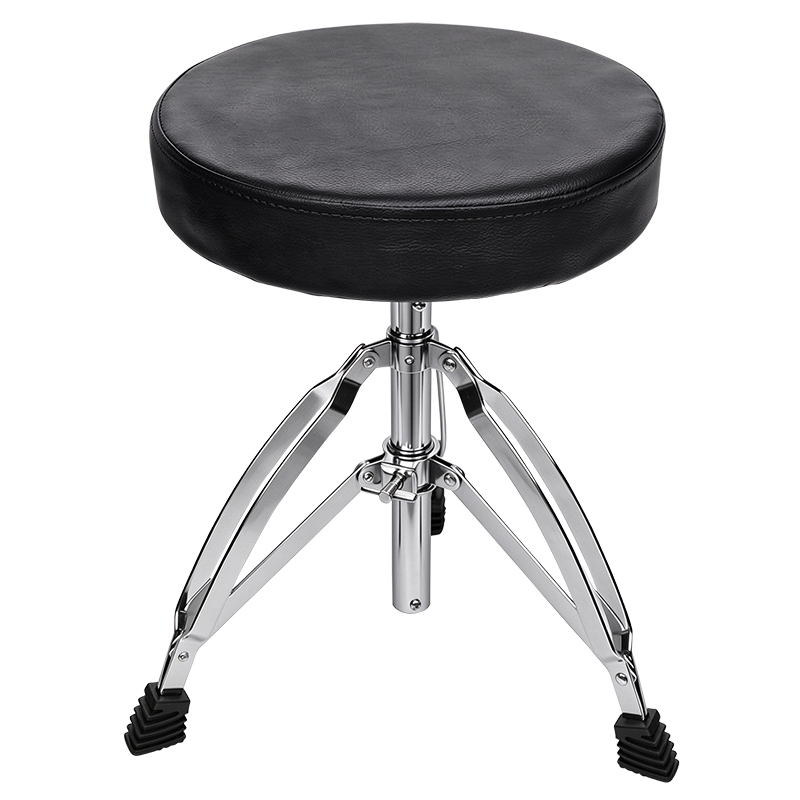

Production Facility
Monthly Instrument Output
Export Response Rate
OEM Stock Prototypes
As the southern cultural and academic gateway of the Principality of Andorra, Sant Julià de Lòria presents a demanding environment for musical instrument stability. Situated at an average altitude exceeding 900 to 1,100 meters within the Gran Valira basin, seasonal shifts transition rapidly between crisp, dry sub-zero winters heated artificially indoors, and humid, temperate alpine summers. For standard commercial bass guitars, these volatile relative humidity swings cause fingerboard contraction, fret sprout, severe neck bowing, and intonation drift.
Instruments bound for academic institutions such as the Universitat d'Andorra community and regional music schools require balanced low-end resonance and ergonomic playability. Our 34-inch standard and multi-scale electric bass series feature double-action carbon-composite reinforced truss rods that maintain sub-millimeter string relief under heavy institutional student rotation.
From theatrical orchestrations at the Centre Cultural Lauredià to regional festival open-air stages, bassists require wide dynamic headroom with negligible electromagnetic interference. Our Alnico V and active dual-coil humbuckers are encapsulated in shielded cavities with conductive copper coating, eliminating 50Hz/60Hz line humming near stage dimmers.
Andorran boutique recording facilities and hospitality entertainment venues require guitars with exceptional dimensional stability. Our high-frequency vacuum kiln drying stabilizes moisture levels below 8% prior to multi-layer polyurethane or thin nitrocellulose finish applications, preventing wood checking during travel across changing elevations.
Retailers and commercial procurement managers in Sant Julià de Lòria and neighboring parishes are actively shifting sourcing models away from multi-tier European distributor markups toward factory-direct OEM & ODM partnerships. With Andorra's unique tax landscape (IGI value-added framework) and strategic positioning on the CG-1 trans-Pyrenean corridor connecting France and Catalonia, supply agility is paramount.
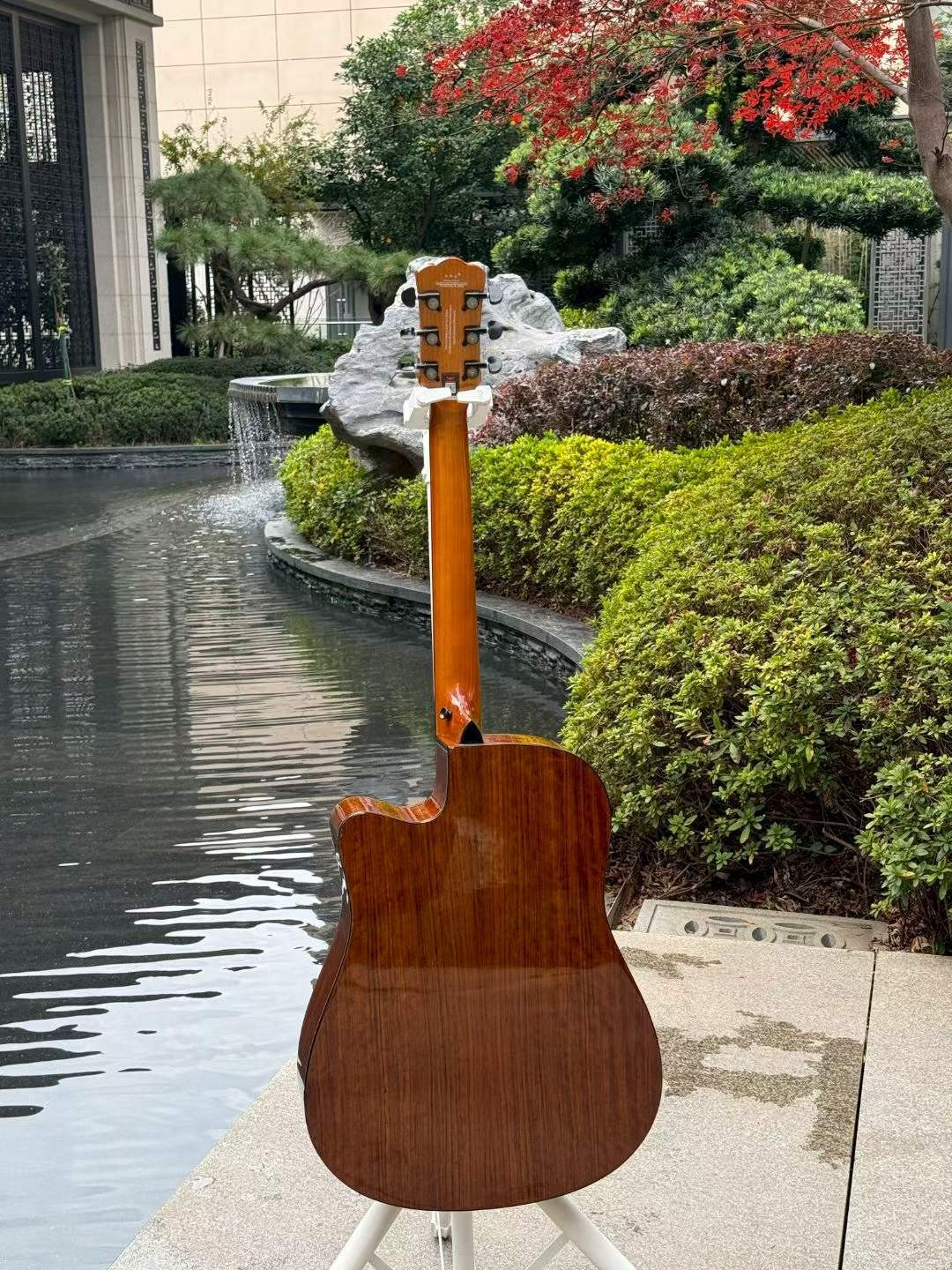
Thermal roasting (torrefaction) removes volatile organic resins and residual sugars from maple and okoume necks. In the high altitudes of Andorra, roasted necks exhibit near-zero hygroscopic movement, giving retailers zero-maintenance inventory straight out of the box.
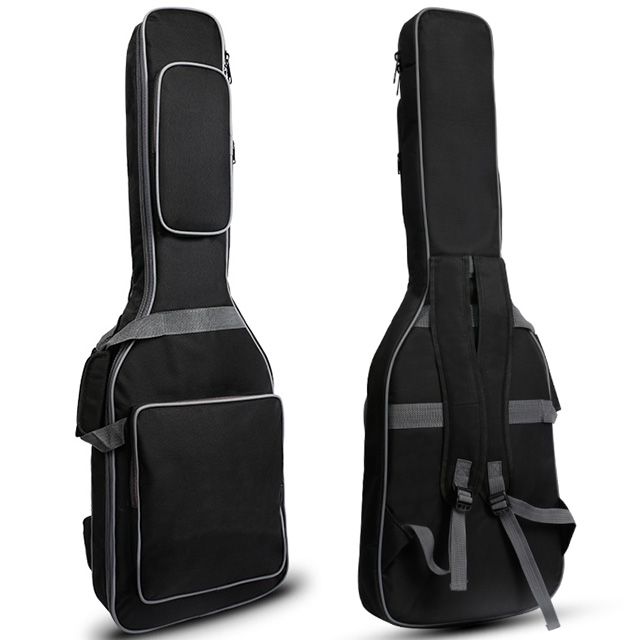
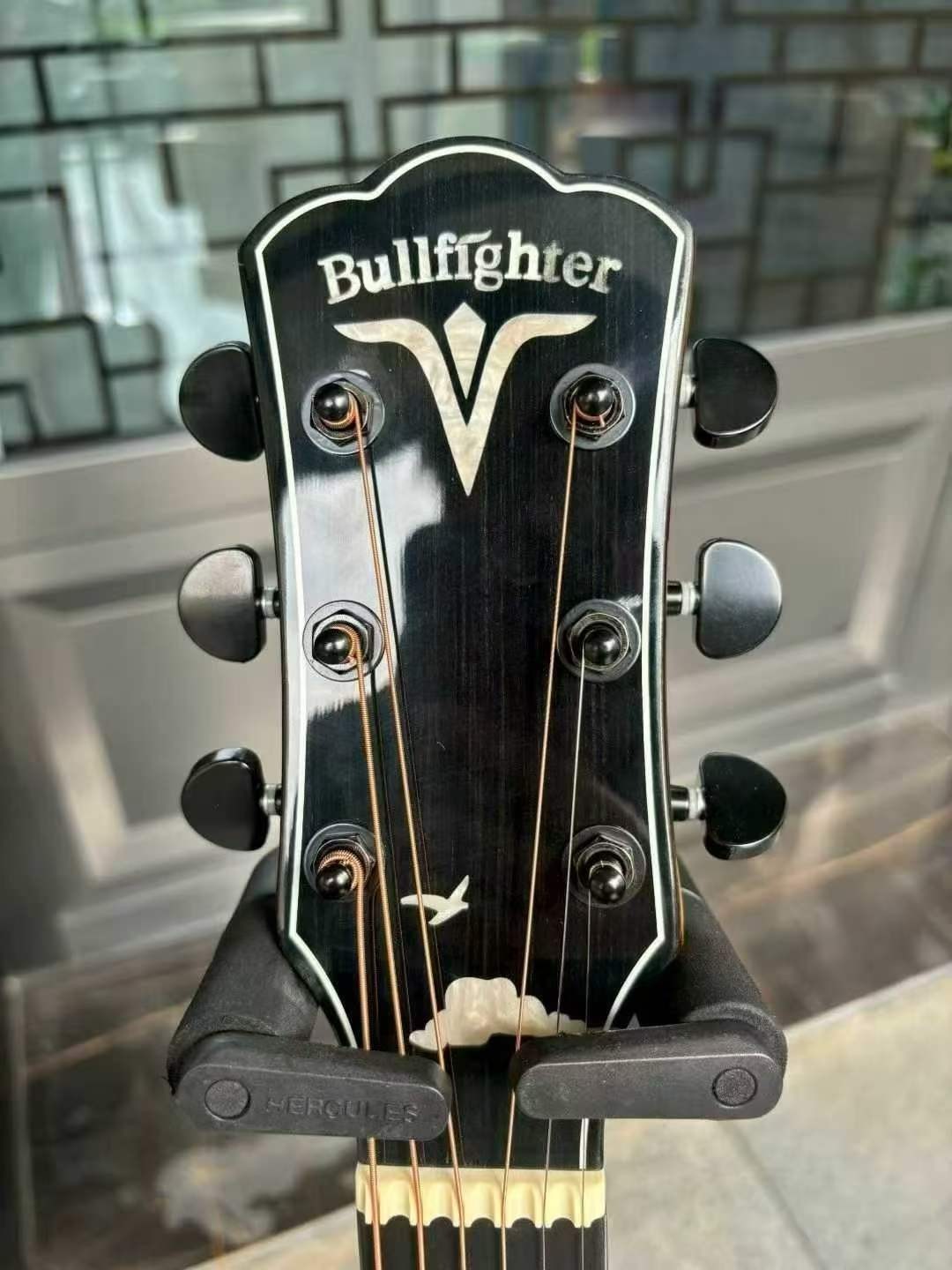
Local music academies and regional retailers are building independent brand equity. With custom CNC headstock silhouettes, bespoke laser-engraved fretboard inlays, and customized 7mm to 20mm padded waterproof gig bags, importers are maintaining gross margins above 45% compared to wholesale brands.
Direct consolidated maritime shipping via Barcelona or Valencia ports followed by bonded road transport into Sant Julià de Lòria allows distributors to bypass continental markups, optimizing landed cost without incurring unnecessary warehouse overhead.
Founded in 2015, Changsha YBUL Instrument Co., Ltd. represents the gold standard of integrated Chinese musical instrument production. Assessed and verified onsite by the globally recognized inspection agency SGS Group, our industrial infrastructure spans 16,483 square meters across two high-capacity manufacturing centers supported by an advanced engineering and acoustics R&D center in Changsha, Hunan.
Unlike third-party trading brokers, YBUL operates verified woodworking planers, automated cold press stations, multi-axis CNC routers, automated electrostatic painting lines, and fret groove sawing machines with precision down to 0.02 mm.
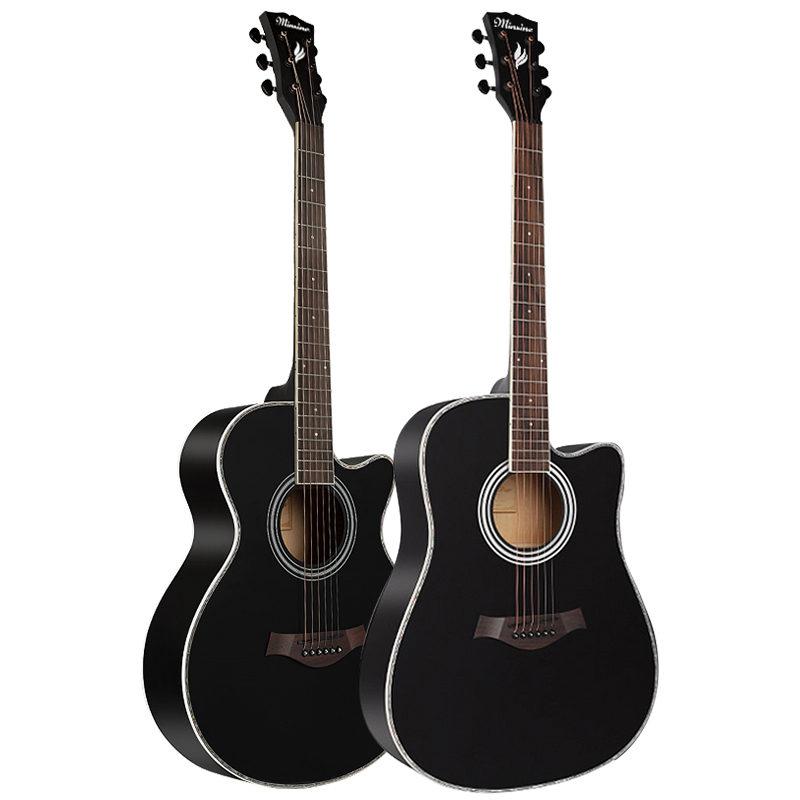
Our monthly output reaches 15,000 acoustic, electric, and bass guitars, alongside 1,000 sets of electronic drums, professional drum thrones, and amplifiers. This operational scale enables stable container shipping schedules and resilient supply chains for institutional contracts.
Every bass neck is stress-checked through multiple humidity transitions. Dimensional checks with vernier calipers ensure neck pocket tolerances under 0.15mm, while electronic stroboscopic calibrators guarantee pitch intonation from the 1st to the 24th fret.
Clear, definitive technical and commercial answers for store owners, academic procurement committees, and musical distributors.
We subject all tonewood blanks (including Canadian maple, African okoume, and Indian rosewood) to high-frequency vacuum kilning, followed by a stabilizing aging buffer period. This stabilizes timber internal moisture at an optimal 7%–9%, preventing fingerboard shrinking, seam separation, and fret buzz in high-elevation European climates.
We provide full export flexibility, including FOB (Shenzhen/Guangzhou/Shanghai), CIF (Port of Barcelona), and DDP directly into your Sant Julià de Lòria commercial warehouse. Given Andorra's specialized customs status, our export documentation team provides accurate EUR.1 origin declarations, packing lists, and commercial invoices compliant with Andorran customs clearance.
Yes. We understand that specialized regional markets require diverse inventory offerings rather than thousands of identical units. We allow combined container or pallet batches across electric bass lines (4-string PJ, 5-string JB, 24-fret active variants) and acoustic folk guitars sharing similar chassis foundations.
Our five-stage inspection protocol encompasses moisture monitoring, laser straightness profiling across the fretboard plane, hardware salt-spray rust testing, pickup resistance checking via oscilloscope, and drop-tested double-corrugated export carton packaging with molded foam corner anchors.
Absolutely. You can select from thin Modern C to vintage D neck contours, customize scale lengths (from 30" short scale to 35" extended range bass), select pickup windings, and request hardware coatings in high-gloss chrome, satin nickel, stealth matte black, or electroplated gold.
Yes. All woods utilized in our manufacturing facilities—whether standard Sitka spruce tops, technical density-engineered timbers, or exotic hardwoods—fully adhere to CITES Appendix II regulations and EU timber import regulations with documented origin chains.