 English
 Español
 Deutsch
 Français
 Português
 Italiano
 Русский
 日本語
 한국어
 العربية English Español Deutsch Français Português Italiano Русский 日本語 한국어 العربية
Each instrument model below has been engineered for tonal density, humidity resistance, and high-frequency stage performance. Available for direct bulk procurement, private labeling, and custom electrical configurations.
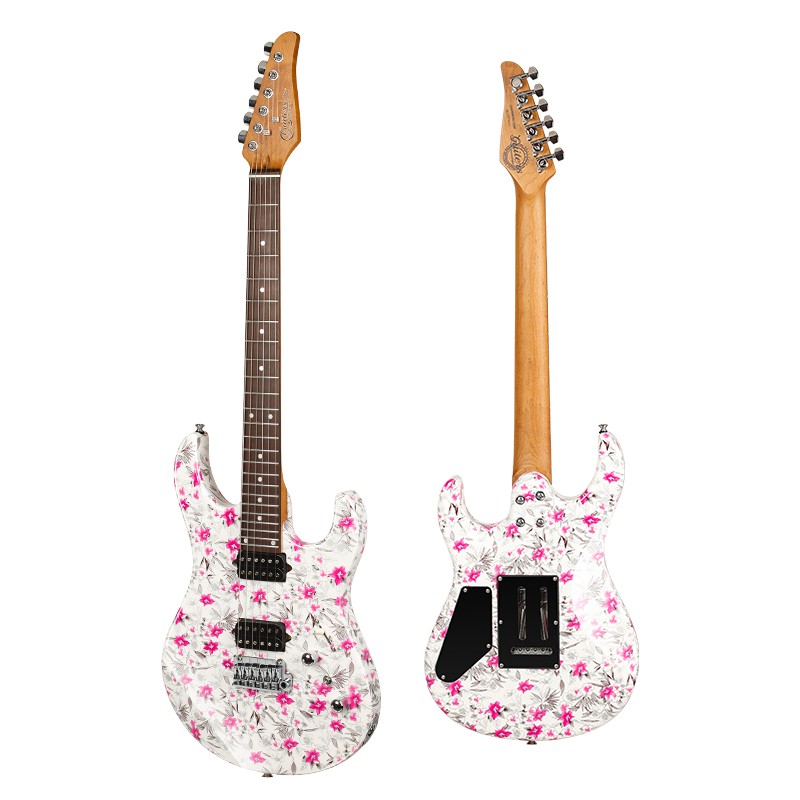
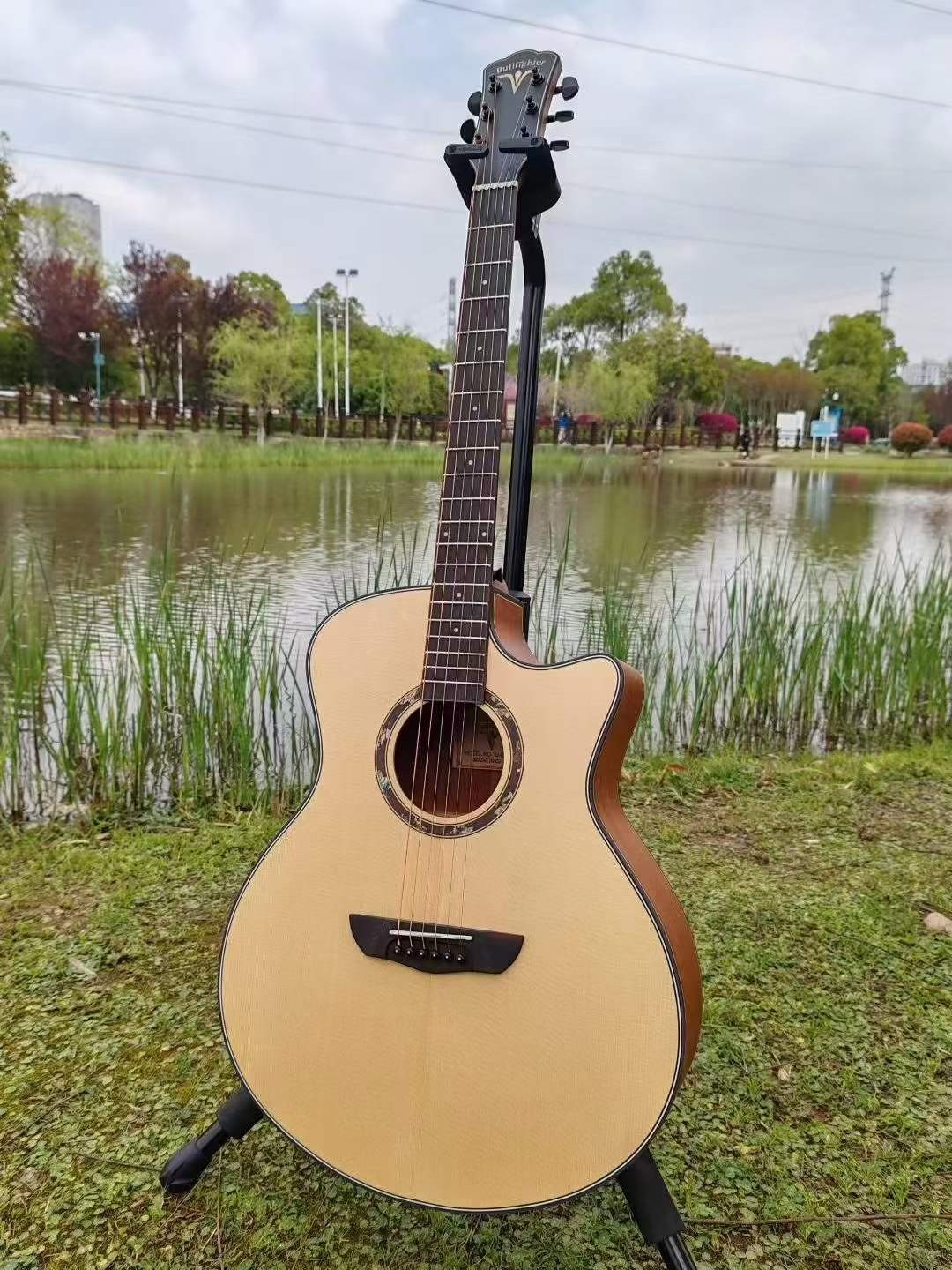
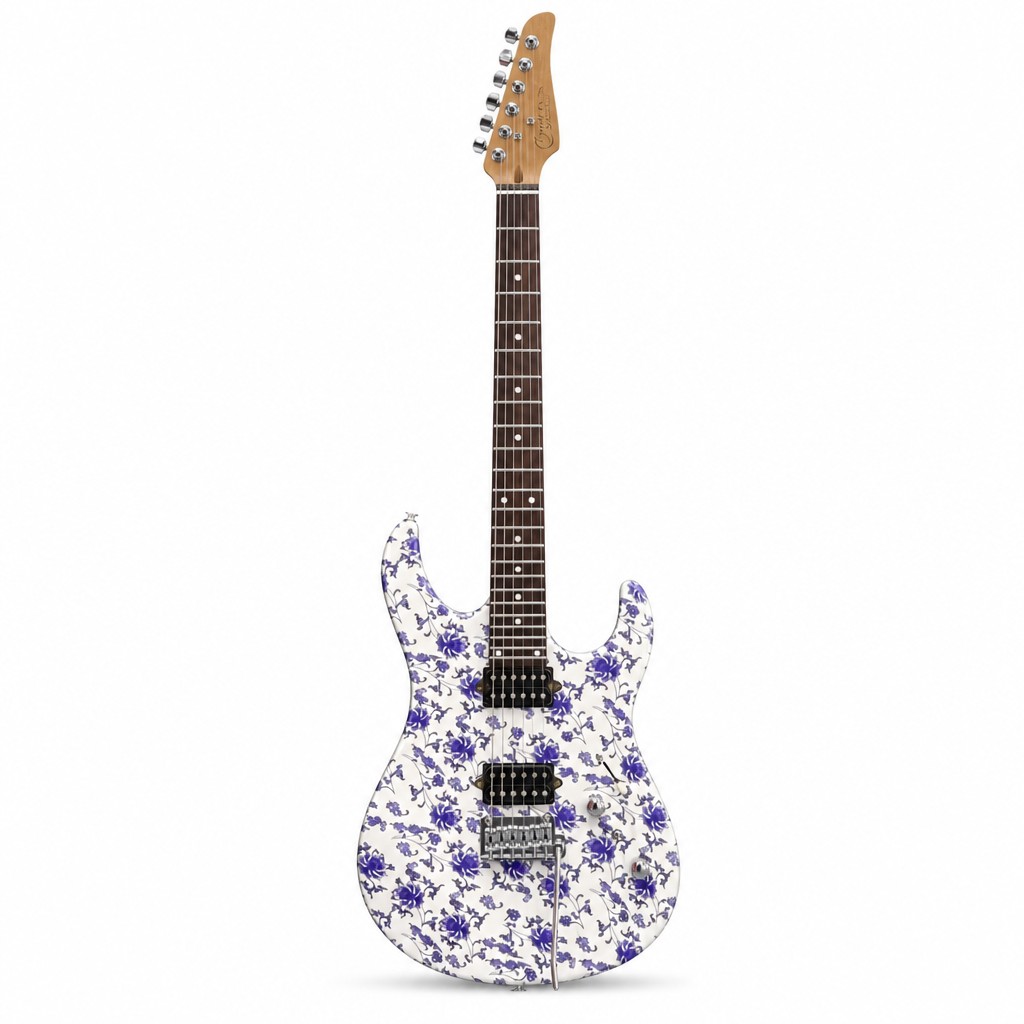
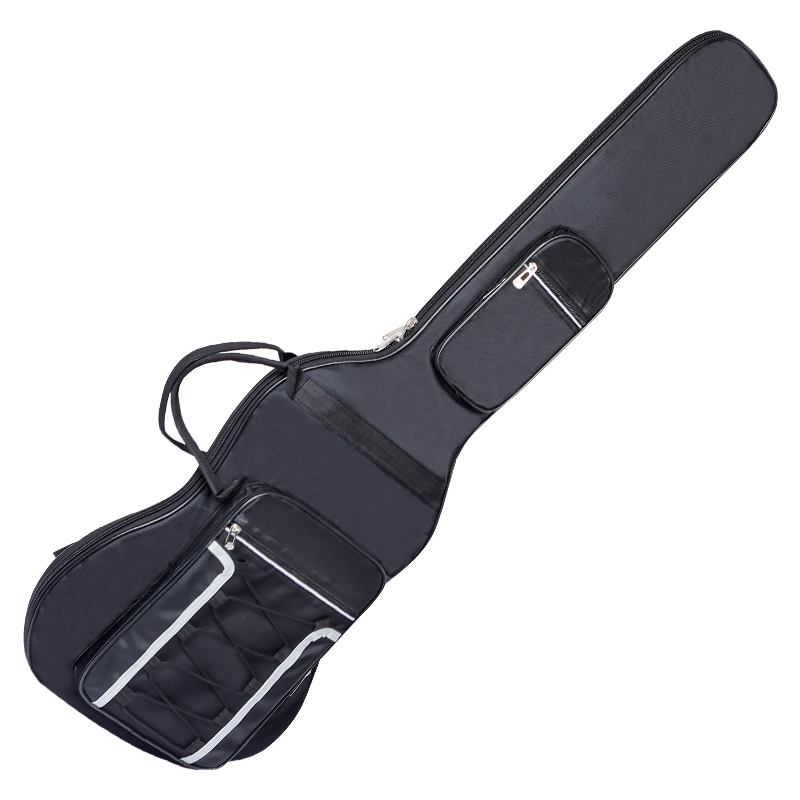

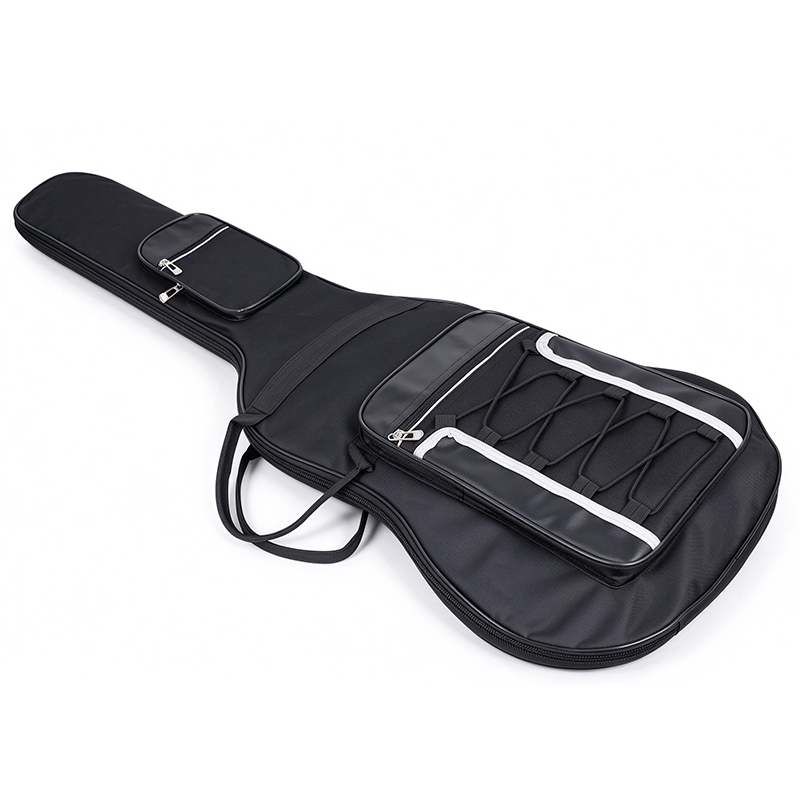
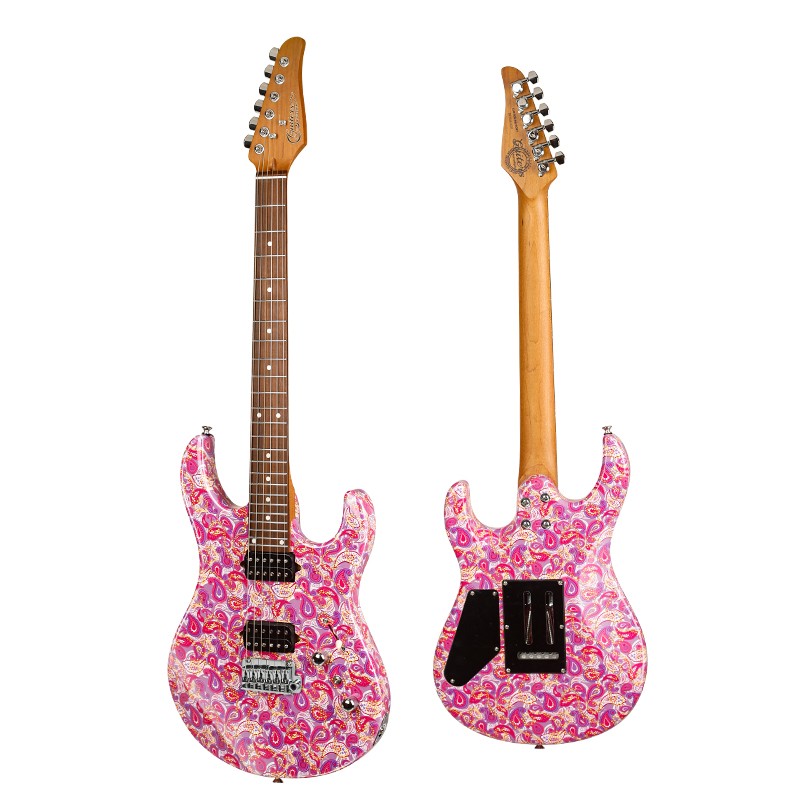
Musical instruments imported into the Pacific Northwest (PNW) confront ecological and cultural stressors distinct from any other North American zone. Changsha YBUL Instrument Co., Ltd. calibrates our production runs to address these regional dynamics directly.
Portland endures persistent oceanic rain patterns, with winter ambient humidity levels hovering between 75% and 88%, dropping abruptly to 30% indoors due to forced-air heating. Standard unfinished or fast-dried woods warp, develop fret sprout, and suffer soundboard collapse. YBUL employs High-Frequency Vacuum Drying and torrefied (roasted) maple necks to lock equilibrium moisture content between 8% and 10%, guaranteeing zero neck twisting between warehouse deliveries and retail shelves in neighborhoods like Hawthorne or the Pearl District.
From recording basements along Mississippi Avenue to premier facilities across Eastside Portland, local musicians favor articulate frequency separation. Our Engelmann Spruce and solid African Mahogany acoustics (such as the D1D and D-3621) generate high dynamic headroom without brittle top-end glare. For electrics, the GT-20D line integrates Alnico 5 custom-wound humbuckers, providing the warmth, low-end punch, and high dynamic sensitivity required by alternative, shoegaze, and indie-folk artists.
Portland musicians rely heavily on cycling, MAX Light Rail, and interstate touring through unpredictable Cascade Mountain passes. Instruments require rugged transit envelopes. Our 600D Oxford dual-shoulder water-repellent gig bags and 360-degree high-density internal foam cases ensure that guitars remain dry during constant rain commutes and protected from structural thermal shock when shifting from unheated tour vans into warm venues like Crystal Ballroom or Doug Fir Lounge.
Understanding buyer psychology and retail inventory rotation in Oregon and Washington is mandatory for guitar shop owners, e-commerce brand curators, and institutional distributors.
Pacific Northwest consumers exhibit high environmental consciousness. Importers face rigorous inspection under the U.S. Lacey Act and international CITES regulations. Our export facility supplies certified legal tonewood documentation, CITES-exempt technical rosewood substitutions, and European CE/RoHS chemical conformity certifications for all solder, shielding, wiring, and finish coatings. We eliminate seizure risks at U.S. Customs ports in Portland (Terminal 6) and Seattle/Tacoma.
Independent guitar stores and local creators across Portland are turning away from conventional mega-brands with crushing minimum commitments. By partnering directly with our OEM/ODM assembly lines, local entrepreneurs launch tailored boutique brands with custom headstocks, custom neck carve contours (C, D, Modern U), specialized pickup voicings, and small test batches (MOQs starting at accessible thresholds).
The adoption of thermally modified (roasted) maple necks is growing rapidly throughout the Pacific Northwest. The thermal baking process crystallizes the wood's hemicellulose and lignin, permanently driving off volatile moisture, enhancing resonant velocity, and making the neck immune to Portland's ambient humidity shifts. YBUL produces roasted necks in volume with consistent color gradient and fret-slot tolerance.
| Wood Specification | Moisture Equilibrium | Tonal Profile | Portland Climate Tolerance | Target Market Application |
|---|---|---|---|---|
| Thermally Roasted Maple | 4% – 7% Stabilized | Bright attack, fast overtone dispersion | Exceptional: Zero warp during rainy autumn/winter | High-velocity electric leads, tour-grade ST/TL |
| Engelmann Spruce Top | 8% – 10% Kiln-Controlled | Complex overtone series, wide dynamic range | High: Braced with scalloped radial spruce | Fingerstyle acoustics, Pacific folk recording |
| African Mahogany (Solid) | 7% – 9% Vacuum Dried | Pronounced woody fundamental, mid warmth | Very High: Dense grain cell structure | Parlor, 36" GS-Mini, travel songwriters |
| Sonokeling / Tech Rosewood | 6% – 8% Certified Stable | Deep bass response, tactile surface slickness | Maximum: CITES-compliant, zero sweat-absorption | Fretboards across electric and acoustic series |
| Selected Okoume Body | 8% – 11% Chamber-Aged | Resonant, low mid bloom, featherweight | High: Coated in poly/nitro UV sealed barrier | Ergonomic stage electrics, multi-hour performance |
Changsha YBUL Instrument Co., Ltd. operates not as a middleman broker, but as an integrated manufacturer and exporter with verifiable physical infrastructure, advanced machinery, and rigorous quality controls.
Founded in 2015, YBUL spans two advanced production plants totaling 16,483 square meters alongside a 2,500 square meter R&D center in Changsha, Hunan. With over 100 experienced technicians, our lines turn out 15,000 guitars and basses plus 1,000 digital drum kits and amplifier sets every month, handling rapid replenishment for high-volume distributors.
Our operations are verified onsite by SGS Group, confirming production line validity, employee welfare standards, equipment capability, and environmental management. Our guitars carry valid CE certificates, EMC test pass reports for electronics, and non-hazardous chemical compliance, streamlining imports into both North American and European borders.
We blend CNC woodworking cutters, multi-axis fret groove slotting machines, automated wide-belt thickness sanders, and climate-regulated electrostatic spray booths. Necks and body pockets are milled to tight dimensional tolerances (±0.05mm), ensuring consistent bridge alignment, action, and resonant acoustic contact across entire container shipments.
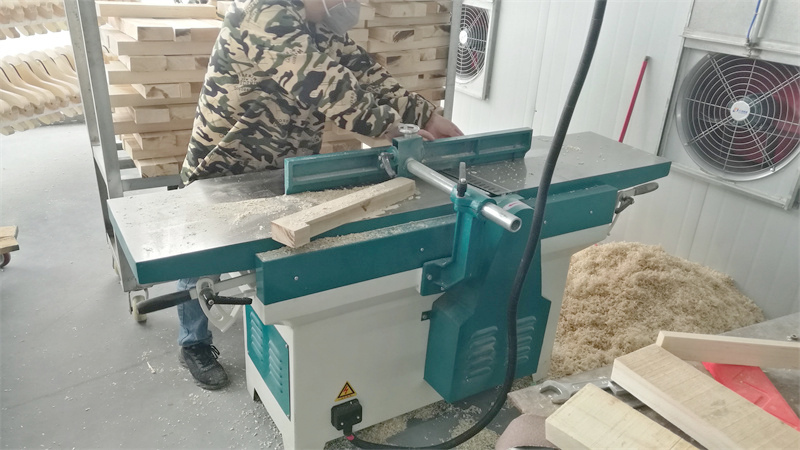
Moisture meter testing and acoustic resonance tap grading ensure blanks meet strict strength and drying specifications.
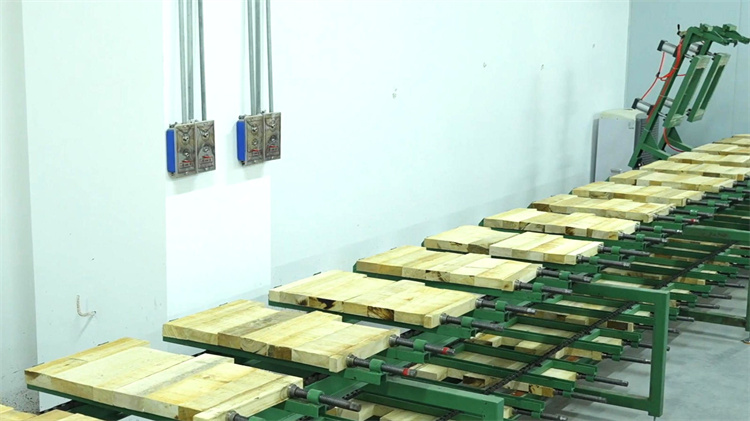
High-strength aliphatic resin bonding in hydraulic presses creates unified soundboard and body blocks that resist humidity shifts.

Automated carvers mill pickup cavities, truss rod channels, compound fretboard radii, and neck heel joints without variation.
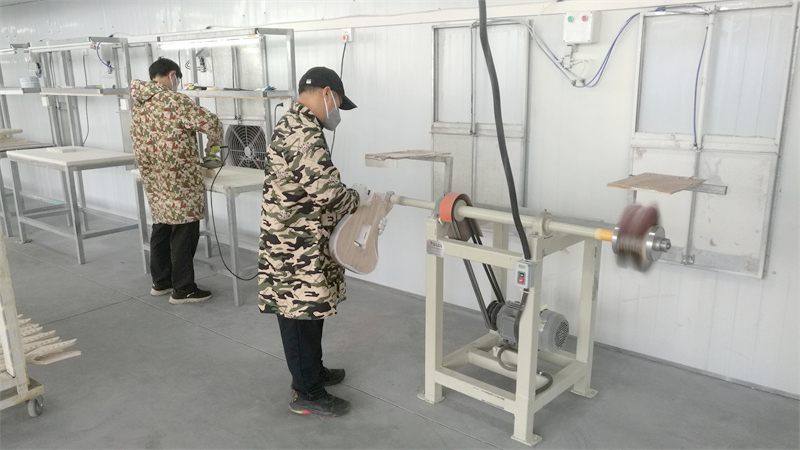
Craftsmen execute sequential dry-sanding through 800-grit to eliminate tooling marks and prepare surfaces for clean finish adhesion.
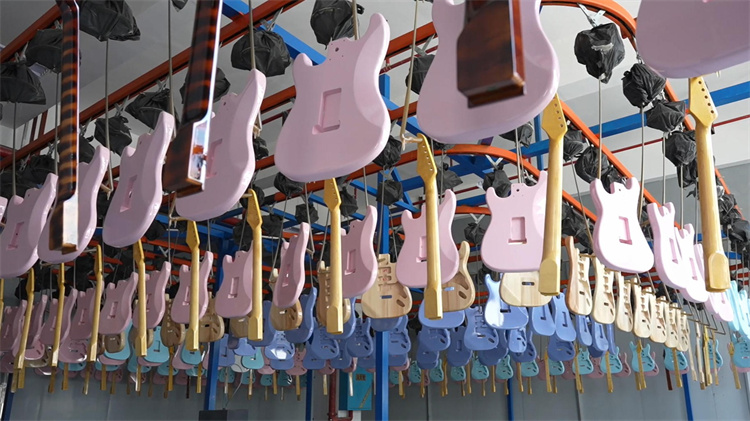
Climate-controlled spray booths apply thin polyurethane or vintage-style finishes, protecting resonance while preserving wood breathability.
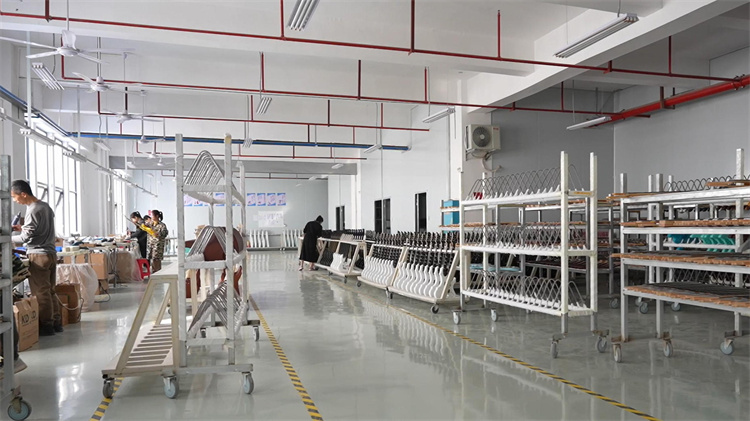
Hand-soldered pots, foil-shielded cavities, sealed die-cast tuning keys, and balanced pickup coils are mounted with precision hardware.

Fret ends receive hand-crowning and ball-end polishing to avoid uncomfortable finger drag in dry room transitions.

Technicians tune, intonate at the 12th fret, adjust truss rod relief, and set low string action (1.5mm–2.0mm) before signoff.
Everything wholesale buyers, e-commerce brand managers, and retail chain purchasing directors need to know about lead times, international freight, compliance, and custom specifications.
Whether you need a custom-built production run of 100 roasted maple electric guitars or container-scale replenishment of student acoustics for the Pacific Northwest education season, our bilingual project engineers provide samples, full technical drawings, and CIF Portland quotations within 24 hours.
