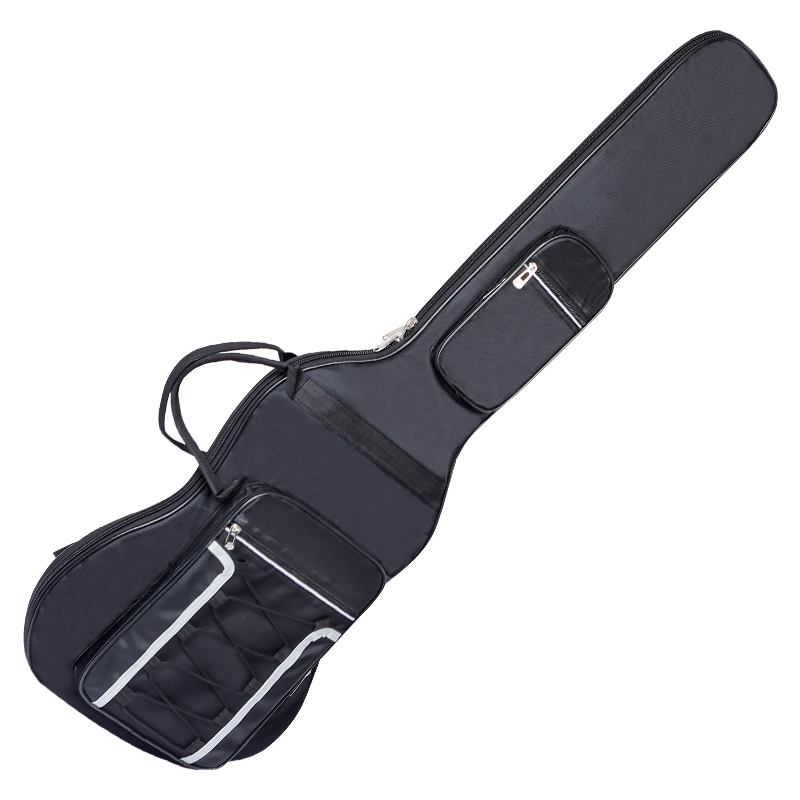
Wholesale Bullfighter Bass Guitar Gig Bag 360 Foam Padded
Engineered with high-density closed-cell 360-degree foam dampening and waterproof 600D Oxford exterior to combat sudden tropical squalls across Southern Mindanao.
Send an Inquiry English
 Español
 Deutsch
 Français
 Português
 Italiano
 Русский
 日本語
 한국어
 العربية
Direct export configurations spanning multi-scale extended range basses, moisture-stabilized acoustic designs, heavy-duty road cases, and high-gain solid bodies configured for the Philippine market.
Engineered with high-density closed-cell 360-degree foam dampening and waterproof 600D Oxford exterior to combat sudden tropical squalls across Southern Mindanao.
Send an Inquiry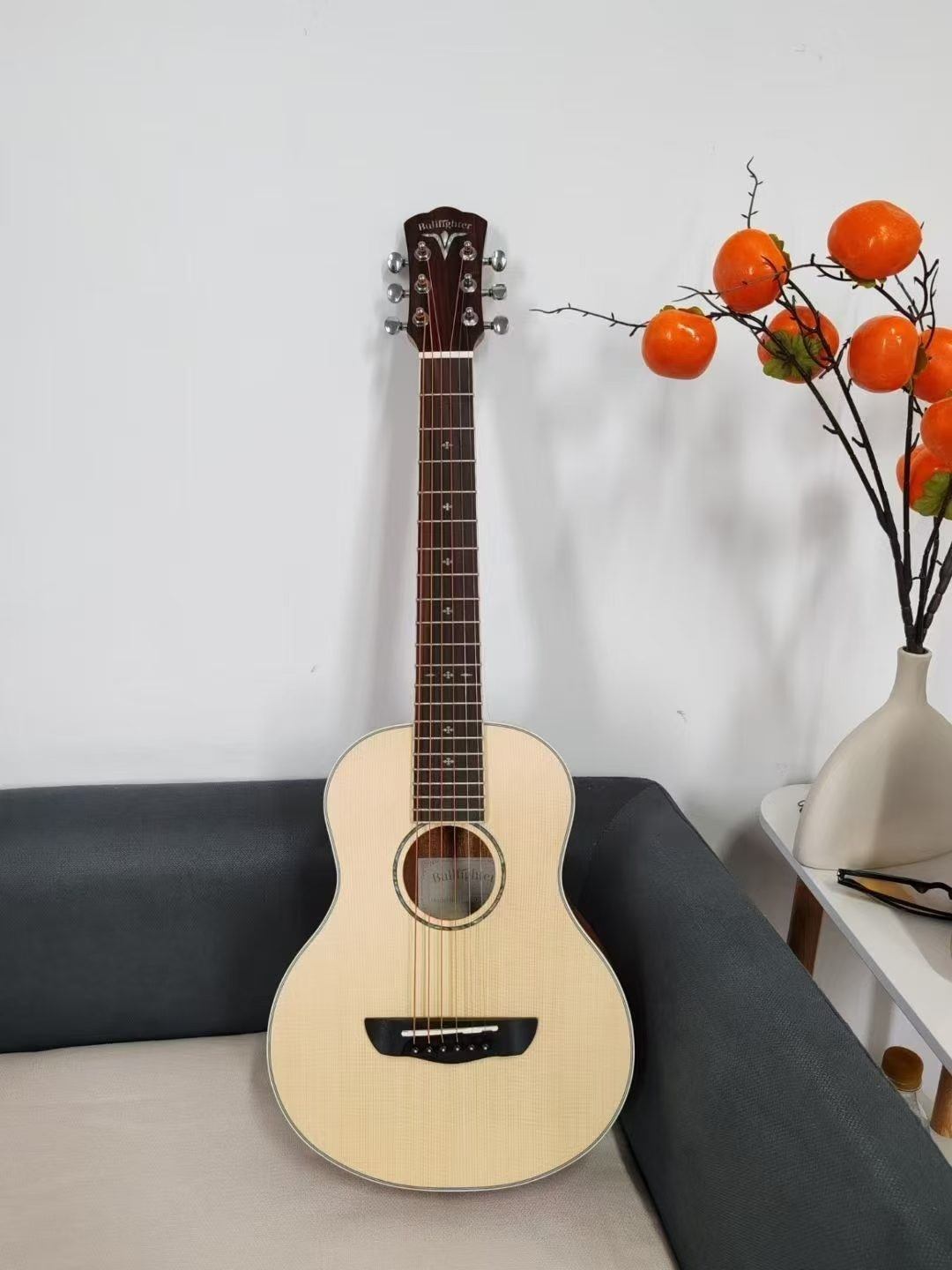
Engelmann spruce top with African mahogany back and sides. Kiln-dried to 8% internal moisture content to resist neck deformation under coastal maritime pressure.
Send an Inquiry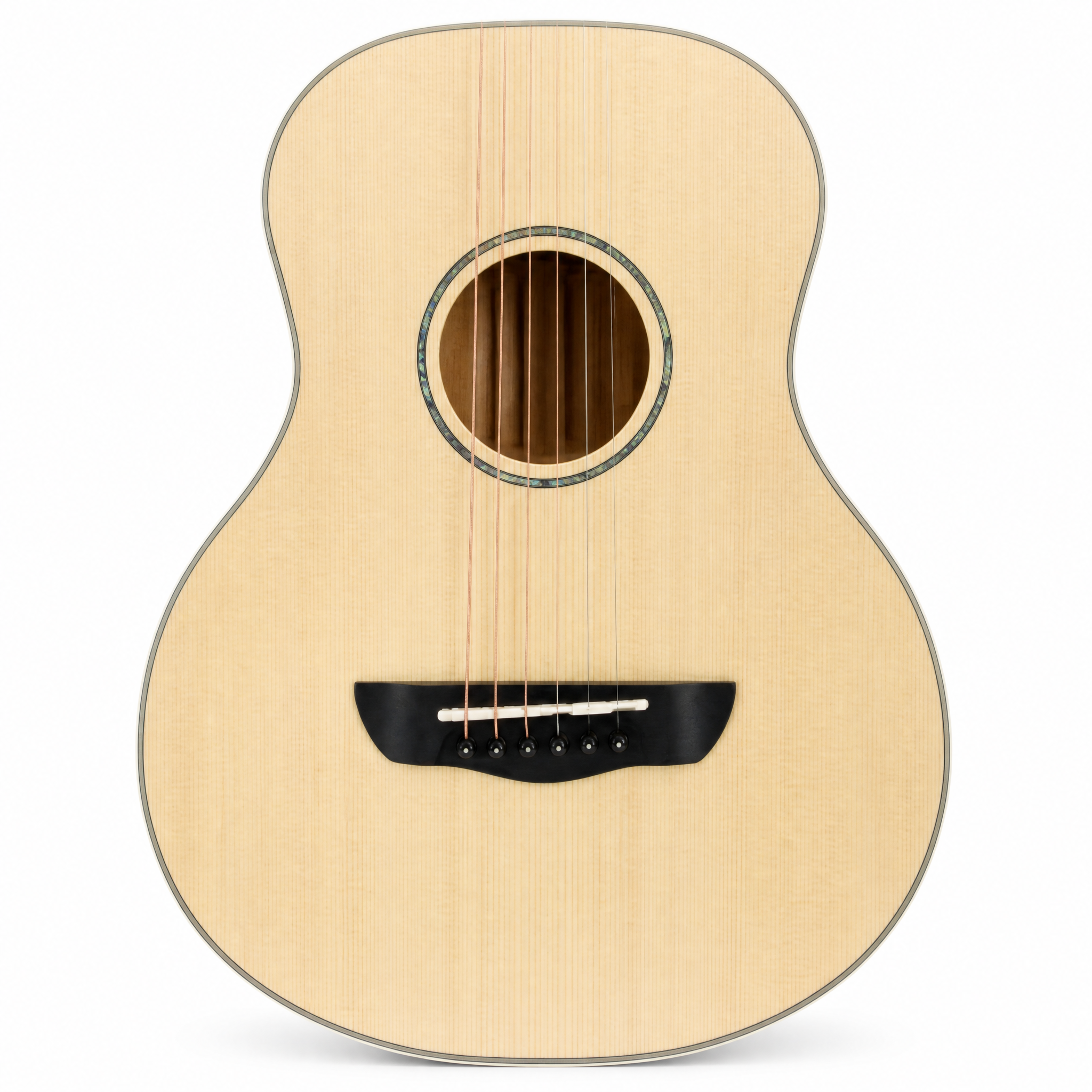
Compact 30-inch acoustic fitted with Indonesian rosewood fretboards, designed for educational institutions and touring academies across Southern Philippines.
Send an Inquiry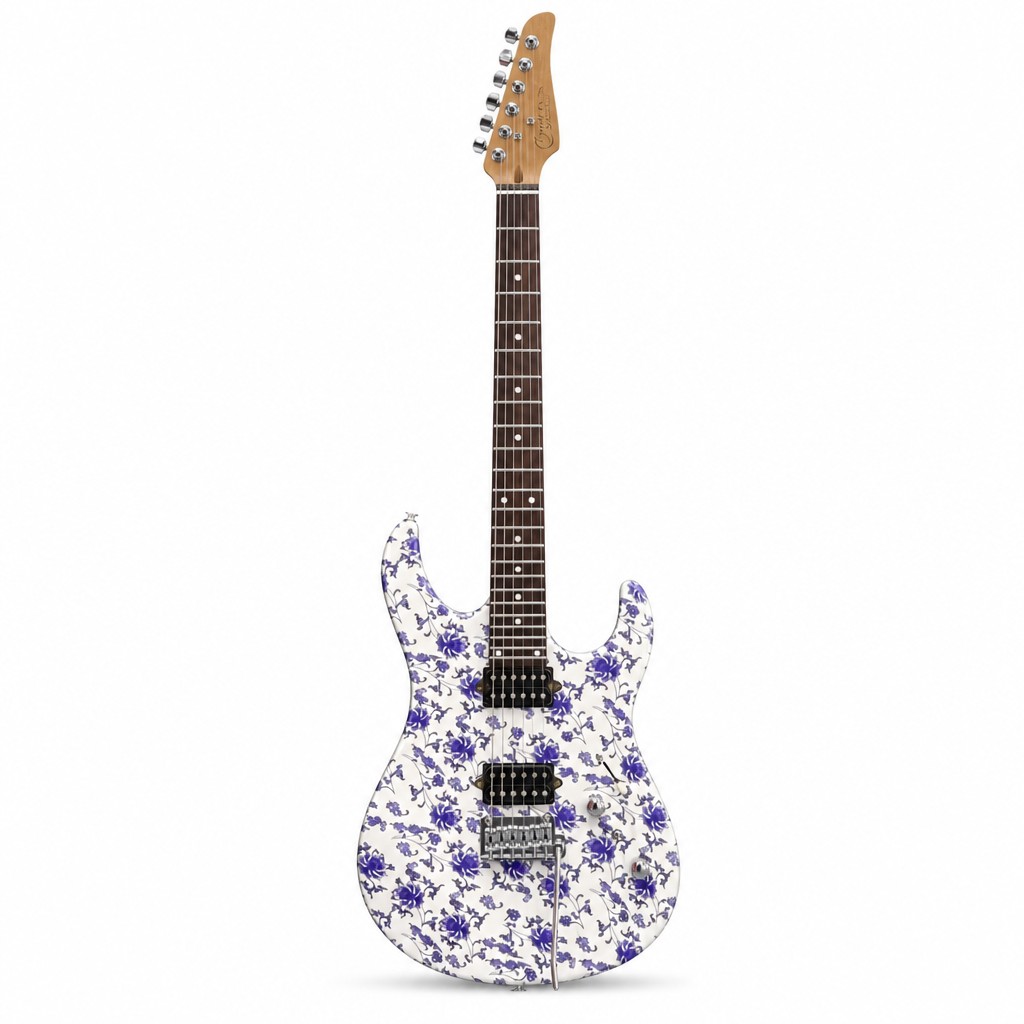
Flame maple veneer over resonant resonant hardwood, dual-action truss rod balancing, and nickel-silver frets dressed for low action performance in demanding live scenarios.
Send an Inquiry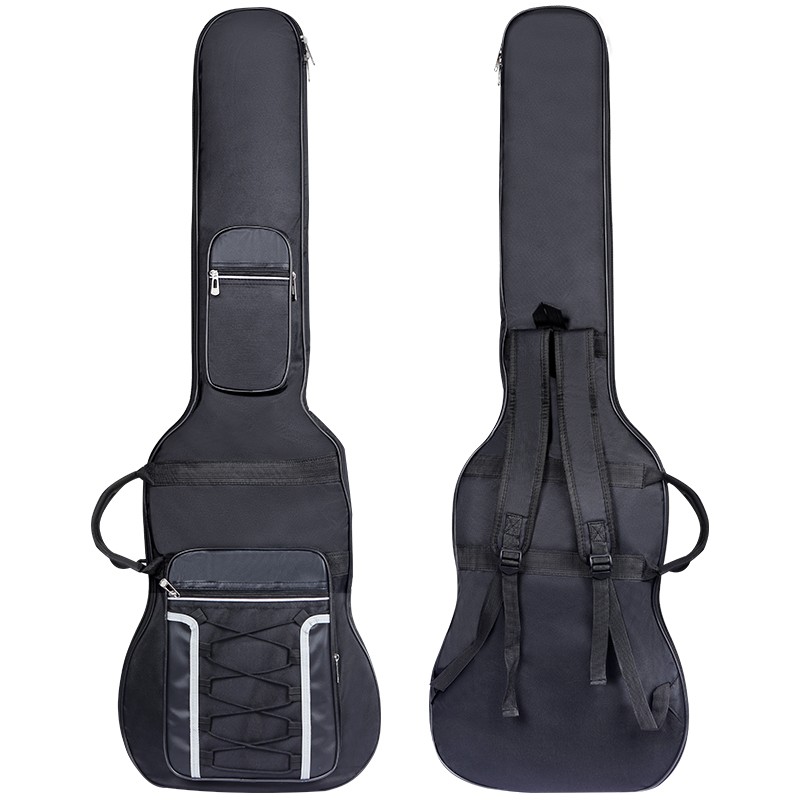
Reinforced dual-strap back harnesses with 8mm impact-absorbing foam wall construction; specifically configured for inter-island gig commutes across Davao del Sur.
Send an Inquiry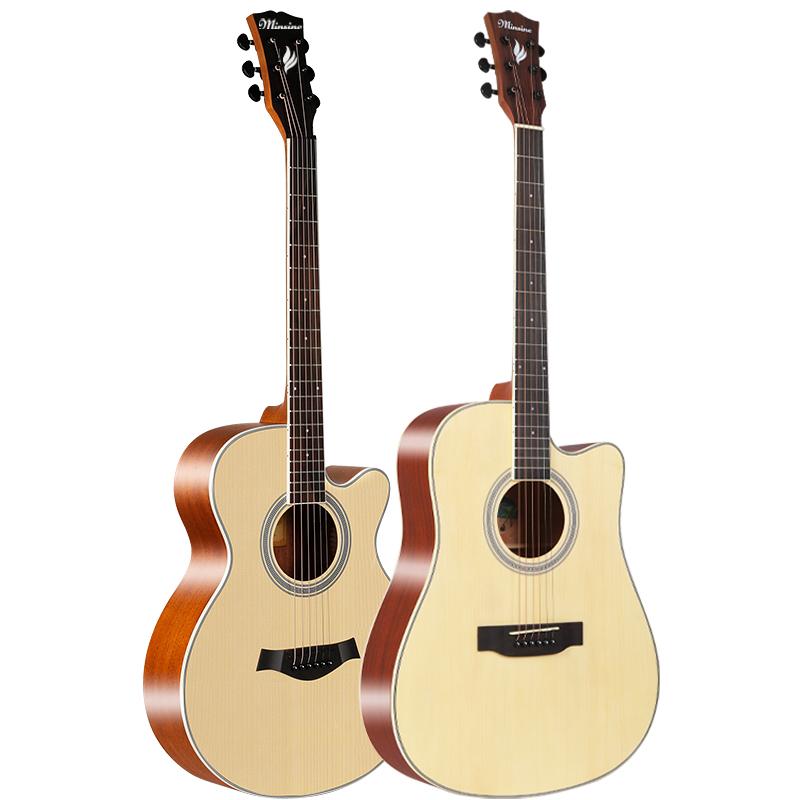
High-rigidity multi-ply laminate construction explicitly formulated to prevent soundboard bellying or seam delamination in year-round un-airconditioned venue setups.
Send an Inquiry
Torrefied roasted maple neck minimizing hygroscopic expansion, paired with Alnico 5 humbuckers for balanced low-end output, clarity, and zero fret sprout.
Send an Inquiry
Quarter-sawn Sitka spruce soundboard matched with African mahogany, generating rich acoustic headroom, rapid fundamental response, and structural permanence.
Send an InquiryThe commercial distribution of electric string instruments in Mindanao presents distinct technical challenges uncommon to temperate importing territories. As Davao City continues its infrastructural expansion as Southern Mindanao's logistical and cultural nexus, commercial music retailers, contemporary worship facilities, and performance venues face specific hardware degradation trends. Chief among these is the performance of extended low-frequency instruments—specifically five-string electric basses featuring low-B fundamentals vibrating down to 30.87 Hz. When deploying an instrument with this extended scale and mechanical tension into environments subject to an average relative humidity (RH) consistently exceeding 78% to 85%, conventional industrial guitar assembly techniques demonstrate systemic mechanical failure.
Standard four-string basses exert approximately 150 to 180 pounds of continuous tension along the neck axis. Incorporating a low B-string increases this load vector by roughly 35 to 45 pounds, elevating total tension to well over 200 pounds while broadening the neck pocket and truss profile. In tropical maritime regions like Davao City—where daily cycles involve transitioning instruments between air-conditioned stages and high-temperature ambient humidity—the wood absorbs moisture unevenly along its grain. Without specialized engineering interventions, importers regularly report uneven fret sprout, fingerboard delamination, neck ski-jumping around the 14th fret, and structural warp along the asymmetrical B-string edge.
Changsha YBUL Instrument Co., Ltd. resolves these micro-climatic points of failure directly from our factory floor. Operating from two dedicated manufacturing complexes encompassing 16,483 square meters in Changsha, Hunan, we deploy controlled high-frequency vacuum wood drying equipment and multi-axis CNC routing systems to manufacture five-string basses and accompanying fretted instruments specifically stabilized for tropical maritime supply chains.
To address the asymmetrical pull of the heavy gauge .125–.135 low-B string, YBUL abandons standard single-piece flat-sawn maple construction on commercial runs. Our OEM and ODM 5-string lines incorporate longitudinal 3-piece and 5-piece multi-laminate configurations (such as hard rock Canadian maple alternating with dense walnut or okoume splines). The opposing grain directions cancel natural internal shear strains, neutralizing lateral twisting vectors before they manifest.
Furthermore, our production floor subjects timber blanks to specialized torrefaction (roasted maple technology). The wood is thermally modified in an oxygen-deprived kiln at temperatures exceeding 180°C to 200°C. This industrial process breaks down hydroxyl groups within the cellulose fibers, drastically reducing the timber's equilibrium moisture capacity. Roasted maple necks exhibit virtually zero hygroscopic expansion when landed at the Sasa Wharf or Davao International Container Terminal. Frets remain factory-flush, string actions hold true to factory tolerances (under 2.0mm on the low B at the 12th fret), and retailers eliminate hours of costly post-import bench adjustments.
In the live acoustic spaces characteristic of Southern Mindanao—ranging from high-ceiling sanctuary architecture to outdoor open-air municipal stages—the fundamental frequency of the fifth string often suffers from mud, phase distortion, and harmonic wash when routed through stock magnetic pickups. YBUL integrates custom-wound split-coil and soapbar humbuckers featuring high-grade Alnico 5 and ceramic hybrid bar magnets.
Our electro-acoustic R&D engineering optimizes magnetic aperture balance: high string-to-string separation ensures the low-B retains focused harmonic overtones rather than flubby sub-frequencies, while active onboard 3-band preamps provide a sweepable mid-range contour (centered around 500 Hz to 800 Hz) that cuts through complex brass, vocal, and modern pop orchestrations prevalent in local Philippine musical arrangements. Potentiometers and barrel jacks are sealed or treated with oxidation-resistant plating to protect against coastal salt mist corrosion.
Changsha YBUL Instrument Co., Ltd. does not operate as an unverified broker. Our dual production facility system has completed comprehensive onsite supplier assessments by the global certification body SGS Group. Employing between 101 and 200 factory workers and holding verified annual instrument trade volumes between US$50 Million and US$100 Million, our infrastructure executes repeatable quality metrics across every production batch:
1. Raw Timber Hydro-Balancing: All tonewoods—including Sitka spruce, Engelmann spruce, okoume, basswood, and African mahogany—pass through our high-frequency vacuum dryers until uniform internal moisture parameters (6% to 8%) are documented via vernier and resistance probes.
2. CNC Pocket Machining: Precision multi-axis CNC routers carve neck-to-body cavities to micrometric friction-fit tolerances, preventing loose pockets that compromise string resonance and vibrational sustain.
3. Dynamic Acoustic Bench Testing: Each instrument undergoes dimensional verification via vernier calipers, fret profiling with radius gauges, electronic polarity diagnostics, and beat calibration before entry into multi-stage drying and packing facilities.