 English
 Español
 Deutsch
 Français
 Português
 Italiano
 Русский
 日本語
 한국어
 العربية English Español Deutsch Français Português Italiano Русский 日本語 한국어 العربية
Factory-direct OEM/ODM acoustic guitars, solid-body electric instruments, and travel-ready protection engineered with precision kiln-dried tonewoods and tight tolerances for commercial retailers and institutions in Washington DC.
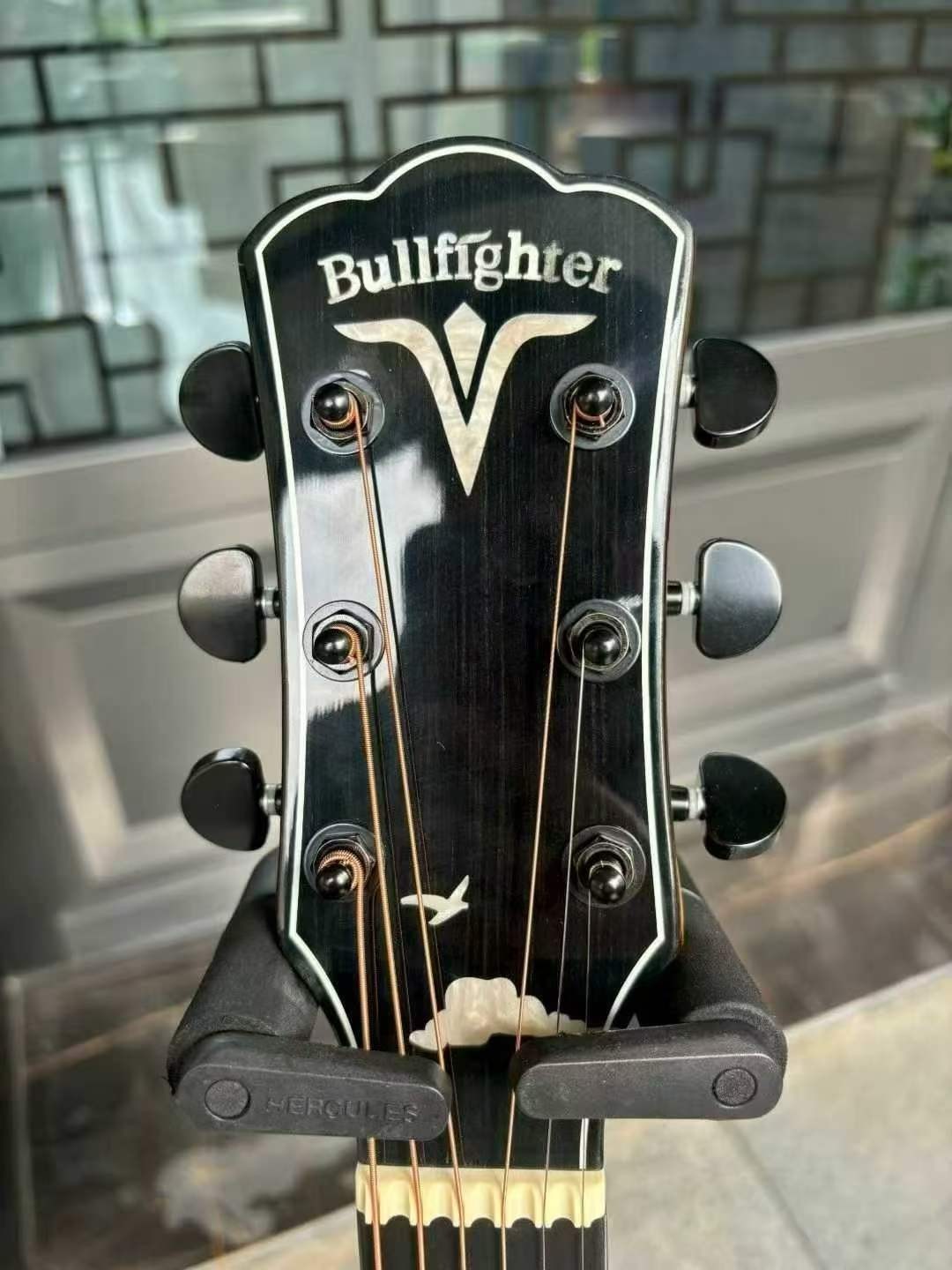
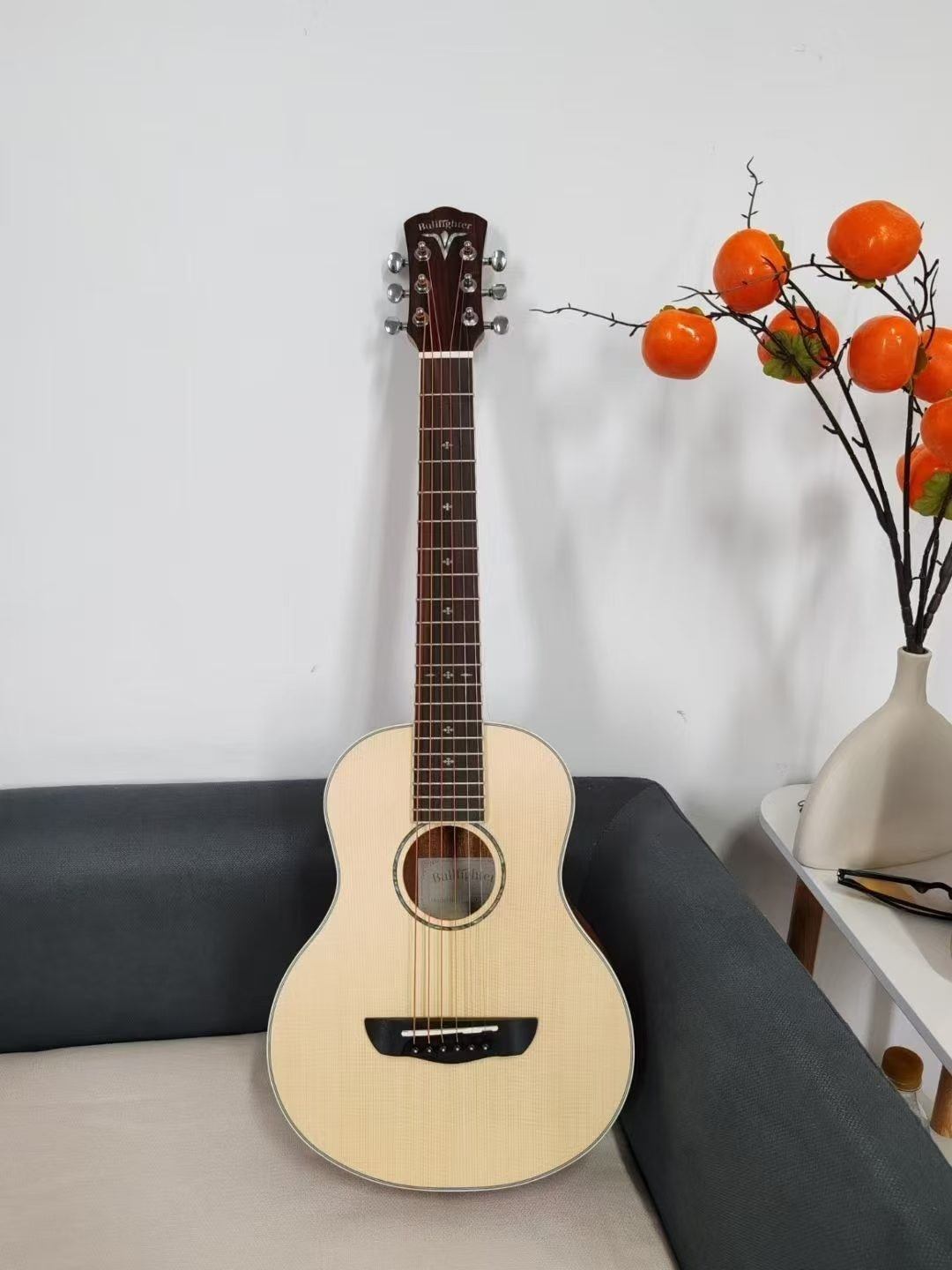
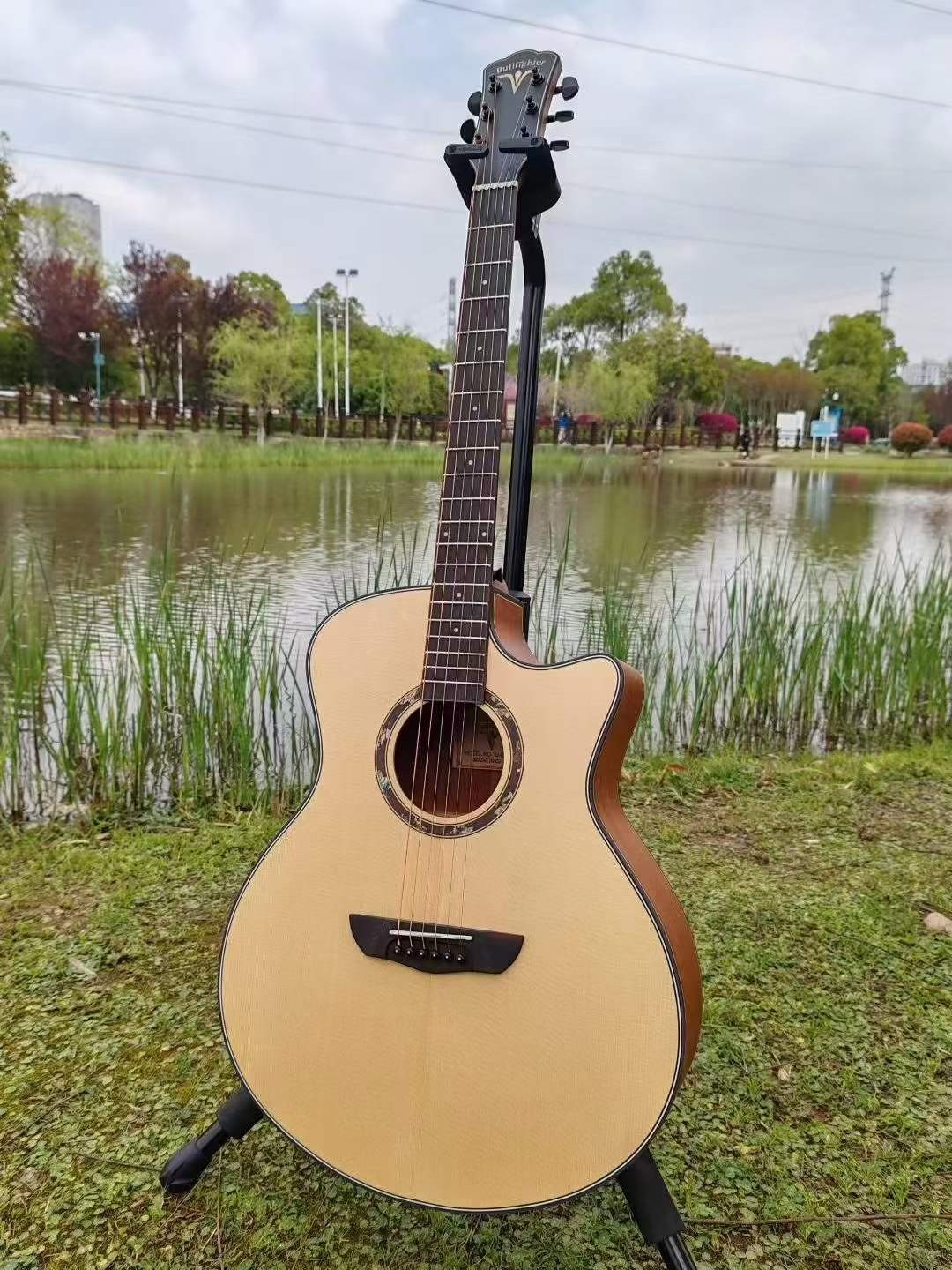
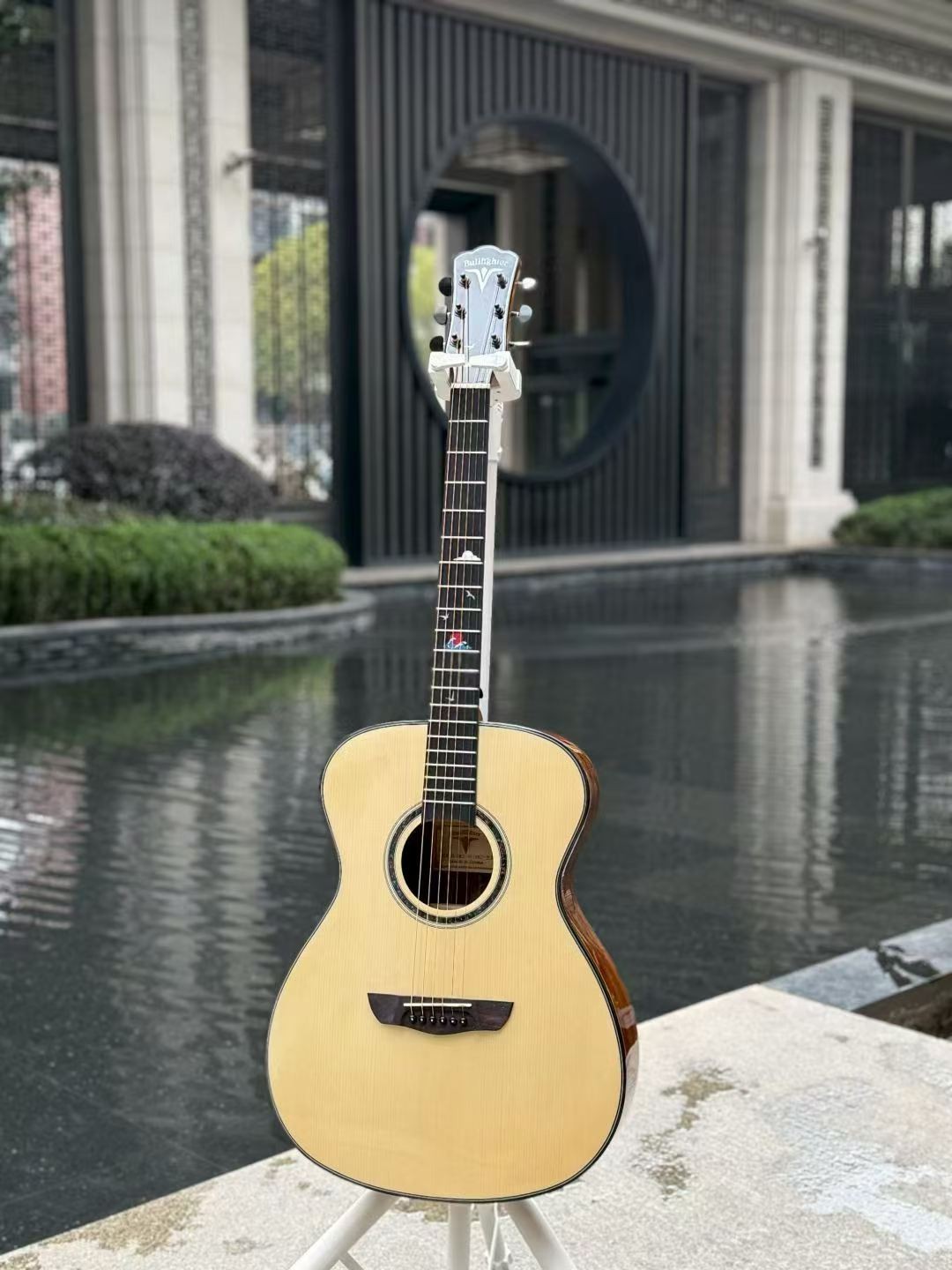
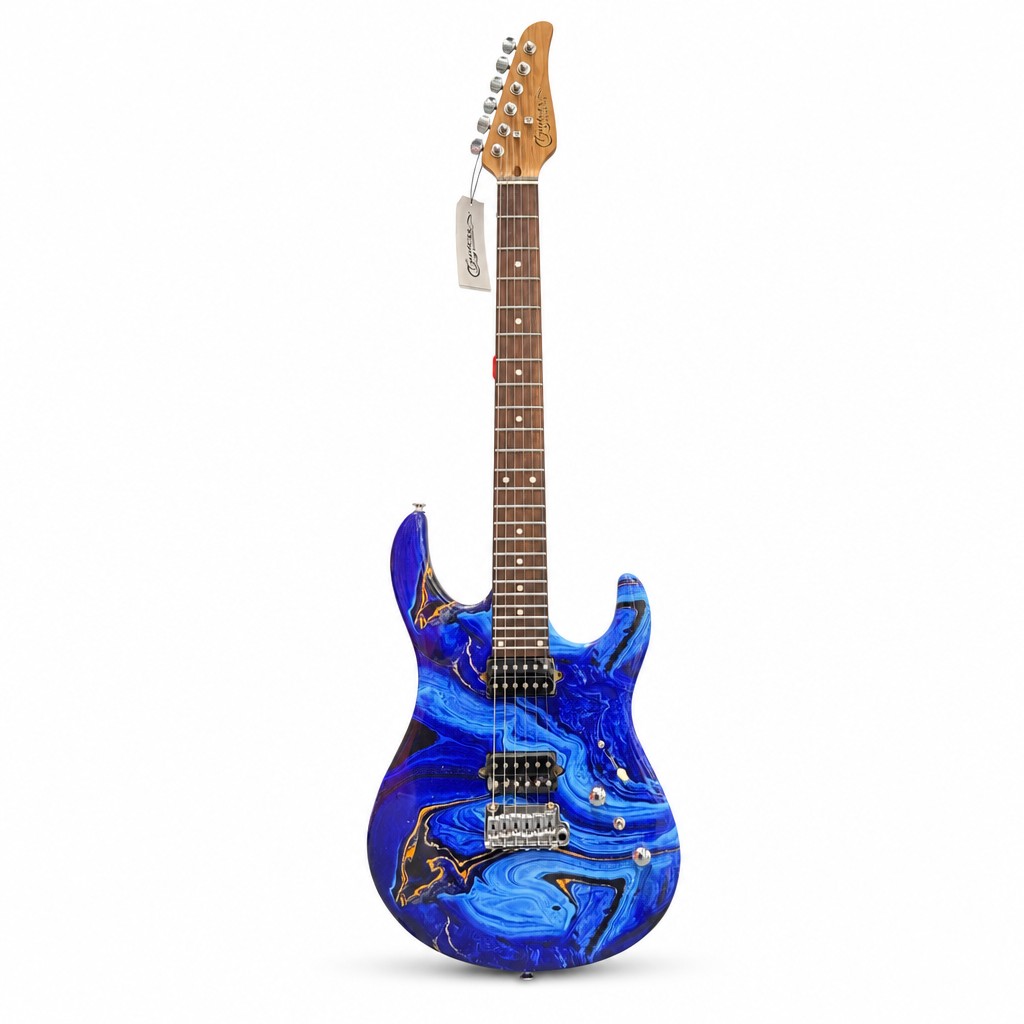
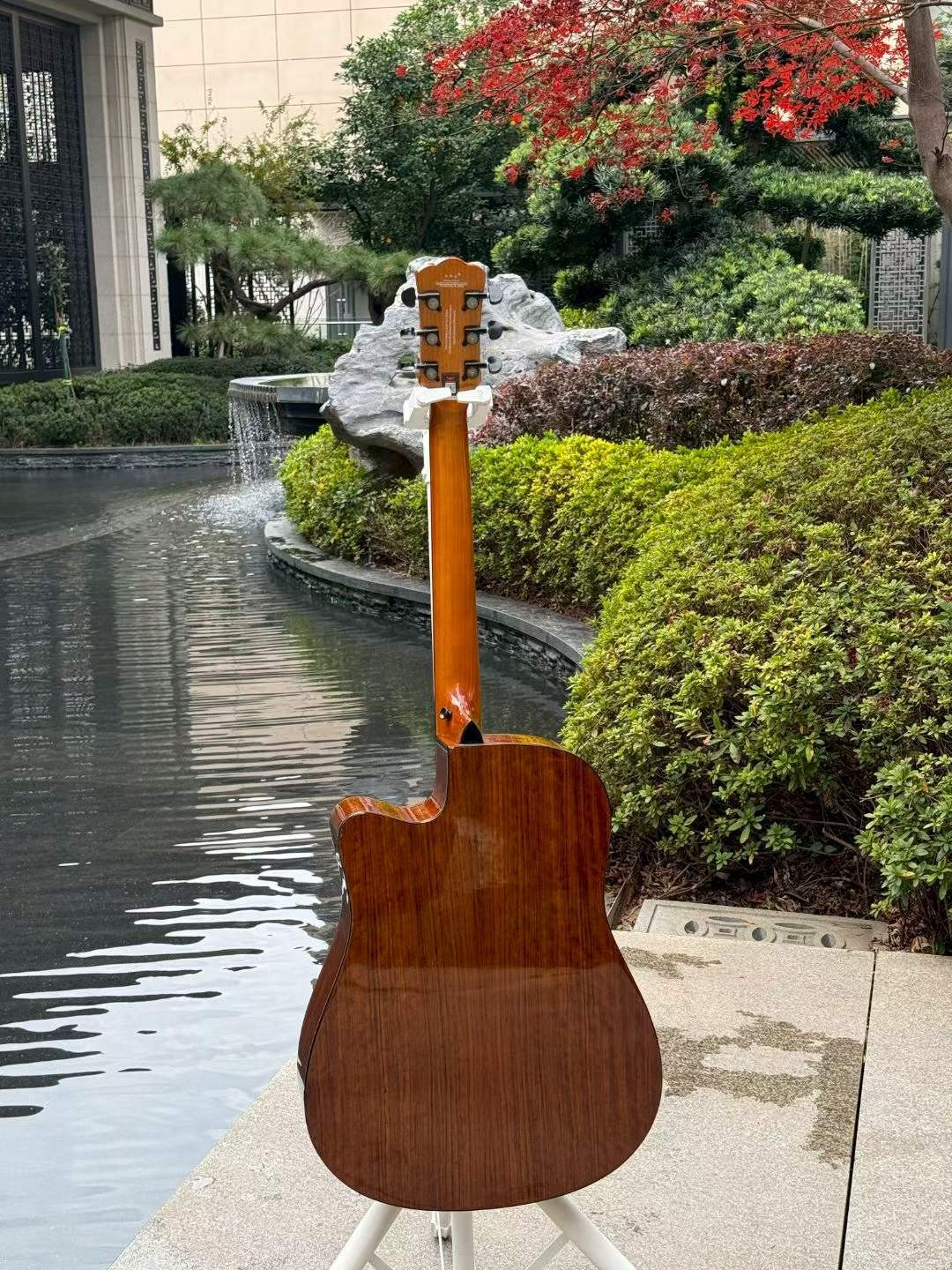
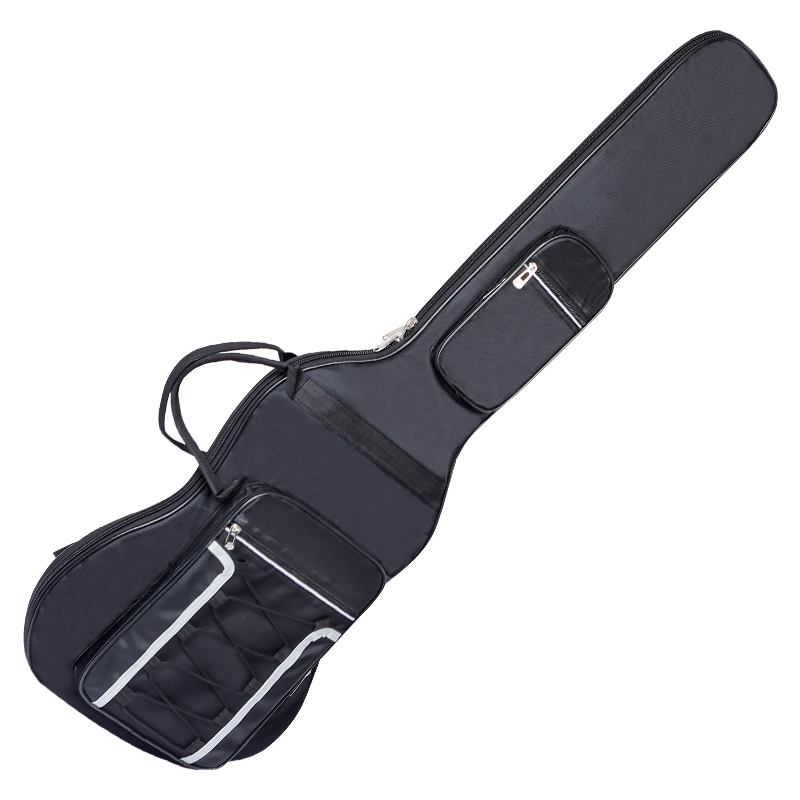
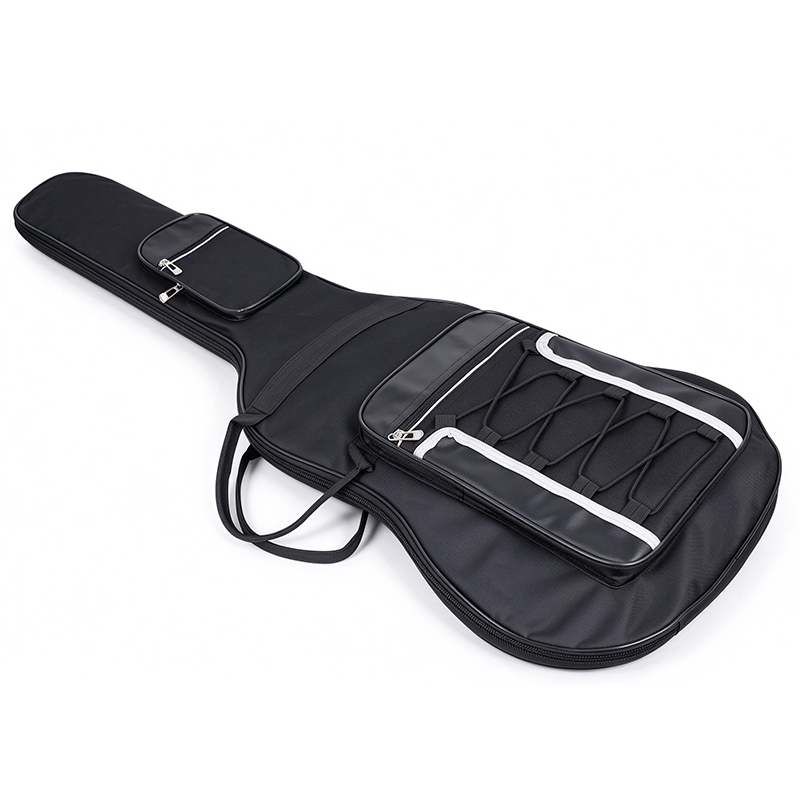
The Washington Metropolitan Area presents a distinct demographic matrix: elite academic institutions, federal performing arts complexes, vibrant live music corridors from U Street to the Wharf, and large faith-based music ensembles requiring dependable, continuous instrument procurement.
University music departments, magnet high schools, and civic youth conservatories throughout the District, Bethesda, and Northern Virginia need rugged, acoustically accurate instruments. The Bullfighter D-30S 30-inch all-solid acoustic provides sub-scale playability without sacrificing pitch accuracy, offering institutions durable student fleets with minimal setup maintenance.
From intimate rooms on U Street NW to the high-output stages of The Anthem and 9:30 Club, session artists and touring rigs require rock-solid shielding and stable intonation. Instruments like the Bullfighter GT-20D deliver low-noise electronics, bone nuts, and resonant tops that hold pitch under high-intensity thermal fluctuations and stage lighting.
Houses of worship across the District and Prince George’s County demand acoustic-electric systems that deliver wide acoustic dispersion. The Bullfighter D1D Solid Top Cutaway projects through complex sound reinforcement arrays, giving music directors dependable acoustic response across mixed live services.
Shifts in supply-chain resilience, regulatory compliance, and consumer expectations are transforming how musical merchandise distributors in Maryland, DC, and Virginia handle their guitar inventories.
| Procurement Pillar | Legacy Sourcing Paradigm | Next-Generation Factory Direct Model (YBUL Standard) |
|---|---|---|
| Supply Chain Middlemen | Multiple domestic brokers, markups up to 60%, unverified origin facilities. | Direct factory engineering, verified FOB/DDP terms, transparent cost architecture. |
| Tonewood Compliance | Ad-hoc documentation risking US Lacey Act seizures and CITES delays at ports. | Full material traceability, certified sustainable rosewood/ebony alternatives. |
| Climatic Stabilization | Unregulated wood moisture yielding warped necks during East Coast seasonal shifts. | High-frequency vacuum drying guaranteeing 8%–10% equilibrium moisture content (EMC). |
| Inventory Customization | Rigid catalog models with minimum private-label flexibility under 1,000 units. | Agile OEM/ODM options: custom logos, neck profiles, and pickguard shapes from 200+ models. |
The Washington DC climate swings from humid summers along the Potomac to dry, freezing winter fronts. Instruments built without strict moisture regulation suffer fret sprouting, soundboard sink, and neck twist. By maintaining constant-humidity assembly workshops and high-frequency vacuum kilning, our guitars remain stable across the Northeast corridor.
With federal regulatory bodies centered in Washington DC, compliance with plant protection and import declarations is non-negotiable. Importers cannot risk seizure by US Customs and Border Protection. We provide clear botanical declarations for all spruce, okoume, mahogany, and walnut components, simplifying clearance at US East Coast entry points.
Freight costs require optimized logistics. Using containerized packing and heavy-duty 5-ply cartons drop-tested to export standards, our shipments transit easily through Baltimore and Norfolk ports. This enables retail and distributor warehouses across DC, Virginia, and Maryland to restock reliably without intermediate hub costs.
Changsha YBUL Instrument Co., Ltd. operates an integrated, high-capacity musical instrument enterprise. We do not run a trading middleman desk; we direct a verified, high-volume production ecosystem.
Two centralized manufacturing centers in Changsha, Hunan, with a dedicated 2,500㎡ R&D and global logistics administrative center, assessed onsite by SGS Group.
Continuous production across dedicated acoustic and electric guitar assembly lines, supported by an auxiliary capacity of 1,000 amplifier and electronic drum sets monthly.
Comprehensive multi-stage QC: timber selection, CNC pocket precision, hand-fret dressing, electro-acoustic calibration, and drop-tested export cartons.
Full bespoke engineering: headstock architecture, pickup winding specs, fretboard inlays, custom finishes, and retail packaging built for your private brand.
Direct answers on factory capacity, OEM customization workflows, transit terms, and import mechanics for guitar retailers, educational purchasers, and private label owners.
We are a dual-licensed manufacturer and exporter. Our industrial facility has been verified onsite by SGS Group, operating two production facilities spanning 16,483 square meters alongside our Changsha R&D center. Buyers collaborate directly with the engineers running the factory lines.
Prior to packaging, wood elements undergo high-frequency vacuum drying to achieve stable equilibrium moisture content (8%–10%). Finished instruments are sealed with industrial desiccant inside heavy-gauge moisture-barrier polybags, then packed into export cartons designed for transatlantic marine shipping.
We support FOB, CIF, CFR, EXW, and door-to-door DDP arrangements. For the DC metro area, cargo typically routes via the Port of Baltimore (MD) or the Port of Virginia (Norfolk), followed by direct bonded container transit to your local distribution center.
We maintain low MOQ thresholds for private label custom headstock branding, starting from manageable batch runs on catalog models. For bespoke body profiles, unique tonewood combinations, or custom pickups, our engineering team works with your order volume to balance tooling investments.
Yes. We provide complete pre-production prototype samples featuring your specified logo, hardware, finish, and electronic components. Mass assembly begins only after your team evaluates acoustic projection, action, intonation, and finish tolerances.
We accept T/T, L/C, D/P, PayPal, Western Union, and secure commercial escrow transactions. Contract currencies include USD, EUR, GBP, and CAD, offering procurement departments straightforward accounting terms.