 English
 Español
 Deutsch
 Français
 Português
 Italiano
 Русский
 日本語
 한국어
 العربية English Español Deutsch Français Português Italiano Русский 日本語 한국어 العربية
Precision-engineered acoustic spruce configurations, high-durability touring accessories, and CNC-routed electric guitars built for competitive global distribution.
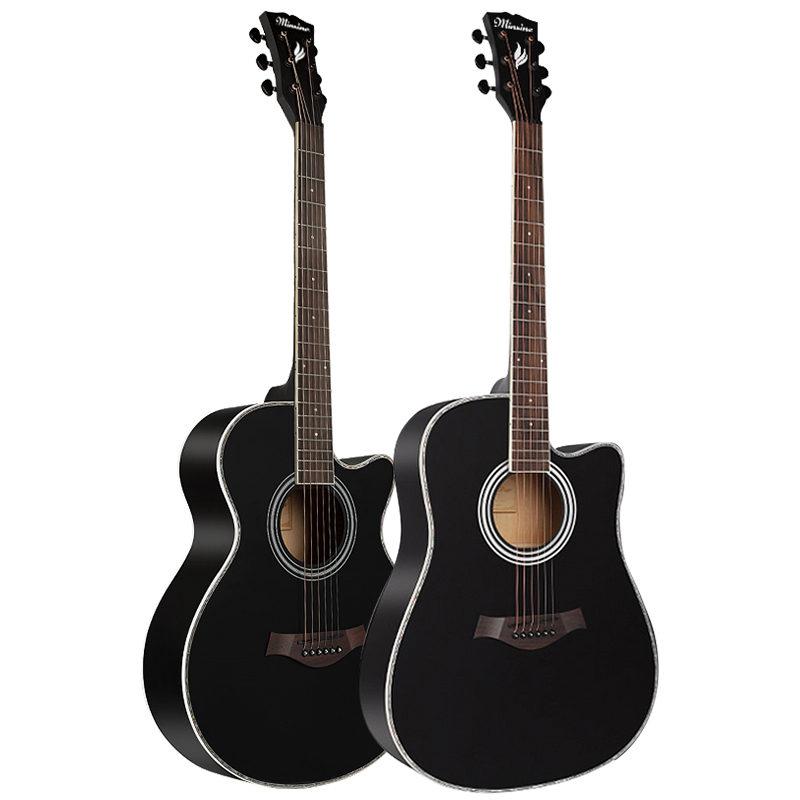
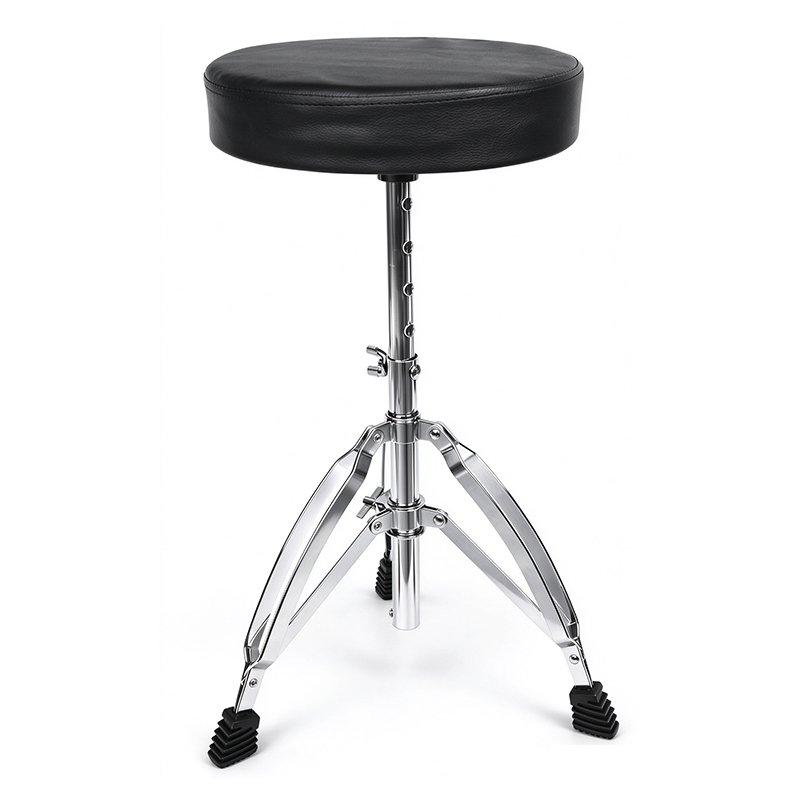
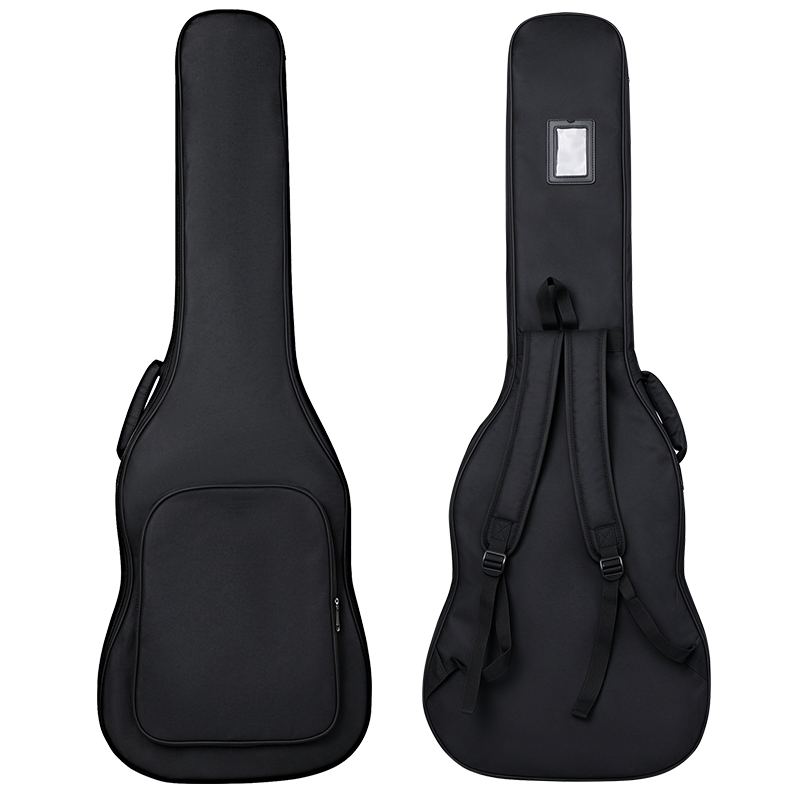
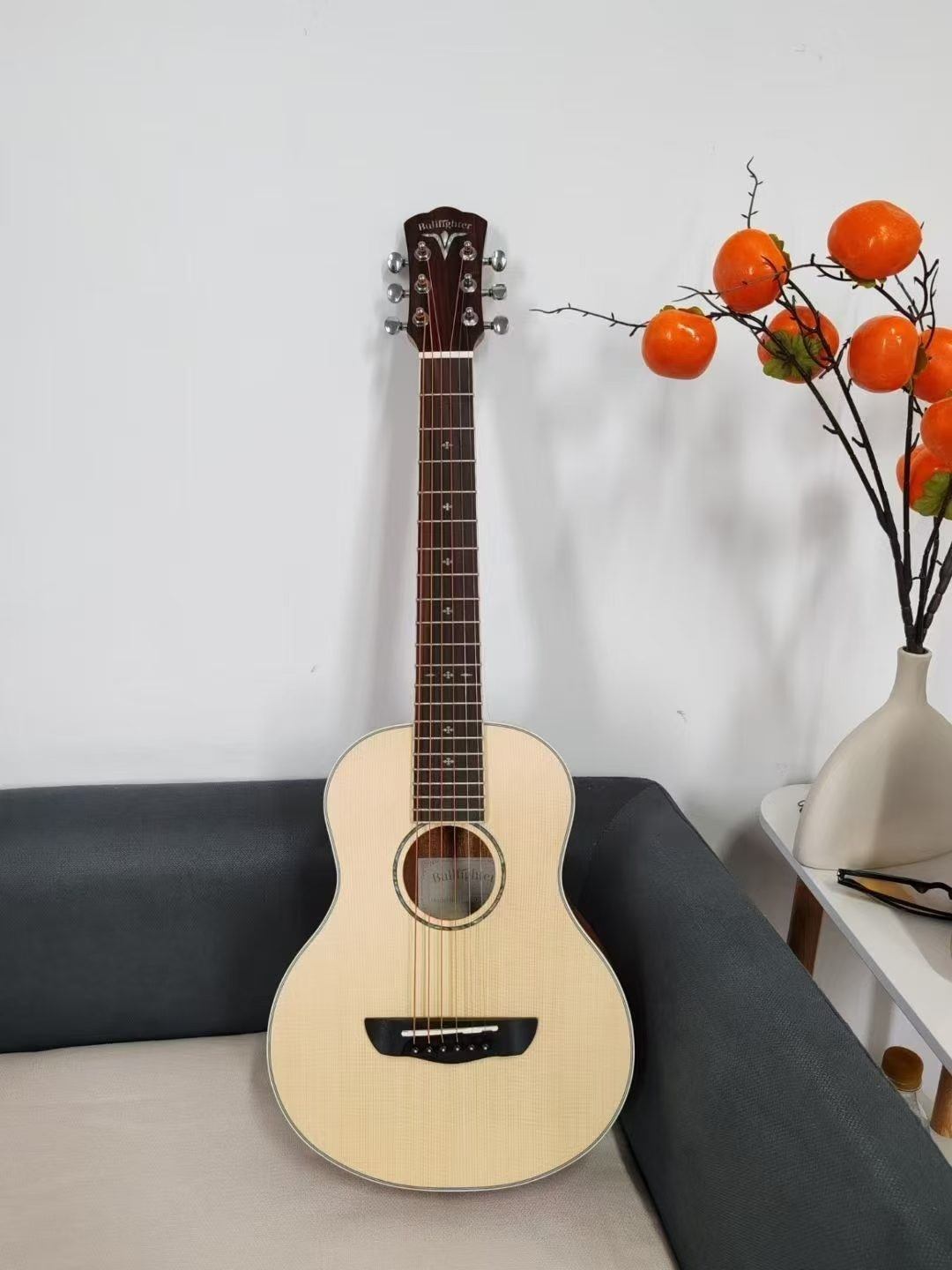
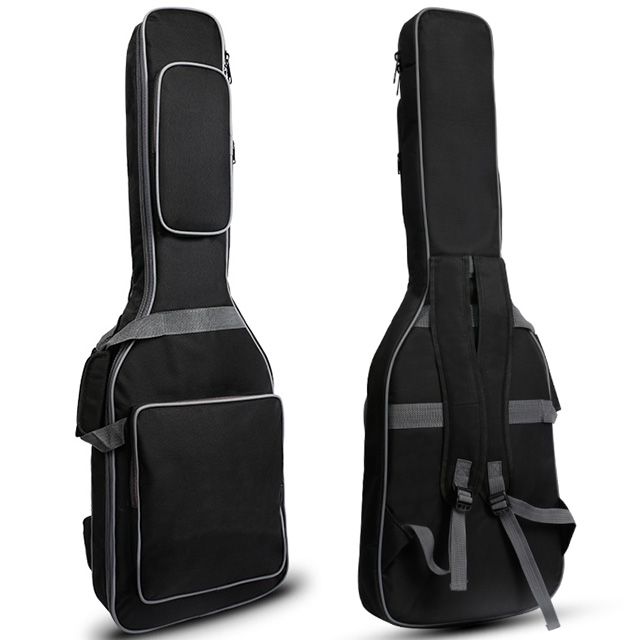
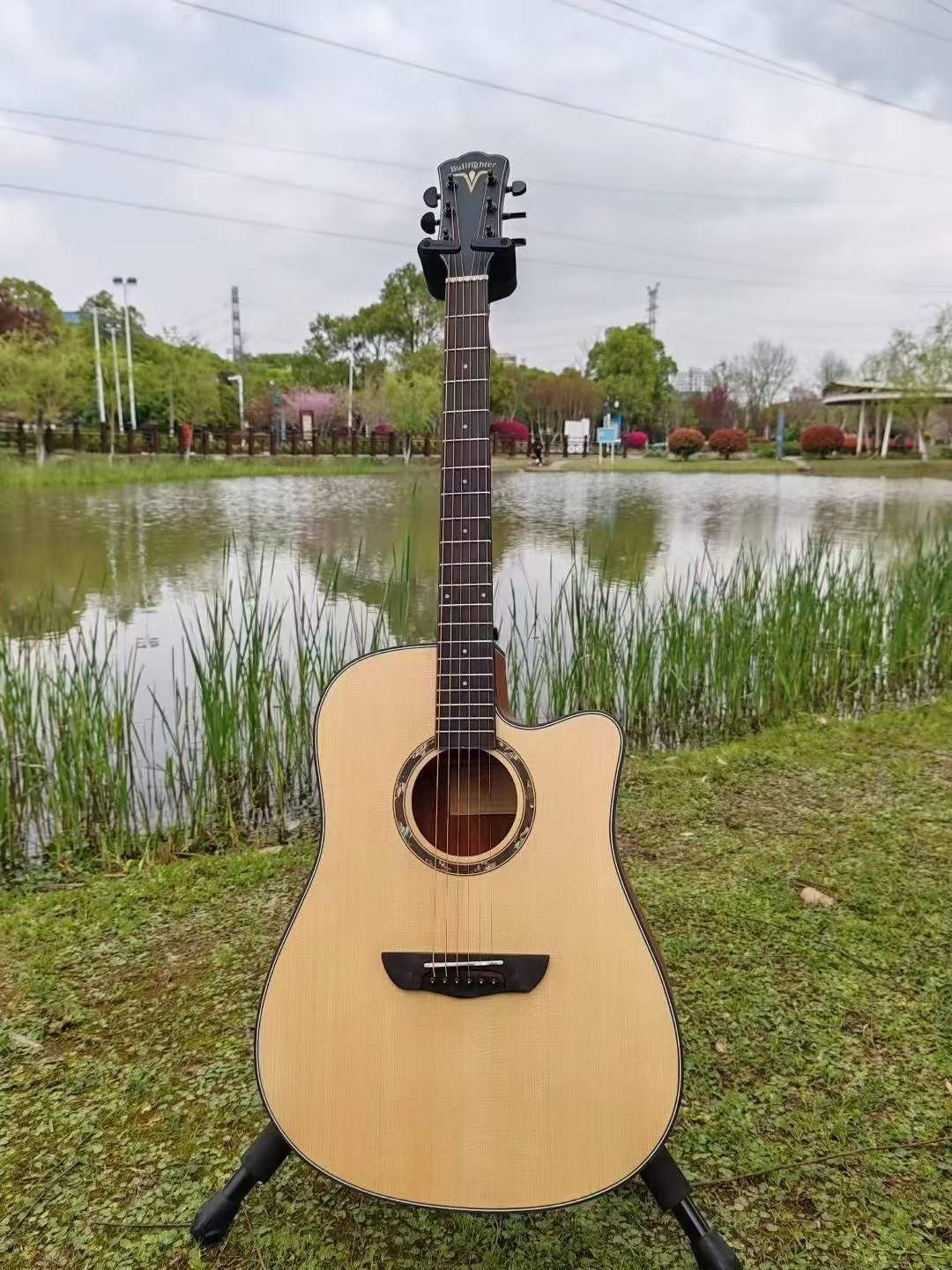
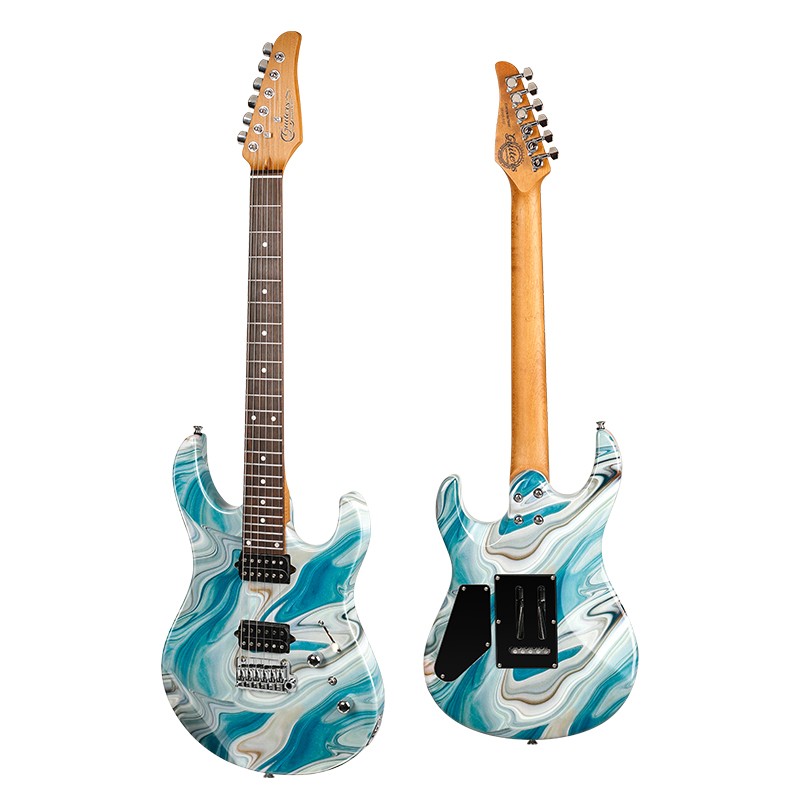

In the contemporary musical instrument supply chain, the search query "China Wholesale Spruce Top Guitar Factories & Factory in Tokyo" highlights a critical paradigm shift: international brands and premier Japanese distributors are actively connecting the high-capacity, scientifically controlled acoustic timber manufacturing of central China with Tokyo's world-renowned quality standards, acoustic voicing sensibilities, and specialized retail ecosystems.
Spruce (most notably Picea engelmannii and Sitka spruce) represents the undisputed gold standard for acoustic soundboards due to its exceptional strength-to-weight ratio and dynamic resonance velocity. However, manufacturing spruce top acoustic guitars for sophisticated Asian hubs—specifically the climate extremes between Tokyo's humid summers and dry, heated winter apartments—requires extreme structural integrity. A simple cutaway guitar cannot survive export shifts without strict industrial moisture stabilization.
Changsha YBUL Instrument Co., Ltd. resolves the historical vulnerabilities of solid and laminate spruce tops by implementing a multi-stage conditioning regimen within its 16,483㎡ dual-plant facility. Before timber slicing and book-matching, tonewood cuts undergo High-Frequency Vacuum Drying to achieve an equilibrium moisture content of 8%–10%. This prevents the top bellying, bridge lifting, or finish checking commonly observed when guitars are shipped into Japan’s high-density retail districts.
Stabilizes spruce cellular walls, equalizing internal stress to counter severe humidity swings.
Precise grain orientation ensuring minimal lateral flex and consistent velocity of acoustic sound wave propagation.
Scalloped X-bracing executed under ±0.05mm tolerances for maximal structural response without dampening air resonance.
Ultra-thin polyurethane and nitro-hybrid coats cured in dust-free spray lines to permit uninhibited top vibration.
Guitars entering the Tokyo metropolitan market are subjected to unique operational environments that dictate strict technical specifications:
A. Urban Home Recording & Low-Volume Practice (Danchi & Manshon Living): Dense residential zoning in Shinjuku, Nakano, and Setagaya necessitates guitars with exceptional tactile sensitivity. The solid Engelmann spruce top paired with lightweight African mahogany back and sides (featured in the Bullfighter D1D and D-30S series) delivers crisp overtone harmonic separation even at whisper-quiet fingerpicking velocities.
B. The Ochanomizu "Guitar Street" Retail Benchmark: In Tokyo’s competitive Kanda-Surugadai instrument retail row, visual scrutiny is rigorous. Fret edges must undergo automated CNC groove sawing followed by manual multi-angle ball-end dressing. Binding seams, rosette water-transfer detailing, and neck pocket dimensional joins must meet vernier caliper clearances under 0.08mm.
C. Live Houses & Collegiate Music Clubs (Keion): From Shibuya club circuits to university ensembles, touring guitars face aggressive transit inside crowded commuter train networks. The demand for lightweight cutaway ergonomic ergonomics, high-strength graphite truss rods, and roadworthy 600D Oxford reinforced bags is non-negotiable for local guitarists.
How progressive Japanese brands and overseas wholesalers are restructuring their contract manufacturing portfolios.
Japanese boutique brands minimize escalating domestic factory overhead by outsourcing precision woodwork, neck profile shaping, and primer coating to verified OEM facilities in China, reserving final luthier voicing and inspection for domestic distribution centers.
To bypass strict international CITES logistics bottlenecks, modern retail channels favor sustainable alternatives such as torrefied maple necks, technical engineered rosewood fingerboards, and African sapele backplates that retain classic tone with high import stability.
Retail networks no longer accept generic white-label catalog items. Buyers demand custom laser-cut headstocks, distinct neck radiuses (9.5" to 12" compound curves), custom Alnico pickup windings, and drop-tested double-wall export carton packaging directly from the source.
Operating beyond low-tier assembly: verified capital strength, technical machinery, and audited accountability.
Our status as an integrated Manufacturer and Trading Company is verified onsite by SGS Group. We operate a dedicated 2,500㎡ R&D/administration office in Changsha paired with two comprehensive manufacturing campuses covering 16,483㎡.
High-volume consistency is powered by industrial machinery: wide-belt sanders, automated wood splicing units, multi-axis CNC body cavity routers, high-frequency vacuum dryers, and dust-free automated spray booths handling gloss, burst, and matte coats.
Supporting leading musical instrument markets across North America, Western Europe, and Asia. We support FOB, CFR, CIF, EXW, FCA, CPT, CIP, DDP, and DDU incoterms with flexible payment protocols in USD, EUR, GBP, and JPY.
Direct technical answers regarding factory compliance, order minimums, tonewood stability, and custom production.
While historic Japanese workshops in Tokyo, Matsumoto, or Hamamatsu excel in bespoke hand-lutherie, their high labor costs limit competitive entry and mid-tier retail pricing. Changsha YBUL Instrument bridges this by implementing high-precision CNC routing and industrial high-frequency vacuum drying, matching tight tolerances (neck pockets within ±0.05mm) while supplying scalable production at a direct factory price point.
Japan experiences extreme ambient shifts, ranging from 75%+ relative humidity during Tsuyu (rainy season) to under 30% in heated winter apartments. We kiln-dry and vacuum-cure our spruce soundboards to a stable 8%–10% moisture content. Furthermore, our soundboards use quartersawn grain with optimized parabolic spruce bracing to ensure structural stability against bell-expansion and bridge dip.
Yes. As a verified custom OEM/ODM manufacturer, we provide complete private-label engineering: inlaid shell or laser-engraved logos, custom neck carves (modern C, vintage V, or slim D), custom electronics/pickups, and waterproof gig bags tailored with your corporate branding and specific padding thickness.
For catalog models selected from our 200+ showroom designs, MOQs start as low as standard carton batch quantities. For full bespoke OEM projects involving exclusive headstocks and custom colors, initial batch runs typically begin at 50–100 units. Prototype tooling and sample approval generally require 15–25 days, followed by 30–45 days for container-scale mass production.
Every guitar passes through our 9-stage quality control protocol: vernier caliper dimensional inspection, neck relief laser checks, strobe tuner pitch calibration, and electronics signal-to-noise testing. For shipments destined for Tokyo or Yokohama ports, we execute drop-tested corrugated packaging with silica moisture-absorbent packets, supporting direct CIF or DDP delivery to your logistics hub.