English
 Español
 Deutsch
 Français
 Português
 Italiano
 Русский
 日本語
 한국어
 العربية English Español Deutsch Français Português Italiano Русский 日本語 한국어 العربية
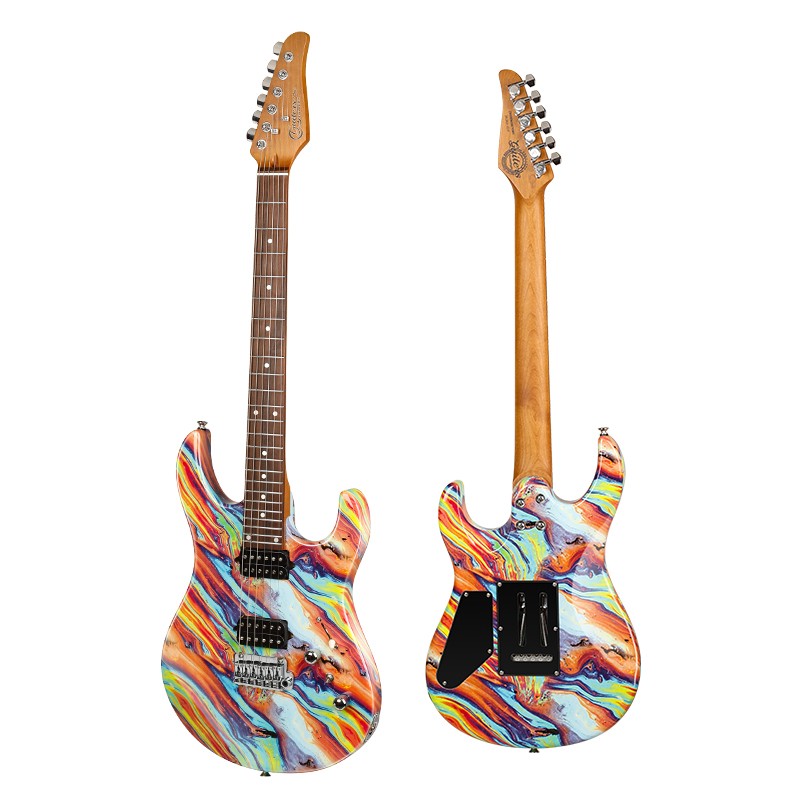
Direct from our SGS-assessed 16,483㎡ production facilities: acoustic models optimized with climate-resilient seasoning, alongside specialty stage-grade instruments for competitive wholesale catalogs.
Balancing Japanese acoustic performance expectations with high-frequency timber stabilization to conquer regional humidity shifts.
Nagoya holds a deeply revered position in global guitar lutherie. As the industrial and cultural heart of Aichi Prefecture, the region has been home to legendary lutherie workshops, pioneering acoustic developments, and some of Japan’s most discerning guitar collectors and performing artists. Across iconic retail and live music hubs—from Sakae and Osu to Imaike and Kanayama—musicians demand an uncompromising standard of acoustic balance, low-action fret dressing, and flawless finish integrity.
For Japanese instrument importers, chain stores like Shimamura Music, and regional music academies throughout Chubu, sourcing dreadnought acoustic guitars is not merely a matter of unit cost; it is fundamentally about dimensional consistency and wood stability. Nagoya’s humid, subtropical summers (frequently exceeding 80% relative humidity during the Tsuyu monsoon) followed by bitterly cold, parched winter drafts from the Ibuki Oroshi winds present severe structural hazards to stringed instruments. Acoustic dreadnoughts imported without rigorous climate conditioning suffer top belly bulge, neck warping, fret sprout, and string buzzing within their initial inventory cycle.
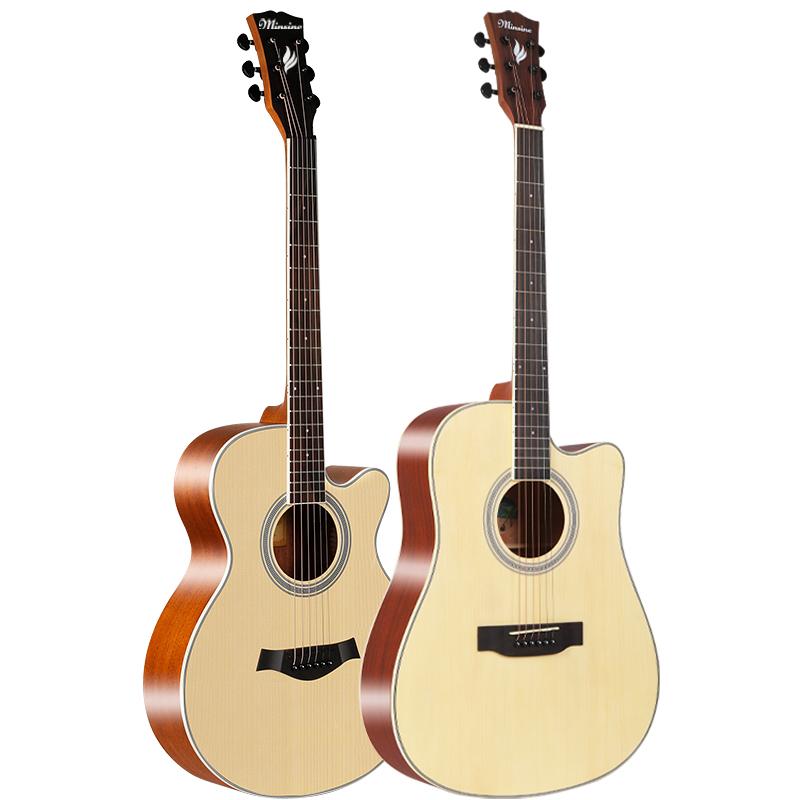
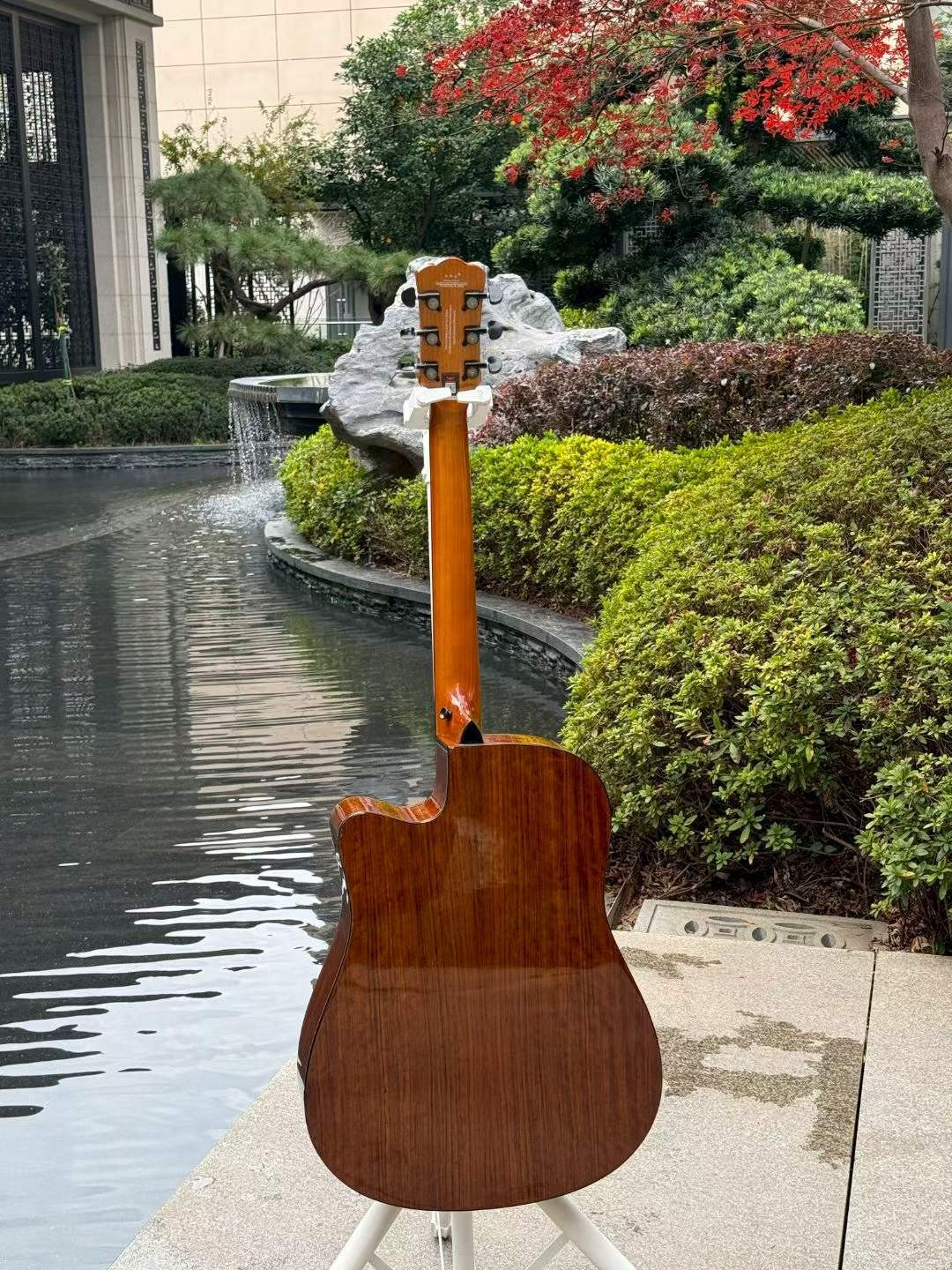
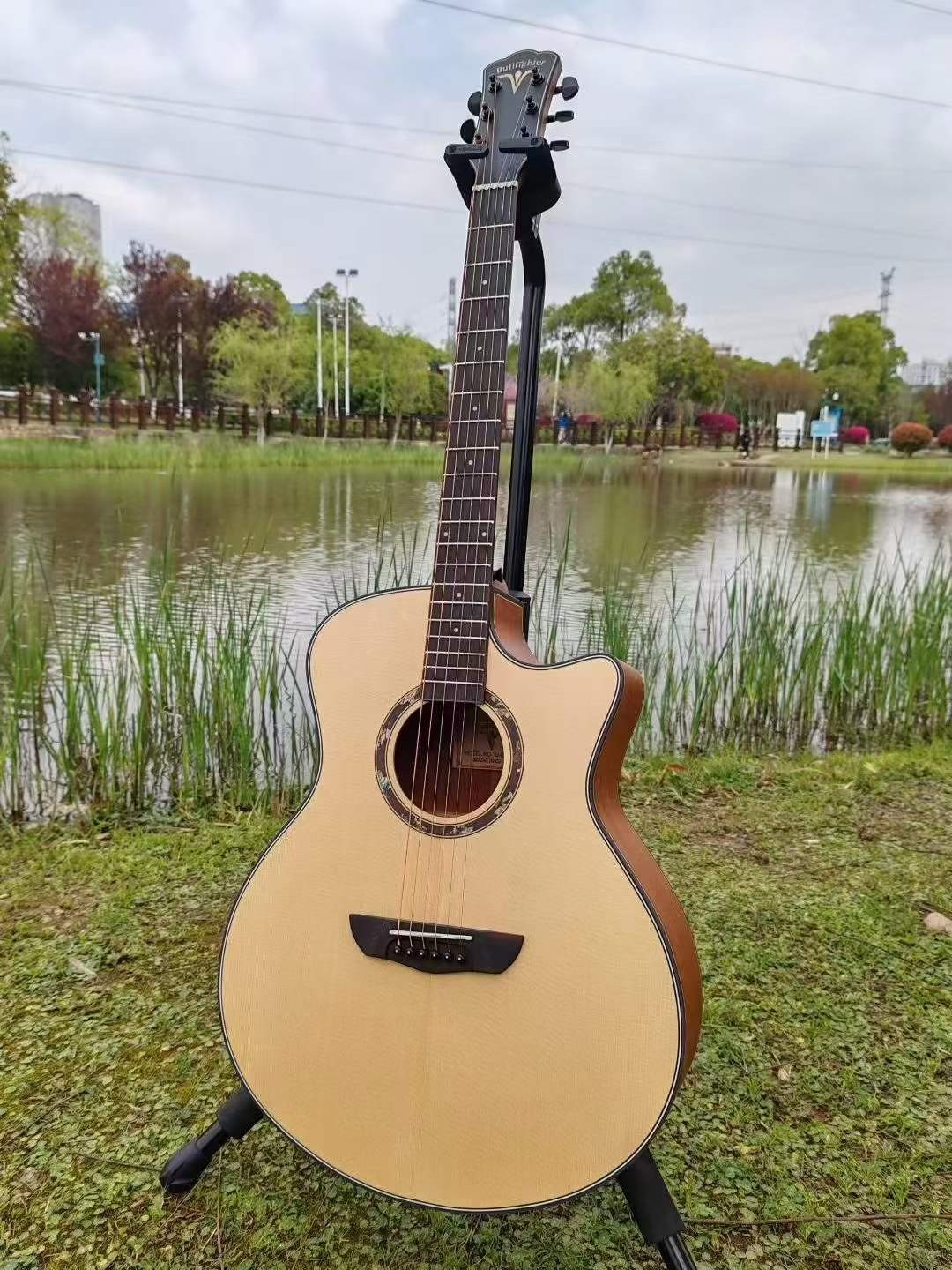
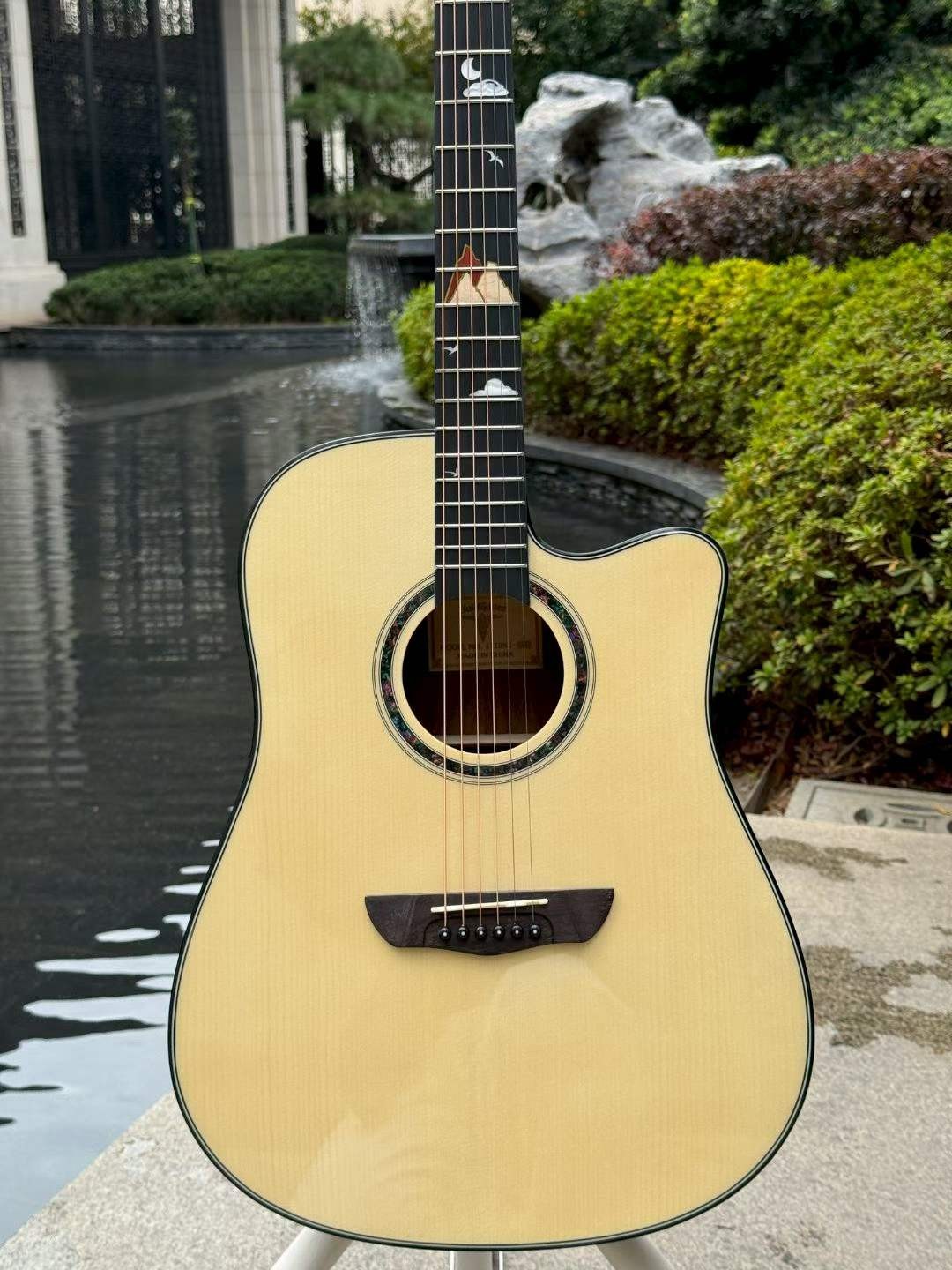
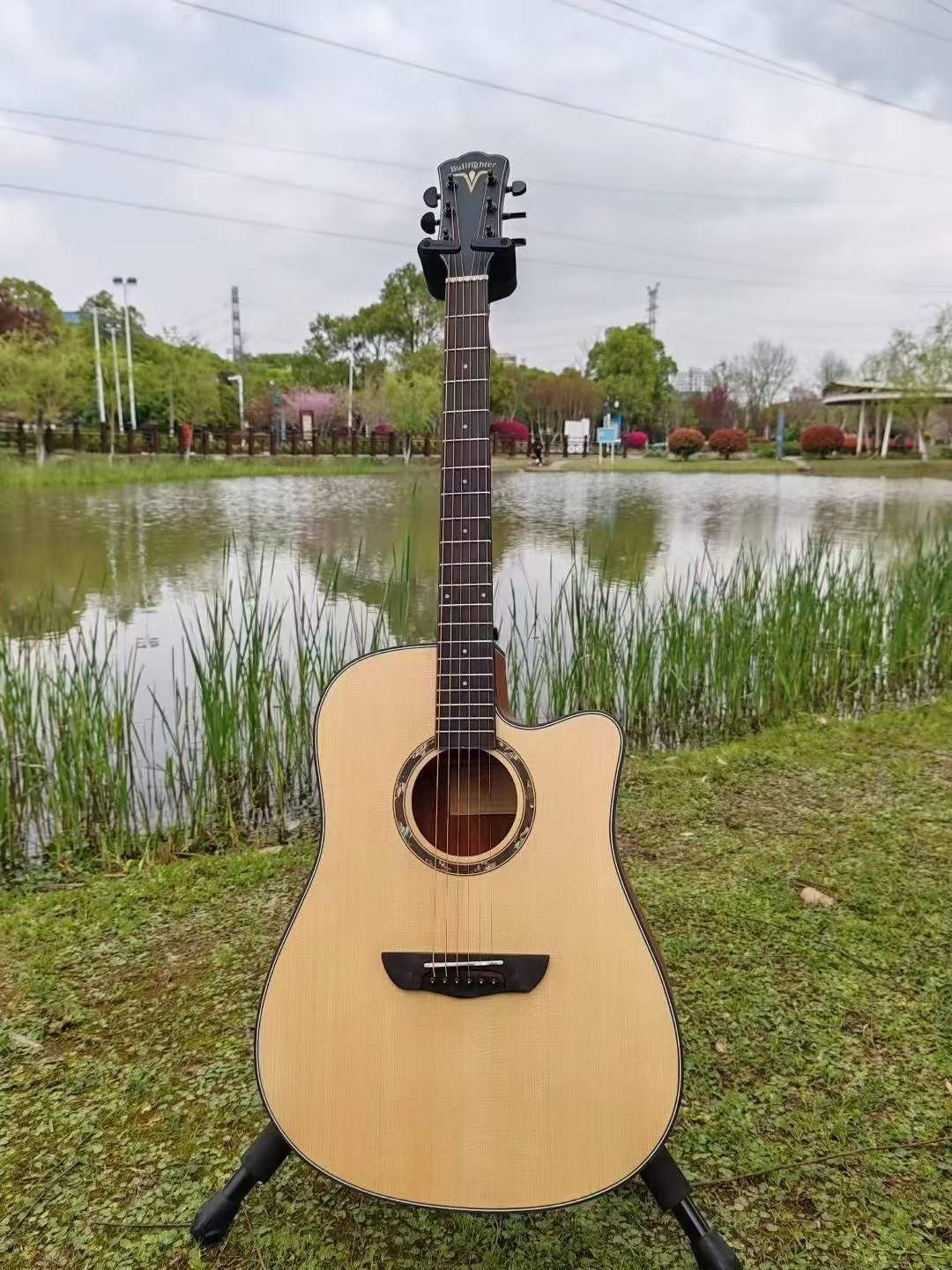
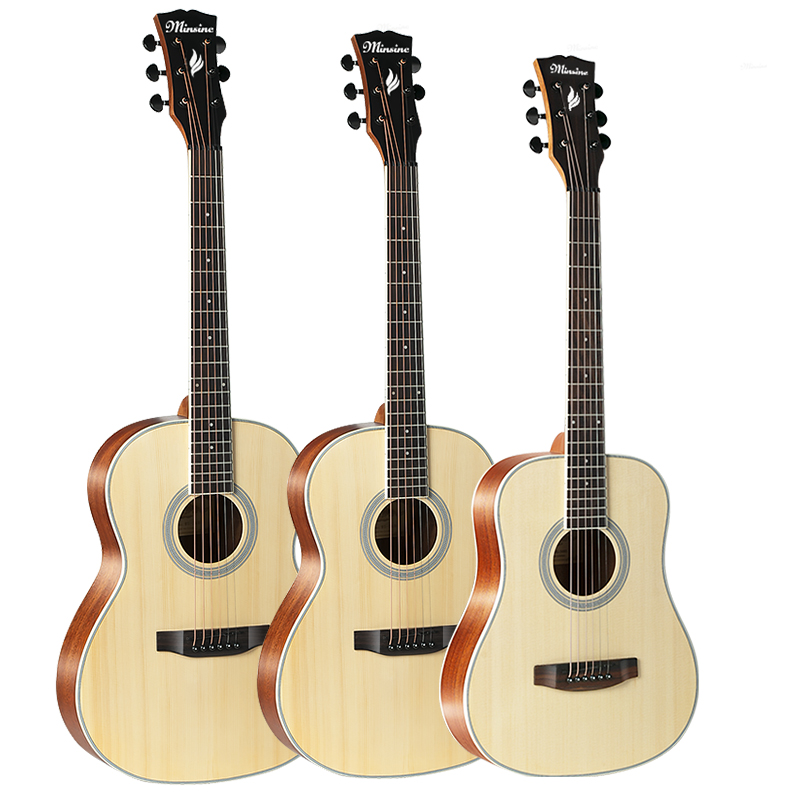
Changsha YBUL Instrument Co., Ltd. addresses this precise challenge through engineering-driven production. By implementing high-frequency vacuum kiln drying, automated CNC neck profiling, and multi-stage moisture stabilization protocols down to an equilibrium moisture content (EMC) of 8%–10%, our dreadnought line (spanning the Bullfighter D-4019, D1D, and Minsine series) delivers exceptional structural permanence upon arrival at the Port of Nagoya.
From prestigious private music academies to compact metropolitan apartments, our guitars fit distinct demographic segments.
The Nagoya indie scene values the full-bodied projection and dynamic volume of the traditional 41-inch dreadnought. Equipped with selected Sitka spruce tops and resonant walnut or sapele back and sides, our guitars project full low-end warmth and crisp treble articulation without needing heavy pre-amplification in boutique acoustic venues.
University student music circles ("Keion-gaku") require durable, highly playable acoustic dreadnoughts that endure rigorous daily rehearsals. Models such as the Bullfighter D1D cutaway allow seamless transition across open folk strumming, intricate fingerstyle, and upper-register soloing, offering premium tonewood aesthetics at student-accessible wholesale price points.
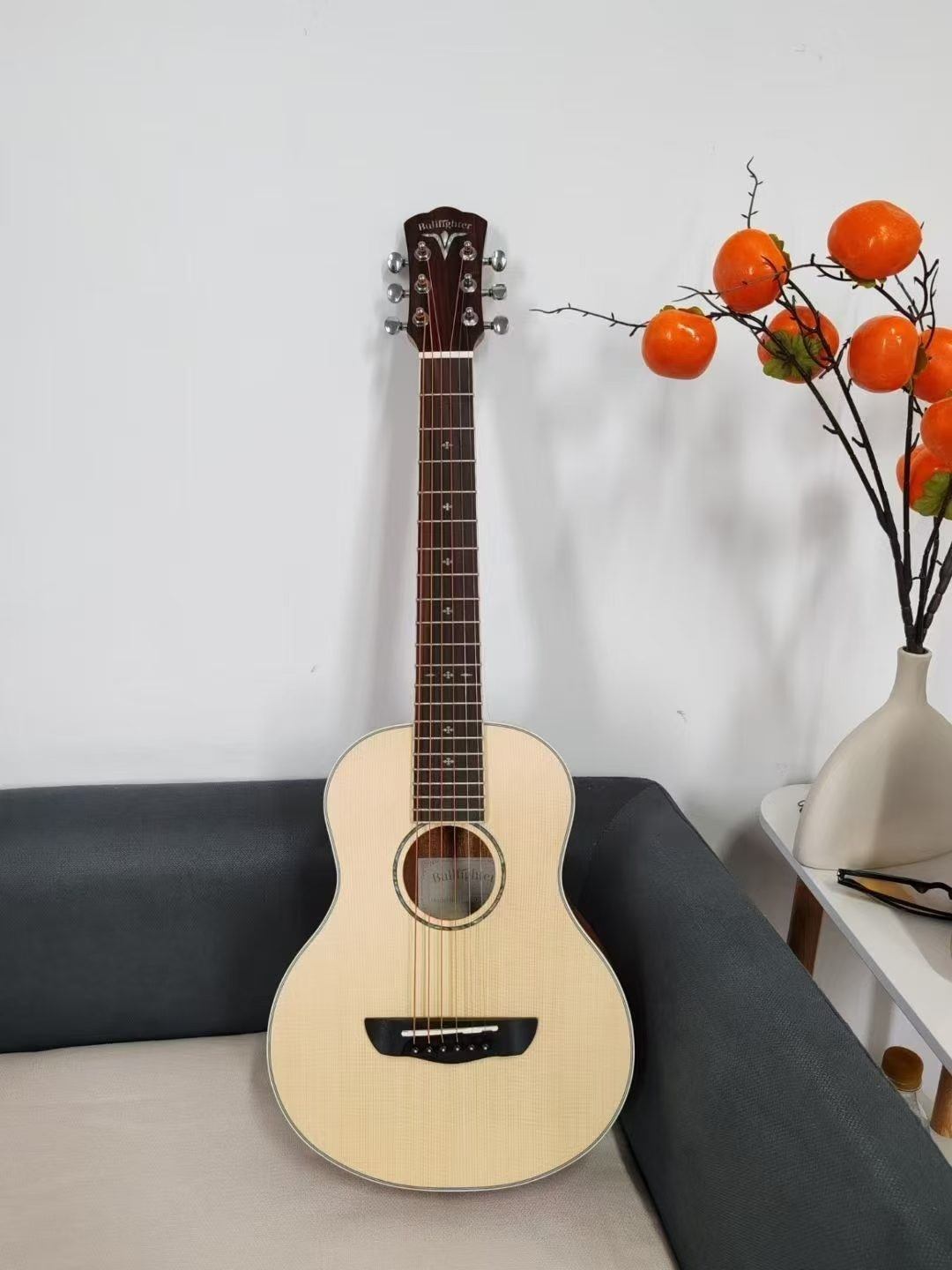
Compact living environments throughout Meieki and Chikusa have spurred rapid demand for salon and fractional solid-wood guitars. The Bullfighter D-30S 30-inch all-solid Engelmann spruce and African mahogany guitar provides young learners and apartment dwellers with uncompromised acoustic response in an ergonomically tailored silhouette.
Key market dynamics Japanese wholesale buyers must navigate in current procurement cycles.
In response to CITES regulations and international logging compliance, Nagoya distributors are actively curating catalogs with sustainable tonewoods. The combination of Sitka spruce soundboards with engineered walnut, roasted maple, and stabilized composite fretboards delivers tone parity with vintage woods while eliminating customs inspection delays.
With domestic brick-and-mortar storefronts optimizing margins against eCommerce platforms like Rakuten and Yahoo! Shopping Japan, retailers throughout Chubu are launching proprietary boutique brands. Our flexible OEM setup allows customized headstock profiles, mother-of-pearl laser inlays, and customized internal bracing labels with manageable MOQs.
Importers are streamlining shipping lanes away from congested Tokyo/Yokohama container yards. By leveraging direct container consolidations into the Port of Nagoya, Chubu-based music houses reduce domestic overland trucking costs, mitigate handling shock damage to sensitive instruments, and accelerate warehouse restock cycles by 4 to 6 business days.
Why international brands and regional distributors trust Changsha YBUL Instrument Co., Ltd. as their verified production backbone.
Our operations have been subjected to rigorous onsite verification by SGS Group. With over 16,483㎡ of dual factory facilities, 101–200 specialized luthiers and assembly technicians, and an annual capacity reaching 180,000 stringed instruments, we guarantee verifiable legitimacy and accountability.
Unlike standard air-drying workshops, we utilize computerized high-frequency vacuum kilns that extract moisture evenly from tonewood cores. This prevents internal stress cracks and cellular collapse, ensuring that every neck blank and dreadnought soundboard maintains pitch stability in Japanese climates.
Precision CNC routers maintain millimeter-accurate neck pocket jointing, bridge placement, and scalloped X-bracing curves. Each completed instrument is subsequently leveled, dressed, buffed, and tonally calibrated by senior technicians before export packing.
We provide full support for FOB Shanghai/Ningbo/Shenzhen, CIF Nagoya, and DDP turnkey shipping. We accept major commercial currencies including JPY, USD, and EUR, with flexible payment methods such as T/T, L/C at sight, and trade escrow for seamless business transactions.
Direct answers addressing technical specifications, logistics, and quality assurance protocols for the Nagoya market.
Connect directly with our export engineering and sales department to request tonewood spec sheets, factory-direct wholesale pricing, and sample evaluation scheduling.
Inquire Now