English
 Español
 Deutsch
 Français
 Português
 Italiano
 Русский
 日本語
 한국어
 العربية English Español Deutsch Français Português Italiano Русский 日本語 한국어 العربية
Engineered for tone, stability across Japan’s humid coastal climate, and exceptional shelf appeal. Direct factory container consignments and sample orders available for Yokohama importers.


Changsha YBUL Instrument Co., Ltd. operates state-of-the-art stringed instrument facilities combining automated high-precision CNC routing with experienced luthier bench setups.
Two massive industrial manufacturing compounds equipped with temperature-regulated wood curing chambers, multi-axis computerized routing beds, and cleanroom electrostatic spray coating lines.
Independently validated credentials covering physical production lines, raw timber chain-of-custody, export compliance documentation, and multi-stage acoustic testing protocols.
Streamlined direct trade line linking Central China production directly to the Port of Yokohama (Honmoku and Daikoku Piers), providing expedited clearance, palletized security, and DDP/FOB versatility.
Yokohama stands as Japan’s second-largest municipal economy, characterized by an iconic harbor music heritage, flourishing rehearsal studios in Kannai and Nishi-ku, and demanding retail criteria across Kanagawa prefecture.
Procuring musical instruments for the Greater Tokyo and Yokohama metropolitan area requires an uncompromising understanding of Japanese consumer expectations. In Japan, retail musical merchandise is evaluated not solely on upfront acoustics, but with relentless scrutiny regarding microscopic finish clarity, neck relief reliability, fret edge dress (*bari* prevention), and hardware durability. As an established export factory supplying premier global distributors, Changsha YBUL Instrument Co., Ltd. calibrates our production to serve specific commercial touchpoints across Yokohama.
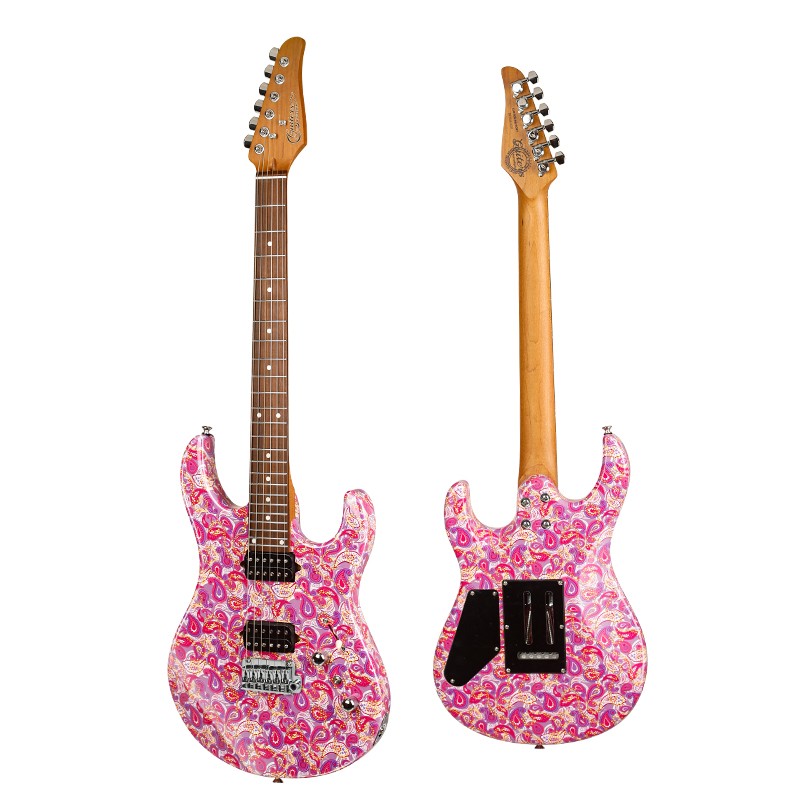
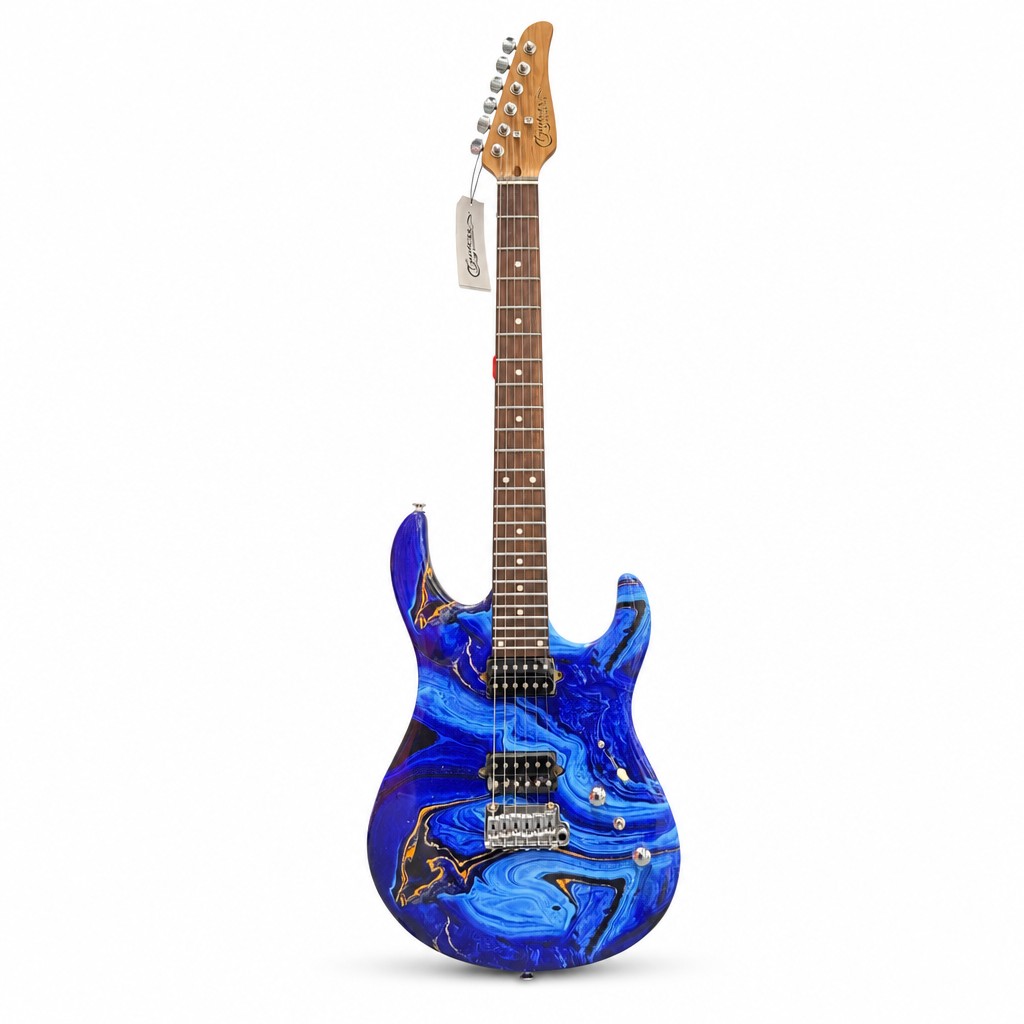
Yokohama’s historic Kannai district, Minato Mirai entertainment hubs, and club circuit (such as Yokohama Bay Hall) demand high-octane electrics that withstand intensive live stage use. Our GT-20D series features torrefied (roasted) Canadian maple necks, dual Alnico-V humbuckers, and copper-shielded electronic cavities that resist electrical hum from crowded urban stage wiring.
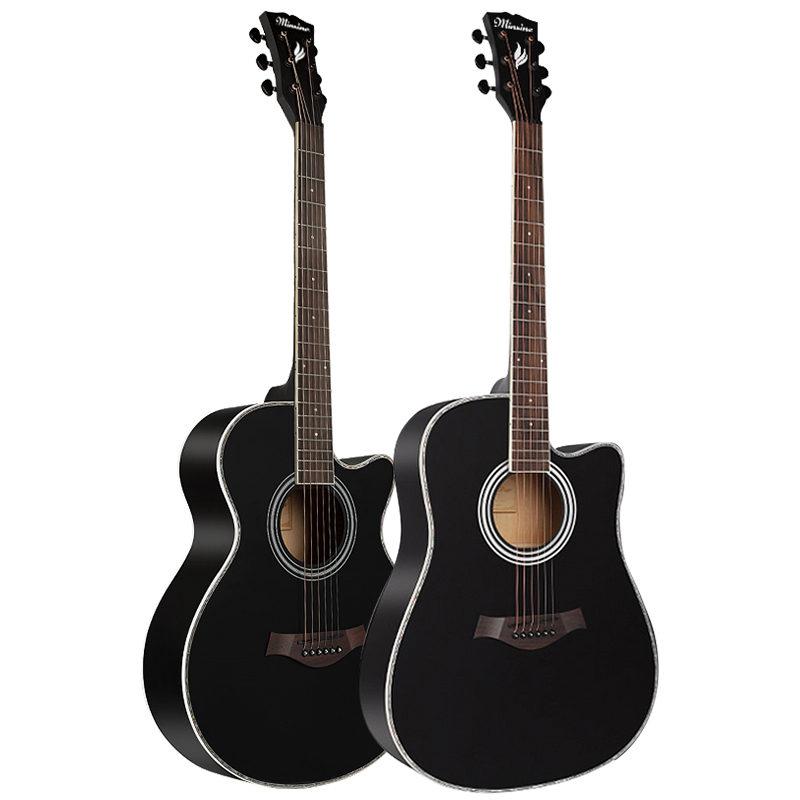
From university music circles across Kohoku-ku to private conservatories in Aoba-ku and Naka-ku, student musicians require instruments with effortless fretting action and ergonomic body dimensions. Models like our Bullfighter D-3621 36-inch GS-mini solid-top acoustic and Minsine MS-36 offer precise low-action setups, enabling clean chord transitions for entry and intermediate players.
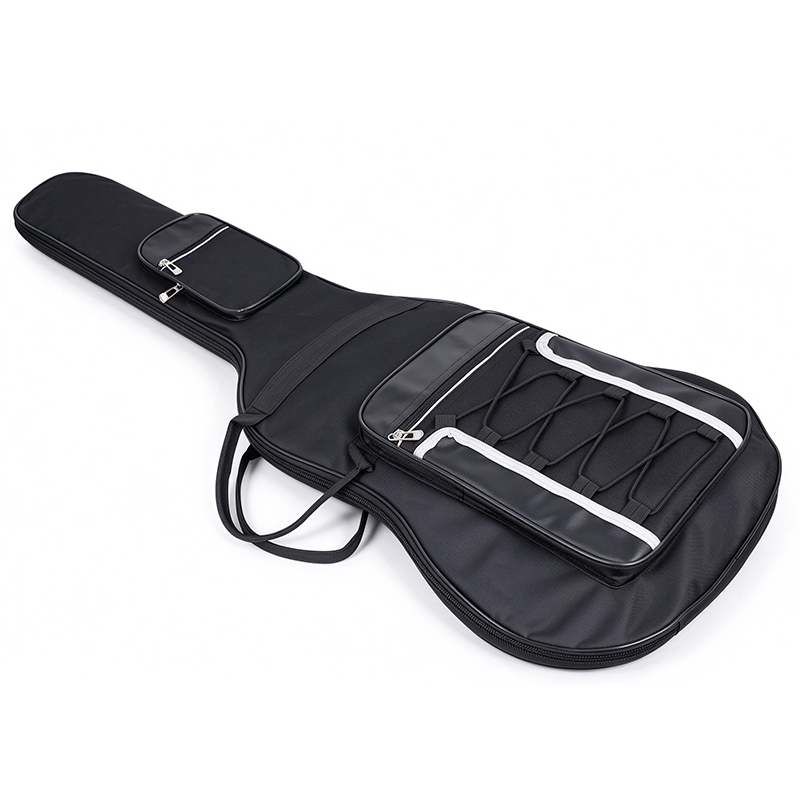
Kanagawa retail music storefronts face cutthroat margin pressure from multi-brand Japanese megastores. YBUL empowers independent Yokohama dealers and private label brands to bypass domestic wholesalers. We provide custom headstock sculpting, bespoke silk-screen or mother-of-pearl logos, Japanese barcode-ready master cartons, and custom gig bag pairings.
Because Yokohama is home to one of Asia’s premier deep-water maritime ports, ocean container freight from our production channels through Ningbo/Shanghai reaches Yokohama Port within 3 to 5 sailing days. This geographical proximity drastically reduces container detention risks, inventory carrying costs, and lead times compared to North American or European destinations, giving Yokohama-based procurement teams unrivaled operational agility.
How YBUL's advanced High-Frequency Vacuum Kiln processing and torrefaction eliminate neck warping and fret sprout in Kanagawa's coastal climate.
One of the most persistent failure points for imported wooden musical instruments in Yokohama is the drastic seasonal humidity swing. During Japan's summer rainy season (Tsuyu, June to July), ambient relative humidity (RH) frequently spikes to 80%–88% in coastal Kanagawa. Conversely, during Japanese winter, indoor heating drives ambient RH down below 25%. Under conventional manufacturing protocols, rapid atmospheric moisture exchange causes fretboards to shrink—forcing sharp fret tangs to protrude past the binding (fret sprout)—or causes acoustic soundboards to expand into belly-bulges.
At Changsha YBUL Instrument Co., Ltd., our engineering methodology resolves this phenomenon through rigorous raw timber pre-stabilization:
Our facility incorporates high-frequency capacitive dielectric drying kilns that heat timber blanks uniformly from the molecular core outward. This locks the timber moisture content at an exact 8% to 10% equilibrium moisture content (EMC), purging natural resins that otherwise react to Tokyo Bay's damp sea air.
Applied across our GT-20D lineup, roasted maple necks undergo an oxygen-deprived baking process at over 180°C. This caramelizes the cellulose fibers, rendering the neck virtually impervious to humidity fluctuations, eliminating seasonal truss rod drift and neck twists.
Every fret wire is machine-radiused, hydraulically seated, and finished with semi-spherical hand-beveled edges. Even under prolonged winter air-conditioning in Japanese apartments, the player experiences silky, snag-free neck glide.
| Engineering Parameter | YBUL Export Specification | Generic Small-Shop OEM | Yokohama Market Benefit |
|---|---|---|---|
| Timber Moisture Control | 8% – 10% (Dielectric Vacuum) | 14% – 18% (Air-dried only) | Zero fretboard shrinkage during Japan dry winters |
| Neck Material Stability | Thermo-Treated Roasted Maple | Standard green-cured maple | Withstands rainy season humidity surges without warping |
| Electronic Shielding | Conductive Shielding + Ground Wire | Unshielded body cavities | Pristine signal in dense 100V Japanese urban club circuits |
| Fret Edge Treatment | Ball-End Hand-Dressed Frets | Rough machine-clipped frets | Meets stringent Japanese consumer tactile standards |
| Packaging Resilience | 5-Ply Double-Corrugated Cartons | Single wall light carton | Zero denting/crush damage during Honmoku port devanning |
Market data reveals evolving purchasing patterns among Japanese musical consumers, creating profitable opportunities for Yokohama importers.
High population density in Kanagawa housing requires guitars with exceptional direct-recording (DI) compatibility and clean acoustic output. Our solid-top acoustic cutaways and Alnico-V electric lines interface flawlessly with digital audio workstations (DAWs) and headphone practice systems, making them top sellers for urban apartment dwellers.
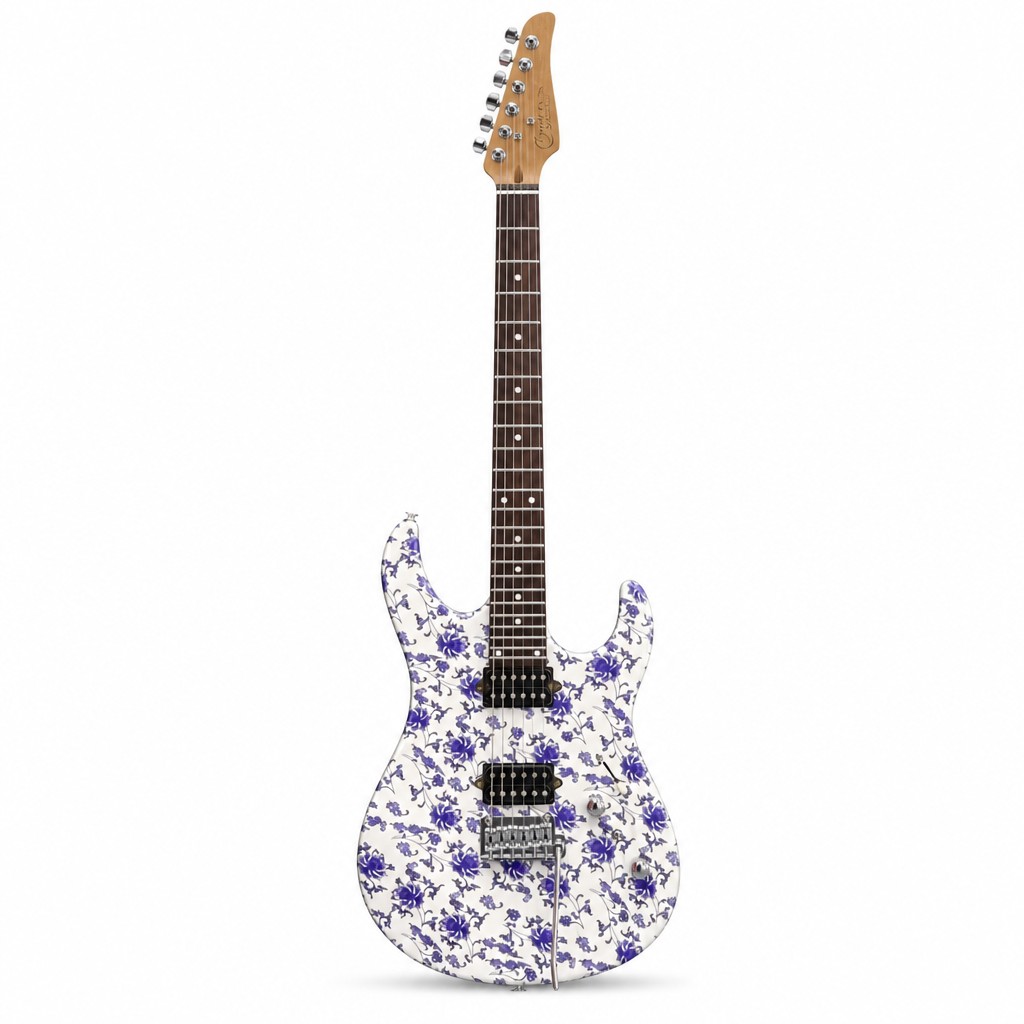
Japanese buyers are increasingly turning away from monotone entry-level designs. Finish styles like our GT-20D Purple Paisley, Royal Blue Quilted Maple Veneer, and Floral flame tops provide high-end custom shop aesthetics at competitive middle-tier price tags, providing retail shop windows in Minato Mirai with eye-catching visual anchors.
With outdoor camping and commuter-friendly gigging surging in the Shonan and Miura peninsula recreation zones near Yokohama, 36-inch GS-mini models (such as our Bullfighter D-3621) are experiencing unprecedented sales velocity, demanding solid African mahogany tops that punch far above their compact body displacement.
From initial blueprint to palletized arrival at the Port of Yokohama, every instrument is manufactured under strict Japanese JIS-aligned quality protocols.
Select from over 200 production-ready showroom models or submit proprietary CAD specs. We finalize tonewood species, neck profiles (Modern C, Thin D), fret dimensions, pickup impedance, and packaging barcodes.
Our Changsha master technicians hand-craft an exact pre-production prototype within 15–20 days. High-definition imaging, acoustic response waveforms, and dimensional caliper measurements are transmitted for formal sign-off.
Automated multi-axis CNC machines cut bodies and neck blanks to 0.05mm tolerances. Seasoned luthiers hand-level frets, wire electronics with Japanese solder standards, and apply multi-coat polyurethane/nitrocellulose finishes.
100% electronic sweep tests, action height verification (1.5mm treble, 2.0mm bass at 12th fret), carton drop-testing, and desiccated sea-worthy pallet wrapping directly loaded for Yokohama Port customs entry.
Direct answers addressing CITES compliance, minimum order quantities, shipping times to Honmoku Pier, and custom private labeling.
Our main logistics hubs at Ningbo and Shanghai ports operate express direct container vessel routes to the Port of Yokohama (Honmoku and Daikoku Piers). Ocean sailing time is typically just 3 to 5 days. Total turnaround—including factory dispatch, export customs declaration in China, and arrival clearance in Yokohama—routinely concludes within 9 to 12 business days.
Japan’s Ministry of Economy, Trade and Industry (METI) enforces rigorous CITES compliance for imported rosewood (Dalbergia) and regulated woods. YBUL fully supports Japanese importers by either providing verified legal re-export CITES certificates or supplying pre-certified alternative tonewoods—such as high-density baked laurel, roasted maple, or technical composite ebony—which clear Yokohama customs without delay.
Yes. Custom OEM and ODM branding is our core manufacturing specialty. We offer custom headstock profiling, laser engraving, gold-foil silk screen decals, mother-of-pearl neck inlays, branded neck plates, custom truss rod covers, and bespoke gig bags carrying your shop or brand emblem. Minimum order quantities for OEM private labeling start at accessible volume tiers.
We operate under an AQL 1.0 (Critical) and AQL 2.5 (Minor) inspection standard aligned with top Japanese retail expectations. Every instrument undergoes digital vernier caliper thickness verification, 12th-fret action calibration, electronic jack and potentiometer resistance testing, and high-intensity strobe finish inspection before insertion into moisture-sealed polyethylene bags with industrial silica gel canisters.
We provide versatile commercial trade terms including FOB (Shanghai/Ningbo), CIF (Yokohama), and DDP (Direct to your Kanagawa distribution warehouse). Payments are accepted via Telegraphic Transfer (T/T), confirmed Letters of Credit (L/C), and secure commercial escrow across major global currencies including Japanese Yen (JPY) and US Dollars (USD).
Yes. We strongly encourage prospective Yokohama partners to evaluate physical samples firsthand. Sample guitars from our stock inventory can be dispatched via air express (FedEx/DHL/EMS) within 48 to 72 hours, arriving in Yokohama within 3 business days for tactile evaluation, fretwork inspection, and acoustic stress testing.