B2B OEM/ODM Technical Procurement Dossier

Parlor Guitar Factories & Suppliers in London

Direct factory infrastructure, verified tonewood engineering, and precision supply chain frameworks tailored for Greater London musical instrument brands, distributors, and boutique retailers.

Export Production Matrix

Featured Acoustic & Electric Factory Shipments for UK Importers

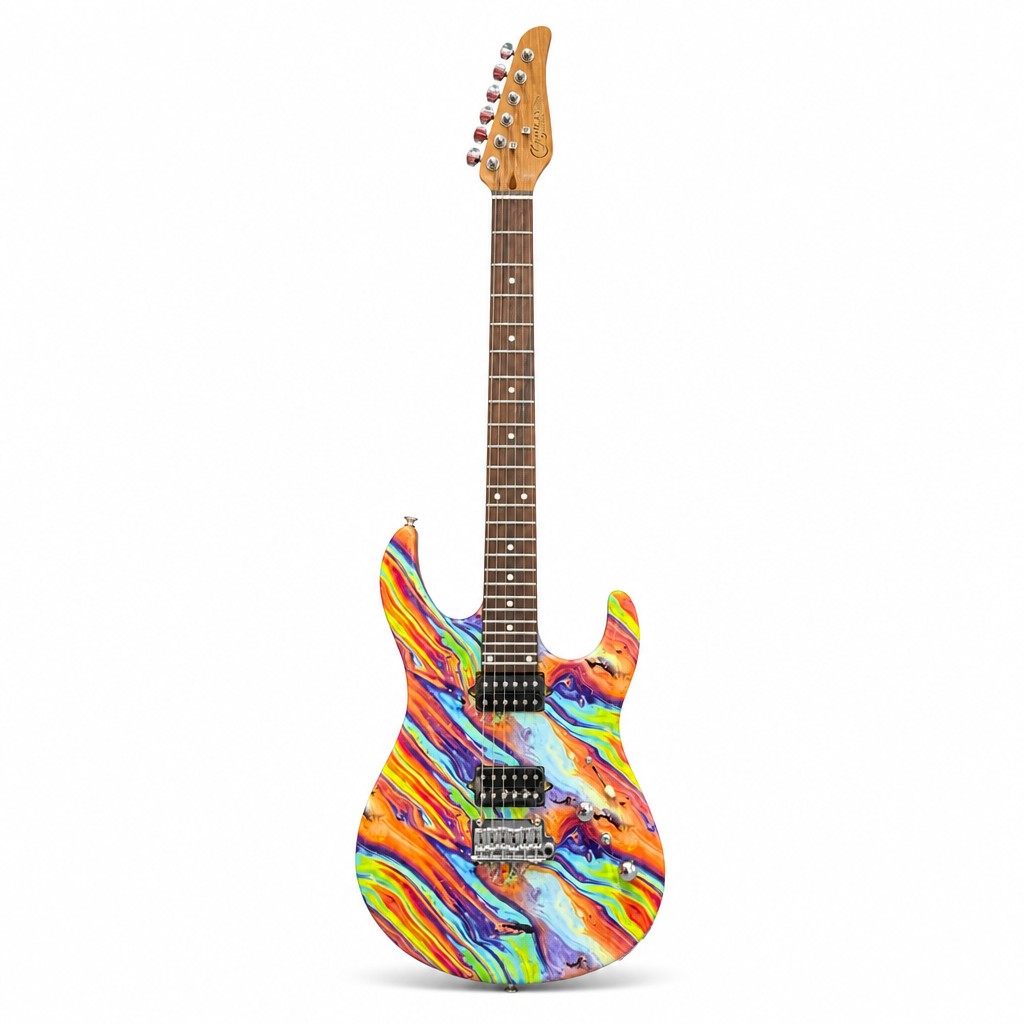
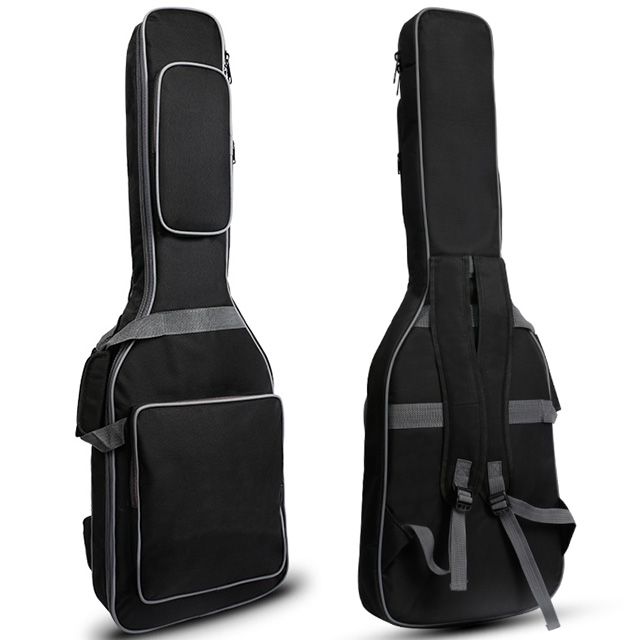
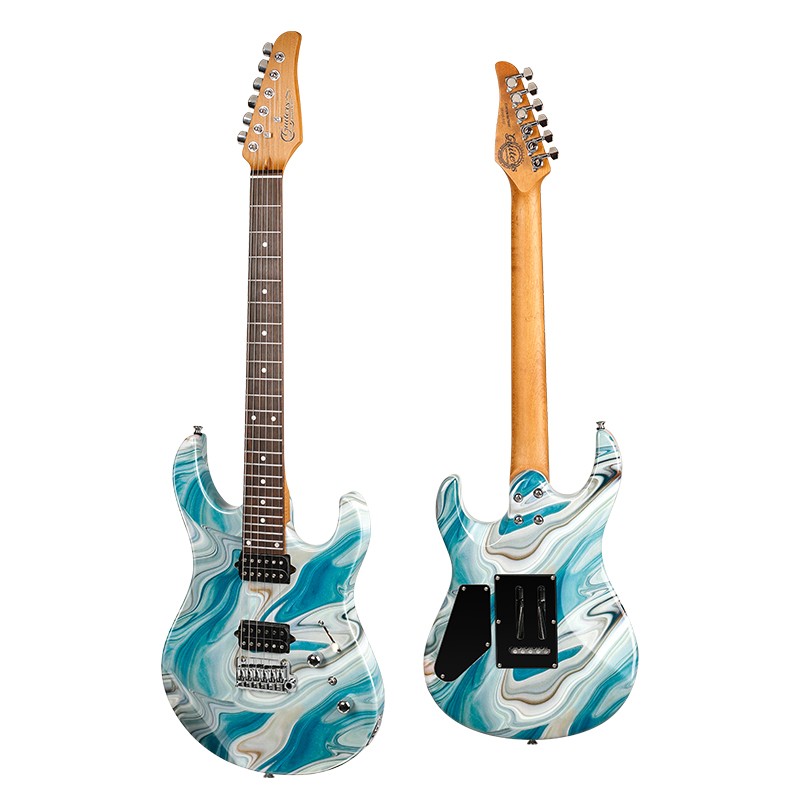
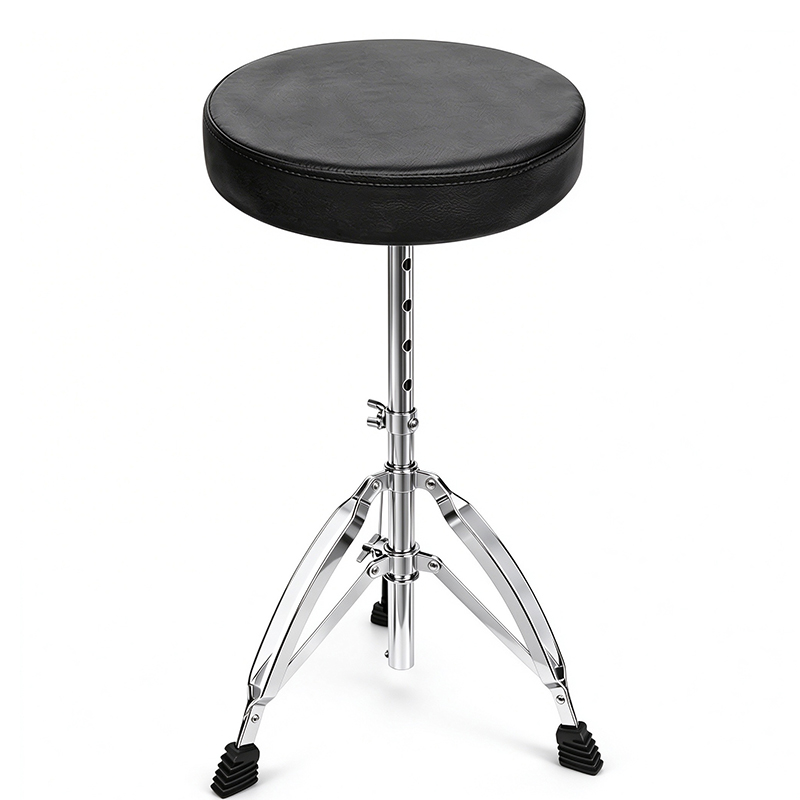
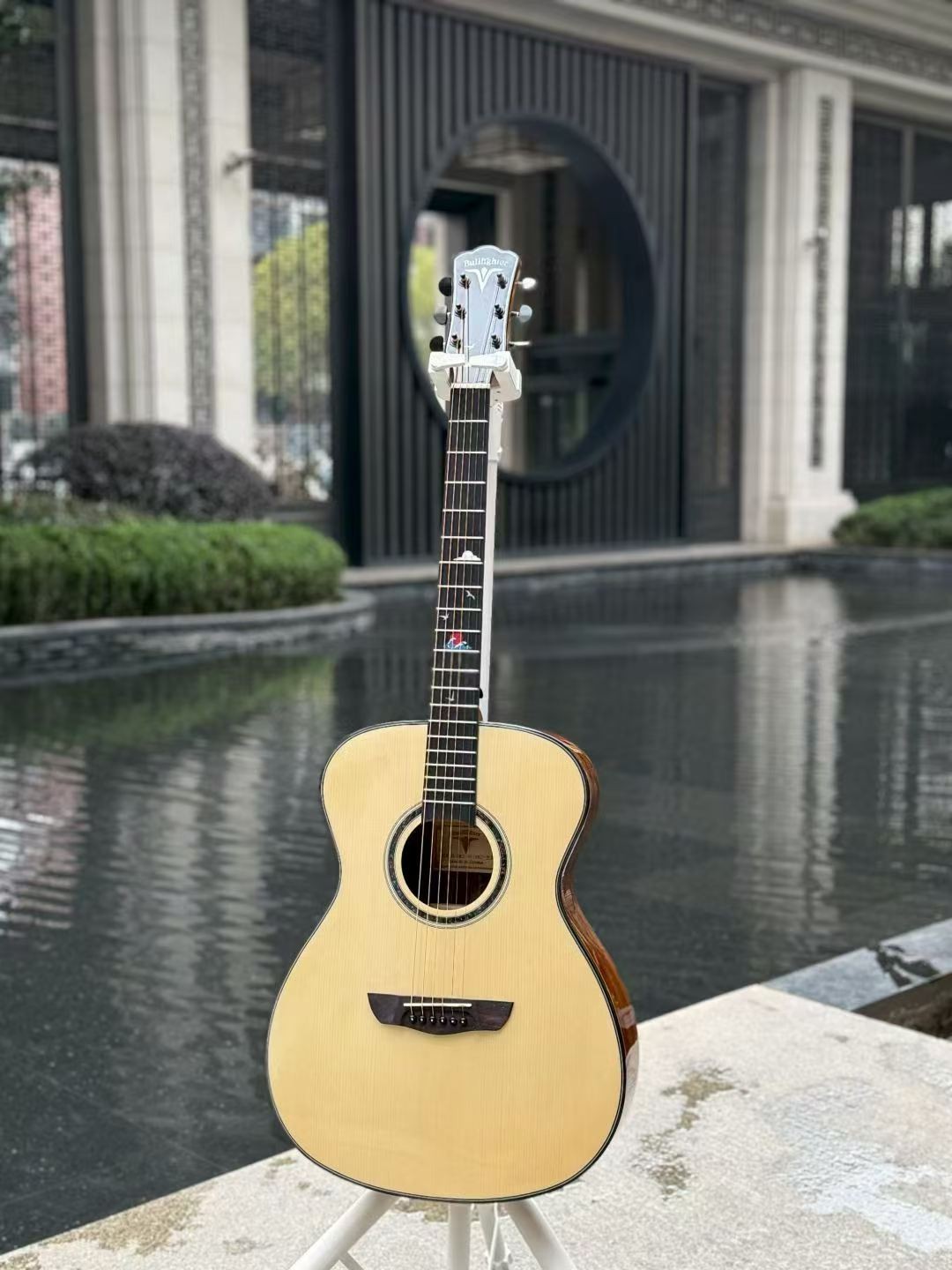
Examine our verified high-volume product series currently supplied to European and United Kingdom retailers. Each platform demonstrates our proprietary bracing, tonewood seasoning, and precision assembly standards.

Industry Whitepaper Analysis

The Strategic Resurgence of Parlor Guitars Across the United Kingdom

How historic acoustic aesthetics, modern British songwriting dynamics, and micro-living urban demographics are driving aggressive demand for compact, high-performance acoustic instruments across the London metro area.

The London Studio Dynamic

London has long functioned as the epicentre of European recording innovation. From historic Soho project rooms to Shoreditch converted warehouse production spaces, sound engineers actively seek out parlor guitars. Unlike boomy dreadnoughts that saturate modern multi-track mixes in the 100Hz–250Hz bracket, the parlor acoustic delivers a sharply defined mid-frequency response. It sits effortlessly in folk, acoustic indie, and neo-soul vocal arrangements without aggressive parametric EQ sculpting.

Urban Micro-Living & Portability

Demographic realities in Zones 1 through 4 have substantially reduced the physical footprint of working musicians' residences. Parlor acoustic instruments, defined by lower bouts under 13.5 inches and total body lengths below 38 inches, represent the ideal balance of tonal volume and home storage economy. Londoners who navigate the Tube, cycle across the Thames, or frequent open-mic circuits in Camden demand lightweight instruments that survive heavy transit without acoustic compromise.

Retail Margins & Denmark Street

Traditional West End music retailers face staggering commercial property rates, business rates, and staffing overheads. To survive against purely digital box-shippers, brick-and-mortar storefronts require specialty inventory with high gross margin yield. Factory-direct OEM parlor guitars provide UK retailers with healthy 50%–65% profit margins, allowing bespoke shop branding, curated setups, and personalized customer unboxing experiences that mass-market brands cannot match.

16,483㎡
Factory Floor Area
15,000/mo
Guitar Manufacturing Yield
SGS®
Onsite Assessed Facility
99.87%
UK Inquiry Response Rate
Scientific Luthier Specifications

Tonewood Stabilization for the UK Temperate Maritime Climate

London's indoor and outdoor relative humidity (RH) routinely swings between 38% in winter radiator-heated flats and 85% during damp autumn precipitation. Acoustic instruments constructed without scientific timber stabilization suffer neck warping, fret sprout, and soundboard belly sinkage.

Tonewood Species Structural Application Acoustic Tone Characteristic Moisture Equilibration (EMC) London Climate Suitability
Solid Sitka Spruce Soundboard / Bracing High dynamic headroom, crisp harmonic attack Dried to 7.8% ± 0.5% in vacuum kilns Optimum Stability
Engelmann Spruce Acoustic Tops / Parlor Face Warm fundamental bloom, sensitive fingerstyle response Conditioned via high-frequency resonance chambers High Response
African Mahogany Back, Sides & Neck Dense low-mid focus, woody decay, compression Thermostatically cured over 180-day cycle Superior Rigidity
Indonesian Technical Wood Fretboards & Bridge Base Glass-smooth friction resistance, zero grain shifts Engineered composite; zero hygroscopic swelling Immune to Sprout
Okoume Core Internal Kerfing & Blocks Featherweight density with structural elasticity Equilibrated for European export standards Standard Stable

High-Frequency Vacuum Kiln Desiccation

Traditional air drying leaves deep moisture pockets within cellular wood structures that expand when heated by domestic British radiators. At our Changsha production plant, we operate industrial High-Frequency Vacuum Dryers. By lowering atmospheric pressure within the chamber, wood moisture vaporizes at 35°C–40°C, eliminating cellular collapse, case-hardening, and internal stress cracks. Tonewood blanks enter the assembly line at an absolute Equilibrium Moisture Content (EMC) of 8%, ensuring that once a guitar arrives at the London Gateway port, its neck geometry remains laser-straight through dry winters and humid summers alike.

CITES & UK Timber Due Diligence Compliance

Following post-Brexit environmental regulation overhauls under the UK Timber Trade Federation (TTF) and DEFRA guidelines, musical instrument importers face stringent inspection audits. We provide London buyers with full legal chain-of-custody documentation. By substituting vulnerable wild Dalbergia rosewoods with sustainable engineered composites, CITES Appendix II exemptions, and sustainably harvested African Khaya mahogany, your wholesale shipments pass British customs clearance without documentation hold-ups, fines, or port confiscation risks.

Commercial Implementation

Localized Application Scenarios Across Greater London

From boutique retail private labels to premier music academies, parlor acoustic instruments address diverse operational needs across the capital's specialized commercial music districts.

West End & Boutique Retail Storefronts

Historic music hubs along St Giles, Soho, and Camden require visually arresting parlor models that command attention in display windows. Custom pearl inlays, slotted headstocks, vintage sunburst nitro-cellulose feel finishes, and engraved headstocks allow London music shop owners to offer distinctive boutique instruments that outperform sterile mass-market catalog guitars.

London Conservatories & Music Schools

Teaching institutions throughout Kensington, Westminster, and Greenwich require ergonomic student models. The parlor guitar's shorter 24-inch scale length reduces string tension significantly, allowing young prodigies and adult fingerstyle beginners to practice barre chords for hours without finger fatigue, tendon strain, or intonation distortion.

Acoustic Clubs & Songwriter Pubs

Intimate acoustic performance circuits across Angel, Islington, Brixton, and Hackney require instruments equipped with discreet piezo under-saddle pickups. Our parlor guitars deliver pristine acoustic feedback resistance on tight stages, providing clear, punchy articulation that cuts through ambient room acoustics with zero microphone bleed.

Manufacturing Infrastructure

Changsha YBUL Instrument Co., Ltd. Supply Chain Superiority

Combining 10+ years of industrial guitar production with verified third-party SGS onsite assessment. We bridge the gap between heavy industrial manufacturing and meticulous hand-lutherie.

Sub-Millimeter CNC Precision

Body contours, mortise-and-tenon neck joints, pickup cavities, and fretboard radius cuts are executed on multi-axis CNC routers. This guarantees identical neck pocket tolerances (±0.05mm), eliminating loose neck joints that sap acoustic energy, sustain, and fundamental string vibration.

SGS Assessed & Audited Lines

Our two production factories spanning 16,483 square meters are fully audited by SGS Group. International buyers receive unvarnished visibility into labor standards, raw timber storage control, dust-free electrostatic spray booths, and ISO-standard operational workflows.

Direct DDP UK Port Logistics

We streamline British procurement by managing container logistics straight to London Gateway, Southampton, and Felixstowe ports. From FOB and CIF terms to fully handled DDP (Delivered Duty Paid) door delivery to your London distribution warehouse, we eliminate import friction.

Ready to Engineer Your Private Label Guitar Line?

Our English-fluent technical engineering staff provides full 2D CAD drafting, 3D prototyping, rapid physical sample production, and bespoke branded carton packaging for London brands.

Send an Inquiry
Procurement Clarifications

Frequently Asked Questions for London Guitar Importers

Detailed answers addressing order minimums, customs duties, British quality assurance, timber regulations, and OEM prototype turnaround cycles.

How does Changsha YBUL ensure parlor guitars withstand the UK's high-humidity damp seasons?
Every acoustic soundboard, internal brace, and neck blank undergoes a two-phase moisture stabilization protocol. First, tonewoods are processed in our computerized High-Frequency Vacuum Kiln to reach 7.5%–8.5% equilibrium moisture content. Second, assembled guitar bodies rest in our temperature-and-humidity-controlled curing rooms for a minimum of 14 days prior to finishing. This molecular stabilization prevents top blistering, seam splitting, and finish cracking when exposed to British wet weather.
What is the typical Minimum Order Quantity (MOQ) for custom-branded OEM orders destined for London?
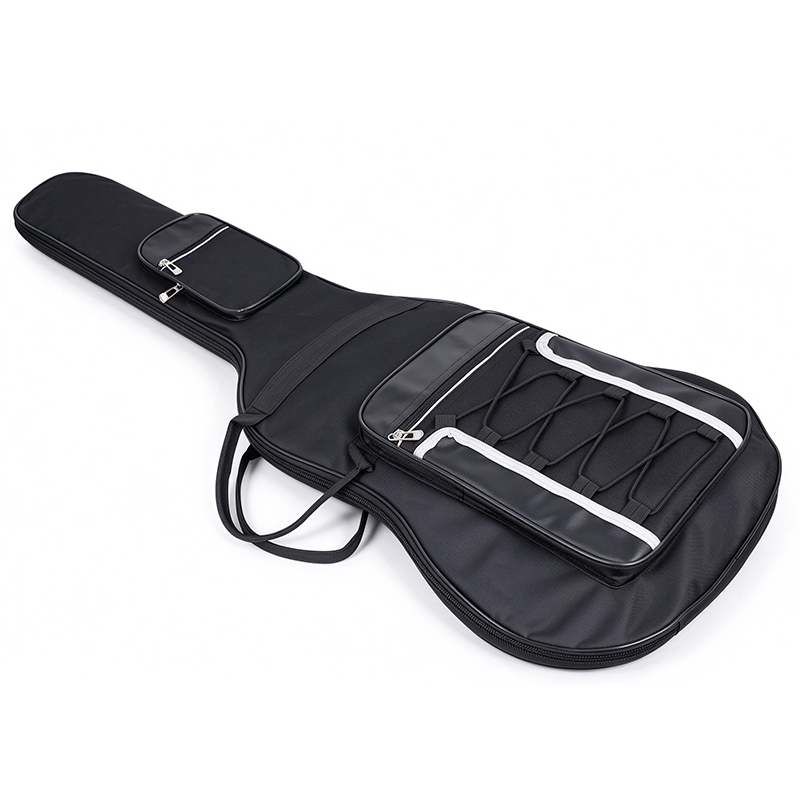
For standard stock models with custom headstock laser-engraved or silk-screened logos, our MOQ starts at just 30 to 50 units. For fully customized OEM projects—including unique body templates, bespoke scale lengths, proprietary bracing geometry, custom finish tints (e.g., British Racing Green or Vintage London Burst), and branded gig bags—the standard MOQ is 100 units per specification. Mixed SKU container shipments are also welcomed.
What are the import tariff codes, VAT, and customs duties for guitars entering the UK?
Acoustic guitars imported into the UK typically classify under Commodity Code (HS Code) 9202.90.30.00 (guitars, including acoustic and parlor models). The standard UK import duty rate is generally 3.5%, plus the prevailing standard UK VAT rate (20%) calculated on the CIF landed cost. If shipping under DDP terms through our logistics agency, we handle all duty customs declarations, EORI processing, and port paperwork on your behalf.
Can we obtain an initial physical prototype sample before approving mass container production?
Yes. We strongly encourage pre-production sample evaluation. Once CAD blueprints and specifications are confirmed, our specialized sample workshop fabricates your customized parlor guitar within 15 to 25 business days. The prototype is air-freighted via DHL or FedEx directly to your London headquarters or workshop for tonal, structural, and aesthetic inspection before full mass run authorization.
Are your timber materials compliant with CITES, FSC, and UK Timber Regulations (UKTR)?
Strictly compliant. We do not use endangered woods restricted under CITES Appendix I. For Rosewood replacements, we utilize high-density certified technical composites or Indonesian Sonokeling with legal timber verification documentation. All raw logs and sawn lumber come from monitored FSC-certified forestry concessions, allowing complete traceability under the post-Brexit UK Timber Due Diligence System.
What setup parameters (action, relief, nut slots) are applied before export boxing?
Every guitar goes through a 9-point setup station before boxing. Frets are leveled and crowned to prevent buzz, nut slots are filed to exact gauge tolerances, and action is set at 2.2mm ± 0.2mm on the low E string and 1.8mm ± 0.2mm on the high E string at the 12th fret. Dual-action truss rods allow easy minor adjustments by your retail luthier once acclimatized to local indoor store conditions.
B2B Supply Alliance

Initiate Your London Guitar Production Contract

Whether you are launching a specialized boutique parlor guitar brand on Denmark Street or replenishing educational acoustic inventory for UK retail chains, our Changsha manufacturing plant guarantees unmatched consistency, certified raw materials, and factory-direct pricing.