English
 Español
 Deutsch
 Français
 Português
 Italiano
 Русский
 日本語
 한국어
 العربية English Español Deutsch Français Português Italiano Русский 日本語 한국어 العربية
Direct from Changsha YBUL Instrument Co., Ltd.'s 16,483㎡ facility. Each instrument is acoustically balanced, thermo-treated for Northern European climate stability, and inspected with vernier calipers for exact string action.
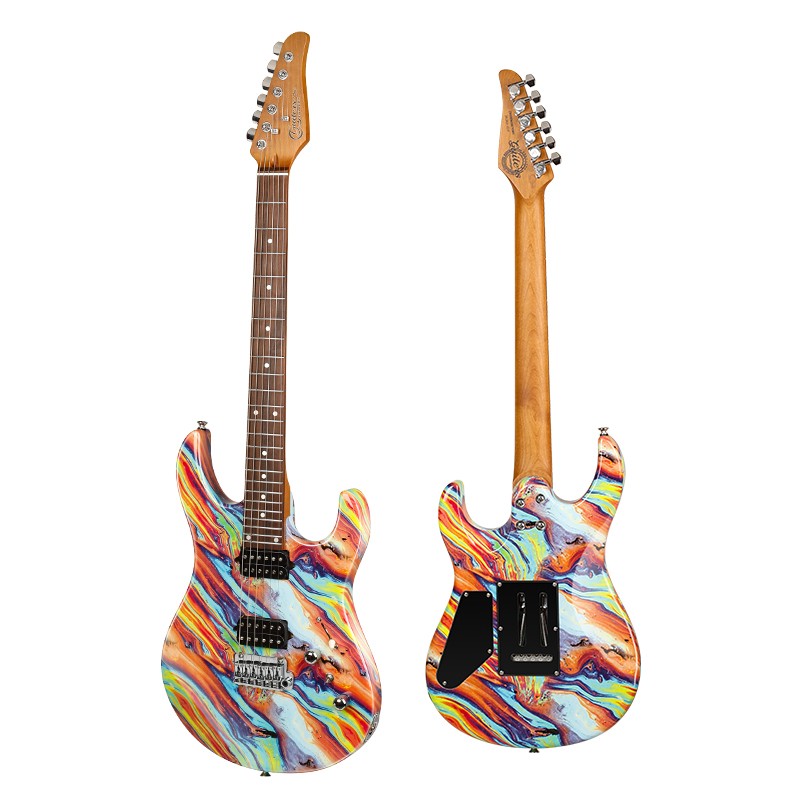
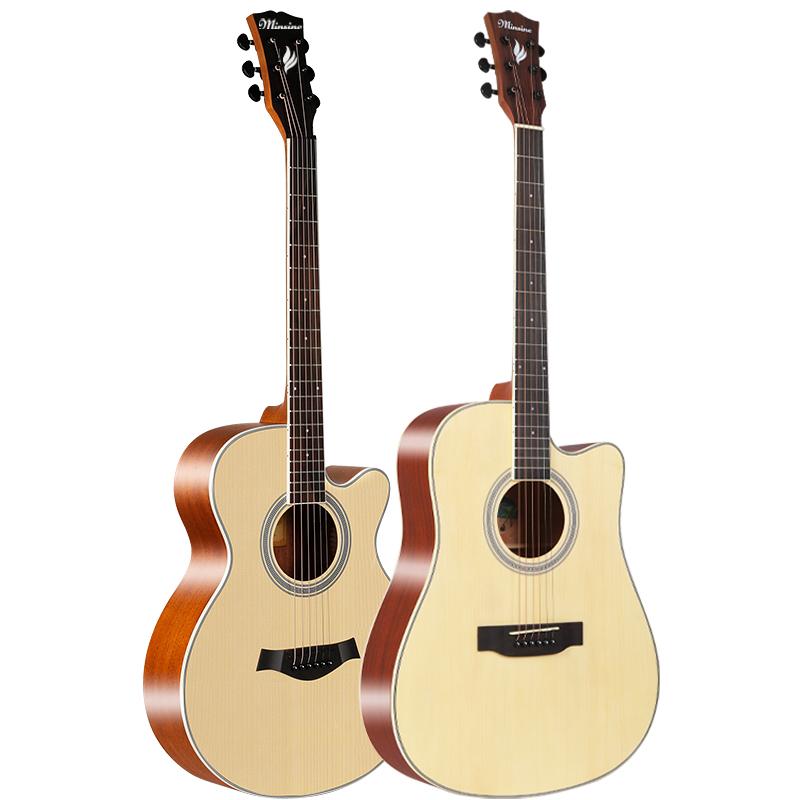
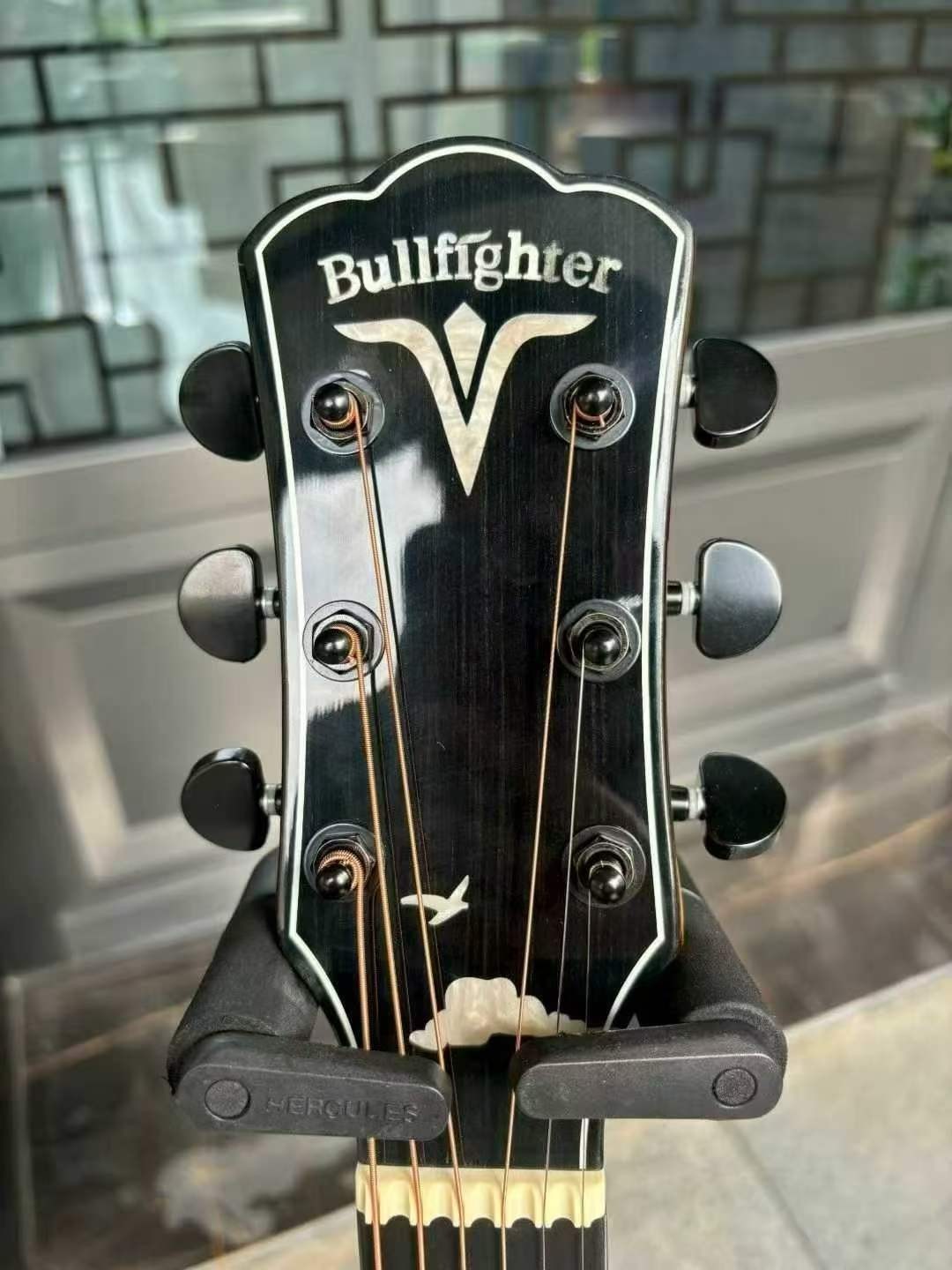
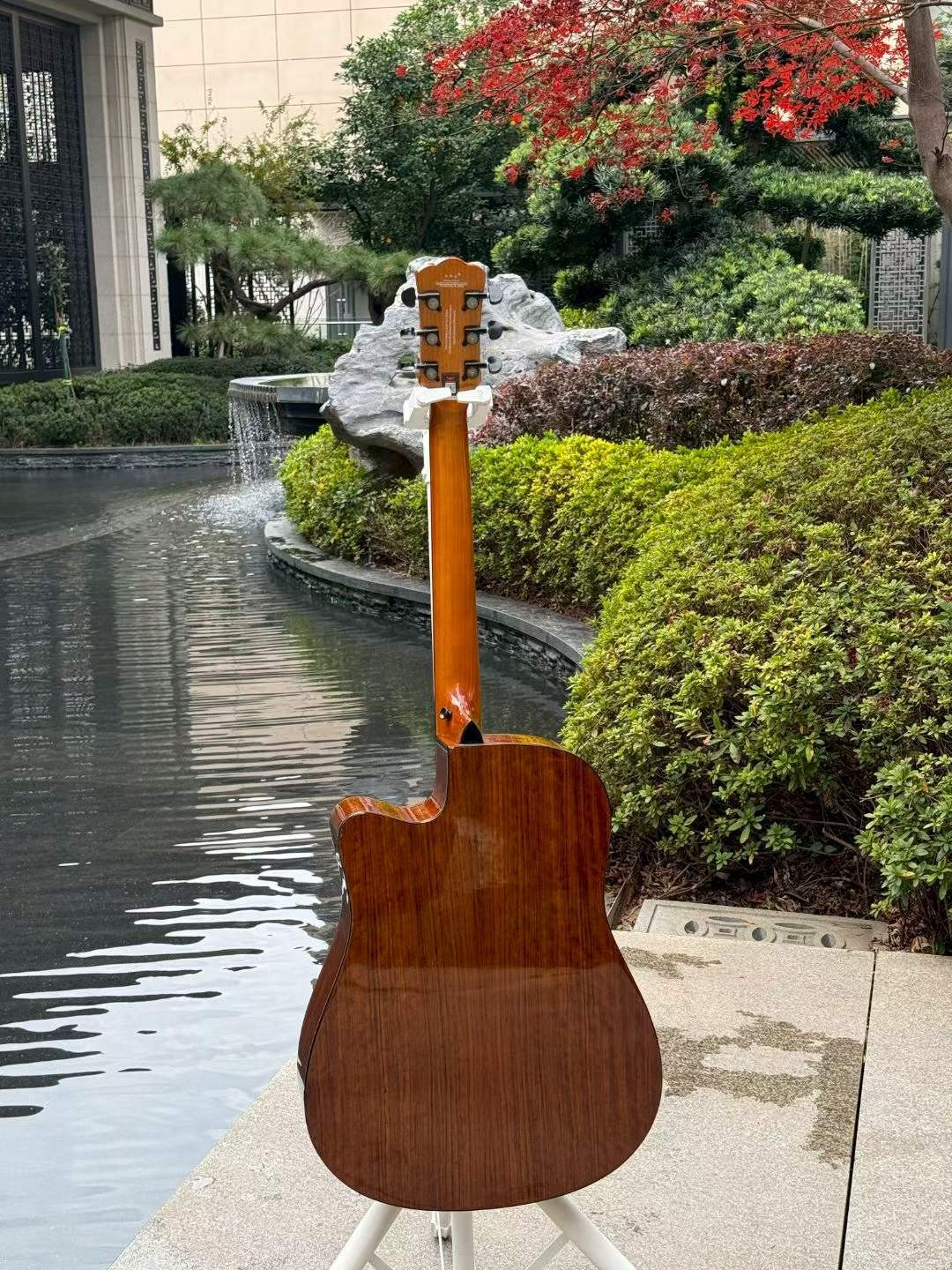
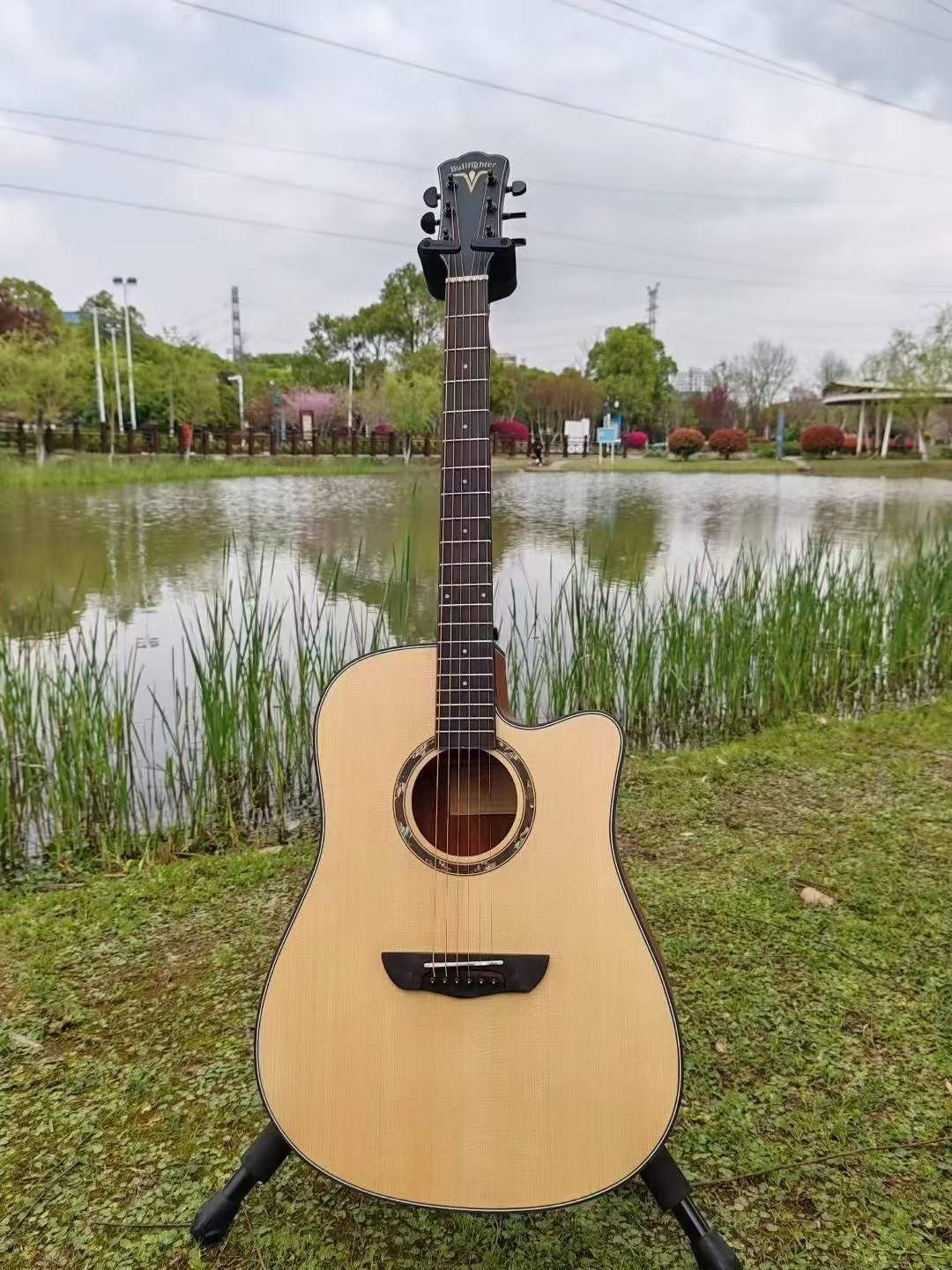
The Republic of Estonia holds one of Europe's most rigorous, culturally integrated traditions of musical pedagogy. Within the capital district of Tallinn—stretching from the cultural corridors of Kesklinn and Kadriorg to the sprawling educational sectors of Mustamäe, Lasnamäe, and Nõmme—stringed instrument procurement follows structured public and institutional paths. Between municipal hobby schools (munitsipaalhuvikoolid), private music studios, comprehensive gymnasium music electives, and prestigious performance academies such as the Tallinn Music and Ballet School (MUBA) and the Estonian Academy of Music and Theatre (EAMT), procurement officers face a distinct set of operational and acoustic challenges.
Unlike consumer retail purchases, where cosmetic novelty often dictates turnover, institutional procurement for Tallinn music institutions demands an uncompromising focus on ergonomic longevity, standardized dimensional tolerances, and environmental resilience. A student guitar entering an Estonian classroom is expected to withstand five to eight years of continuous cyclic handling by rotating cohorts of novice players, repeated tuning adjustments, and transportation through harsh Baltic seasonal transitions. As an established OEM/ODM manufacturer with over a decade of international delivery history, Changsha YBUL Instrument Co., Ltd. analyzes the specific drivers reshaping student guitar supply chains across Tallinn and the greater Harju County.
Budget allocation under Estonian public procurement protocols (Riigihangete register) heavily evaluates the Total Cost of Ownership (TCO). Instruments requiring frequent bridge reseating, neck resetting, or seasonal fret-dressing incur maintenance overheads that quickly eclipse initial purchase savings. Factory-direct acoustic stability is the single most critical quality criterion for Baltic distributors.
The climatic profile of Tallinn exerts extreme thermo-hygrometric stress on solid tonewoods and laminated acoustic soundboxes. During maritime summers along the Gulf of Finland, ambient relative humidity (RH) frequently climbs above 75–80%. Conversely, during Estonian winters, sub-zero outdoor temperatures lead to intense municipal district heating within Soviet-era stone buildings and ultra-insulated modern timber architecture alike. Indoor relative humidity routinely plunges to 18–25% RH between November and April.
This drastic drop in equilibrium moisture content causes conventional student guitars to suffer catastrophic failure modes: top sinking, loose braces, soundboard cracking along the center seam, fingerboard shrinkage leading to sharp, protruding fret ends ("fret sprout"), and acute backbowing of neck shafts. YBUL addresses this specific challenge directly at the production source through our specialized industrial processing infrastructure:
Raw maple, okoume, and mahogany blanks undergo controlled high-frequency dielectric vacuum drying. This uniformly stabilizes timber moisture content at 8% ± 1.5%, preventing post-import fiber movement inside heated Estonian classrooms.
For electric and acoustic ranges such as our GT-20D series, necks are thermally cured in an oxygen-deprived kiln at 180°C–200°C. This crystallizes remaining hemicellulose, eliminating moisture sensitivity and preventing neck warping during Baltic winters.
Fingerboards feature deep-seated fret slots cut on dedicated fret groove sawing machines, paired with hand-beveled nickel-silver fret edges. This guarantees zero fret protrusion even when ambient indoor winter humidity drops below 20% RH.
Music educators across Tallinn's network of specialized youth centers report that over 60% of novice dropouts during the initial six months of study stem directly from instrument-induced finger fatigue and physical pain. High action caused by poorly radiused fingerboards, excessive nut slot heights, and unbalanced string tension force beginners to exert excessive fretting pressure, distorting intonation and causing early tendon strain.
In our SGS-assessed production lines, every educational instrument is calibrated to exacting student-grade action profiles: 2.2mm ± 0.2mm on the low E string and 1.8mm ± 0.2mm on the high E string at the 12th fret for steel-string acoustics, with classical nylon-string models held strictly under 3.2mm. Our dual-action steel truss rods feature two-way mechanical leverage, allowing music teachers and local repair technicians to execute micro-adjustments with a simple hex key as seasonal shifts dictate.
| Engineering Parameter | Generic Commodity Guitars | YBUL Baltic Educational Specification | Practical Institutional Benefit in Tallinn |
|---|---|---|---|
| Timber Stabilization | Air-dried or fast heat-cured (12–15% MC) | HF Vacuum Kiln Dried to 7–9% Core MC | Zero soundboard splitting or seam peeling during winter heating. |
| Neck Construction | Single-piece unroasted birch or nato | Roasted Canadian Maple or Laminated Okoume | Drastic drop in truss-rod adjustments; prevents backbow distortion. |
| Action Calibration | Factory rough cut (3.2mm+ at 12th fret) | Vernier Caliper Setup (1.8mm–2.2mm at 12th fret) | Reduces student fingertip fatigue; accelerates beginner chord acquisition. |
| Fretwork Finish | Machine cut, sharp edge corners | Hand-rolled fingerboard edges & spherical ends | Prevents hand abrasions when fingerboards shrink in dry interior air. |
| Finish Chemistry | Heavy polyester lacquer (>0.45mm) | Micro-thin acoustic polyurethane (<0.20mm) | Preserves natural acoustic projection and wood vibration resonance. |
| Adhesive Standards | Standard urea resin | High-tack, low-VOC aliphatic resin (EU REACH) | Fully compliant with European Union child-safe educational mandates. |
Our diverse production lines cater to the unique operational environments found within the Estonian music market, from formal academic curricula to vibrant independent retail networks.
Tallinn’s municipal music schools operate structured four- to seven-year educational tracks. Our classical and acoustic lines, featuring standard 650mm scale lengths alongside 3/4 (580mm) parlor scales, ensure proper physical posture and clean classical right-hand positioning for younger Estonian students aged 7 to 14.
With the surge of modern contemporary music workshops, jazz electives, and youth rock bands in Telliskivi Creative City and cultural hubs, instruments like our GT-20D electric series and MS-170 provide high-gain Alnico 5 versatility, coil-splitting tone palettes, and bulletproof electronics resistant to practice room abuse.
Musical instrument retailers throughout Tallinn require distinct private-label differentiation to preserve profit margins against pan-European online discounters. YBUL supports local Estonian dealers with bespoke OEM headstocks, laser-etched branding, customized retail packaging, and dependable restocking intervals.
Eliminate intermediaries, reduce supply variability, and partner with a fully verified Chinese lutherie facility assessed on-site by SGS Group.
Operating two specialized production factories and a 2,500㎡ R&D center in Changsha, Hunan, we deploy automated CNC body shaping, precision cold presses, and advanced automated electrostatic finishing lines capable of 15,000 units per month.
Our enterprise type is verified as an integrated Manufacturer and Trading Company. Independent SGS audit reports authenticate our workshop capacity, machinery lineup, working conditions, and stringent multistage quality inspection procedures.
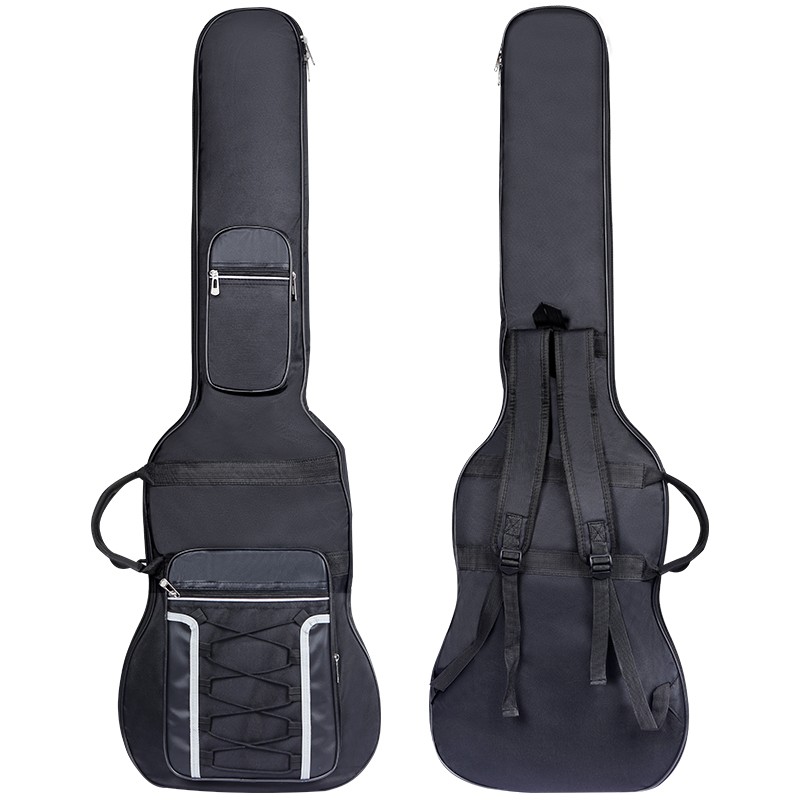
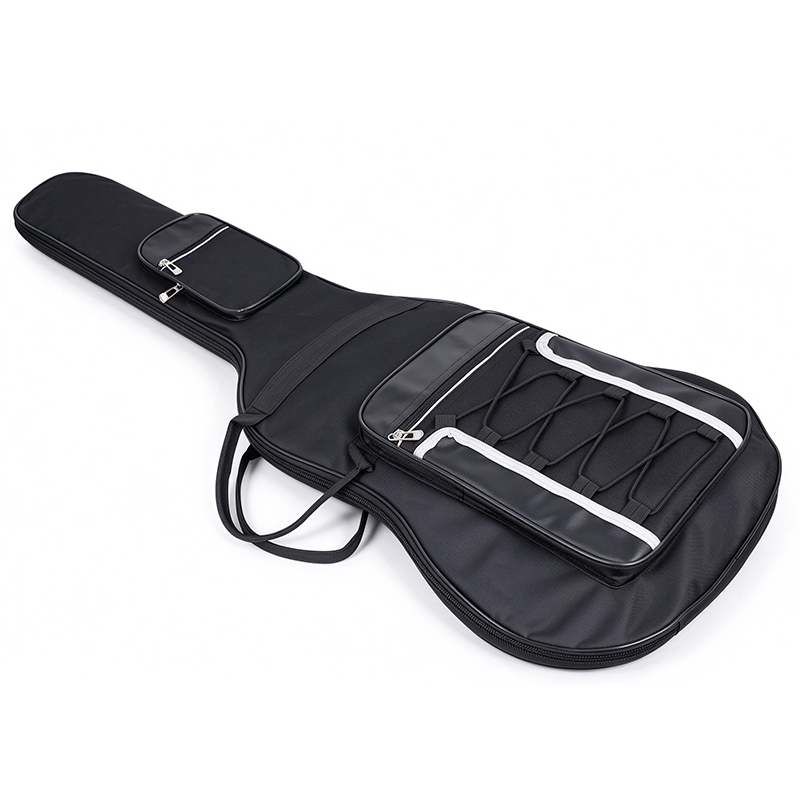
From neck profiles (Modern C, D, or vintage U-shape) and custom fingerboard inlays to proprietary pickup coil windings and branded double-padded gig bags, our 200+ ready showroom designs allow seamless brand customization.
We provide complete Incoterms flexibility (FOB, CIF, CFR, DDU, DDP). Goods ship efficiently via ocean freight directly to the Port of Tallinn (Muuga Harbor) or via expedited rail routes, complete with full EU customs declaration and REACH timber documentation.
Procuring instruments across continental borders introduces compliance hurdles and transit vulnerabilities that can threaten distributor profitability. Musical instruments contain delicate acoustic membranes, precise electronic circuits, and natural organic timbers sensitive to ambient moisture during marine shipment. Changsha YBUL Instrument Co., Ltd. has standardized our Baltic supply chain to guarantee transit integrity and regulatory certainty.
Estonia operates within the framework of European Union import regulations. All wood utilized across our guitars—including Sitka spruce, Engelmann spruce, okoume, sapele, Canadian maple, and technical engineered rosewoods—fully complies with EU Timber Regulations (EUTR / EU Deforestation Regulation guidelines) and CITES Appendix II/III restrictions. Importers in Tallinn receive complete timber species declarations and Phytosanitary Certificates, preventing customs holds at the Estonian border. Furthermore, all lacquers, poly coatings, and adhesives adhere to EU REACH Annex XVII standards, ensuring zero heavy metal leaching and child-safe volatile organic compound (VOC) levels.
To endure the four-to-six-week maritime transit through varying temperature zones, every instrument is sealed in high-density polyethylene moisture-barrier sleeves containing 50g industrial silica gel packs. The guitars are seated in custom-molded EPS foam formers and packed into heavy-duty 5-layer BC-flute double-wall corrugated cartons. Master cartons undergo standard ASTM drop testing (1.2m drop tolerance) to withstand pallet transshipment at regional Baltic logistics hubs.
Transparent answers covering Minimum Order Quantities (MOQs), delivery lead times, institutional tender specifications, and custom OEM branding.
Request our comprehensive 2025/2026 Student & Academic Guitar Catalog, evaluate sample units in Tallinn, or discuss custom OEM specifications with our engineering team.