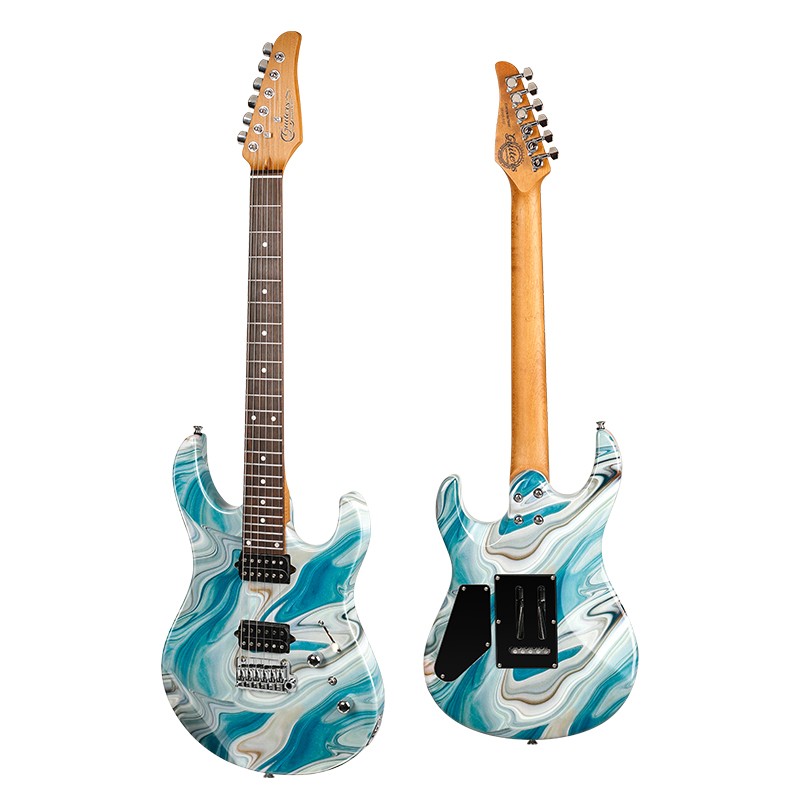
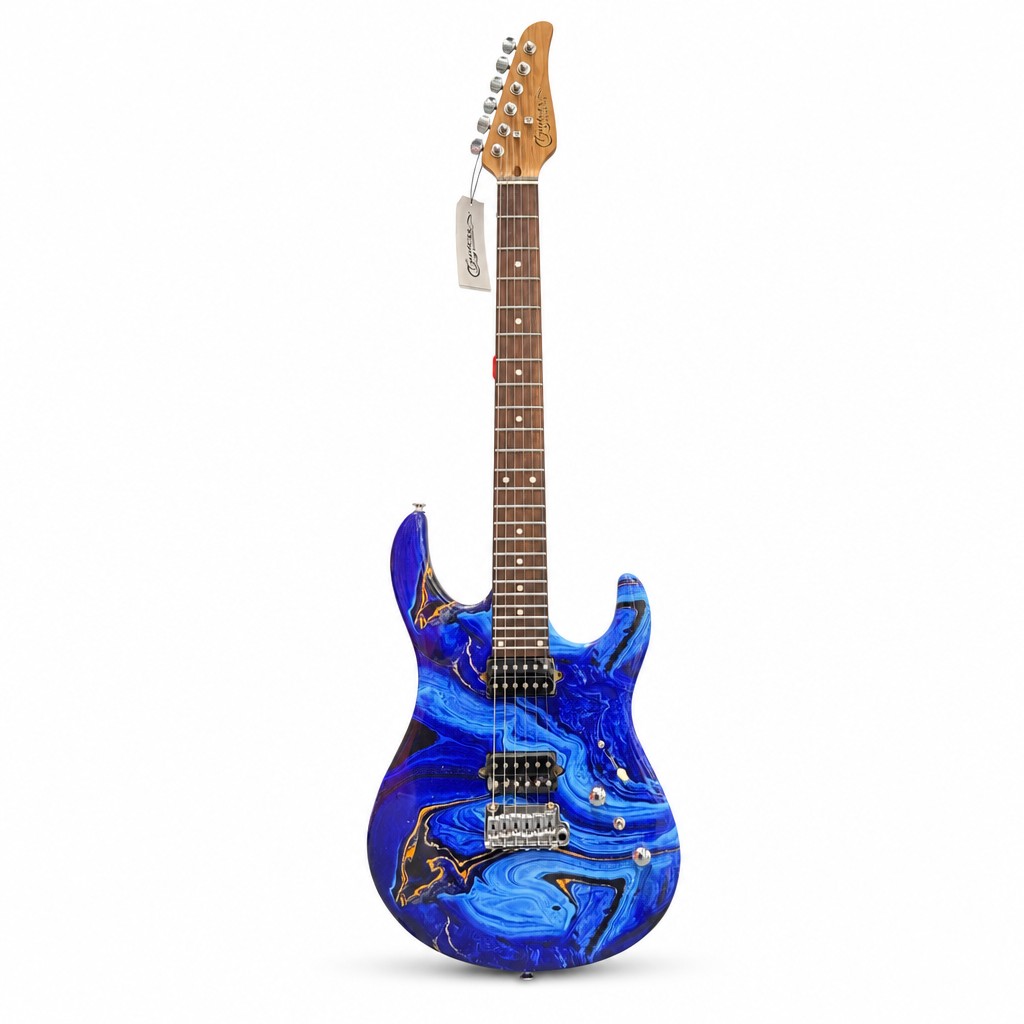
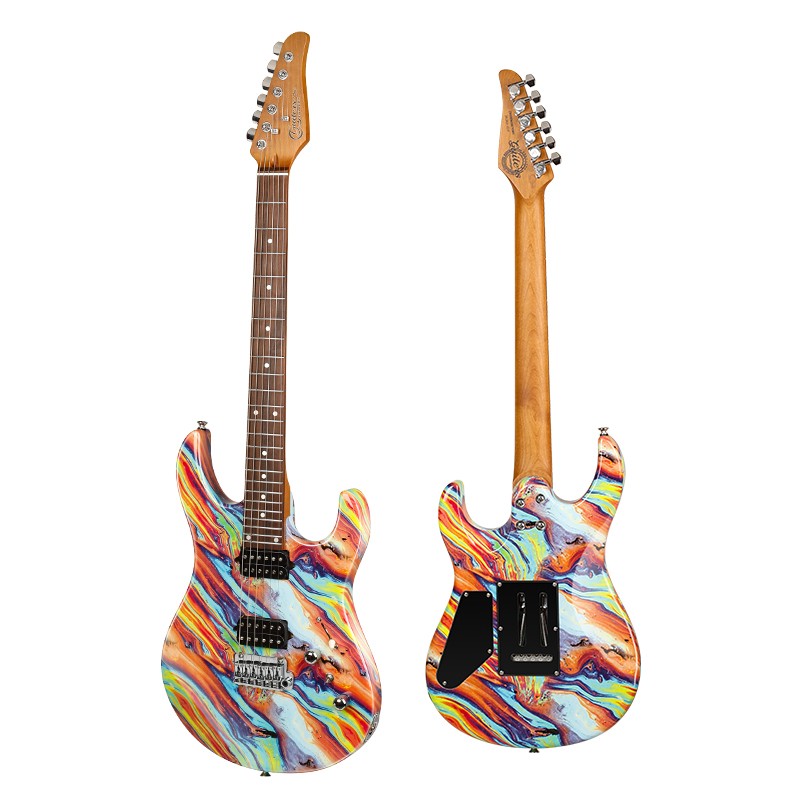
Water Transfer Finish
 English
 Español
 Deutsch
 Français
 Português
 Italiano
 Русский
 日本語
 한국어
 العربية
Engineered for tone integrity, low fret-sprout susceptibility in continental climates, and seamless OEM private labeling for Hungarian music retailers and regional European distributors.
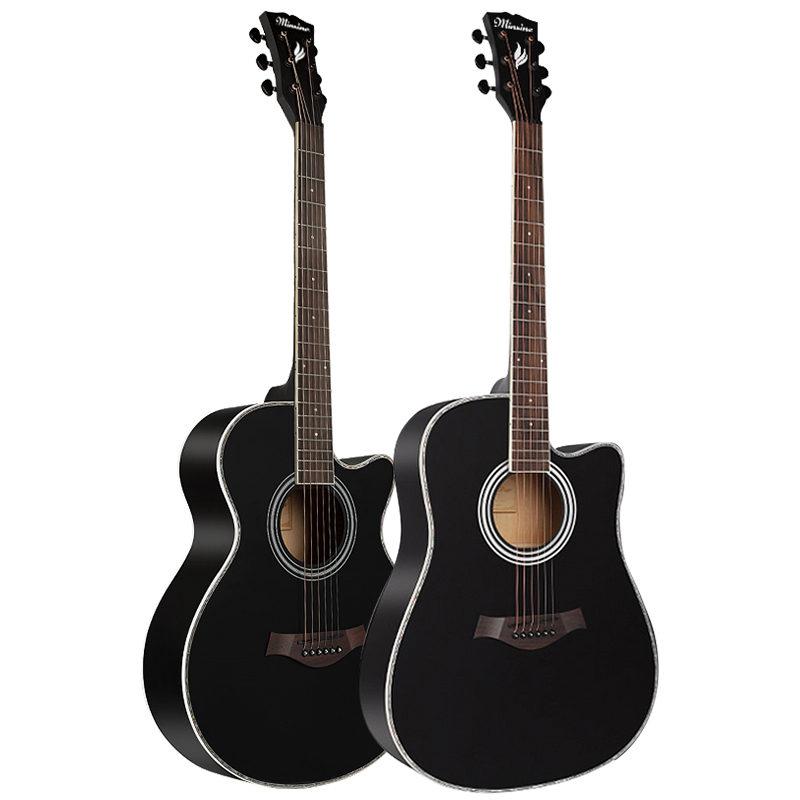


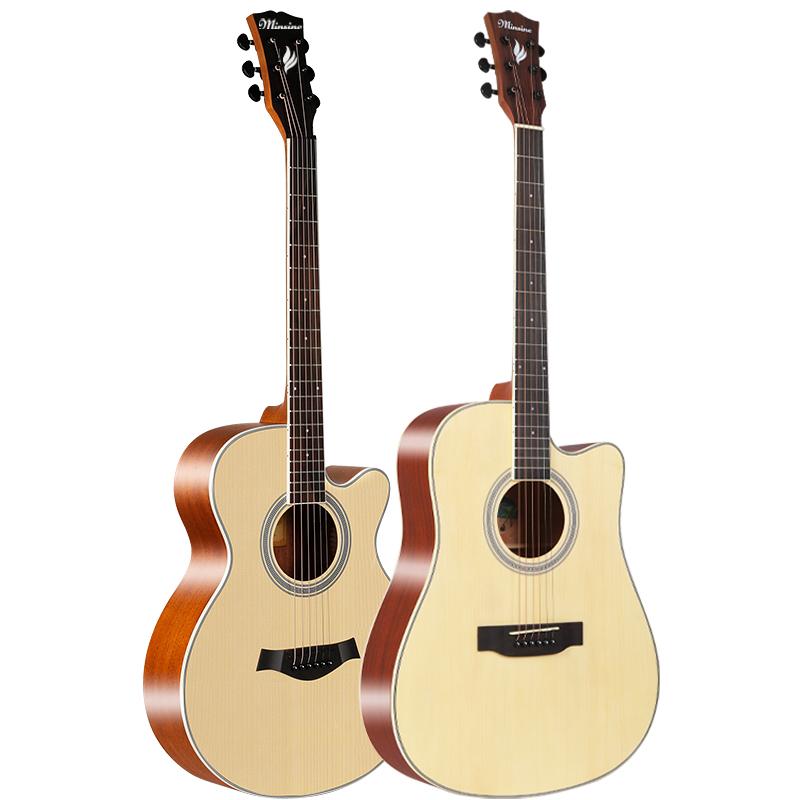
Founded in 2015, YBUL operates an integrated 16,483㎡ manufacturing facility assessed onsite by the SGS Group, delivering industrial consistency for major international retail channels.
Operating as a dual-entity manufacturer and international exporter based in Changsha, Hunan, Changsha YBUL Instrument Co., Ltd. balances large-scale industrial capability with exacting luthier craftsmanship. Backed by annual export revenues exceeding US$50M, our dual manufacturing plants deploy high-frequency vacuum wood drying kilns, multi-axis automated CNC carvers, electrostatic finish lines, and climate-regulated setup chambers.
When engineering semi-hollow and thinline instruments, structural integrity is paramount. Unlike solid-body guitars, semi-hollow designs demand nuanced cavity balance, interior center-block routing, and resonance calibration that resist humidity variations. Our ISO-monitored manufacturing process guarantees that every shipment delivered to European logistics terminals meets strict acoustic resonance and geometric stability tolerances.
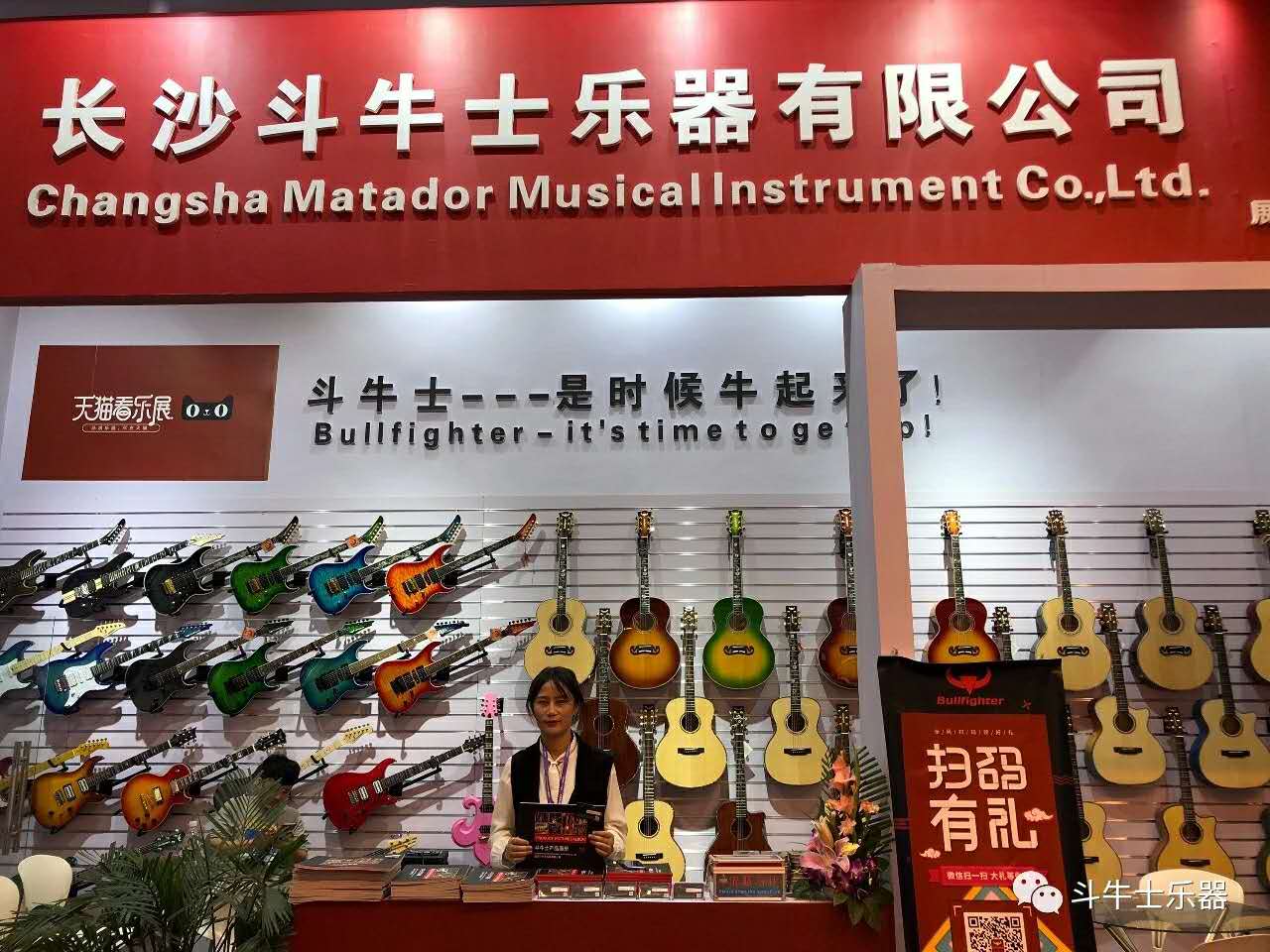
16,483㎡ facility housing CNC routing and seasoning chambers.
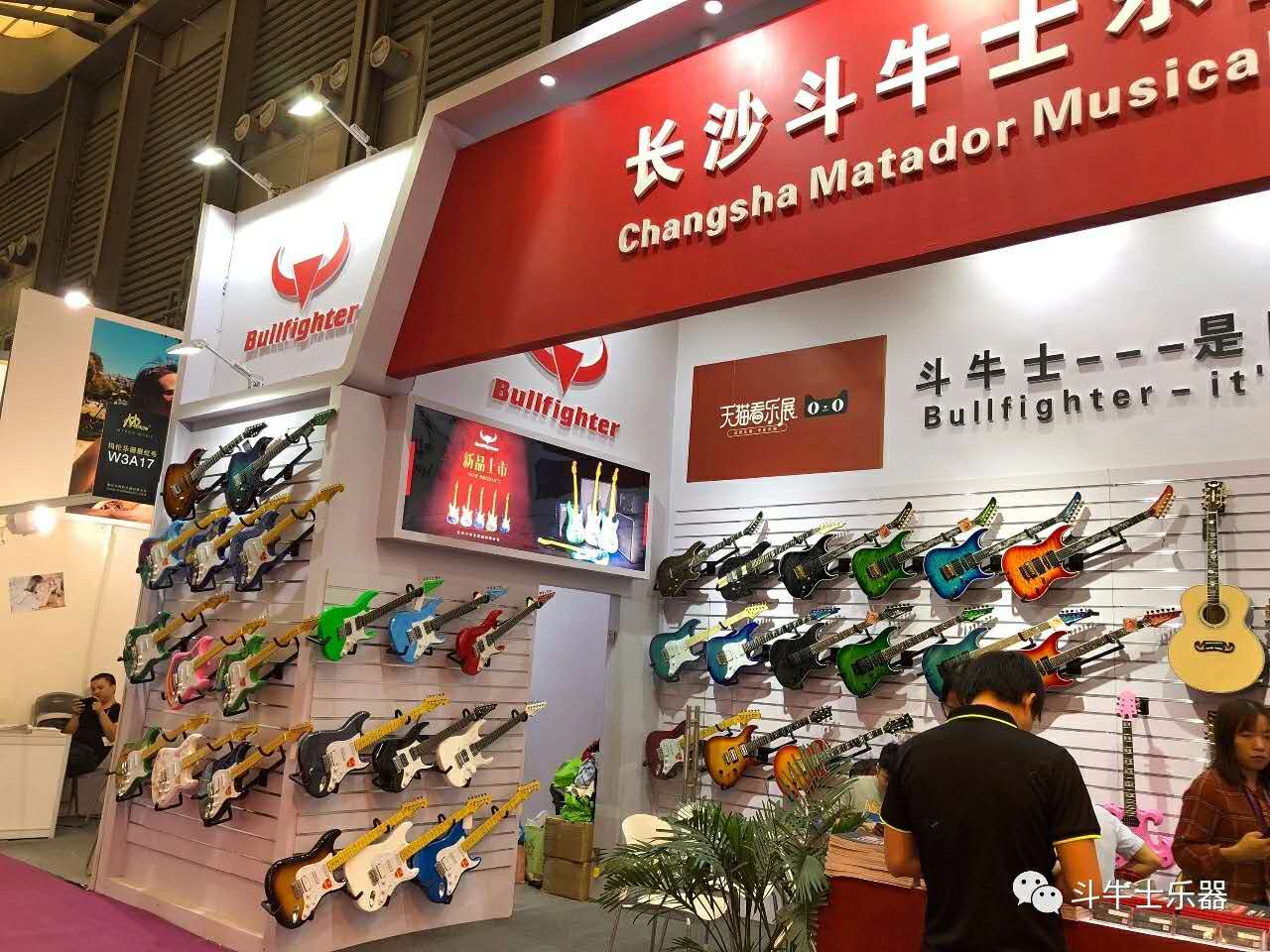
Manual fret dressing, pickup wiring, and multi-point action setup.
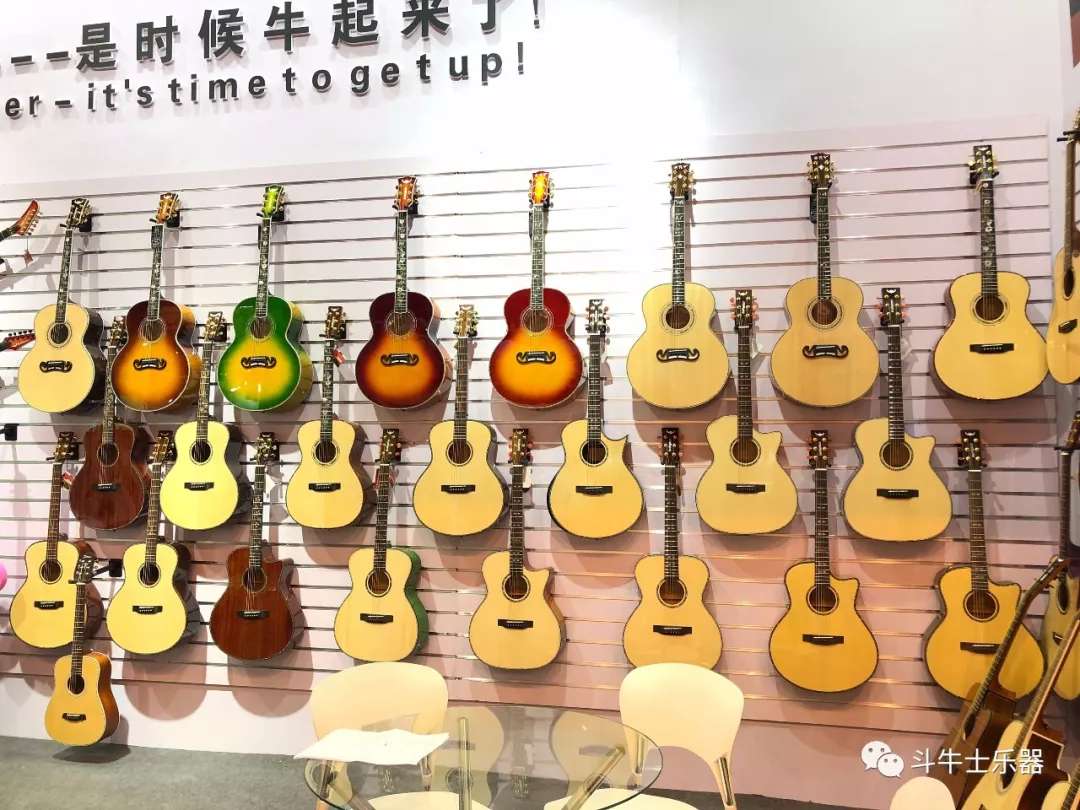
Direct inspection hub for global private-label guitar buyers.
Examining sonic resonance, environmental stressors, and cultural genre requirements that dictate instrument procurement from Budapest to Debrecen.
Venues like Szimpla Kert, Instant-Fogas, and Dürer Kert demand instruments with high feedback suppression. Semi-hollow guitars with solid maple center-blocks offer the acoustic airiness of hollow architectures while handling high-gain overdrive and pedalboard fuzz without uncontrolled low-frequency howl.
Drawing from Béla Bartók folk modality and contemporary jazz academies such as the Franz Liszt Academy of Music (Zeneakadémia), Hungarian guitarists require articulation and touch sensitivity. Alnico 2 and Alnico 5 humbuckers paired with laminated maple bodies deliver clear string definition across complex chord extensions.
Hungary experiences continental weather swings: cold, dry winters with indoor heating (relative humidity dropping below 25%) and humid summers. Semi-hollow instruments sourced for this region require laminated top plates and thermally treated (roasted) maple necks to eliminate fret buzz and neck warpage.
Data-driven insights for commercial distributors navigating the shift toward direct-to-consumer private labeling and boutique aesthetics.
The Hungarian musical instrument retail sector is undergoing structural modernization. Traditional procurement dominated by tier-one heritage brands is balancing out as domestic retailers seek healthy margin profiles through boutique-spec private labels. Importers who supply music chains across Budapest, Szeged, and Győr are discovering that end consumers prioritize neck ergonomics (such as rolled fretboard edges and compensated bone nuts) over headstock brand prestige.
Furthermore, European Union environmental directives (including EU Timber Regulation EUTR and RoHS electrical directives) require rigorous supply-chain tracing. Importers can no longer afford uncertified workshops. Working with SGS-assessed manufacturers ensures full material compliance, documented lead-free soldering, and timber certification that passes EU customs clearance without bureaucratic friction.
| Component Dimension | Standard Import Baseline | YBUL Hungary-Export Specification | Commercial Value for Retailers |
|---|---|---|---|
| Center-Block Architecture | Softwood / Poplar multi-piece | Kiln-dried solid Maple / Okoume core | Maximized sustain; feedback reduction on loud stages |
| Neck Stability Process | Air-dried regular maple (12-14% MC) | High-frequency vacuum roasted maple (<8% MC) | Virtually zero fret sprout during dry Hungarian winters |
| Electronics & Potentiometers | Low-torque 16mm generic pots | Shielded 24mm brass-shaft pots, coil-split optional | Pro-tier sonic flexibility: humbucker thickness to single-coil snap |
| Nut & Bridge Hardware | Molded synthetic plastic nut | Pre-slotted natural unbleached bone nut + Tune-o-matic | Superior vibrational transfer, harmonic richness, and pitch return |
| Regulatory Traceability | Vague lumber provenance | Documented tonewood chain + CE/RoHS compliance | Risk-free customs importation under EU Timber Regulations |
What sets high-volume tier-1 manufacturing hubs apart when evaluating reliability, QA automation, and international shipping economics.
Top-tier suppliers maintain comprehensive, third-party factory assessments (such as SGS Group) that prove production facility scale, machinery ownership, and worker safety rather than operating as trading brokers.
Semi-hollow top-carves and mortise-and-tenon neck joints require repeatable sub-millimeter precision. Advanced 5-axis CNC machining prevents joint separation and inconsistent neck pitch angles.
Premier manufacturers understand European landlocked logistics, facilitating consolidated sea-rail shipping through Adriatic ports (Koper/Trieste) or Northern European hubs directly into Hungarian central warehouses.
Providing agile design adaptations—from unique f-hole geometry, customized binding thickness, and headstock logo laser transfers to high-grade packaging that survives continental distribution.
Essential guidance addressing tariffs, logistics routing, custom sampling, and European trade compliances.
Musical instruments entering Hungary are subject to the European Union common customs tariff (TARIC code 9202.90 for acoustic/semi-hollow and 9207.90 for electric guitars), which typically carries a baseline 3.2% to 3.7% customs duty.
Hungary assesses a standard 27% Value Added Tax (ÁFA) at customs clearance. Commercial entities with valid Hungarian VAT IDs can manage this through regular EU tax return reconciliations or utilize DDP (Delivered Duty Paid) trade terms where YBUL oversees customs clearance and tax remittance directly to your Budapest doorstep.
Our raw tonewoods undergo specialized high-frequency vacuum drying, bringing moisture content down to an optimal 6%–8% before entering CNC cutting lines. For guitars specified for the Central European market, we heavily recommend our roasted maple neck option.
Additionally, our luthier technicians dress and chamfer fret-ends manually under controlled 40% relative humidity, ensuring smooth fretboard edges even when instruments are stored in heated Budapest music shops during sub-zero January weather.
For full container loads (FCL) or consolidated container shipments (LCL), ocean freight routed to the Port of Koper (Slovenia) or Port of Trieste (Italy) followed by direct rail/truck transit to Budapest offers the most economical transit window, typically totaling 28 to 35 days.
Alternatively, the China-Europe Railway Express freight line provides direct container rail service into Budapest terminals (BILK terminal) within approximately 18 to 22 days, ideal for urgent pre-holiday retail replenishment.
Yes. YBUL provides full OEM and ODM private label integration. We can cut unique headstock profiles, execute mother-of-pearl or laser-engraved logos, apply custom neck profiles (from Modern C to Slim D), and produce serialized barcode cartons branded for your store or distribution brand.
Pre-production sample units are completed and dispatched within 15–20 days for your tonal, mechanical, and visual verification prior to initiating mass runs.
Connect directly with our export engineering department. Request factory direct quotes, material sample swatches, or technical CAD blueprints tailored for the Hungarian musical market.
Get a Quote