 English
 Español
 Deutsch
 Français
 Português
 Italiano
 Русский
 日本語
 한국어
 العربية English Español Deutsch Français Português Italiano Русский 日本語 한국어 العربية
Precision-manufactured at our verified Changsha facility under strict humidity-controlled seasoning and SGS-audited parameters, curated for international export and institutional acoustic requirements.
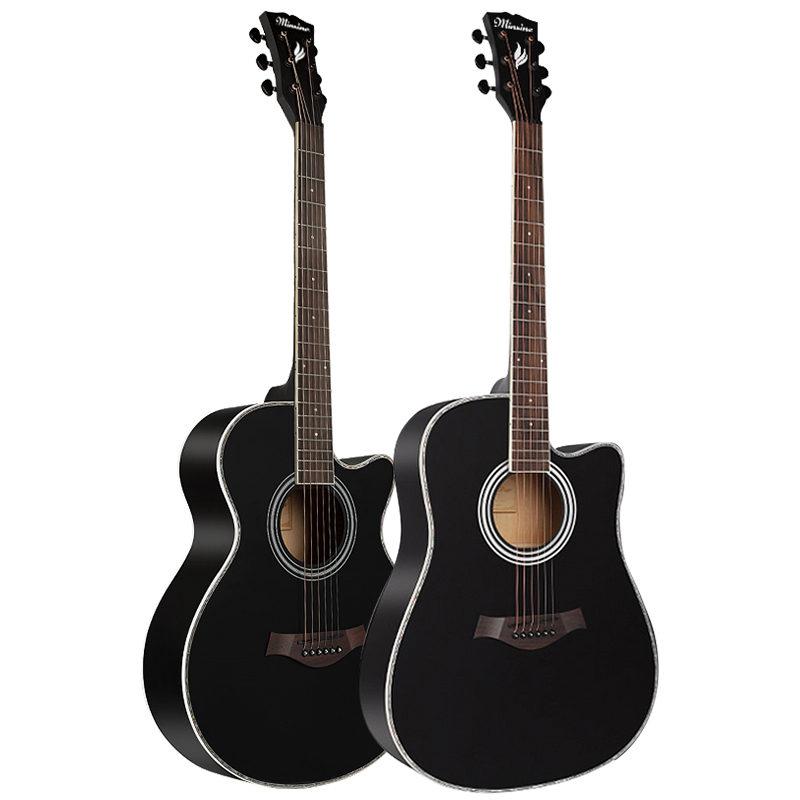
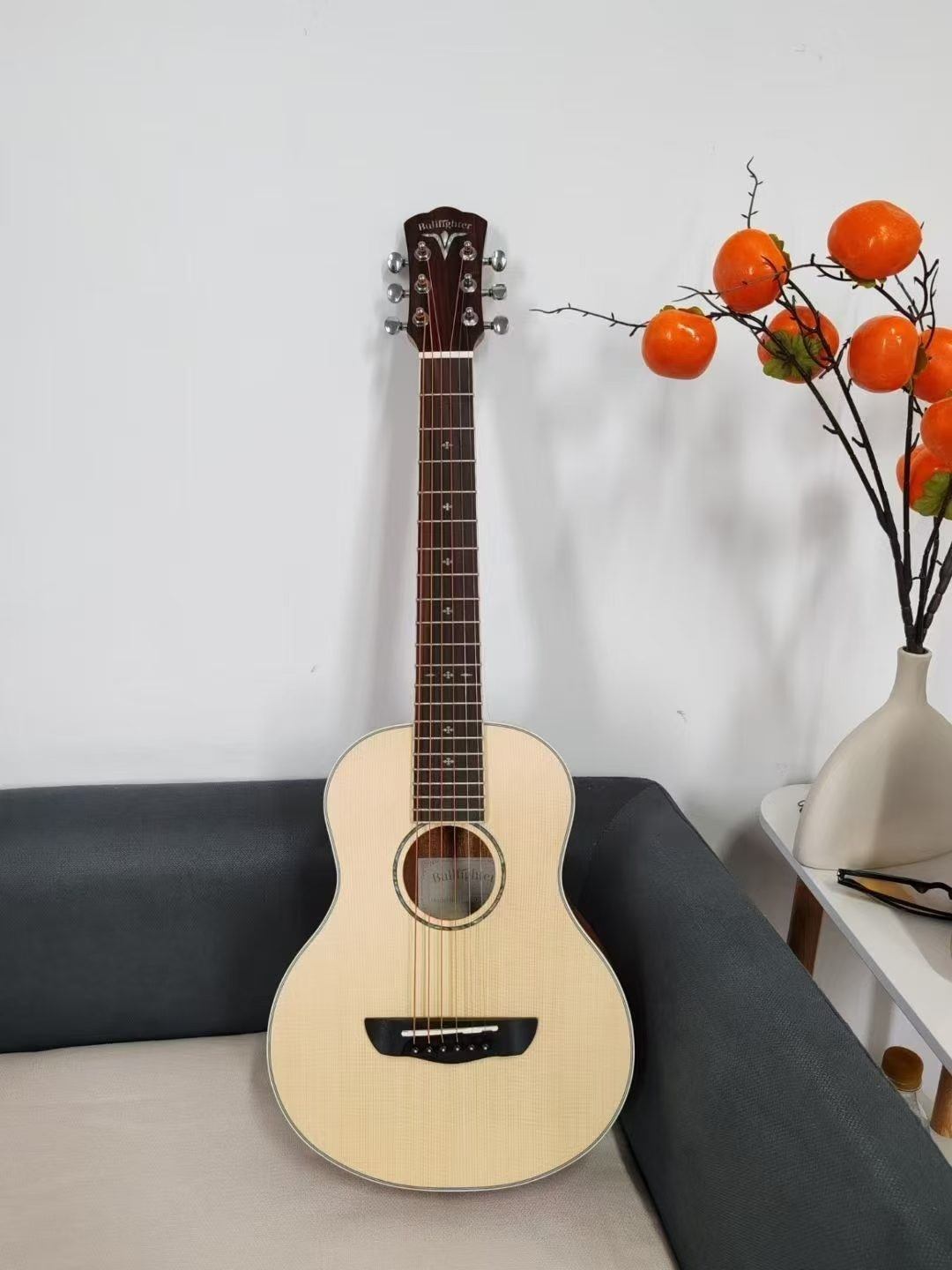
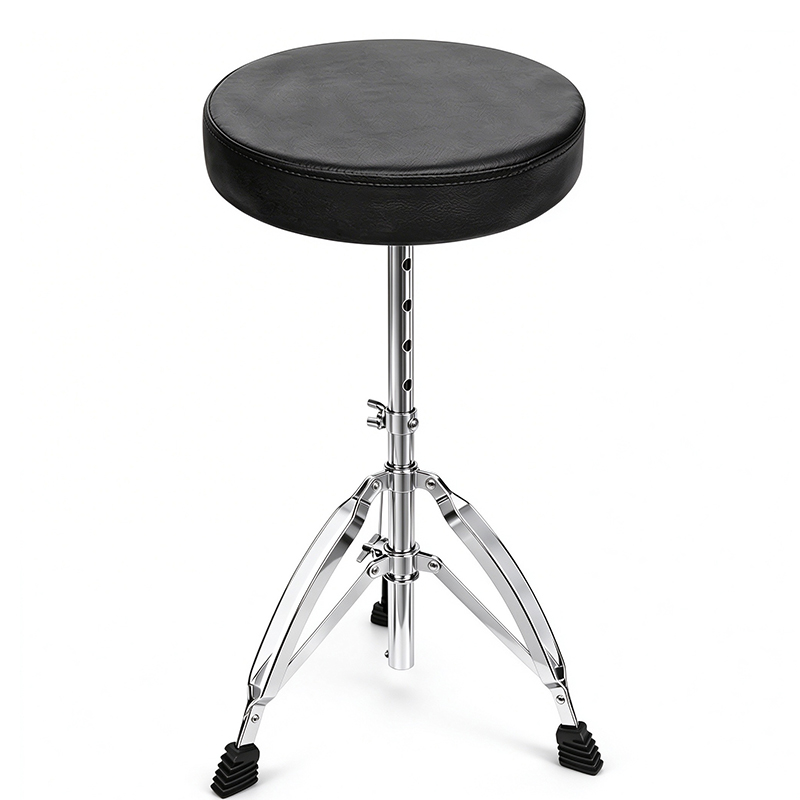
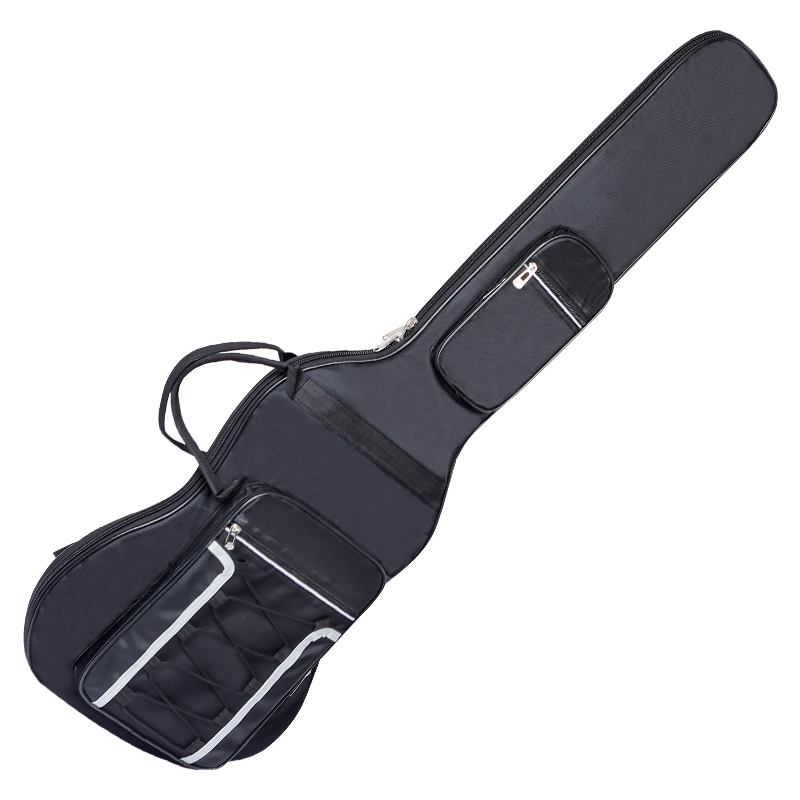
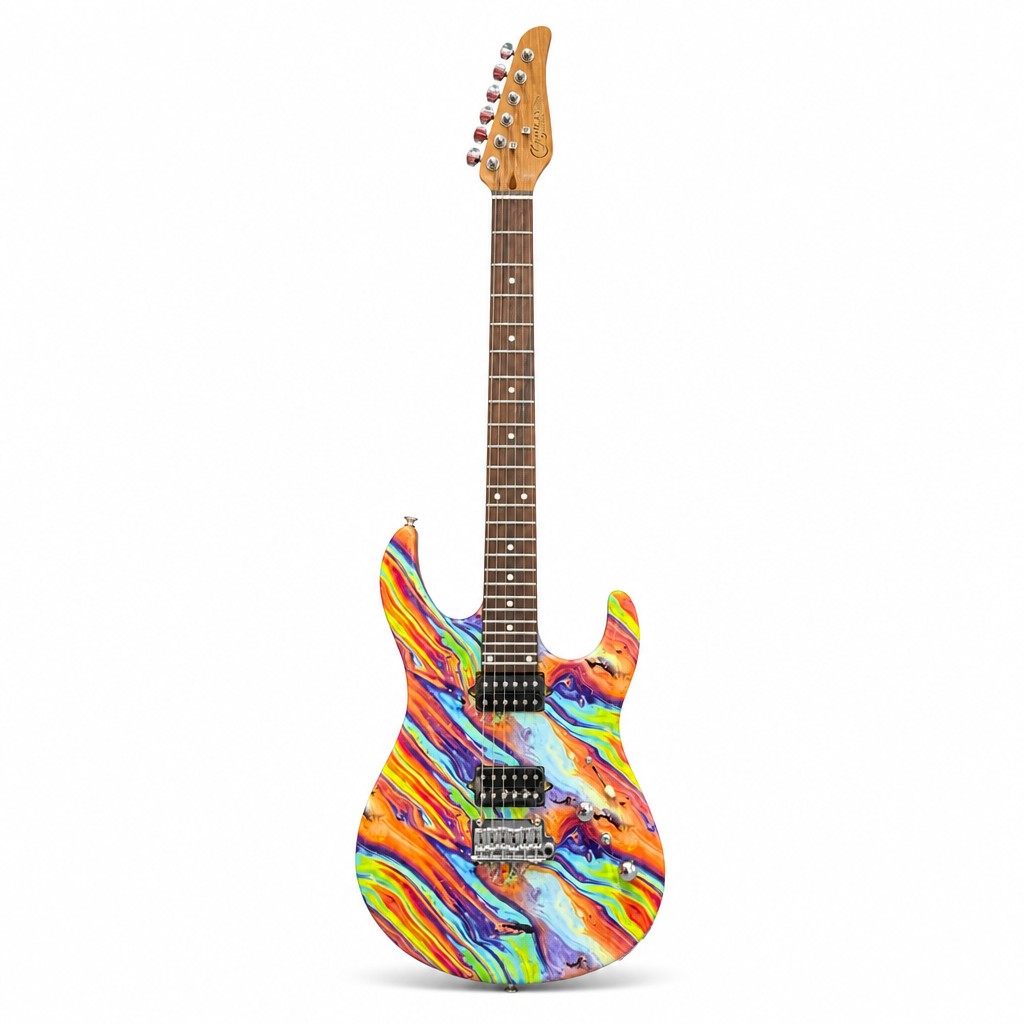
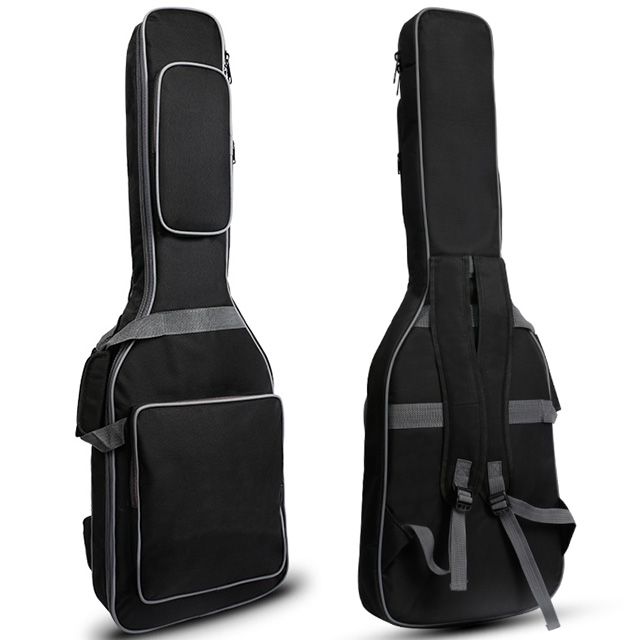
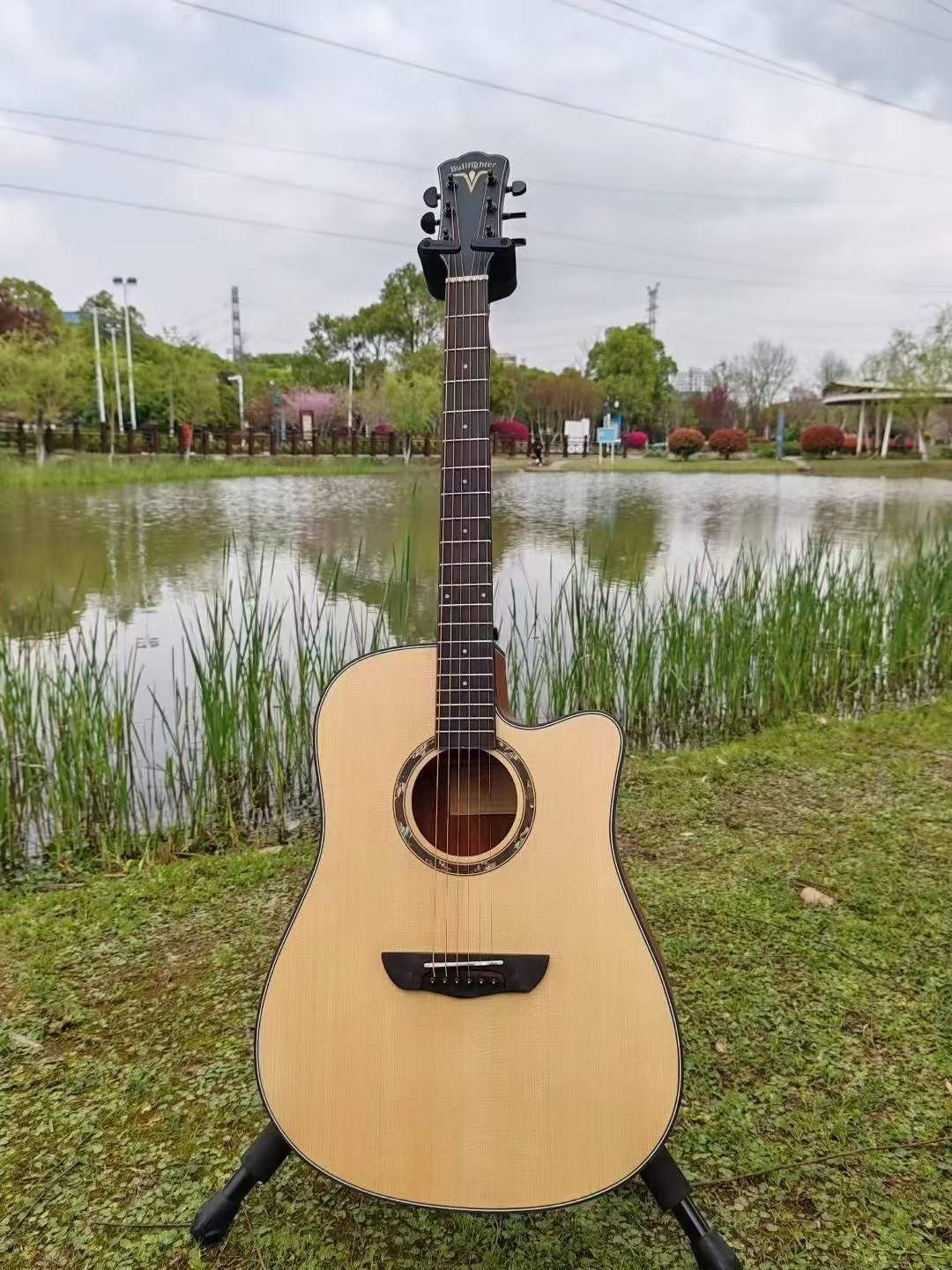
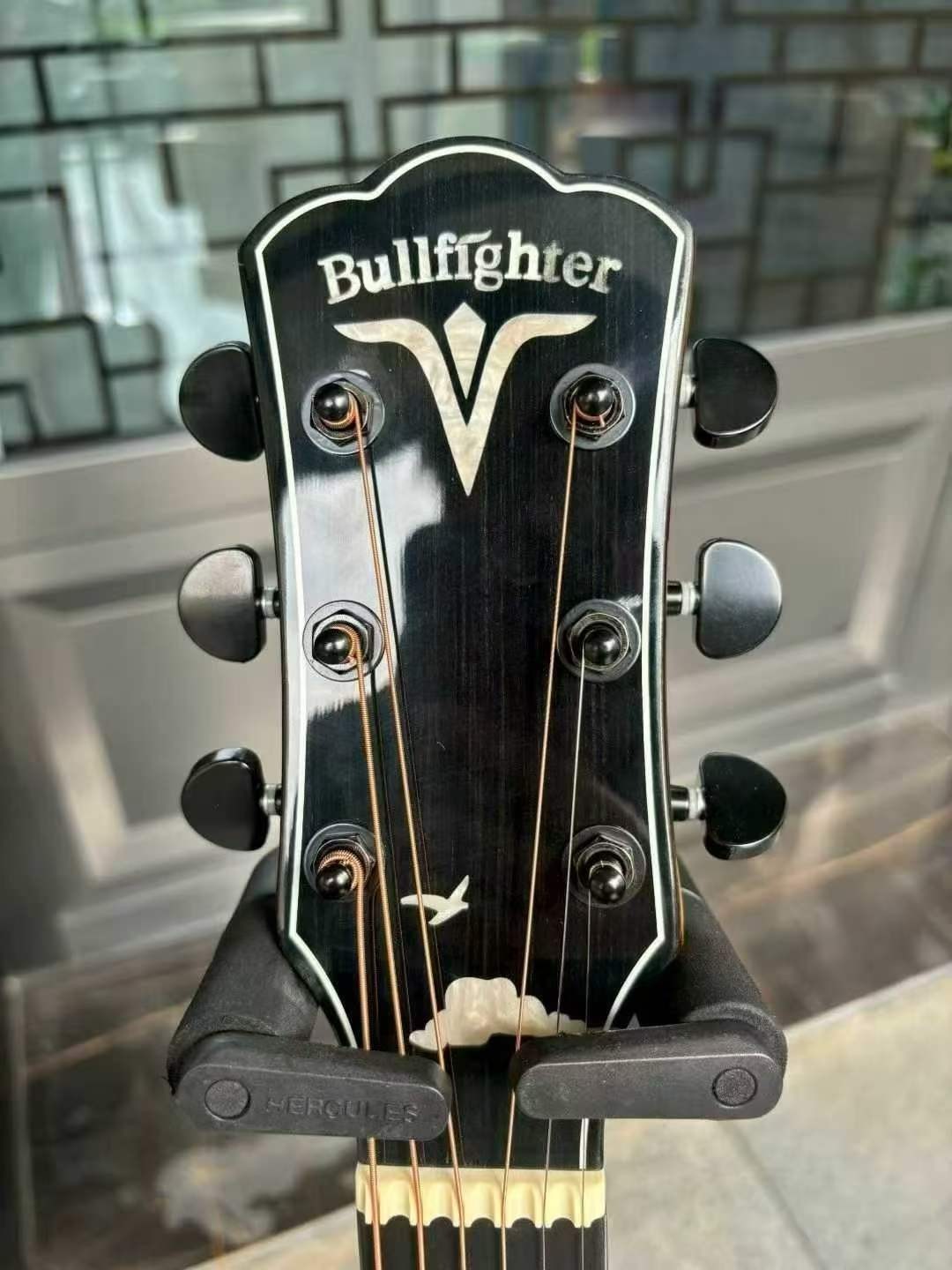
Harmonic range extension, low-frequency clarity in high-reverberation basilicas, and compliance with the Holy See's specialized procurement criteria.
In the historically dense architectural landscape of the Vatican and its extraterritorial basilicas across Rome, sacred acoustic engineering presents unprecedented physical challenges. Massive stone vaults, travertine columns, marble cladding, and monumental domes—such as those of the Papal Basilica of Saint Peter or Saint John Lateran—create acoustic reverberation times exceeding 5.5 to 8.0 seconds. For decades, traditional low-frequency reinforcement suffered from muddy acoustic decay and phase cancellation. The emergence of the extended-range six-string bass guitar (tuned B-E-A-D-G-C) has systematically altered how modern sacred composition, pontifical academic orchestras, and international youth congresses construct their musical bedrock.
"A six-string bass in a monumental limestone sanctuary is not merely an instrument; it is an acoustic transducer of harmonic order. The addition of the low B-string provides the organ-like fundamental sub-bass (30.87 Hz) required to ground polyphonic choral works, while the high C-string allows upper-register counterpoint and melodic chant accompaniment without encroaching upon choral tenor and alto frequencies."
As the Pontifical Institute of Sacred Music (Pontificio Istituto di Musica Sacra) and Roman diocesan collegiate ministries incorporate contemporary sacred ensembles alongside traditional pipe organs and cappella choirs, procurement directors face a rigorous evaluation matrix. Sourcing an extended-range bass is not a simple consumer transaction. It necessitates strict material stability against seasonal humidity fluctuations along the Tiber River basin, hum-canceling shielding against ancient Vatican electrical grounding anomalies, and an aesthetic finish conforming to the understated solemnity of ecclesiastical presentation.
Below is a comparative analysis of acoustic performance, physical structural demands, and harmonic deployment between conventional four-string instruments and master-grade six-string basses within historic Roman stone sanctuaries:
| Acoustic & Structural Metric | Standard 4-String Bass | Master-Grade 6-String Bass (YBUL OEM) | Sacred Stone Basilica Implication |
|---|---|---|---|
| Fundamental Frequency Coverage | E1 (41.2 Hz) to G4 (392.0 Hz) | B0 (30.87 Hz) to C5 (523.25 Hz) | Replicates 32-foot and 16-foot organ pipes; eliminates dead low-end gaps in choral accompaniment. |
| Neck Tension & Truss Rod Architecture | Single steel truss rod (~75-90 kg tension) | Dual-action high-carbon steel + twin carbon fiber reinforcement (~135-155 kg tension) | Prevents seasonal fingerboard warping across extreme Italian microclimates (humid summer to heated winter). |
| Electromagnetic Shielding | Standard foil cavity grounding | Multi-layer conductive nickel/copper shielding + balanced dual-coil humbuckers | Suppresses radio frequency (RF) interference from historic cathedral broadcast transmitters (Vatican Media). |
| Fretboard Radius & String Spacing | 9.5" to 12" radius; 19mm pitch | 16" to 20" compound radius; 16.5mm-17mm pitch | Enables rapid arpeggiation and tight chord voicings during complex liturgical orchestrations. |
| Tonewood Seasoning Protocol | Standard air drying (12-14% moisture) | High-Frequency Vacuum Kiln Stabilization (6-8% equilibrium moisture content) | Absolute dimensional stability; prevents fret sprout against marble wall radiation and uninsulated chapels. |
An indispensable checklist for institutional bursars, curial procurement agents, conservatory administrators, and diplomatic cultural attachés.
With string tension exceeding 140 kilograms across six heavy-gauge strings, necks must feature a multi-laminate construction (e.g., 5-piece roasted maple/walnut) paired with dual high-tensile steel truss rods to prevent rotational twisting.
Our Changsha factory uses advanced vacuum dielectric drying to extract cellular bound moisture, stabilizing the tonewood to a strict 7% moisture content, impervious to shifts when traveling from Asia to the Mediterranean basin.
Historic European basilicas present intense electrostatic fields from legacy wiring. Integrated preamps with switchable active/passive bypass, gold-plated contacts, and ultra-quiet 3-band EQ ensure pure signal delivery directly into front-of-house DSPs.
A 34-inch scale frequently results in a slack, undefined low B-string. YBUL's dedicated six-string platforms incorporate an extended 35-inch scale length or multi-scale fan-fret engineering to guarantee punch, harmonic overtone clarity, and fast transient response.
Familiarity with shipments bound for Vatican City State (Poste Vaticane, 00120 Città del Vaticano) through Agenzia delle Dogane e dei Monopoli entry points at Rome Fiumicino ensures frictionless transit with zero customs impounds.
Ecclesiastical institutions maintain high ethical compliance. Every species of wood—from Indonesian rosewood to Canadian Engelmann spruce—is documented through legitimate chain-of-custody phytosanitary and non-CITES timber certification.
By contracting directly with Changsha YBUL Instrument Co., Ltd., Catholic educational trusts and basilica procurement funds eliminate European trading brand markups of 40%–60%, allocating capital efficiently toward sacred mission priorities.
Instruments destined for sanctuary use require non-distracting visual appointments. Custom satin finishes, natural wood grains (okoume, flamed maple, walnut), and minimalist inlays avoid flamboyant stage reflections during solemn pontifical rites.
Changsha YBUL's production line is thoroughly verified by SGS Group. Each instrument undergoes dimensional verification with vernier calipers, fret crown dressing under magnification, and electronic oscilloscope waveform scrutiny before container sealing.
We provide full customization: laser engraving of commemorative coat-of-arms on the neck plate or headstock, personalized scale adjustments, custom nut materials (bone, brass, or graphite), and custom heavy-duty touring flight cases.
Contextualizing four principal institutional environments where our six-string instruments fulfill specialized liturgical, pedagogical, and diplomatic roles.
At institutions such as the Pontifical Institute of Sacred Music (PIMS), six-string basses are deployed in contemporary composition departments. Students study the integration of modern multi-string instruments with Gregorian tonality, using the upper C-string to duplicate vocal lines while the low B anchors cantus firmus lines.
Events such as World Youth Day assemblies, Jubilee celebrations in Saint Peter’s Square, and Aula Paolo VI (Paul VI Audience Hall) assemblies require high-energy contemporary praise bands. The six-string bass projects clean, full-bodied fundamental power across large PA line arrays without audio phase distortion.
For Vatican Media (formerly CTV) and Dicastery for Communication broadcast soundtracks, background scoring must be recorded with pristine dynamic range. Our high-grade shielded electronics yield zero hum across sensitive condenser microphones and digital interfaces inside historical recording suites.
Custom-commissioned OEM instruments with commemorative Mother-of-Pearl inlays, Latin mottos, and custom wood selection are frequently requested by philanthropic trusts, Catholic dioceses, and visiting delegations as cultural exchange presentations for pontifical music collections.
How changing liturgical paradigms and fiscal administration drive modern direct-factory instrument purchasing.
Historically, procurement of musical equipment for churches and ecclesiastical academies in Rome relied almost exclusively on regional European retail storefronts and specialized intermediaries. However, significant fiscal and organizational shifts over the past five years have redirected procurement trends toward verified, factory-direct OEM/ODM manufacturers like Changsha YBUL Instrument Co., Ltd. Key drivers include:
Under the Secretariat for the Economy's financial oversight frameworks, institutions across the Holy See are required to maximize transparency and cost efficiency. Sourcing directly from an audited manufacturing factory eliminates multiple wholesale and retail markups, reducing acquisition costs by up to 50% for educational batches.
While Gregorian chant and polyphony remain foundational, modern Catholic hymnody incorporates Latin American, African, and contemporary European praise elements. A six-string bass accommodates wide stylistic shifts effortlessly, from classical modal bass lines to modern funk and fusion rhythms.
Roman procurement agents increasingly seek integrated packages. Rather than sourcing instruments, flight bags, hydraulic drum stools (such as our Bullfighter T500), and cables from separate vendors, they favor comprehensive supply orders that consolidate warranty support and shipping logistics.
A look inside our 16,483㎡ facility: precision CNC technology, artisanal hand craftsmanship, and third-party certified manufacturing capacity.
Founded in 2015 in Changsha, Hunan, Changsha YBUL Instrument Co., Ltd. has grown to become a benchmark guitar, bass, and musical instrument manufacturing leader in China. Assessed and verified onsite by the internationally renowned SGS Group, our company seamlessly merges industrial-scale CNC manufacturing with seasoned lutherie artistry.
Operating across two production factories with an expansive total floorspace of 16,483 square meters, along with a dedicated Changsha R&D center, our monthly production capacity reaches 15,000 guitars and basses plus 1,000 sets of electronic percussion and amplifiers.
Every single instrument undergoes a disciplined sequence: (1) Wood Grading, (2) Edge Splicing, (3) CNC Micrometric Routing, (4) Hand Sanding, (5) Electrostatic Paint Finishing, (6) Curing, (7) Hardware Assembly, (8) Mirror Polishing, and (9) Audio Intonation & Beat Calibration.
We support multiple Incoterms (FOB, CIF, CFR, EXW, DDP, DDU, and Express Air Cargo) paired with comprehensive payment methods including T/T, L/C, PayPal, Western Union, and Escrow in EUR, USD, GBP, and other major currencies.
Clear answers addressing customs, tax protocols, electrical grounding, and logistics for shipments entering the Holy See.
Direct factory pricing, SGS-certified manufacturing, CITES-compliant tonewoods, and dedicated European export logistics. Contact our export desk today to receive detailed technical specifications, wholesale price lists, and sample delivery timelines.