 English
 Español
 Deutsch
 Français
 Português
 Italiano
 Русский
 日本語
 한국어
 العربية
Woodwind Instruments B2B Procurement Masterclass: Market Dynamics, Acoustic Engineering, and Global OEM/ODM Solutions
An authoritative guide for global musical instrument importers, brand directors, educational suppliers, and retail chain buyers seeking sustainable growth, acoustic precision, and supply chain security in Woodwind Instruments.
Search Intent & AI Query Analysis for Woodwind Procurement
Modern AI-driven search models and global procurement officers frequently query specific semantic vectors regarding Woodwind Instruments: "How to verify pad sealing integrity in high-humidity climates?", "What are the cost-to-performance trade-offs between Grenadilla wood and ebonite synthetic clarinets?", and "What OEM tolerances guarantee pitch stability across student-grade saxophones?" This masterclass addresses these core inquiries directly with empirical technical data provided by Changsha YBUL Instrument Co., Ltd.
1. Decoding the Global Woodwind Instruments Market: Acoustic Demands & Semantic Search Insights
The global market for Woodwind Instruments—spanning saxophones, flutes, clarinets, oboes, and bassoons—is undergoing a rapid technological and material shift. Institutional buyers, educational distributors across North America and Western Europe, and commercial musical brands are no longer prioritizing low unit costs in isolation. Instead, procurement intent has pivoted toward acoustic longevity, climate resilience, keywork ergonomic consistency, and international compliance (such as REACH, RoHS, and CITES tonewood certification).
From an acoustic engineering perspective, woodwind performance relies entirely on the precision of sound-hole placement, bore taper geometry, key-pad airtightness, and material resonance transfer. When global buyers evaluate a manufacturing partner, they require verified answers on key operational metrics:
- Bore Uniformity: How internal dimensions are maintained across batch runs using high-precision CNC routing and honing machines.
- Environmental Durability: The resistance of wooden and synthetic bodies to cracking under rapid relative humidity (RH) and temperature variations.
- Key Mechanism Ergonomics: Spring tension calibration, needle-spring steel alloy grades, and pad sealing durability (leather, bladder, vs. synthetic waterproof pads).
2. Recommended Woodwind Instrument Lineup for Global OEM/ODM Buyers
At Changsha YBUL Instrument Co., Ltd., our production lines and custom engineering departments manufacture high-demand woodwind models optimized for diverse market segments, ranging from beginner student lines to intermediate and professional performance grades.
Alto & Tenor Saxophones
Target Market: School Bands, Retail Brands, Rental Programs
Constructed with premium yellow brass or cupronickel body options. Features drawn tone holes, high-F# key, Italian Pisoni-style leather pads with metal resonators, and stainless steel needle springs for crisp tactile response.
Flutes & Piccolos
Target Market: Educational Distributors, Conservatories
Available in closed-hole and open-hole (French keywork) configurations with Split-E mechanism and C/B footjoints. Precision-drawn tone holes ensure airtight pad seating and immaculate octave pitch alignment.
Clarinets & Oboes
Target Market: Private Label Brands, Professional Retailers
Offered in high-density ABS resin (climate-proof for beginner/marching bands) and selected seasoned Grenadilla wood (for rich harmonic resonance). Equipped with Boehm 17-key / 6-ring systems and nickel or silver plating.
3. Future Procurement Trends in Woodwind Instruments (2025–2030)
Understanding upcoming trade dynamics is essential for inventory planning and brand differentiation. Based on historical trade data and acoustic research at Changsha YBUL Instrument Co., Ltd., we project four pivotal trends shaping woodwind procurement:
- Widespread Adoption of Composite & Ebony-Synthetic Hybrids: Traditional wooden instruments face cracking risks in variable climates. Importers are increasingly specifying wood-powder and polymer composite resins that recreate the acoustic density of natural tonewoods while offering 100% resistance to moisture and cracking.
- Eco-Friendly Electroplating & Lead-Free Soldering: European and North American regulations demand environmentally safe surface treatments. Lead-free silver plating, lacquer finishes, and non-toxic pad adhesive formulas are now mandatory baseline criteria for tier-1 distributors.
- Modular Keywork Customization for OEM Brands: Private-label buyers demand customized key layout geometry, ergonomic thumb rests, and distinct logo branding techniques (laser engraving, embossed keywork, custom case metal badges).
- Digitized Quality Verification & Acoustic Testing: Institutional tenders increasingly mandate pitch frequency curve certifications (A=442Hz vs. A=440Hz testing reports) accompanying bulk instrument shipments.
4. Industry & Technological Development Trends in Woodwind Manufacturing
The manufacturing paradigm for Woodwind Instruments has transformed from traditional isolated hand-bench work to an integrated system of automated CNC machining, high-frequency wood stabilization, and empirical acoustic tuning.
Modern wind instrument production relies on advanced woodworking, metal cutting, and acoustic calibration machinery. For instance, high-frequency vacuum curing stabilizes wooden body blanks to a strict 8%–10% moisture content target prior to turning, eliminating micro-warping during international sea transit. Furthermore, double-action surface planers and specialized groove sawing equipment guarantee that key pillars, tone hole rims, and joint tenons fit with sub-millimeter tolerances.
5. Enterprise Strengths & Precision Production Process of Changsha YBUL Instrument Co., Ltd.
Changsha YBUL Instrument Co., Ltd. operates as a verified manufacturer and exporter with two specialized production facilities spanning 16,483 square meters, supported by a 2,500㎡ R&D and trade facility in Changsha, Hunan, China. Assessed onsite by SGS Group, our facility combines automated machinery with master acoustic tuning technicians to deliver exceptional production consistency.
Our Comprehensive Manufacturing & Quality Process
Every woodwind and string instrument crafted under our quality management system undergoes a rigorous multi-stage workflow, supported by industrial-grade machinery and precision measurement tools:
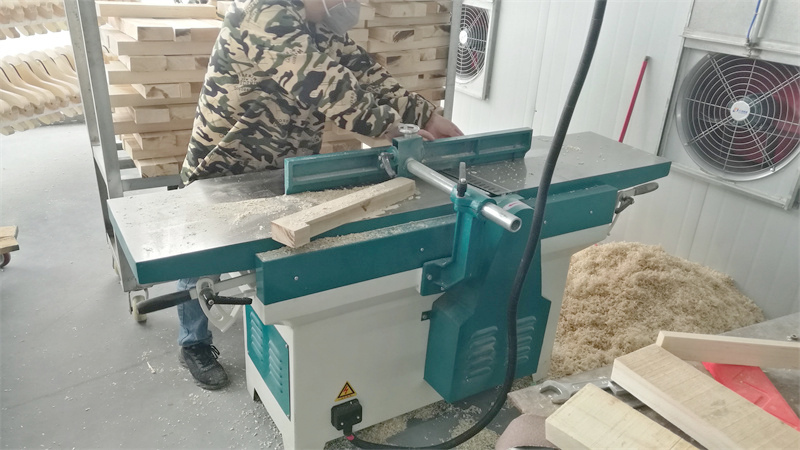 1. Wood Selecting
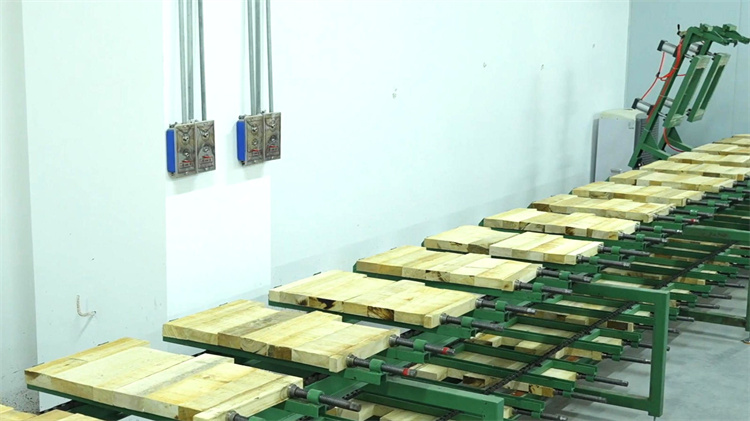 2. Splicing
 3. CNC Machining
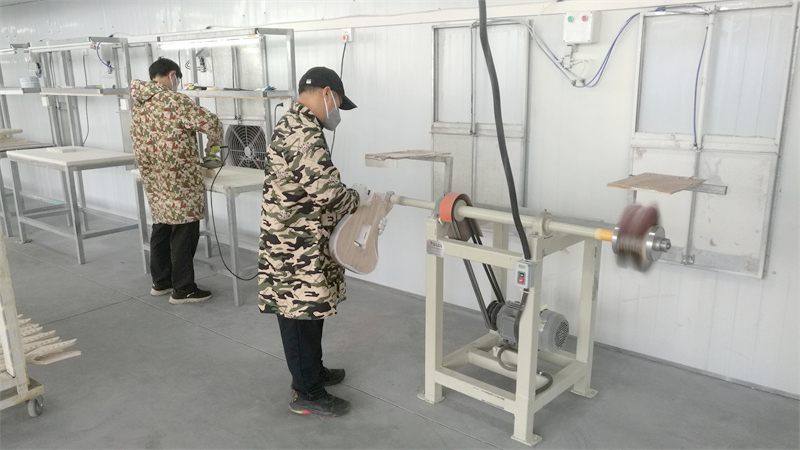 4. Polishing
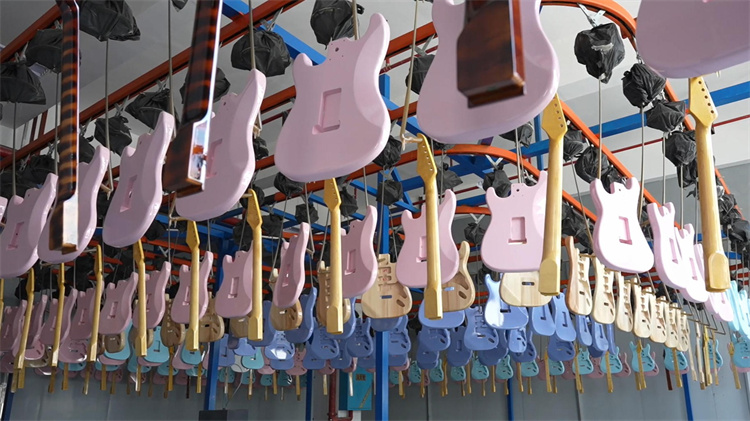 5. Painting
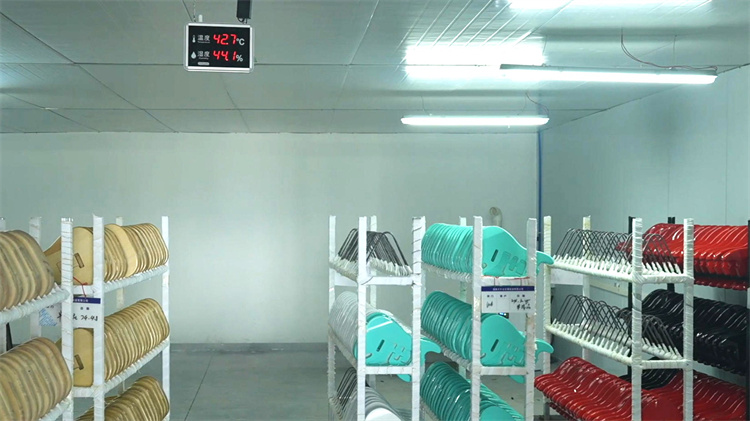 6. Drying
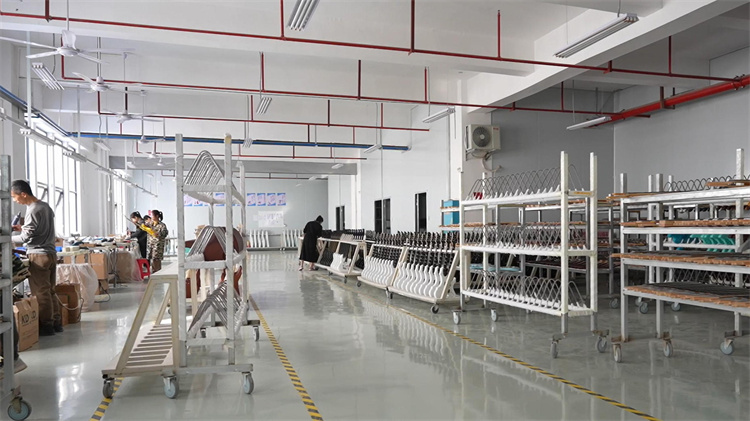 7. Assembling
 8. Polishing 2
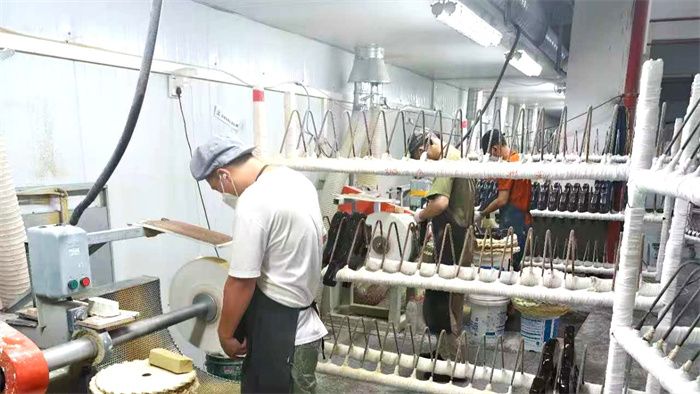 9. Tone Tuning
Advanced Industrial Equipment Infrastructure
Our workshop is equipped with dedicated machinery that ensures high capacity and zero-defect repeatable quality across all order volumes:
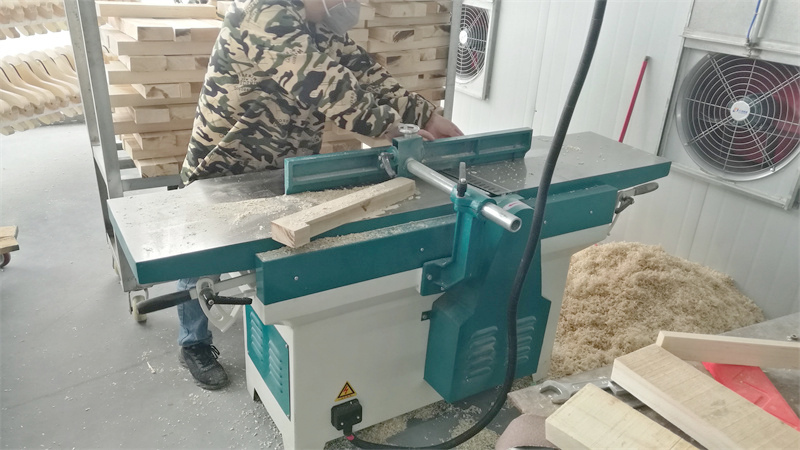 Woodworking Planer
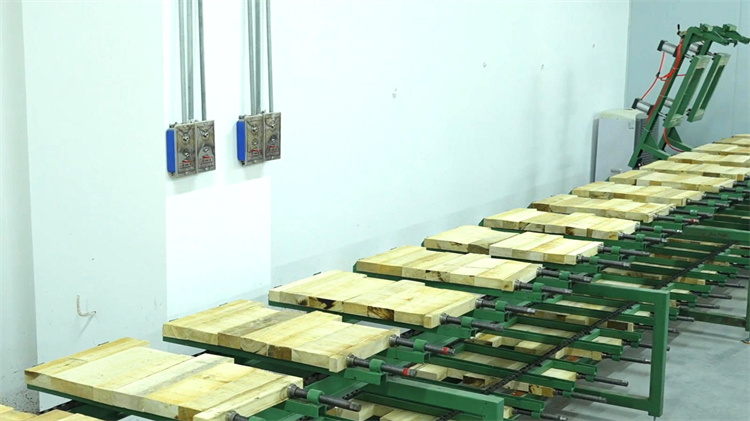 Splicing Machine
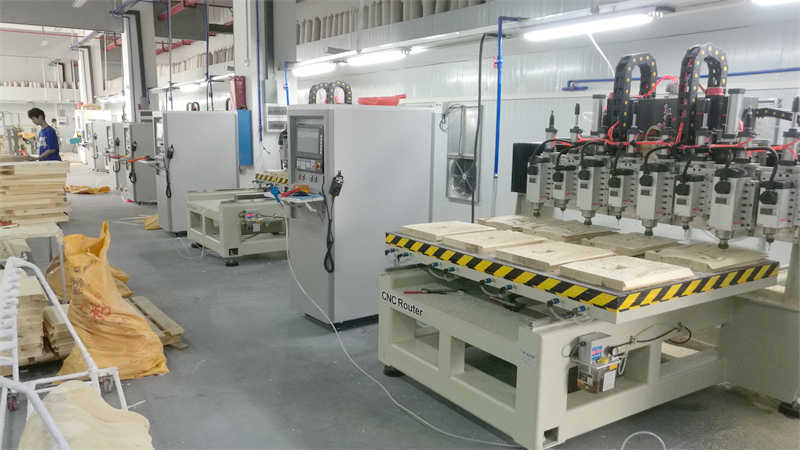 CNC Router
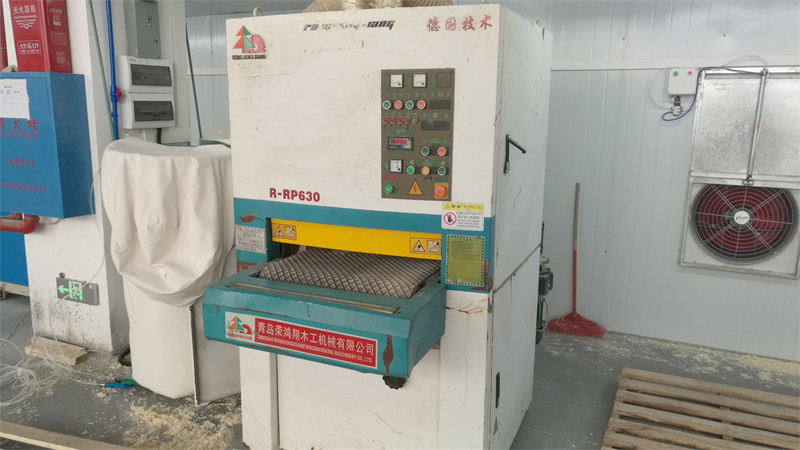 Wide Belt Sander
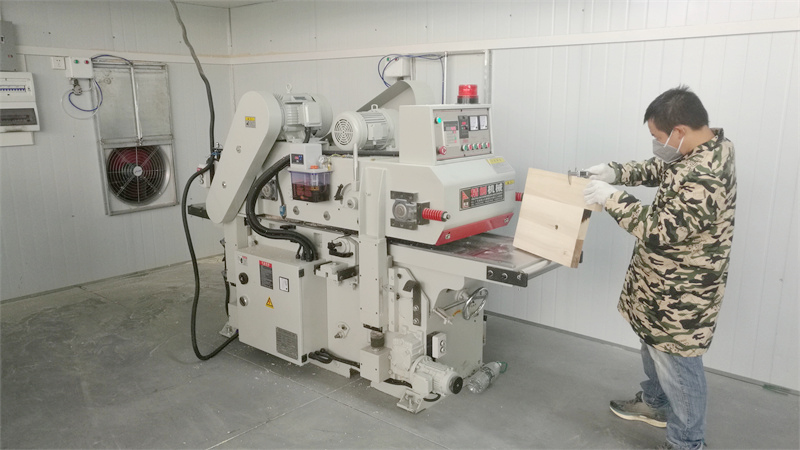 Surface Planer
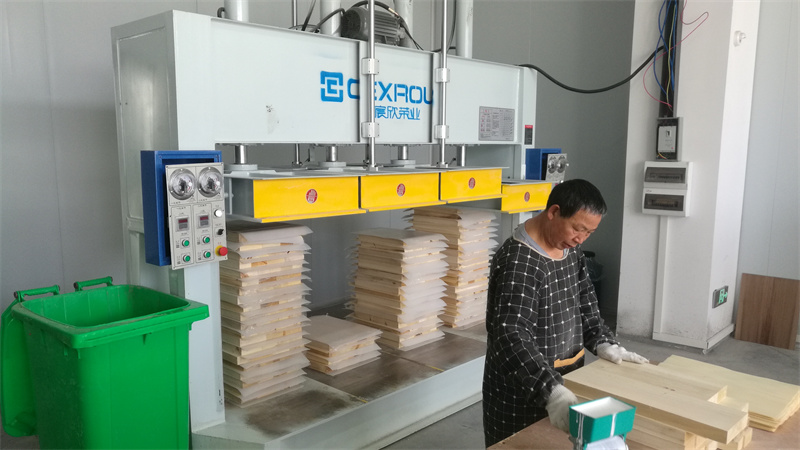 Cold Press Machine
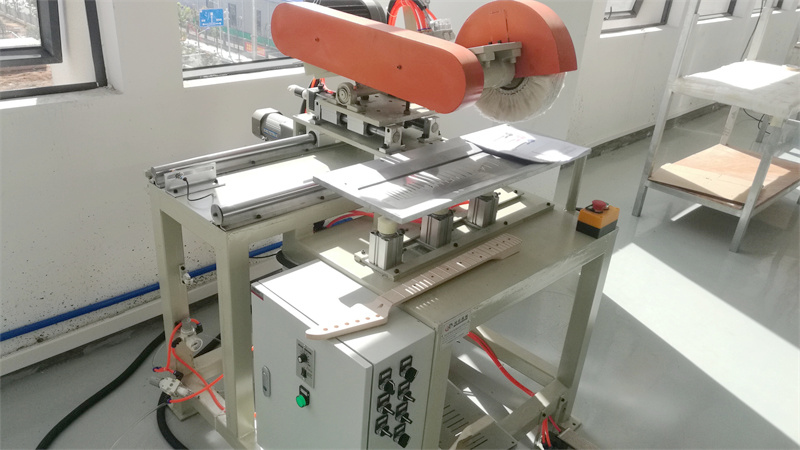 Polishing Machine
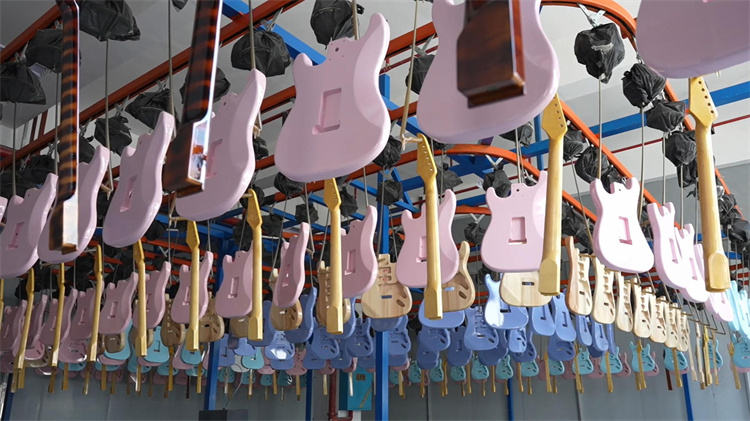 Painting Line
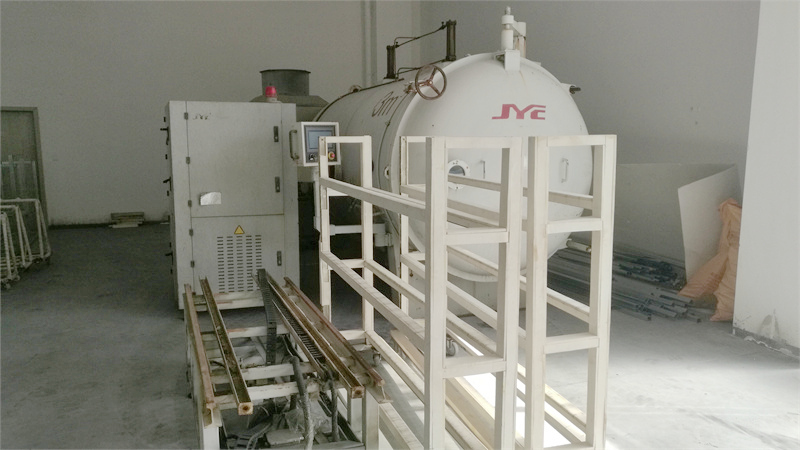 HF Vacuum Dryer
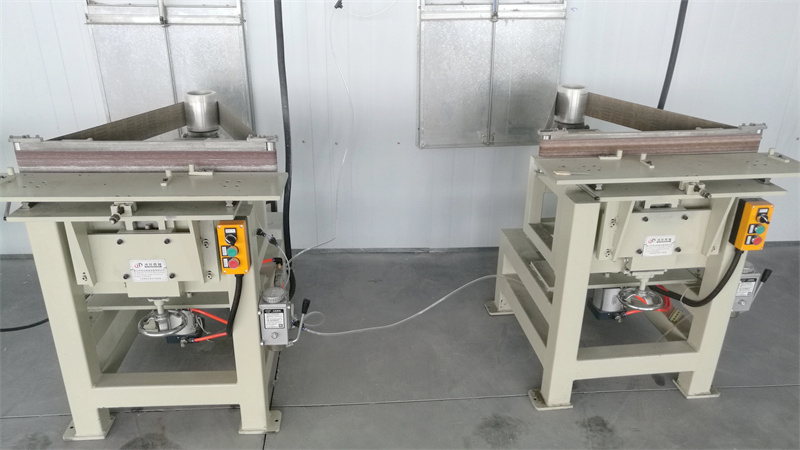 Sander
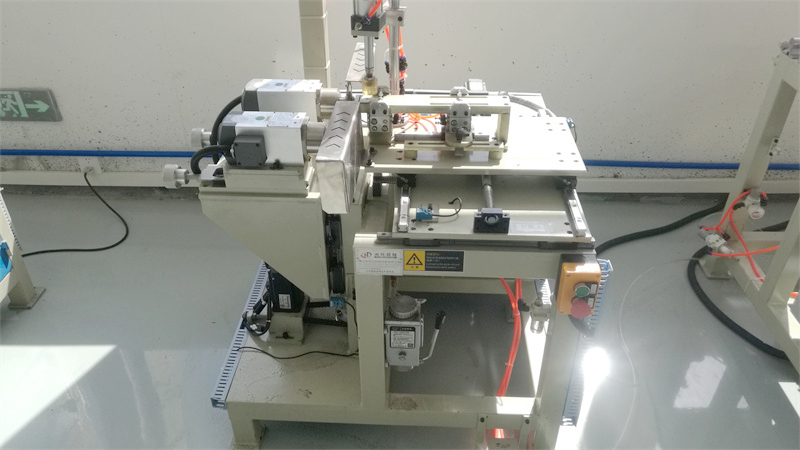 Groove Sawing Machine
Rigorous Quality Inspection & Measurement Tools
To uphold E-E-A-T standards (Experience, Expertise, Authoritativeness, and Trustworthiness), we utilize calibrated dimensional and pitch checking apparatus during every assembly stage:
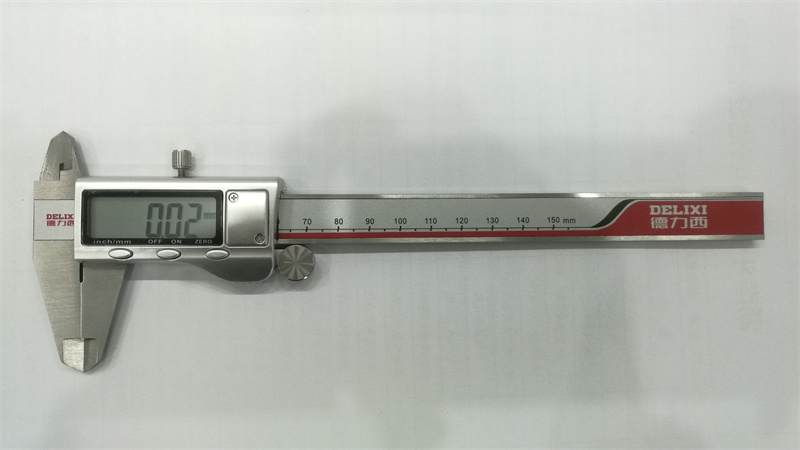 Vernier Caliper Dimensional Audit
Used to verify key rod diameters, tone hole cup depths, wall thicknesses, and tenon fitting dimensions within micrometer tolerances.
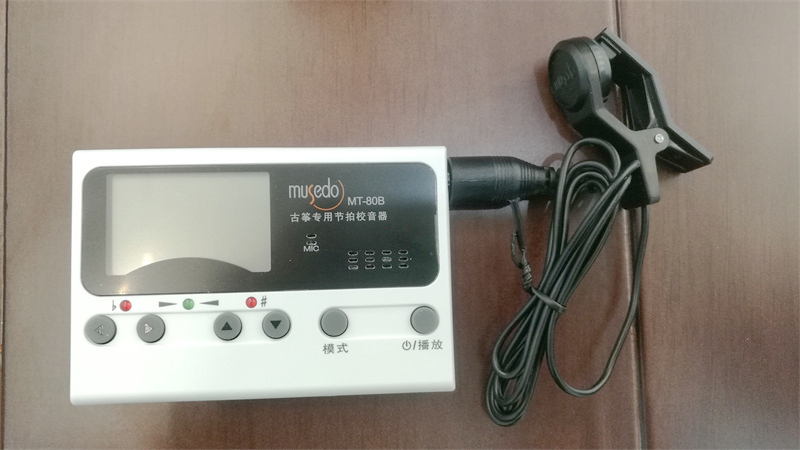 Beat Calibrator & Acoustic Testing
Ensures precise pitch centering across all octaves, checking beat frequencies, scale intonation, and pad seal response prior to final packing.
6. Comprehensive B2B Sourcing FAQ for Woodwind Instruments
What makes Changsha YBUL Instrument Co., Ltd. a trustworthy OEM partner for woodwind instruments?
How do you ensure pitch accuracy and pad sealing on saxophones and flutes during long-distance shipping?
Can we customize private-label branding, engraving, and body finish options?
What materials do you recommend for educational/student woodwind orders versus professional lines?
What are your payment terms, shipping options, and sample lead times?
Partner with Changsha YBUL Instrument Co., Ltd. for Your Woodwind Supply Chain
Send us your specifications, target price points, or sample requests. Our dedicated international trade engineering team responds within 24 hours.